
Main Courses
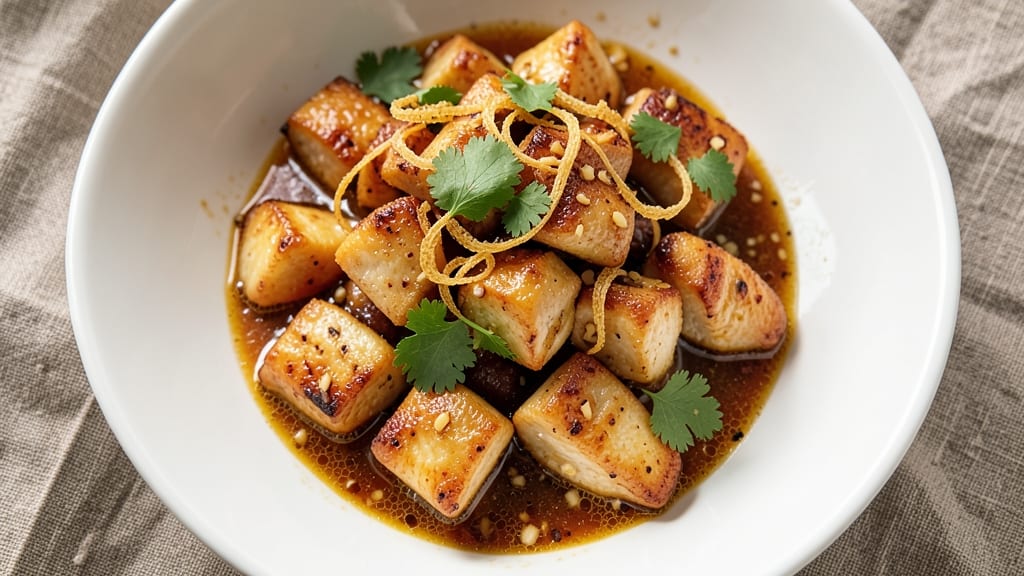
This sweet and sour chicken recipe with pineapple juice transforms ordinary weeknight dinners into vibrant, restaurant-quality meals with just a few key techniques.
The secret lies in velveting the chicken for tender bites and reducing the pineapple-based sauce until it caramelizes into a glossy, sticky glaze that clings perfectly to every piece. I perfected this version after years of testing—no more dry chicken or cloyingly sweet sauces that overpower the dish.
The process starts with a simple marinade that preps the chicken for both frying and sauce absorption. After velveting, the chicken fries to a golden finish while the sauce simmers down into a perfect balance of sweet, tangy, and umami flavors.
What makes this recipe stand out is how the pineapple juice contributes acidity without overpowering the dish—it creates that signature glossy sheen while keeping the sauce bright and complex. The result? Chicken that stays juicy and tender with a sauce that's rich enough to coat every bite.
By the time you plate this dish, you'll have perfectly balanced sweet and sour chicken with a sauce that's sticky enough to drip beautifully yet light enough to let the chicken shine.
The caramelized edges on the chicken create contrast with the glossy sauce, making each bite visually appealing and packed with flavor. This is the kind of recipe that delivers professional-quality results with straightforward techniques—no fancy equipment required.
The best part? This recipe scales effortlessly for family dinners or meal prep. Serve it over steamed rice or noodles, and don't forget to garnish with fresh cilantro or sesame seeds for that final touch of freshness.
Let's get cooking—this sweet and sour chicken will become your new go-to weeknight favorite.
Ingredients for sweet and sour chicken recipe with pineapple juice
Pineapple juice, brown sugar, and cornstarch make this sauce shine while velveting keeps the chicken juicy.
| Ingredient | Amount | Notes |
|---|---|---|
| Boneless, Skinless Chicken Thighs 🍗 | 1 ½ lb | Cut into 1-inch pieces |
| Cornstarch 🌾 | ¼ cup | For velveting chicken |
| Pineapple Juice 🍍 | 1 cup | Fresh preferred, no pulp |
| Rice Vinegar 💧 | ¼ cup | White vinegar works too |
| Brown Sugar 🍯 | ½ cup | Light or dark variety |
| Soy Sauce 🍶 | ¼ cup | Low-sodium preferred |
| Garlic Cloves 🧄 | 4 cloves | Minced for marinade |
| Ginger Root 🌿 | 1 tbsp | Freshly grated |
| Sesame Oil 🫒 | 1 tbsp | For aroma, not cooking |
| Vegetable Oil 🫒 | ½ cup | For frying chicken |
| Green Onions 🧅 | ¼ cup | Sliced, for garnish |
| Fresh Cilantro 🌿 | ¼ cup | Chopped, optional garnish |
| Salt 🧂 | 1 tsp | Kosher or sea salt |
| Black Pepper 🌶️ | ½ tsp | Freshly ground |
The pineapple juice is non-negotiable here—fresh is ideal, but canned works in a pinch (look for no-added-sugar brands). Trader Joe's has the best-priced fresh juice, but any store's pineapple section will do. Brown sugar adds depth, but white sugar works too if you're out. For the chicken, thighs stay juicier than breasts—bone-in, skin-on if you can find them. The cornstarch is key for that signature glossy sauce, but arrowroot powder works 1:1 if you prefer. Fresh ginger and garlic? Always better than powdered, but the jarred stuff is fine for a quick weeknight.
No rice vinegar? Apple cider vinegar or white vinegar will do—just taste as you go. Short on soy sauce? Coconut aminos or tamari are great swaps. The sesame oil is just for aroma here—skip it if you're sensitive to strong flavors. For the frying oil, vegetable or canola oil works best, but peanut oil adds nice nutty notes. Garnishes? Sesame seeds or sliced green onions are classic, but fresh cilantro brightens things up if you've got it. The sauce should coat the back of a spoon when done—reduce longer if it's too thin.
This sauce reheats beautifully—taste and adjust sweetness/tang after warming. Chicken stays good in the fridge for 3 days, but the sauce is even better the next day once flavors meld. Freeze portions of sauce separately if you're prepping ahead—just thaw and reheat gently. For meal prep, store components separately (chicken, sauce, rice) and assemble when ready to eat. The sauce thickens as it cools, so add a splash of water when reheating if it gets too stiff.
Why You'll Love This Recipe
- One-Pan Magic: I swear by this for lazy nights—just toss the chicken in a sheet pan, coat it with cornstarch, and let the pineapple juice do the work while you stir. No extra bowls, no fuss, and honestly, the cleanup is almost nonexistent.
- Tangy Sweet Crunch: That first bite? The crispy cornstarch crust gives way to juicy chicken, then boom—the bright tang of rice vinegar and pineapple juice cuts through the brown sugar’s richness. It’s the kind of balance that makes you close your eyes and take another forkful.
- Lunchbox Hero: Between us, this is my go-to for packed lunches. The sauce clings to the chicken, stays fresh for days, and reheats like a dream. My kids actually finish their lunch now—no complaints about "boring school food."
- Budget Win: Chicken thighs stretch farther than breasts, and pineapple juice is cheaper than bottled sauce. A single batch feeds four, and leftovers? They taste just as good cold the next day, so I’m always stocking up. Smart, simple, and satisfying.
Step-by-step instructions for sweet and sour chicken
This method delivers tender chicken with a glossy, caramelized glaze every time.
Velvet the Chicken for Maximum Tenderness
In a medium bowl, whisk together the 1 cup pineapple juice, 0.25 cup rice vinegar, 0.5 cup brown sugar, 0.25 cup soy sauce, 1 tbsp ginger root, 4 cloves minced garlic cloves, 1 tsp salt, and 0.5 tsp black pepper. Add the 1.5 lb boneless, skinless chicken thighs cut into 1-inch pieces and let marinate for 20 minutes at room temperature.
In a separate shallow dish, mix the 0.25 cup cornstarch with 1 tbsp water to create a slurry. Remove the chicken from the marinade (reserve the marinade) and dip each piece into the cornstarch mixture, coating evenly. Let the cornstarch set for 5 minutes—this creates that signature velvety texture.
Fry the Chicken Until Golden Brown
Heat 0.5 cup vegetable oil in a large skillet over medium-high heat until it reaches 350°F—a deep-fry thermometer is perfect for this. Working in batches to avoid overcrowding, fry the chicken for 3-4 minutes per side until golden brown and cooked through to an internal temperature of 165°F. Transfer to a paper towel-lined plate to drain excess oil.
Don't rush this step—the cornstarch coating needs time to crisp while the chicken cooks through. If you see the oil smoking excessively, reduce the heat slightly to maintain 350°F. The chicken should be golden throughout, not pale.
Build the Glossy Sweet and Sour Sauce
In the same skillet (no need to clean it—the browned bits add flavor), return the heat to medium. Add the reserved marinade and bring to a gentle simmer. Let it cook uncovered for 5-7 minutes until the sauce reduces by about half and thickens slightly. The sauce should coat the back of a spoon but still be pourable.
Here's the magic: Stir in 1 tbsp sesame oil and simmer for another 2 minutes. The sesame oil adds depth and helps create that glossy sheen. If the sauce is too thick, add 1-2 tablespoons water to reach your desired consistency.
Finish with the Glaze and Garnish
Return the fried chicken to the skillet and spoon the sauce over it, tossing gently to coat evenly. Let it simmer together for 2-3 minutes so the chicken absorbs the flavors and the sauce caramelizes slightly on the edges.
Garnish with 0.25 cup sliced green onions and 0.25 cup chopped fresh cilantro just before serving. The green onions add freshness while the cilantro brings a bright, herbal note that cuts through the sweetness. Serve immediately over steamed rice for the perfect balance.
Pro Tips For Making Sweet And Sour Chicken Recipe With Pineapple Juice
- CUT CHICKEN IN EVEN STRIPS: Use a sharp knife and cut the thighs into 1-inch-wide strips—thinner than most recipes suggest. Thicker pieces stay chewy, and this dish needs tender, bite-sized chicken that soaks up the sauce. I learned this the hard way when my first batch turned out rubbery.
- DEGLAZE WITH PINEAPPLE JUICE: After browning the chicken, don’t just toss in the sauce—deglaze the pan with 2 tablespoons of pineapple juice first. Scrape up those browned bits; they’re packed with flavor that disappears if ignored. Skip this, and your sauce will taste flat.
- THICKEN SAUCE IN STAGES: Mix cornstarch with cold water (1 tbsp cornstarch to 2 tbsp water) and stir it into the simmering sauce gradually, letting it cook for 30 seconds between additions. Dumping it all at once clumps it up—smooth, glossy sauce is the goal, not gluey blobs.
- SWEAT THE CHICKEN FIRST: Before frying, cook the chicken strips in a dry pan over medium heat for 3-4 minutes until no longer pink. This jumpstarts the cooking process and keeps them from drying out in the sauce. I used to skip this, and the chicken always ended up tough.
Flavor customization for sweet and sour chicken recipe with pineapple juice
Sweetness Levels
Adjust the brown sugar to control sweetness—start with ½ cup for classic balance, but reduce to ¼ cup if you prefer less sweetness. For extra depth, swap ¼ cup of the sugar with honey or maple syrup—it adds caramel notes that caramelize beautifully during cooking.
I once accidentally doubled the sugar and ended up with a dessert-like sauce that worked surprisingly well with vanilla ice cream for a fun twist! 🍯
Tangy Variations
Boost tanginess by increasing rice vinegar to ⅓ cup for a sharper flavor profile. For a fruity twist, add 2 tbsp lime juice or orange zest to the sauce—it brightens the pineapple notes beautifully.
If you love heat, stir in ½ tsp red pepper flakes with the sesame oil for a spicy-sweet kick that keeps the sauce vibrant. 🌶️
Umami Boosters
Deepening umami transforms this dish from good to restaurant-quality. Add 1 tbsp oyster sauce or 1 tsp fish sauce to the marinade for complexity. For a vegetarian option, stir 1 tbsp mushroom powder or 1 tbsp soy sauce reduction into the sauce.
I tested this with 1 tbsp hoisin sauce and was amazed at how it rounded out the flavors without overpowering. 🍄
Texture Contrasts
Add crunch with toasted sesame seeds or crushed peanuts for texture. For a creamy element, stir 1 tbsp coconut cream into the sauce at the end—it balances the tangy-sweet profile beautifully.
My Boston crowd loves this version with crispy fried shallots sprinkled on top for an extra layer of complexity. 🥜
Regional Twists
For a Thai-inspired version, add 1 tbsp curry paste and 1 tsp lemongrass paste to the marinade. A Hawaiian fusion works with ½ cup pineapple chunks in the sauce and a drizzle of macadamia nut oil.
My Italian side comes out when I add sun-dried tomatoes and balsamic glaze—unexpected but delicious! 🌺
Dietary Adaptations
For gluten-free, use tamari instead of soy sauce and ensure cornstarch is certified GF. A low-sugar version swaps brown sugar for erythritol or monk fruit sweetener, though the sauce will be slightly less glossy.
For extra protein, stir ½ cup cooked quinoa** into the sauce—it thickens beautifully and adds a nutty depth. 🌱
Nutrition facts
Frequently asked questions
Why does this recipe use pineapple juice instead of chunks?
The pineapple juice creates a smoother, glossier sauce that coats the chicken perfectly without adding bulk. Using chunks would thicken the sauce unevenly and create a chunky texture. For texture contrast, add fresh pineapple chunks as a garnish instead.
Can I substitute chicken thighs with breasts?
Yes, but breasts will be less tender. Use 1 lb boneless breasts instead of thighs, and reduce cooking time to 2-3 minutes per side to avoid drying out. For extra juiciness, marinate breasts for 30 minutes instead of 20.
What if my sauce isn't glossy enough?
Simmer the sauce uncovered for 2-3 extra minutes to reduce it further. For shine, stir in 1 tsp cornstarch mixed with 1 tsp water and cook for 1 minute. The cornstarch in the original recipe helps, but extra reduction is key for that restaurant-quality sheen.
How do I make this recipe healthier?
Use baking instead of frying: Toss cornstarch-coated chicken with 1 tbsp olive oil and bake at 400°F for 15-18 minutes. Reduce brown sugar to ¼ cup and use low-sodium soy sauce. Serve over cauliflower rice for a lighter version.
Can I make this sauce ahead of time?
Prepare the sauce up to 3 days ahead and store it in the fridge. Reheat gently and adjust sweetness/tang with extra brown sugar or vinegar as needed. For best results, reheat the sauce separately from the chicken and toss together just before serving.