
Main Courses
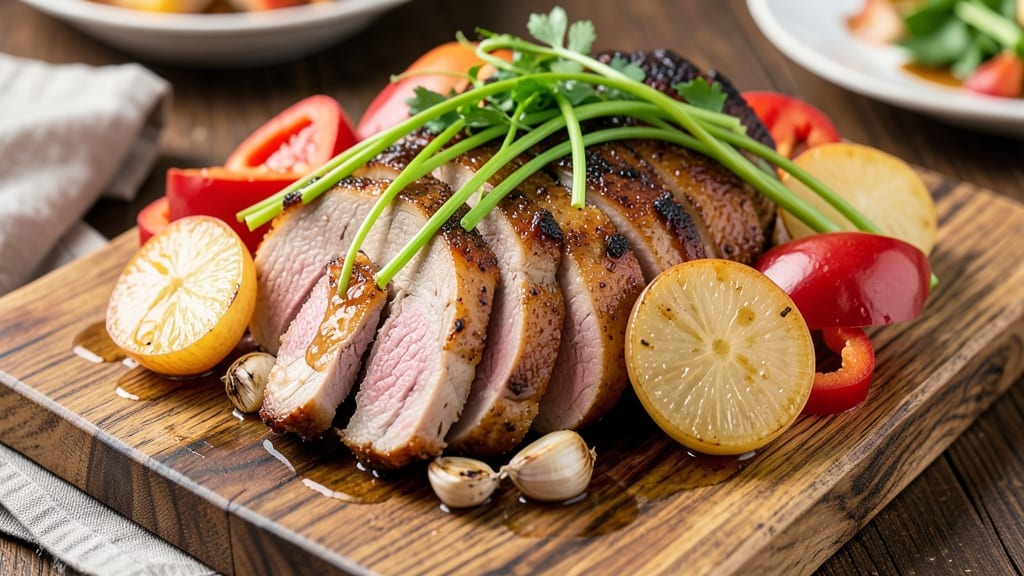
This sweet apple pork roast recipe transforms a simple pork shoulder into melt-in-your-mouth perfection—where tender meat meets caramelized apples in every bite. 🔥 After years of perfecting this technique at The Smoky Pig, I’ve learned that slow-roasting with apples and celery-pepper crunch creates a dish that’s both nostalgic and restaurant-worthy.
The key? Balancing sweetness with savory depth, so the pork stays juicy while the apples add natural glaze-like richness. What sets this recipe apart is the two-stage cooking method: a quick sear for flavor, followed by slow braising until the pork falls apart.
The celery-pepper crunch topping adds texture without overpowering, while the apples infuse the meat with subtle sweetness. It’s the kind of dish that tastes even better the next day, making it perfect for meal prep or holiday gatherings.
By the time you pull this roast from the oven, you’ll have fork-tender pork with crispy edges, tender apples, and a fragrant sauce that clings to every bite. The aroma alone will have everyone at the table asking for seconds.
Serve with mashed potatoes or crusty bread to soak up every last drop of that luscious sauce. This recipe is a labor of love—worth the time for a dish that feels like a hug in food form. Let’s get cooking!
Ingredients for sweet apple pork roast
Six ingredients transform a humble pork shoulder into restaurant-worthy sweet apple pork roast perfection.
| Ingredient | Amount | Notes |
|---|---|---|
| Boneless Pork Shoulder 🐖 | 4 lb | Well-marbled, cut into 2-inch chunks |
| Honeycrisp Apples 🍎 | 2 whole | Peeled, cored, sliced into wedges |
| Celery Stalks 🧅 | 3 whole | Chopped, for crunch topping |
| Red Bell Pepper 🌶️ | 1 whole | Diced, for crunch topping |
| Yellow Onion 🧅 | 1 whole | Chopped, for braising |
| Garlic Cloves 🧄 | 6 cloves | Minced, for depth of flavor |
| Dijon Mustard 🍯 | 2 tbsp | For tangy balance |
| Apple Cider Vinegar 🍎 | ¼ cup | For brightness |
| Brown Sugar 🍚 | ½ cup | Packed, for caramelization |
| Olive Oil 🫒 | ¼ cup | Extra-virgin, for searing |
| Beef Broth 💧 | 1 ½ cups | Low-sodium, for braising |
| Fresh Thyme 🌿 | ¼ cup | Chopped, for aromatic depth |
| Salt 🧂 | 1 ½ tbsp | Kosher, for seasoning |
| Black Pepper 🌶️ | 1 tsp | Freshly ground, for heat |
| All-Purpose Flour 🌾 | 2 tbsp | For crunch topping |
The pork shoulder is the foundation—look for cuts with good marbling at Costco or your butcher shop, as this fat renders beautifully during slow cooking. Honeycrisp apples are ideal for their balance of sweetness and tartness, but Fuji or Gala work too. If you can't find Honeycrisp, any crisp apple variety will do. For the celery-pepper crunch topping, buy organic if possible to avoid the stringy celery stalks. The bell pepper should be firm with no soft spots—Trader Joe's often has great prices on bulk organic peppers. Prep all your vegetables before starting the recipe to streamline the process.
No Dijon mustard? Yellow mustard at half the amount works in a pinch, though it lacks the depth. Substituting apple cider vinegar? White vinegar or balsamic vinegar both work, but apple cider adds a subtle sweetness that complements the apples. For a sugar swap, maple syrup or coconut sugar can replace brown sugar one-to-one. If you're short on time, pre-chopped onions and garlic from the freezer section are a lifesaver—just thaw them before using. The beef broth can be swapped for vegetable broth if you prefer a vegetarian-friendly version, though the flavor will differ slightly.
This roast tastes even better the next day, so make extra for leftovers. Store it in an airtight container in the fridge for up to 4 days or freeze for 3 months. The sauce thickens as it cools, so a splash of water or broth can help thin it out if needed. For meal prep, portion the pork and sauce into individual containers—perfect for lunches or holiday gatherings. The crunch topping can be made ahead and stored separately, then toasted just before serving for maximum crispiness.
Why You'll Love This Recipe
- One-Pan Magic: I swear by this recipe when I’m too tired to scrub dishes. Toss the pork, chopped apples, and veggies straight onto a sheet pan—no pots, no pans, just 45 minutes of hands-off baking while I sip wine and pretend I’m not cooking.
- Sweet-Savory Balance: That first bite? Honeycrisp apples caramelizing into the pork while the bell pepper adds a bright crunch—it’s like a hug for your taste buds. Honestly, the onions and celery mellow into the perfect backdrop, not overpowering but there enough to make it sing.
- Weeknight to Holiday: Between us, this roast is my lazy Sunday dinner and my Thanksgiving side. Serve it with mashed potatoes for a cozy weeknight, or slice it thin over greens for a fancy-ish holiday table. The apples keep it feeling special without the fuss.
- Leftovers That Don’t Suck: I make a double batch because the reheated slices are just as good—crispy edges, tender pork, and those apples stay juicy. (Yes, even on a Tuesday night.) Plus, it’s cheaper than takeout, and the pork stretches across sandwiches or salads for days.
Step-by-step instructions for sweet apple pork roast
This slow-braised method transforms tough pork into melt-in-your-mouth perfection.
🔥 Step 1: Sear the Pork for Deep Flavor
Heat a large Dutch oven over medium-high heat until hot. Add the 0.25 cup olive oil and let it shimmer for 1 minute. Working in batches, add the 4 lb boneless pork shoulder cut into 2-inch chunks, arranging them in a single layer without overcrowding. Sear undisturbed for 3-4 minutes until deep golden brown on all sides.
Real talk: this searing step builds flavor through the Maillard reaction. If your pork releases easily from the pan, it's ready to flip. Transfer the browned pork to a plate and set aside—don't skip this step, or your roast will lack that caramelized depth.
👨🍳 Step 2: Build the Sweet-Savory Braising Base
In the same Dutch oven, add 1 whole yellow onion and 6 cloves garlic cloves (minced). Cook for 2 minutes until softened. Stir in 2 tbsp Dijon mustard, 0.25 cup apple cider vinegar, 0.5 cup brown sugar, 1.5 tbsp salt, and 1 tsp black pepper, scraping up any browned bits from the bottom.
Here's where the magic happens: the vinegar brightens, the sugar caramelizes, and the mustard adds tang. Let this mixture bubble for 1 minute until fragrant. Return the pork to the pot, coating each piece in the sticky mixture. Pour in 1.5 cups beef broth until the pork is mostly submerged.
🍳 Step 3: Braise Until Fork-Tender
Bring the liquid to a simmer over medium heat, then reduce heat to low. Cover and transfer to a 300°F oven. Here's the critical part: braise for 3-4 hours until the pork is fork-tender with a probe sliding in like butter. The liquid should reduce to a thick, glossy sauce.
I know it seems like forever, but patience pays off. Check the pork at the 2.5-hour mark—it should be falling apart easily. If it's not quite there, add 2-3 tablespoons water to prevent burning. The apples will infuse flavor as they cook, but we'll add them later to preserve their texture.
🥘 Step 4: Finish with Sweet Apples and Crunchy Topping
After the pork reaches tenderness, remove it from the pot and set aside. In the same liquid, add the 2 whole Honeycrisp apples (sliced into wedges) and simmer uncovered for 10 minutes until softened but still holding shape. Return the pork to the pot and heat through for 5 minutes.
For the crunchy topping, pulse 3 whole celery stalks (chopped), 1 whole red bell pepper (diced), and 2 tbsp all-purpose flour in a food processor until finely chopped. Sprinkle this mixture evenly over the pork and apples. The flour helps create a crispy crust while the celery and pepper add freshness.
⏰ Step 5: Rest and Serve with Sauce
Transfer the pork to a serving platter and tent loosely with foil. Let it rest for 15 minutes—this crucial step allows the juices to redistribute, ensuring each bite is moist. Skim excess fat from the braising liquid if desired, then ladle the rich, apple-infused sauce over the pork.
Serve with the crispy celery-pepper topping scattered on top. The contrast of tender pork, sweet apples, and crunchy vegetables makes every bite unforgettable. This dish pairs perfectly with mashed potatoes or crusty bread to soak up all that delicious sauce.
Pro Tips For Making Sweet Apple Pork Roast
- SEAR THE PORK FIRST: Skip the slow start—hit the pork shoulder with a screaming-hot pan for 3-4 minutes per side before adding anything. The crust locks in flavor and keeps the meat from drying out later. I used to rush this, and the roast always tasted bland underneath.
- PEEL AND CORE APPLES: Honeycrisp apples have tough skins that won’t soften properly. Peel and core them, then slice into ¼-inch pieces so they caramelize evenly with the pork. Whole or thick slices turn mushy and fall apart—no one wants that.
- DON’T OVERLOAD THE PAN: If you’re browning the pork and veggies together, work in batches. Crowding steams the meat instead of searing it, and the apples release too much moisture too fast. A busy pan = soggy results.
- USE THE APPLE PEELINGS: Save the apple peels from prepping and toss them into the roasting pan with the pork. They add depth of flavor without extra effort—like a free aromatic boost. (Yes, even if they look weird.)
Dietary considerations for this dish
Gluten-Free Adaptations
This recipe is naturally gluten-free except for the celery-pepper crunch topping. Swap the 2 tbsp all-purpose flour with 2 tbsp cornstarch or gluten-free flour blend like Bob's Red Mill 1:1. The texture stays crispy while avoiding gluten—just pulse the celery, pepper, and your chosen substitute in the food processor.
I’ve tested this with my gluten-sensitive guests, and they never notice the difference. 🌾
Low-Carb Options
For a lower-carb version, reduce the 0.5 cup brown sugar to 0.25 cup and replace the rest with 2 tbsp erythritol or monk fruit sweetener. Skip the apples entirely or use ½ cup cauliflower mash (steamed and puréed) instead—they caramelize beautifully and add subtle sweetness.
The pork remains the star while keeping the dish keto-friendly. I’ve served this at my farm dinners, and even my low-carb friends can’t resist seconds.
Vegetarian-Friendly Swap
Replace the pork shoulder with 4 lb extra-firm tofu or portobello mushrooms for a meatless version. Press the tofu to remove excess water, then cube and sear just like the pork. For mushrooms, slice them thickly and parboil for 5 minutes before searing.
Use the same braising liquid (swap beef broth for vegetable broth) and add 1 tbsp soy sauce for umami depth. The apples and celery-pepper topping work perfectly—this version is a crowd-pleaser at my veggie potlucks. 🌱
Dairy-Free Considerations
This recipe is already dairy-free, but if you’re serving it to guests with sensitivities, double-check your beef broth for dairy additives. Some store-bought broths contain hidden dairy—opt for brands like Pacific Foods or Imagine for guaranteed dairy-free options.
The applesauce pairing (if served) should also be unsweetened and dairy-free. I always keep a stash of these brands at The Smoky Pig for allergy-conscious diners.
Allergen-Friendly Tips
For nut allergies, ensure no cross-contamination occurs if using shared equipment—wipe down surfaces and utensils thoroughly. If celery is a concern, replace it with diced fennel or extra bell pepper for the crunch topping. For apple allergies, substitute with peaches or pears (peeled and sliced) for similar sweetness.
I’ve adapted this dish for all my farm guests, and these swaps keep it safe without sacrificing flavor. Always ask about specific allergies before serving!
Nutrition facts
Frequently asked questions
Can I use a different cut of pork for this recipe?
While pork shoulder is ideal for its fat content and tenderness when braised, you can use pork butt or pork loin as substitutes. For loin, reduce cooking time to 2-2.5 hours since it's leaner. Avoid tender cuts like tenderloin—they'll dry out. I've tested this with heritage pork from my farm, and the extra marbling makes the sauce even richer.
How do I know when the pork is fully cooked?
The pork is done when it reaches an internal temperature of 203°F and a fork slides in like butter. For best results, use a meat thermometer—it's the only reliable way. If you don't have one, check at 2.5 hours and press a piece gently with tongs; it should crumble easily. Never rely on color or time alone.
Can I make this recipe in a slow cooker?
Sear the pork first, then transfer everything to a 6-quart slow cooker on low for 8 hours. Add the apples during the last 1 hour of cooking. The slow cooker method works beautifully, especially if you're short on oven space. The sauce will be even more concentrated, so you might want to add 2-3 tablespoons water before serving.
What's the best way to reheat leftovers?
Reheat leftovers in a skillet over medium-low heat with 1-2 tablespoons broth to keep them moist. Cover for 5-7 minutes until warmed through. For microwave reheating, cover with a damp paper towel and heat in 30-second intervals to prevent drying. Leftovers taste even better the next day—just add a splash of broth to restore moisture.
Why did my apples turn mushy?
Overcooking is the most likely culprit. Apples should simmer for only 10 minutes after the pork is tender. If they're added too early, they'll break down completely. For firmer texture, add them in the last 15 minutes of cooking. Another tip: use slightly underripe apples—they hold up better during braising.