
Sauces & Condiments
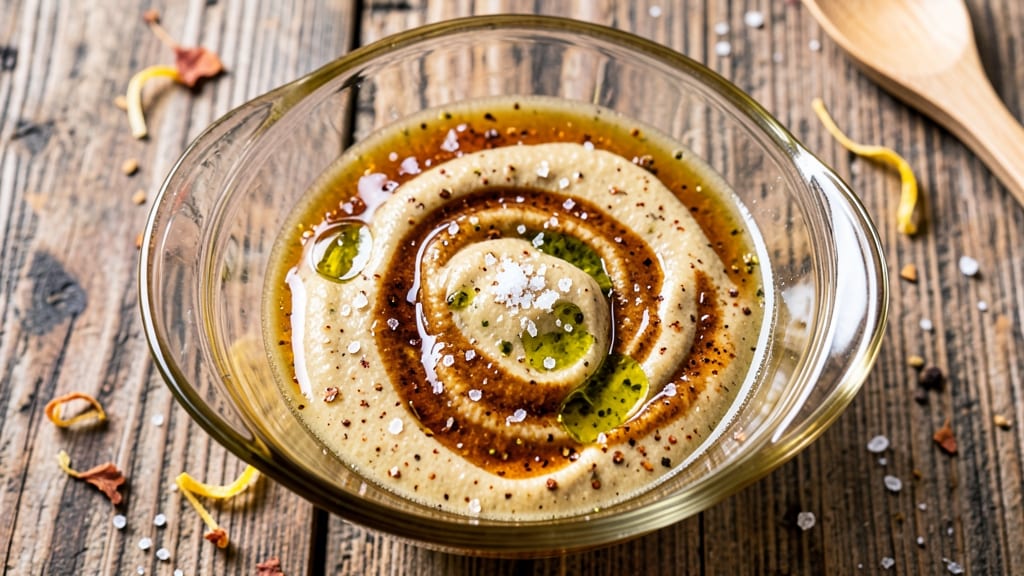
This zesty apple cider vinaigrette dressing recipe transforms ordinary salads into vibrant, tangy masterpieces with just five simple ingredients. The secret lies in balancing apple cider vinegar’s bright acidity with sweet apple cider and a touch of Dijon mustard, creating a dressing that’s bold yet refined.
Perfect for autumn harvests or any time you crave a dressing with depth and complexity, this recipe delivers restaurant-quality flavor in minutes. What sets this vinaigrette apart is its versatility—it elevates everything from crisp green salads to roasted vegetables and even dips for crusty bread.
The key to success is emulsifying the dressing properly, ensuring the oil and vinegar blend seamlessly for a silky, clingy texture. No special equipment is needed, just a whisk or jar and a few minutes of your time.
Once mixed, this dressing stays fresh in the refrigerator for up to a week, making it ideal for meal prep. The apple cider base adds a subtle sweetness that pairs beautifully with sharp cheeses, nuts, and fresh herbs.
Whether you’re dressing a hearty fall salad or drizzling it over roasted Brussels sprouts, the tangy zing will leave everyone asking for the recipe. For extra flair, stir in fresh thyme or rosemary just before serving, or adjust the sweetness by adding a touch more apple cider if desired.
This dressing is the perfect balance of simplicity and sophistication, proving that even the smallest details can make the biggest difference in your meals.
Ingredients for zesty apple cider vinaigrette dressing
Five simple ingredients create a dressing that transforms salads into vibrant, restaurant-quality meals.
| Ingredient | Amount | Notes |
|---|---|---|
| Apple Cider Vinegar 🍏 | ½ cup | Raw, unfiltered preferred |
| Apple Cider 🍎 | ¼ cup | Sweet, not spiced |
| Dijon Mustard 🌿 | 1 tbsp | High-quality, smooth variety |
| Extra-Virgin Olive Oil 🫒 | ¾ cup | Light, fruity flavor |
| Granulated Sugar 🍚 | 1 tbsp | White or raw cane |
| Kosher Salt 🧂 | ½ tsp | Fine grain preferred |
| Fresh Thyme Leaves 🌿 | ¼ tsp | Optional, for garnish |
Apple cider vinegar is the heart of this dressing—raw, unfiltered adds depth and complexity. Local orchard brands or Bragg are solid choices, but any quality vinegar works. The apple cider should be sweet, not spiced—Mott's or Tree Top are reliable. For the Dijon mustard, Grey Poupon is the gold standard, but any smooth variety will do. The sugar balances the acidity, so don’t skip it—raw cane sugar adds a subtle caramel note if you want to splurge.
No apple cider vinegar? White wine vinegar or lemon juice works in a pinch, but the flavor will be different. Short on apple cider? Extra honey or maple syrup can replace it, though the texture will be slightly thicker. The olive oil is non-negotiable—avoid heavily flavored oils like infused varieties. For extra zing, add a pinch of red pepper flakes or a splash of orange juice if you’re feeling adventurous. The thyme is optional but adds a lovely herbal note—dried works at one-third the amount.
This dressing keeps beautifully in the fridge for up to 1 week in an airtight jar. Shake well before each use, as the oil and vinegar will separate. For longer storage, freeze in ice cube trays—just thaw and shake to use. The flavor actually improves over time, so make a big batch and enjoy it all week. If it gets too thick, thin with a splash of water or extra vinegar. Perfect for meal prep—just grab and go!
Why You'll Love This Recipe
- I’ll be real: this isn’t just for greens. Toss it with roasted Brussels sprouts, drizzle it over grilled chicken, or even use it as a marinade. The acidity cuts through richness, and the apple notes make it feel like a celebration—even on a Tuesday night.
- Here’s what sold me: make a double batch, and you’ve got dressing for the week. The flavors actually improve as it sits—deeper, smoother, and still bright. Plus, it’s cheaper than buying pre-made, and you control the sweetness (or lack thereof). Win-win.
Step-by-step instructions for zesty apple cider vinaigrette dressing
This bright, tangy dressing comes together in minutes with simple technique.
Whisk Together Vinegar, Apple Cider, and Mustard
In a medium bowl, combine the 0.5 cup apple cider vinegar and 0.25 cup apple cider. I like to measure the vinegar first—its sharp acidity sets the foundation for the dressing. Add the 1 tablespoon Dijon mustard and whisk vigorously until fully incorporated. The mustard helps emulsify the oil later, preventing separation.
Taste the mixture at this stage—you should notice a sharp, slightly sweet tang from the apple cider. If it's too tart for your preference, add the 1 tablespoon granulated sugar now and whisk again. The sugar will mellow the acidity while adding subtle caramel notes that complement the apple flavors.
Gradually Incorporate Olive Oil
With the whisk moving continuously, slowly drizzle in the 0.75 cup extra-virgin olive oil. Start with just a few tablespoons at a time—this gradual addition is key to creating a stable emulsion. The oil should blend smoothly without breaking into separate droplets.
If the mixture begins to curdle or separate, simply add 1 teaspoon of water and whisk vigorously. The goal is a silky, glossy consistency where the oil and vinegar are fully combined. This step typically takes about 2-3 minutes of steady whisking—patience here ensures your dressing stays creamy.
Season and Finish with Thyme
Add the 0.5 teaspoon kosher salt and 0.25 teaspoon fresh thyme leaves (if using). The thyme adds an earthy herbal note that pairs beautifully with the apple flavors. Give everything one final whisk to distribute the seasoning evenly.
Taste again and adjust seasoning if needed—most people find this dressing perfectly balanced, but you might want to add a pinch more salt or sugar depending on your preference. The dressing should coat the back of a spoon with a smooth, velvety texture.
Rest and Serve
Cover the bowl with plastic wrap and let the dressing rest at room temperature for at least 10 minutes before using. This resting period allows the flavors to meld completely. The dressing will thicken slightly as it sits, which is ideal for tossing with salads or drizzling over roasted vegetables.
Store any leftovers in an airtight container in the refrigerator for up to 1 week. Before using, give it a good stir—sometimes dressings separate slightly when refrigerated. If needed, whisk in 1 teaspoon of water to restore the original consistency. This dressing works beautifully on mixed greens, roasted Brussels sprouts, or as a dip for crusty bread.
Pro Tips For Making Zesty Apple Cider Vinaigrette Dressing
- Whisk in stages: Start by mixing the vinegar, cider, mustard, and sugar—then slowly drizzle in the olive oil while whisking continuously. The oil’s thickness can overwhelm the acidity if you dump it all at once, and you’ll end up with a clumpy mess instead of a silky emulsion.
- Use room-temp cider: Cold apple cider makes the dressing separate faster. Let it sit out for 10 minutes before measuring—it blends smoother and the flavors meld better right away. (Yes, even if you’re impatient like me.)
- Skip the sugar shortcut: Granulated sugar dissolves unevenly in cold liquids, leaving gritty bits. Warm the cider and vinegar together for 20 seconds in the microwave first—just enough to wake up the sugar. Trust me, your teeth will thank you later.
- Measure oil last: The mustard and vinegar combo can turn bitter if left sitting too long. Add the olive oil as the final step, then taste immediately—adjust acidity or sweetness before it sits and mellows. (Your salad’s flavor depends on this.)
Dietary considerations for zesty apple cider vinaigrette dressing
Gluten-Free Friendly
This vinaigrette is naturally gluten-free since it only contains apple cider vinegar, apple cider, Dijon mustard, olive oil, sugar, and salt—no wheat-based ingredients. I always double-check the Dijon mustard label to ensure it’s gluten-free, as some brands add thickeners containing gluten.
For extra peace of mind, I recommend Annie’s or Maille Dijon mustards, both of which are certified gluten-free. 🌾
Low-Sugar Adaptations
If you're watching your sugar intake, you can reduce the granulated sugar to ½ tablespoon or swap it entirely for 1 teaspoon of honey or maple syrup. The apple cider already provides natural sweetness, so the dressing will still taste balanced.
For a sugar-free version, omit the sugar entirely and increase the apple cider to 0.3 cup to compensate for the missing sweetness.
Vegan and Dairy-Free
This recipe is already vegan and dairy-free, making it perfect for plant-based diets. The dressing relies on plant-based ingredients like apple cider vinegar, apple cider, Dijon mustard (ensure it’s vegan), and olive oil.
For added richness, you could stir in 1 tablespoon of tahini or 1 teaspoon of nutritional yeast for a nutty, umami depth. Always check your mustard label to confirm it’s vegan-friendly.
Nut-Free Options
While this dressing doesn’t contain nuts, it’s often served with nut-based toppings like walnuts or pecans. If you're avoiding nuts entirely, try toasting pumpkin seeds or sunflower seeds as a crunchy alternative.
These seeds add texture without the risk of cross-contamination. For extra flavor, sprinkle them with a pinch of smoked paprika before toasting.
Allergen Awareness
If you're serving this dressing to guests with allergies, be mindful of potential cross-contamination. Use separate utensils and storage containers to avoid mixing with allergens like nuts, dairy, or gluten-containing ingredients.
For those with mustard allergies, omit the Dijon mustard and replace it with 1 teaspoon of apple cider vinegar or 1 teaspoon of lemon juice to help emulsify the oil. Always label your dressing clearly if sharing with others.
Nutrition facts
Frequently asked questions
Can I use this dressing on non-salad dishes?
This apple cider vinaigrette shines on roasted vegetables, grilled chicken, or even as a marinade for pork tenderloin. The tangy sweetness pairs beautifully with hearty fall flavors like Brussels sprouts, sweet potatoes, or roasted squash. Just drizzle it lightly over dishes to avoid overwhelming the flavors.
Why did my dressing separate after refrigerating?
Dressings naturally separate when refrigerated due to oil and vinegar density differences. Simply whisk in 1 teaspoon of water or apple cider vinegar to restore the emulsion. For prevention, store in a tightly sealed jar and shake well before each use. The resting time before serving (at least 10 minutes) also helps maintain consistency.
How can I make this dressing spicier?
Add ½ teaspoon of red pepper flakes or 1 teaspoon of hot sauce while whisking the ingredients. For a smoky kick, stir in ¼ teaspoon of smoked paprika. Start with small amounts—you can always add more, but removing heat is tricky! The apple cider base already has subtle warmth, so these additions will enhance rather than overpower.
What's the best way to store leftovers?
Transfer to an airtight container and refrigerate for up to 1 week. For longer storage, freeze in ice cube trays—thaw and shake to use. The dressing actually improves in flavor over time! If it thickens too much, thin with 1 teaspoon of water or extra vinegar. Always shake well before using to redistribute the oil.
Can I substitute apple cider vinegar with another vinegar?
White wine vinegar works in a pinch, but the flavor will be different—more subtle and less fruity. For a similar profile, try rice vinegar (add ½ teaspoon of lemon juice for brightness). Avoid balsamic or apple cider vinegar substitutes with added sugars, as they'll alter the balance. The key is maintaining the 1:2 vinegar-to-oil ratio for proper emulsification.