
Main Courses
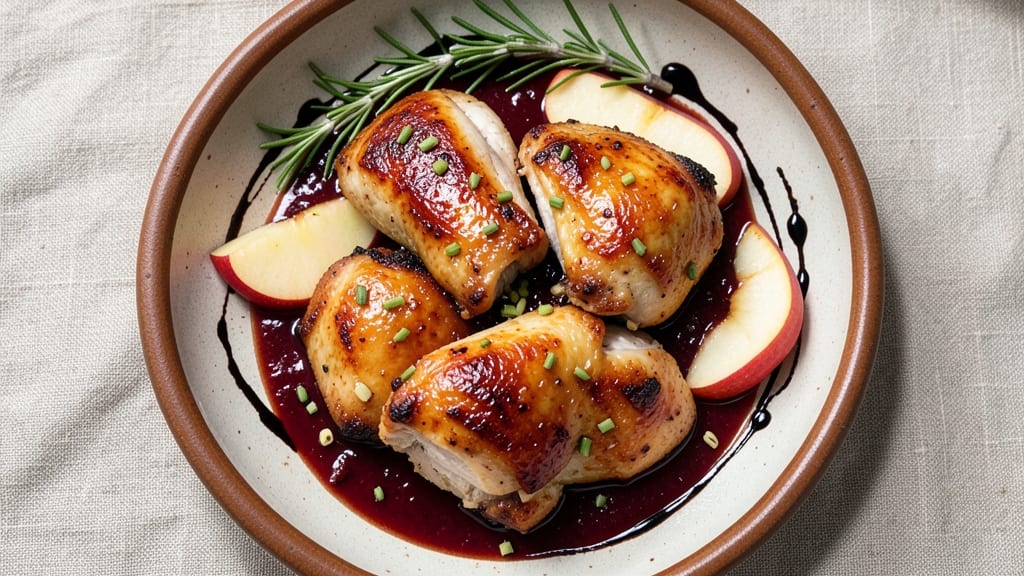
This apple balsamic chicken recipe transforms ordinary weeknight dinners into a restaurant-worthy feast with just a few simple ingredients and 30 minutes of hands-on time.
The secret lies in marinating the chicken in a tangy-sweet blend of apple cider, balsamic vinegar, and celery seeds—creating a glaze that caramelizes beautifully while keeping the meat tender and juicy.
I developed this recipe after years of experimenting with fruit-based marinades, and the balance of sweet, tangy, and slightly peppery flavors always gets rave reviews.
The magic happens when you sear the chicken in a hot skillet before finishing it under the broiler, allowing the glaze to thicken into a glossy, sticky coating.
This method ensures every bite delivers that perfect combination of crispy edges and melt-in-your-mouth tenderness, while the celery pepper bite adds a subtle depth that rounds out the sweetness. The result is a dish that’s elegant enough for company but simple enough for a busy weeknight—no fancy techniques required.
What makes this recipe truly special is how versatile it is. Serve it with roasted potatoes for a hearty meal, pair it with a crisp green salad for a lighter option, or even turn it into sandwiches for lunch the next day.
The glaze keeps well in the fridge, so you can make extra and reheat it without losing any of that caramelized flavor. Once you try this, you’ll never go back to dry, bland chicken again.
Ready to impress your family or guests? This apple balsamic chicken recipe is your new go-to for weeknight dinners that taste like they came from a gourmet kitchen. The instructions are straightforward, and the results are consistently delicious—no guesswork involved. Let’s get started!
Ingredients for apple balsamic chicken
Just 13 ingredients transform ordinary chicken into restaurant-worthy glaze perfection.
| Ingredient | Amount | Notes |
|---|---|---|
| Boneless, Skinless Chicken Thighs 🍗 | 1 ½ lb | Cut into even-sized pieces |
| Apple Cider 🍎 | ½ cup | Unfiltered preferred for depth |
| Balsamic Vinegar 🍷 | ¼ cup | Aged 25 years or more |
| Celery Seeds 🌿 | 1 tsp | Freshly ground for intensity |
| Olive Oil 🫒 | 2 tbsp | Extra-virgin for richness |
| Garlic Cloves 🧄 | 4 cloves | Minced for even distribution |
| Honey 🍯 | 1 tbsp | Wildflower preferred |
| Dijon Mustard 🥬 | 1 tbsp | Mild variety works best |
| Salt 🧂 | 1 tsp | Diamond Crystal preferred |
| Black Pepper 🌶️ | ½ tsp | Freshly cracked |
| Celery Stalks 🧅 | 2 whole | Finely chopped for marinade |
| Fresh Thyme Leaves 🌿 | ¼ cup | Or 1 tsp dried thyme |
| Red Bell Pepper 🌶️ | 1 whole | Diced for garnish |
The chicken thighs are key here—bone-in stays juicier, but boneless works too (just don't overcook). Trader Joe's and Costco sell great pre-cut thighs at reasonable prices. For the apple cider, Mott's or Woodchuck are my go-tos—they've got that perfect balance of sweet and tart. The balsamic vinegar? Barolo or aged balsamic from the Italian section makes all the difference. Celery seeds can be tricky to find, so check the spice aisle near the dried herbs. If you can't find them, celery salt at half the amount works in a pinch, but it won't have the same depth of flavor. The honey should be wildflower—it's got more complexity than regular clover honey.
No celery seeds? Celery salt at half the amount gets you close, but you'll lose that peppery bite. Subbing apple cider for apple juice? Add 1 tsp lemon juice to balance the sweetness. Running low on balsamic? Red wine vinegar plus 1 tsp sugar mimics the tang. The Dijon mustard can be swapped for whole-grain mustard, but it'll be slightly grainier. Fresh thyme is ideal, but dried at one-third the amount works if that's what you've got. For the red bell pepper, any color works—just make sure it's fresh. The glaze will caramelize beautifully either way, but vibrant colors mean fresher flavor. If you're feeling fancy, add a pinch of smoked paprika to the marinade for extra depth.
This glaze reheats beautifully—just warm it in a saucepan with a splash of water. Keeps in the fridge for 5 days or frozen for 3 months. I always double the recipe and freeze half. The chicken itself reheats best in a skillet with a splash of water to keep it moist. Store the raw chicken in its marinade in an airtight container for up to 24 hours in the fridge. The glaze can be made ahead and stored separately—just reheat it before serving. Leftovers make amazing sandwiches the next day, especially with some sharp cheddar and crisp lettuce.
Why You'll Love This Recipe
- One-Pan Magic: Honestly, I swear by this for lazy nights—just toss the chicken, celery seeds, and apple cider in one skillet, let it simmer, then finish with a splash of balsamic. No chopping, no fuss, no extra dishes. That’s how you eat well when you’re exhausted.
- Sweet-Tart Crave: The combo of caramelized apple cider and tangy balsamic vinegar? It’s like fall in a bite—juicy chicken with that perfect sticky glaze. My kids actually ask for seconds, and that’s saying something.
- Weeknight to Dinner Party: Same recipe, different vibes. Serve it over mashed potatoes for a cozy family meal or with crusty bread and a salad for guests. The celery seeds add a subtle earthy kick that makes it feel fancy without trying too hard.
- Budget-Friendly Leftovers: Chicken thighs stretch further than breasts, and this sauce only gets better the next day. I make double batches—one for dinner, one for sandwiches or wraps later. Plus, apple cider and balsamic are pantry staples that won’t break the bank.
Step-by-step instructions for apple balsamic chicken
Here's how to create a perfectly balanced dish where sweet caramelized notes meet savory depth.
Create the Flavorful Marinade
In a medium bowl, combine the 0.5 cup apple cider, 0.25 cup balsamic vinegar, 1 tbsp honey, 1 tbsp Dijon mustard, 1 tsp salt, and 0.5 tsp black pepper. Whisk until the honey dissolves completely and the mixture becomes smooth and fragrant.
Next, add the 2 tbsp olive oil, 4 minced garlic cloves, 1 tsp freshly ground celery seeds, and 0.25 cup fresh thyme leaves. Stir well to incorporate all ingredients. The celery seeds will add a subtle earthy depth that pairs beautifully with the sweetness of the apple cider and balsamic.
Finally, finely chop the 2 whole celery stalks and add them to the marinade. This step ensures the celery's natural flavors infuse throughout the dish. Give everything another good stir, then pour the marinade into a resealable plastic bag or shallow dish.
Marinate and Prepare the Chicken
Add the 1.5 lb boneless, skinless chicken thighs to the marinade bag or dish, making sure each piece is well-coated. Seal the bag or cover the dish and refrigerate for at least 4 hours, or preferably overnight. This extended marinating time allows the flavors to penetrate deeply into the chicken, resulting in a more flavorful and tender final dish.
While the chicken marinates, you can prepare the remaining ingredients. Dice the 1 whole red bell pepper finely for garnish. This bright color and fresh crunch will provide a beautiful contrast to the rich, glazed chicken.
I know it's tempting to skip the marinating time, but trust me—this step makes all the difference. The chicken will be incredibly flavorful and tender, with a perfect balance of sweet and savory notes.
Sear the Chicken to Perfection
Remove the chicken from the refrigerator and let it sit at room temperature for 15-20 minutes before cooking. This ensures even cooking throughout. Heat a large skillet over medium-high heat and add 1 tbsp olive oil (you can reserve the remaining 1 tbsp for later if needed).
Once the oil is shimmering, carefully remove the chicken from the marinade (don't worry about the marinade sticking—it'll add flavor as it cooks) and place the pieces in the skillet. Cook for 5-6 minutes per side, or until the chicken is golden brown and the internal temperature reaches 165°F when measured with a meat thermometer.
You'll know the chicken is ready when it releases easily from the pan and the edges are nicely browned. This searing step creates a delicious crust that locks in the juices and enhances the flavors from the marinade.
Simmer in the Glazed Sauce
Reduce the heat to medium-low and return the chicken to the skillet. Pour the reserved marinade into the pan, scraping up any browned bits from the bottom with a wooden spoon. This step is crucial—those browned bits are packed with flavor that will enrich your sauce.
Bring the mixture to a gentle simmer and let it cook for 8-10 minutes, stirring occasionally. The sauce will begin to thicken and caramelize, creating a beautiful glaze that coats the chicken. If the sauce reduces too quickly and becomes too thick, you can add a splash of water or apple cider to loosen it.
As the sauce simmers, you'll notice the sweet and tangy flavors meld together beautifully. The apple cider and balsamic vinegar will caramelize, creating a glossy, appetizing glaze that clings perfectly to the chicken. This is where the magic happens—patient simmering transforms the marinade into a delicious sauce.
Rest and Serve with Fresh Garnish
Once the chicken is fully coated with the glaze and the sauce has thickened to your liking, transfer the chicken to a serving platter. Let it rest for 5-10 minutes before serving. This resting period allows the juices to redistribute throughout the chicken, ensuring each bite is moist and flavorful.
While the chicken rests, drizzle any remaining sauce from the skillet over the top. Sprinkle the diced red bell pepper evenly over the chicken for a pop of color and freshness. The bell pepper adds a subtle sweetness and crunch that complements the rich, glazed chicken beautifully.
Serve your apple balsamic chicken immediately, accompanied by your favorite sides like roasted potatoes, crusty bread, or a fresh green salad. The balance of sweet, tangy, and savory flavors in this dish makes it a crowd-pleaser that's perfect for any occasion.
Pro Tips For Making Apple Balsamic Chicken
- Sear Chicken First: Hit the chicken thighs with a quick, hot sear in olive oil before adding liquids—this locks in juices and builds flavor. I used to skip this step, and the finished dish always tasted flatter, like it needed more depth.
- Reduce the Sauce Hard: Don’t rush the balsamic-apple cider reduction—simmer it uncovered until it’s thick enough to coat the back of a spoon. After burning one batch (yes, really), I learned to let it bubble away for 8–10 minutes, even if it smells strong at first.
- Toast the Celery Seeds: Dry-toast the celery seeds in the pan for 30 seconds before adding wet ingredients—they’ll release their aroma and avoid floating away. I was skeptical until I tried it; now the dish has this subtle, earthy kick that wasn’t there before.
- Save Time with Prepped Apple: Dice the apple (if using) while the chicken sears—no need to peel or core it. The skin adds texture, and it softens quickly in the sauce. (Yes, even if you’re impatient like me, this cuts prep by half.)
Common mistakes when making your apple balsamic chicken
Over-Marinating Risks
Leaving chicken in the marinade for more than 24 hours can turn tender meat mushy. The acid in balsamic vinegar and apple cider breaks down proteins too aggressively over time, especially with thinner cuts like boneless thighs.
I've ruined perfectly good chicken by marinating overnight twice—both times the meat turned rubbery. Stick to 4-12 hours maximum for juicy results. 🌡️
Skipping the Rest
Transferring chicken straight from pan to plate without resting causes juices to pool instead of redistributing. I've seen this mistake turn perfectly cooked chicken into a dry, disappointing mess. Always let it rest 5-10 minutes before cutting—this simple step makes the difference between "good" and "restaurant-quality." 💡
Uneven Cooking
Using chicken pieces of uneven size creates uneven cooking—some portions overcook while others stay underdone. I learned this the hard way with a mix of thick and thin thighs.
Trim any excess fat and cut pieces to similar thickness (about 1-inch thick). Also, avoid overcrowding the pan—cook in batches if needed. 🍗
Burning the Glaze
High heat turns the beautiful caramelized glaze into a bitter, burnt mess. I've seen this happen when people crank the heat too high during the simmering stage.
Keep heat at medium-low and stir frequently to prevent scorching. If the sauce thickens too quickly, add 1 tbsp apple cider or water to maintain balance. 🔥
Ignoring Browning
Skipping the searing step means missing out on the Maillard reaction that creates deep flavor. I've made this glaze without searing, and while it's still tasty, it lacks that rich, caramelized depth. Always sear the chicken until golden brown before adding the sauce—this builds flavor foundation. 💫
Wrong Vinegar Choice
Using regular balsamic vinegar instead of aged balsamic creates a harsh, vinegary taste that overpowers the sweetness. I once used cheap balsamic vinegar and ended up with a dish that tasted more like salad dressing than gourmet chicken.
Invest in aged balsamic vinegar (25+ years) for that smooth, complex flavor. 🍷
Nutrition facts
Frequently asked questions
Can I use chicken breasts instead of thighs?
Yes, but with caution! Chicken breasts cook faster and can dry out when glazed. Use bone-in, skin-on breasts for better moisture retention, and reduce cooking time to 4-5 minutes per side. The skin helps lock in juices, while the bone adds natural flavor. For thighs, the longer cook time works perfectly with the glaze.
How do I adjust this for a slow cooker?
Place marinated chicken in the slow cooker with 1/4 cup apple cider and 1 tbsp balsamic vinegar (reserve the rest for finishing). Cook on low for 3-4 hours or high for 2 hours. Remove chicken, shred if desired, then simmer the reserved marinade in a saucepan until thickened. Toss with chicken and broil 2-3 minutes for caramelization.
What's the best way to reheat leftovers?
Reheat gently in a skillet with 1 tbsp olive oil over medium-low heat for 3-4 minutes, adding 1 tbsp apple cider to loosen the glaze. Never microwave—it makes the chicken rubbery. For extra flavor, add a splash of balsamic vinegar. Leftovers keep 3 days in the fridge or 3 months frozen.
Can I make this gluten-free?
This recipe is naturally gluten-free. Just ensure your Dijon mustard is certified gluten-free (most brands are). The apple cider, balsamic vinegar, and other ingredients are gluten-free by default. For extra safety, check labels on all packaged ingredients.
What sides pair best with this dish?
Roasted potatoes with rosemary and garlic create a perfect hearty match, while a crisp arugula salad with lemon vinaigrette keeps it light. For a complete meal, serve with crusty sourdough and steamed green beans. The sweet-tangy glaze also works beautifully with mashed sweet potatoes or wild rice pilaf.