
Salads
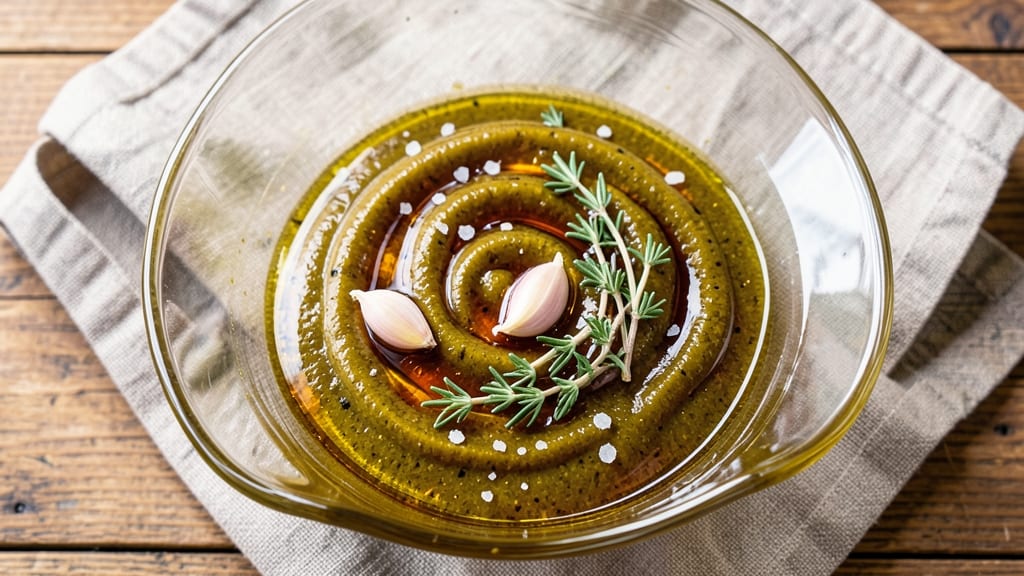
This apple cider vinegar and oil salad dressing recipe transforms simple ingredients into a bright, tangy elixir that elevates every salad, roasted vegetable, or grilled protein.
The secret lies in balancing sharp apple cider vinegar with rich olive oil, creating a dressing that’s bold yet versatile—perfect for those who crave flavor without complexity. No emulsifiers or fancy techniques required; just a whisk and a few pantry staples.
The beauty of this dressing is its adaptability. Start with a 3:1 oil-to-vinegar ratio (like 3 parts extra-virgin olive oil to 1 part apple cider vinegar) for a mild tang, then customize with garlic, Dijon mustard, or fresh herbs like thyme or parsley.
The result? A dressing that’s vegan-friendly, shelf-stable for weeks, and effortlessly transforms simple greens into a restaurant-worthy meal.
What sets this recipe apart is its dual-purpose magic—use it as a salad dressing, a marinade for grilled chicken or tofu, or even a finishing drizzle for roasted Brussels sprouts.
The acidity cuts through richness, while the oil adds silkiness, making it a go-to for both health-conscious eaters and home cooks who value simplicity. No overpowering flavors here—just clean, bright, herbaceous freshness.
Ready in under 5 minutes, this dressing proves that the best recipes often require the least effort. Store it in a sealed jar in the fridge for up to 2 weeks, or keep a bottle on your desk for quick flavor boosts.
Whether you’re prepping for a week of lunches or craving a last-minute salad upgrade, this dressing delivers restaurant-quality results with zero fuss.
Ingredients for apple cider vinegar and oil salad dressing
Nine pantry staples transform into a dressing with restaurant-quality depth and versatility.
| Ingredient | Amount | Notes |
|---|---|---|
| Extra-Virgin Olive Oil 🫒 | ¾ cup | High-quality, fruity, cold-pressed |
| Apple Cider Vinegar 🍎 | ¼ cup | Raw, unfiltered preferred |
| Dijon Mustard 🌶️ | 1 tbsp | Mild or strong, to taste |
| Fresh Garlic Cloves 🧄 | 2 cloves | Minced or finely grated |
| Fresh Thyme Leaves 🌿 | ¼ cup | Chopped, stems removed |
| Sea Salt 🧂 | ½ tsp | Diamond Crystal preferred |
| Freshly Ground Black Pepper 🌶️ | ¼ tsp | Freshly cracked preferred |
| Maple Syrup 🍁 | 1 tbsp | Grade B for depth of flavor |
| Fresh Parsley Leaves 🌿 | ¼ cup | Chopped, for garnish |
The olive oil is the foundation—look for extra-virgin with a robust peppery finish from brands like California Olive Ranch or Otto. Apple cider vinegar should be raw and unfiltered, like Bragg or Zephyr Hill, for that authentic tang. Fresh herbs are non-negotiable; Trader Joe's or local farmers markets offer the brightest thyme and parsley. For garlic, organic cloves with tight skins ensure maximum flavor retention. The Dijon mustard adds complexity—Maille or Grey Poupon are reliable choices, though any quality brand works.
No extra-virgin olive oil? Avocado oil or walnut oil work in a pinch, though flavor will differ slightly. Substitute apple cider vinegar with white wine vinegar or lemon juice, but reduce to 2 tablespoons for a milder acidity. Fresh herbs unavailable? Dried thyme or parsley at one-third the amount suffices, though texture will vary. For a sweeter profile, swap maple syrup with agave nectar or date syrup. The garlic can be roasted for a mellow sweetness if preferred, though raw delivers the sharpest punch.
Store in a clean, airtight glass jar in the refrigerator for up to 2 weeks, shaking well before each use. For longer shelf life, transfer to a sterilized bottle and preserve with an additional 1 tablespoon of vinegar per 1 cup of dressing, extending freshness to 3-4 months. Portion into small jars for convenience—perfect for desk-side flavor boosts or meal prep. Freezing isn’t recommended due to oil separation, but the dressing reheats beautifully if stored properly.
Why You'll Love This Recipe
- No-Fuss Whisking: I swear by this dressing because it’s literally 5 minutes of stirring—no blender, no fancy tools. Just dump the olive oil, vinegar, Dijon, minced garlic, and thyme into a jar, seal it, and give it a shake. Honestly, my lazy Sundays thank me every time.
- Tangy Garlic Kiss: That raw garlic and thyme? It’s the secret weapon. The ACV cuts through the richness of the olive oil while the Dijon adds a little depth, but the garlic—oh, the garlic—gives it this bright, almost umami punch that makes even simple greens taste like a restaurant salad.
- Pantry Staple Power: Between us, this dressing is my go-to for everything—toss it on roasted veggies, drizzle it over grilled chicken, or use it as a marinade. And because it’s just oil and vinegar, it keeps for weeks in the fridge without going bad. (Yes, even on a Tuesday night.)
- Budget Magic: I buy a big bottle of olive oil and vinegar once, and this recipe stretches it across dozens of meals. No more buying overpriced pre-made dressings—just a splash of this, and suddenly your lunch feels like a chef’s creation. Solid move for my wallet.
Step-by-step instructions for apple cider vinegar and oil salad dressing
This bright, herb-infused dressing comes together in minutes with precise technique.
Whisk Together the Base Ingredients
In a medium bowl, combine the 0.75 cup extra-virgin olive oil with the 0.25 cup apple cider vinegar. I use a whisk for this step—it creates the perfect emulsion right from the start. The oil should immediately begin to break into small droplets as you whisk vigorously for 1 minute.
Add the 1 tablespoon Dijon mustard and 1 tablespoon maple syrup next. The mustard acts as an emulsifier, helping to bind the oil and vinegar, while the maple syrup adds subtle sweetness that balances the acidity. Continue whisking for another 30 seconds until everything is fully incorporated and the mixture begins to thicken slightly.
Incorporate Aromatics and Seasonings
Add the 2 minced fresh garlic cloves, 0.25 cup chopped fresh thyme leaves, 0.5 teaspoon sea salt, and 0.25 teaspoon freshly ground black pepper to the bowl. I like to press the garlic into the mixture with the back of my spoon first—this releases its full flavor before whisking.
Whisk everything together for another 1 minute until the garlic is fully dispersed and the thyme leaves are evenly distributed. The dressing should now have a vibrant green hue from the thyme and a rich, aromatic fragrance. Taste at this stage—you'll notice the balance of tangy vinegar, herbal notes, and subtle sweetness from the maple syrup.
Emulsify and Adjust Consistency
Transfer the dressing to a clean jar with a tight-fitting lid. Seal the jar and shake vigorously for 30 seconds. This step is crucial for creating a stable emulsion—you'll see the dressing transform from a loose mixture into a smooth, velvety consistency. The oil and vinegar should now be fully combined without separation.
Let the dressing rest for 5 minutes at room temperature. This allows the flavors to meld completely. If the dressing is too thick for your preference, add 1 teaspoon water at a time while whisking until you reach your desired consistency. For a thinner dressing, add the water gradually—you can always thicken it later with an extra tablespoon of olive oil if needed.
Garnish and Store Properly
Before using, stir in the 0.25 cup chopped fresh parsley leaves. These add a final pop of color and freshness that brightens the dressing. The parsley should be evenly distributed throughout, giving each drizzle a vibrant green fleck.
Store the dressing in an airtight container in the refrigerator for up to 1 week. Before each use, give it a good shake—this dressing separates slightly when refrigerated but emulsifies beautifully when shaken. The flavors actually improve with a day or two of resting, so making it ahead is ideal for meal prep.
Pro Tips For Making Apple Cider Vinegar And Oil Salad Dressing
- Whisk in stages: Start with the vinegar and mustard, then slowly drizzle in the olive oil—this keeps the emulsion stable. I learned this the hard way after shaking a jar of dressing only to watch it separate an hour later.
- Mince garlic finely: No need for a press—just smash the cloves with the flat side of your knife, then chop into tiny pieces. Larger chunks taste bitter and overpower the dressing, no matter how much you dilute it.
- Toast thyme leaves: Heat the dried thyme in a dry pan for 10 seconds until fragrant—this deepens the flavor without burning. Fresh thyme? Skip this, but dried needs the boost to stand up to the vinegar’s sharpness.
- Measure oil last: Add the olive oil after tasting the vinegar-mustard base. This way, you can adjust acidity first and avoid wasting expensive EVOO if the balance is off. (Yes, I’ve done it.)
Serving suggestions for this dish
Salad Pairings
This dressing shines with hearty greens like arugula or kale, where its tangy brightness cuts through earthy flavors. Toss with shredded Brussels sprouts, roasted sweet potatoes, and crispy chickpeas for a satisfying bowl. I love adding toasted pecans for crunch—just ¼ cup per serving. 🥗
For lighter salads, pair with mixed baby greens, cherry tomatoes, and avocado slices. The dressing’s acidity balances the creaminess of avocado perfectly. Add grilled shrimp or crumbled feta (if not vegan) for extra protein.
The maple syrup in the dressing adds a subtle sweetness that complements the freshness of summer produce.
Protein Pairings
Use this dressing as a marinade for grilled chicken breast or tofu—just let it sit for 30 minutes before cooking. The apple cider vinegar tenderizes while adding depth.
I also drizzle it over seared salmon or pan-seared scallops for a bright, herbaceous finish. The thyme and garlic in the dressing complement seafood beautifully. 🍽️
For plant-based meals, toss with roasted cauliflower steaks or lentil salads. The dressing’s acidity cuts through the richness of roasted vegetables, while the herbs add freshness. Try it with marinated artichoke hearts and sun-dried tomatoes for a Mediterranean-inspired bowl.
Vegetable Sides
Drizzle this dressing over roasted asparagus or grilled zucchini for a flavor boost. The tangy notes enhance the natural sweetness of vegetables without overpowering them. I also love using it as a dip for warm, crusty bread or vegetable planks.
The texture becomes silky when used as a dip, making it perfect for hummus or white bean spreads. 🥕
For a quick side, toss sautéed green beans with a spoonful of this dressing and a pinch of red pepper flakes. The heat from the flakes pairs perfectly with the dressing’s herbal notes. It also elevates blistered shishito peppers or roasted eggplant slices when served warm.
Dessert Drizzle
Yes, you can use this dressing on desserts! Drizzle it lightly over warm apple slices or baked pears for a tangy contrast to sweetness. The apple cider vinegar in the dressing enhances the fruit’s natural flavors.
I also add a spoonful to vanilla ice cream for a grown-up twist on a classic pairing. 🍏
For a savory-sweet balance, try it with grilled pineapple or roasted peaches. The maple syrup in the dressing adds a subtle caramel note that complements the fruit’s juiciness. It’s a refreshing way to end a meal without heavy sauces.
Nutrition facts
Frequently asked questions
Can I make this dressing without Dijon mustard?
If you don’t have Dijon mustard, substitute with 1 tablespoon yellow mustard or 1 teaspoon honey/maple syrup for sweetness. For a tangier option, use 1 tablespoon lemon juice instead. The mustard helps emulsify, but these alternatives will still create a flavorful dressing—just whisk it more vigorously to prevent separation.
How do I fix a separated dressing?
Simply shake the jar vigorously for 30 seconds to re-emulsify. If it keeps separating, whisk in 1 teaspoon water at a time until smooth. For extra stability, add ½ teaspoon xanthan gum (a pinch) and whisk well. This is normal—oil and vinegar naturally separate when refrigerated, but shaking brings them back together instantly.
Is this dressing safe to eat raw garlic?
Yes, the raw garlic adds bold flavor and is safe to eat. For a milder taste, roast the garlic first by wrapping cloves in foil and baking at 400°F for 15 minutes. The dressing’s acidity also helps mellow raw garlic’s sharpness over time. Just ensure your garlic is fresh—older cloves can taste bitter.
Can I use this dressing as a marinade?
This dressing makes an excellent marinade for chicken, tofu, or fish. Let proteins marinate for 30 minutes to 2 hours (no longer for delicate fish). The apple cider vinegar tenderizes while adding depth. For extra flavor, add 1 teaspoon smoked paprika or ½ teaspoon cumin to the marinade. Always discard unused marinade after contact with raw meat.
Why does my dressing taste too sharp?
If the vinegar’s tang overpowers, balance it with ½ teaspoon more maple syrup or 1 teaspoon honey. For a smoother profile, add 1 tablespoon olive oil to dilute the acidity. Taste as you go—small adjustments make a big difference! The 3:1 oil-to-vinegar ratio is ideal, but you can tweak it to 4:1 for a milder dressing.