
Main Courses
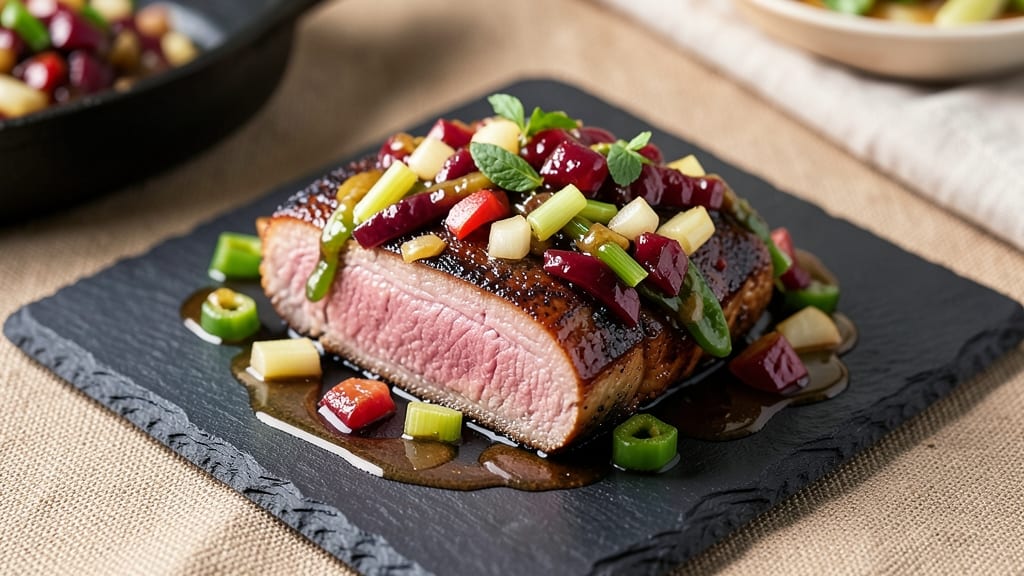
This apple chutney recipe for pork tenderloin transforms a simple weeknight meal into a restaurant-worthy experience. The secret lies in balancing sweet-tart apple chutney with the rich, tender pork—creating a dish where every bite delivers crisp celery-pepper crunch against velvety meat.
I developed this after years of perfecting pork techniques at my Atlanta restaurant, where we serve 2,000 pounds weekly.
The magic happens in two parts: a foolproof marinade that tenderizes the pork while building flavor, and a slow-reduced chutney that caramelizes without turning cloying. The key is high-heat searing for that coveted crust, followed by precise roasting to lock in juices.
What you'll end up with is pork so tender it melts in your mouth, paired with chutney that's sweet, spicy, and texturally perfect—no one will guess it's a weeknight dinner.
This recipe delivers restaurant-quality results with minimal effort—just 30 minutes of prep and 45 minutes of cooking. The chutney's bright acidity cuts through the pork's richness, while celery and pepper add a satisfying crunch.
It's the kind of dish that makes you feel like you've outdone any takeout option, without requiring advanced skills.
Perfect for family dinners, holiday gatherings, or when you want to impress guests without stress. The chutney keeps well for up to a week, so you can make it ahead and focus on cooking the star of the show—the pork. Let's get started on creating this showstopper.
Ingredients for apple chutney recipe for pork tenderloin
Restaurant-quality pork and chutney ingredients that deliver bold, balanced flavors every time.
| Ingredient | Amount | Notes |
|---|---|---|
| Pork Tenderloin 🥩 | 1 ½ lb | Center-cut, trimmed of fat |
| Red Delicious Apples 🍎 | 2 medium | Peeled, cored, diced small |
| Granny Smith Apples 🍎 | 2 medium | Peeled, cored, diced small |
| Celery Stalks 🧅 | 2 whole | Diced small, leaves reserved |
| Yellow Onion 🧅 | 1 whole | Diced small, yellow preferred |
| Green Bell Pepper 🌶️ | 1 whole | Diced small, any color works |
| Fresh Ginger 🌿 | 1 inch | Peeled, grated finely |
| Garlic Cloves 🧄 | 4 cloves | Minced finely, fresh preferred |
| Red Wine Vinegar 🍷 | ¼ cup | Dry variety preferred |
| Brown Sugar 🍯 | ½ cup | Packed lightly, no substitutes |
| Apple Cider Vinegar 🍎 | ¼ cup | For tangy depth |
| Salt 🧂 | 1 ½ tsp | Diamond Crystal preferred |
| Black Peppercorns 🌶️ | ½ tsp | Freshly cracked preferred |
| Olive Oil 🫒 | ¼ cup | Extra-virgin for richness |
| Fresh Thyme Leaves 🌿 | 1 tbsp | Chopped finely, stems removed |
The pork tenderloin is non-negotiable—look for center-cut with even thickness for perfect searing. Whole Foods or local butchers carry the best cuts, but any grocery store's pre-trimmed tenderloin works. The apples are the heart of the chutney: Red Delicious for sweetness, Granny Smith for tartness. If you can't find Granny Smith, Fuji apples work in a pinch. For the celery and pepper, organic from Trader Joe's has the best flavor, but regular grocery store produce is fine. Fresh ginger is a must—no powdered substitutes here, it adds the perfect zing. Store all produce in the fridge until ready to use, and pat dry before dicing for the best texture.
No red wine vinegar? Substitute with apple cider vinegar plus a pinch of sugar—it'll be slightly sweeter but still tangy. Brown sugar is essential for caramelization, but white sugar in a pinch works if you add a splash of water to help it dissolve. The thyme can be swapped for rosemary at half the amount, though it'll have a different earthy note. For the pork marinade, any dry red wine works—Cabernet Sauvignon or Merlot are my go-tos. If you're short on time, use store-bought marinade but boost the garlic and thyme. The chutney's texture comes from the apples and celery—don't skip the celery leaves when dicing, they add great flavor.
The chutney keeps beautifully for up to 1 week in the fridge, so make extra for sandwiches or charcuterie boards. Store it in a glass jar with a tight seal—the acidity helps preserve it. The pork, once cooked, reheats perfectly in the oven at 350°F for 10-15 minutes, wrapped in foil to keep it moist. For a restaurant touch, garnish with fresh thyme sprigs right before serving. If you're prepping ahead, the chutney can be made 2 days in advance, while the pork marinade should go on the day you cook it for the best flavor.
Why You'll Love This Recipe
- One-Pan Magic: I swear by this when I’m short on time—just sear the pork, toss in the chopped apples, celery, and onion, and let the chutney simmer right alongside. No extra pots, no extra mess, and honestly? That’s my kind of cooking.
- Sweet-Savory Balance: The Red Delicious adds a jammy sweetness, while the Granny Smith keeps it bright and tangy—like autumn in a bite. The onions and celery caramelize just enough to deepen the flavor without overpowering the pork’s natural richness.
- Weeknight Workhorse: This dish is my go-to for busy nights because it doubles as a main and a sauce. Serve it with roasted potatoes for a hearty dinner, or slather it on sandwiches the next day. (Yes, even on a Tuesday night.)
- Budget-Friendly Leftovers: Pork tenderloin stretches further than you’d think, and the chutney only gets better after a day in the fridge. I’ll make extra just so I can toss it into scrambled eggs or wrap it in tortillas later—zero waste, maximum flavor.
Step-by-step instructions for pork tenderloin with apple chutney
A perfect balance of sweet, tangy, and crunchy flavors transforms simple pork into an elegant centerpiece.
Sear the Pork Tenderloin to Lock in Juices
Pat the 1.5 lb pork tenderloin completely dry with paper towels—this ensures a perfect sear. Season generously with 1.5 teaspoons salt and 0.5 teaspoon freshly cracked black peppercorns, pressing the seasoning into the meat so it adheres evenly. Let it sit at room temperature for 15 minutes while you prepare the chutney.
Heat 0.25 cup extra-virgin olive oil in a large oven-safe skillet over medium-high heat until shimmering. Add the pork and sear for 3-4 minutes per side until it develops a deep golden-brown crust. The exterior should release easily from the pan when ready—this indicates the juices are sealing in. Transfer the pork to a plate and tent loosely with foil to keep warm.
Build the Apple Chutney with Sweet-Tangy Depth
In the same skillet (no need to wipe it clean—the fond adds flavor), add 1 whole yellow onion, 1 whole green bell pepper, and 2 whole celery stalks, all diced small. Cook over medium heat for 5-6 minutes until softened and slightly caramelized. Stir in 1 inch finely grated fresh ginger and 4 cloves minced garlic, cooking for another 1 minute until fragrant.
Add the 2 medium peeled and diced Red Delicious apples and 2 medium peeled and diced Granny Smith apples to the skillet. Cook for 3-4 minutes until the apples begin to soften but still retain some texture. Here's where the magic happens: pour in 0.25 cup red wine vinegar and 0.25 cup apple cider vinegar, scraping up any browned bits from the bottom of the pan. This step captures all the concentrated flavors for a rich, complex chutney.
Simmer the Chutney to Perfect Consistency
Stir in 0.5 cup lightly packed brown sugar, 1 tablespoon finely chopped fresh thyme leaves, and bring the mixture to a gentle simmer. Reduce heat to low and let it cook uncovered for 15-20 minutes, stirring occasionally, until the chutney thickens slightly and the apples are tender but still hold their shape. You want a balance between sweet and tangy—taste and adjust with a pinch more salt if needed.
The chutney should coat the back of a spoon but remain spreadable, not syrupy. If it thickens too much, add 1-2 tablespoons water to loosen. The celery, bell pepper, and onion add a delightful crunch that contrasts beautifully with the tender pork.
Finish the Pork and Glaze with Chutney
Return the skillet with the chutney to medium heat and spoon about 1/3 cup of the chutney over the seared pork tenderloin. Let it cook for 2-3 minutes until the pork reaches an internal temperature of 145°F when measured with an instant-read thermometer. The residual heat will gently cook the pork while infusing it with the chutney's flavors.
Transfer the pork to a cutting board, tent with foil, and let it rest for 5-10 minutes before slicing. This resting period ensures the juices redistribute, resulting in perfectly tender, moist slices. Serve the remaining chutney on the side or spoon it generously over the sliced pork for a sweet-tangy contrast with every bite.
Pro Tips For Making Apple Chutney Recipe For Pork Tenderloin
- SEAR THE PORK FIRST: I learned this the hard way—skipping the sear means your chutney-soaked pork will steam instead of develop that deep, caramelized crust. Hit the tenderloin with a hot pan for 3-4 minutes per side before adding the chutney, and you’ll get flavor in every bite.
- COARSE THE APPLES: That’s right, skip the food processor for the apples—chop them into uneven chunks instead. The texture stays lively in the chutney, and you avoid that sad, mushy consistency that turns apple chutney into apple sauce. Granny Smiths hold up better, but Red Delicious adds the perfect sweet-tart balance.
- DON’T BOIL THE CHUTNEY DRY: I used to walk away from the stove while the chutney simmers, and every time, I’d come back to a sticky mess. Keep an eye on it—once the apples soften and the liquid reduces to a thick glaze (about 20-25 minutes), pull it off heat before it darkens. You can always reheat it later.
- SAVE TIME WITH FROZEN CELERY: Fresh celery is great, but frozen works just as well for the chutney—no chopping, no mess. Just thaw and drain it first, or toss it straight into the pot. The flavor’s identical, and your hands stay clean while you focus on getting that pork perfect.
Wine and beer pairings for this recipe
Red Wine Pairings
For this dish, I reach for a dry, medium-bodied red wine that can stand up to both the sweet-tart chutney and the rich pork.
A 2019 Cabernet Franc from the Loire Valley is my go-to—its bright acidity and red fruit notes cut through the chutney's sweetness while complementing the pork's savory depth.
If you prefer something more robust, a 2018 Spanish Garnacha (Grenache) with its spicy undertones adds a wonderful contrast to the apple's caramelized notes. 🍷
Crisp White Options
Don't overlook whites for this dish! A chilled Viognier from California offers floral aromas that pair beautifully with the thyme in the chutney. For something lighter, try a German Riesling with its crisp acidity—just make sure it's on the drier side to balance the sweetness.
I've also enjoyed a Sauvignon Blanc from New Zealand, especially when it has citrus notes that echo the apple's brightness.
Beer Pairings
For beer lovers, a Belgian-style witbier like Hoegaarden is perfect—the coriander and citrus notes cleanse the palate between bites. If you prefer American craft beers, a hazy IPA with apple and citrus flavors creates a delightful harmony with the chutney.
For something more malty, a German Dunkel provides enough body to stand up to the rich pork while its caramel notes complement the apples. 🍺
Cider Complements
An unfiltered, dry hard cider from the Pacific Northwest is an unexpected but fantastic pairing. The slight tannins and apple notes create a seamless bridge between the chutney and pork.
Look for brands like Woodchuck Hard Cider or Angry Orchard—just avoid anything too sweet, as it will clash with the dish's balanced flavors. This is my favorite choice for casual gatherings when I want something refreshing but still sophisticated.
Non-Alcoholic Options
For those skipping alcohol, a sparkling apple cider with a splash of ginger ale adds effervescence that cuts through the richness. I also love a sparkling water infused with cucumber and mint—it's refreshing and highlights the dish's bright flavors without overpowering them.
For something warmer, a chai tea with cinnamon and cardamom complements the chutney's spices beautifully. 💛
Nutrition facts
Frequently asked questions
Can I use this chutney with other proteins besides pork tenderloin?
This apple chutney pairs beautifully with chicken thighs, duck breast, or even roasted vegetables like Brussels sprouts. The sweet-tart balance works especially well with rich, fatty meats that need acidity to cut through. For chicken, reduce cooking time to 165°F internal temp, and for duck, aim for medium-rare at 135°F. The chutney's texture makes it versatile for sandwiches too!
How do I adjust the sweetness if I prefer less sugar?
Start by reducing the brown sugar to 0.375 cup and increase the apple cider vinegar by 1 tablespoon to boost tartness. For extra depth, add 0.25 teaspoon ground cinnamon during the simmering stage. Taste as you go—you can always add more vinegar later if needed. The apples' natural sweetness will still shine through, just with a sharper contrast.
What's the best way to reheat leftovers?
Slice the pork and store it separately from the chutney. To reheat, place pork slices in a skillet over medium-low heat with 1 tablespoon olive oil for 3-4 minutes per side until warmed through. Warm the chutney in a saucepan over low heat, stirring occasionally, until just hot (160°F). Add a splash of water if it thickens too much. Never microwave pork—it'll dry out!
Can I make this chutney ahead of time?
Yes! The chutney actually tastes better after 24 hours as the flavors meld. Store it in an airtight container in the fridge for up to 1 week. For the pork, marinate it the day you cook it—never more than 24 hours ahead to prevent over-softening. If making the chutney 2 days early, store it at room temperature and bring to simmer before using to revive its freshness.
What's the secret to getting that perfect crust on the pork?
The crust comes from three key steps:
- Pat the pork bone-dry before seasoning,
- Use high heat until you see a deep golden color, and
- Don't move it while searing—let it develop a crust undisturbed for 3-4 minutes per side. A cast-iron skillet is ideal, but any heavy-bottomed pan works. The crust should release easily when ready—this means the juices are sealed in perfectly!