
Sauces & Condiments
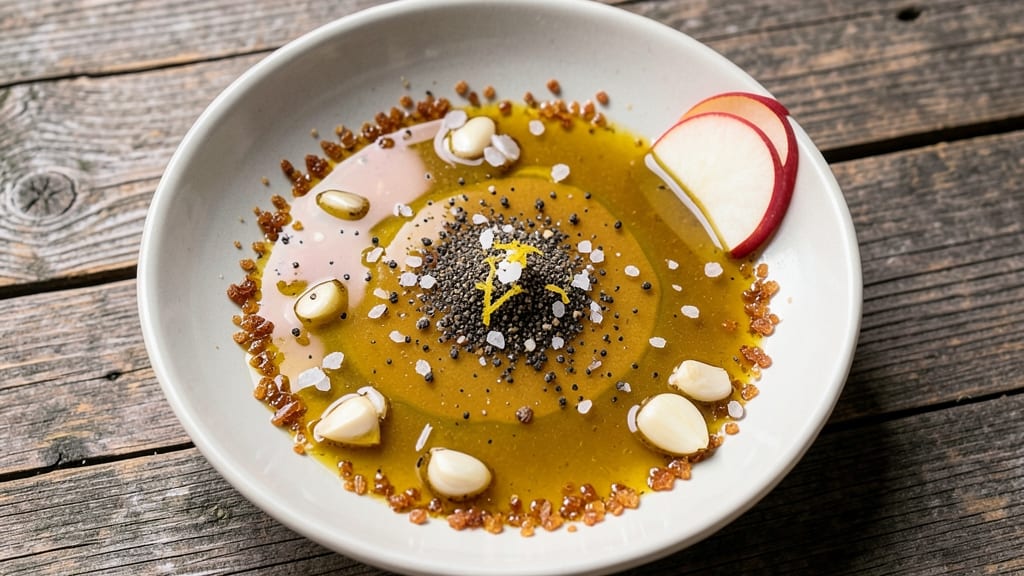
This apple cider vinegar pork marinade recipe transforms tough cuts into melt-in-your-mouth perfection in under an hour. Growing up in Georgia, I learned how vinegar's acidity breaks down proteins while infusing pork with bright, tangy depth—something I've refined over years of cooking for crowds at The Smoky Pig.
The secret lies in balancing acidity with sweetness and herbs to create a marinade that tenderizes without overpowering the meat's natural flavor.
The magic happens with just six simple ingredients: apple cider vinegar, olive oil, brown sugar, garlic, salt, and black pepper. The vinegar does the heavy lifting by tenderizing the meat, while the brown sugar caramelizes slightly during marinating, adding complexity.
I've found that letting the pork marinate for at least 30 minutes—even up to 4 hours—yields the best results, with the meat becoming fork-tender and developing a beautiful caramelized crust when cooked.
What makes this marinade truly special is its versatility. It works equally well on pork chops, tenderloin, or even ribs, delivering that signature tender texture and subtle tang that elevates any pork dish.
The marinade also keeps beautifully in the refrigerator for up to one week, making it perfect for meal prep. Whether you're grilling, roasting, or pan-searing, this marinade ensures your pork will be juicy, flavorful, and impossible to resist.
For those who love to experiment, try adding a splash of soy sauce for umami depth or a dash of smoked paprika for a hint of smokiness. The key is to let the flavors meld—don't rush it. Once you try this marinade, you'll never go back to plain pork again.
Ingredients for apple cider vinegar pork marinade
Six ingredients that transform tough pork into melt-in-your-mouth perfection in under an hour.
| Ingredient | Amount | Notes |
|---|---|---|
| Apple Cider Vinegar 🍎 | ½ cup | Raw, unfiltered for best flavor |
| Extra-Virgin Olive Oil 🫒 | ¼ cup | Light or fruity variety preferred |
| Light Brown Sugar 🍚 | ¼ cup | Packed, not spooned |
| Garlic Cloves 🧄 | 4 cloves | Fresh, minced or finely chopped |
| Kosher Salt 🧂 | 1 ½ tbsp | Diamond Crystal preferred |
| Freshly Ground Black Pepper 🌶️ | 1 tsp | Cracked peppercorns preferred |
| Fresh Thyme Leaves 🌿 | ½ tbsp | Optional but recommended |
The apple cider vinegar is the star—Bragg or Mott's are my go-tos, but any raw, unfiltered kind works. Look for bottles with the 'mother' sediment at the bottom, which means it's aged and packed with flavor. The olive oil should be light or fruity, not strong or peppery—California Olive Ranch is a safe bet. Brown sugar gets packed, not spooned, for accurate measurement. Fresh thyme leaves are optional but add that subtle herbal depth that makes this marinade restaurant-quality. If you're using dried thyme, cut the amount to one-third.
No apple cider vinegar? White vinegar or red wine vinegar work in a pinch, but the flavor profile will be slightly different. Swap brown sugar for maple syrup or honey if you prefer a less sweet marinade. The garlic can be roasted for a mellow, caramelized flavor—just toss the whole cloves in a 400°F oven for 10 minutes before mincing. For extra umami, add 1 tbsp soy sauce or 1 tsp smoked paprika. If you're short on time, pre-minced garlic from the jar works, but fresh is always better.
This marinade keeps beautifully in an airtight container in the fridge for up to one week. For best results, use it within 3-4 days for maximum flavor. If you're prepping ahead, store the marinade separately from the pork in the fridge—combine them just before cooking to avoid over-marinating. The pork can marinate for as little as 30 minutes or up to 4 hours for deeper flavor. Always discard any unused marinade that's been in contact with raw pork.
Why You'll Love This Recipe
- Five-Ingredient Magic: I swear by this combo—just vinegar, oil, sugar, garlic, and salt. No fancy pantry trips, no stressing over measurements. The vinegar tenderizes while the sugar caramelizes, and honestly? That’s all you need for pork that begs to be eaten.
- Tangy-Sweet Crisp: That brown sugar and vinegar duo creates the most addictive contrast—sharp, sticky, and just a little caramelized at the edges. The garlic? It’s the cherry on top, turning simple pork into something that tastes like a restaurant’s secret.
- Weeknight to BBQ Hero: Slap this on chicken thighs for dinner, then use the leftovers for tacos the next day. Or fire up the grill and serve it at your next cookout—no one will guess it’s the same marinade. Between us, it’s my go-to for lazy nights and big gatherings.
- Budget-Friendly Powerhouse: A single batch stretches across three meals without breaking the bank. The vinegar and sugar are cheap staples, and the olive oil does double duty as a marinade and a finishing drizzle. My wallet and my taste buds both win.
Step-by-step instructions for apple cider vinegar pork marinade
This marinade transforms tough pork into melt-in-your-mouth perfection in hours.
Combine Wet Ingredients in a Bowl
In a medium mixing bowl, whisk together the 0.5 cup apple cider vinegar and 0.25 cup extra-virgin olive oil until fully emulsified. The vinegar should be completely incorporated into the oil, creating a smooth base. I like to use a fork for this—it creates gentle agitation without over-mixing.
Next, add the 0.25 cup packed light brown sugar and stir until completely dissolved. You'll notice the mixture become slightly syrupy as the sugar integrates. This step is crucial for creating that perfect balance of sweetness and tang that tenderizes the pork while adding depth of flavor.
Add Aromatics and Seasonings
To the bowl, add the 4 minced garlic cloves, 1.5 tablespoons kosher salt, and 1 teaspoon freshly ground black pepper. Stir vigorously with a wooden spoon until all the salt and pepper are fully distributed. The mixture should look uniform with no visible dry spots.
Finally, fold in the 0.5 tablespoon fresh thyme leaves using gentle spoonfuls. The thyme should be evenly dispersed throughout the marinade. I always use a rubber spatula for this final step—it helps prevent crushing the delicate thyme leaves while ensuring complete incorporation.
Whisk Until Fully Integrated
Give the entire mixture one final whisk to ensure complete homogeneity. The marinade should coat the back of a spoon smoothly with no visible separation. This is your quality check—if you see any oil or vinegar separation, whisk again until fully emulsified.
At this point, you can either use the marinade immediately or transfer it to an airtight container. If storing, refrigerate for up to 5 days—the flavors will continue to meld and intensify over time. The marinade should have a rich, aromatic smell with notes of vinegar sweetness and herbal thyme.
Apply to Pork and Marinate
Place your pork cuts in a resealable plastic bag or shallow dish. Pour the marinade over the pork, ensuring every surface is coated. I always use a spoon to distribute the marinade evenly, especially in crevices or thick cuts. Seal the bag or cover the dish and refrigerate.
For optimal tenderness, marinate for at least 4 hours, but I recommend 8-12 hours for best results. The acid in the vinegar begins breaking down the muscle fibers almost immediately, but longer marinating times yield more dramatic tenderness. You'll know it's working when the pork absorbs the marinade and develops a glossy sheen.
Pro Tips For Making Apple Cider Vinegar Pork Marinade
- Simmer the Vinegar: Let the apple cider vinegar and brown sugar sit together for 10 minutes before adding oil and garlic—this turns that harsh tang into a smooth, caramelized base. I used to skip this, and the marinade always tasted sharp and unfinished.
- Mince Garlic Like You Mean It: No, a quick chop won’t cut it. Use a knife or garlic press to get it almost to a paste—this ensures every bite of pork gets that punchy, aromatic punch. I learned this the hard way when my pork came out tasting like it was missing something.
- Don’t Overmix the Marinade: Stir just until the sugar dissolves, then let it sit. Overworking it turns it into a gloppy mess that clings unevenly. A quick shake in a jar or a gentle fold with a fork keeps it silky and ready to coat the meat properly.
- Pat the Pork Dry First: Wipe down the pork with paper towels before marinating—this helps the flavors cling and promotes better browning. I know, it’s an extra step, but skipping it means your pork will steam instead of sear.
Essential equipment for perfect results
Marinade Mixing Bowl
I swear by using a stainless steel mixing bowl (like my OXO Good Grips) for this marinade—it won't absorb flavors like plastic and handles the acidity beautifully.
The bowl should be at least 8 inches wide to accommodate thorough whisking. If you're making a double batch, grab a 10-inch bowl or larger. 🫒
Whisk or Fork
A balloon whisk (I use Cuisinart) is my go-to for emulsifying the vinegar and oil, but a sturdy fork works in a pinch. Avoid plastic utensils—they can degrade with acid exposure over time.
For the final integration, a wooden spoon prevents scratching stainless steel bowls while gently folding in thyme.
Measuring Tools
Precision matters here! Use a liquid measuring cup for the vinegar and olive oil, and a dry measuring cup packed firmly for the brown sugar. My OXO stainless steel measuring cups have never let me down. For the salt and pepper, a small spoon ensures accuracy—never eyeball these measurements.
Storage Containers
For leftovers, transfer the marinade to a glass jar with an airtight lid—I love Ball mason jars for this. If storing the pork with marinade, use a resealable plastic bag (like Ziploc) or a glass baking dish with a tight lid.
The glass preserves flavors better than plastic over time.
Optional Tools
For extra convenience, I keep a mini food processor (like Cuisinart Mini-Prep) handy for mincing garlic quickly. A fine-mesh strainer comes in useful if you prefer no visible thyme leaves in your marinade.
And trust me, a meat thermometer (I use ThermoWorks Smoke) ensures your pork reaches the perfect 145°F internal temperature after marinating. 🌡️
Pork Prep Tools
When applying the marinade, I use tongs (like OXO Good Grips) to handle pork safely, especially when placing cuts in bags. For thick cuts, a meat mallet (I have a Lodge cast iron) helps tenderize before marinating. And always keep paper towels nearby—vinegar gets messy!
Nutrition facts
Frequently asked questions about apple cider vinegar pork marinade
Can I use this marinade on other meats besides pork?
This marinade works beautifully on chicken and beef too! For chicken, reduce marinating time to 30-60 minutes to avoid over-tenderizing. With beef, especially tougher cuts like flank steak, marinate for 4-8 hours for maximum tenderness. The vinegar's acidity breaks down proteins in all meats, but pork benefits most from the sweet-tangy balance.
What's the best way to store leftover marinade?
Transfer unused marinade to a glass jar with an airtight lid and refrigerate for up to 5 days. If you've used it on raw pork, discard any leftover marinade after contact with meat. The flavors actually improve as they meld in the fridge—it develops deeper caramel notes from the brown sugar. For freezer storage, portion into ice cube trays before transferring to a bag.
Can I make this marinade without brown sugar?
Swap the brown sugar for maple syrup or honey (same amount) for a different flavor profile. For a savory option, use soy sauce (2 tbsp) instead. The sugar helps tenderize and caramelize, but these alternatives work well. If you prefer less sweetness, reduce to 0.125 cup sugar or omit entirely—just expect slightly less tenderizing effect on thicker cuts.
How do I know when my pork is properly marinated?
Look for a glossy sheen on the meat's surface and slightly softened edges. The pork should feel 20-30% more tender when pressed gently with your fingers. For visual confirmation, cut a small test piece—it should have a slightly translucent appearance near the edges. The marinade should also smell aromatic with vinegar and thyme notes. Never marinate longer than 12 hours for pork to avoid over-acidifying.
Can I use this marinade for pulled pork?
This marinade works wonderfully as a pre-cook treatment for pulled pork! Use it on pork shoulder before slow cooking. The vinegar helps break down collagen during cooking, while the sugar creates a beautiful bark. After marinating 4-8 hours, cook at 225°F for 8-10 hours until fork-tender. For extra flavor, brush with additional marinade during the last hour of cooking. The result is juicy, tender pulled pork with perfect sweet-savory balance.