
Sauces & Condiments
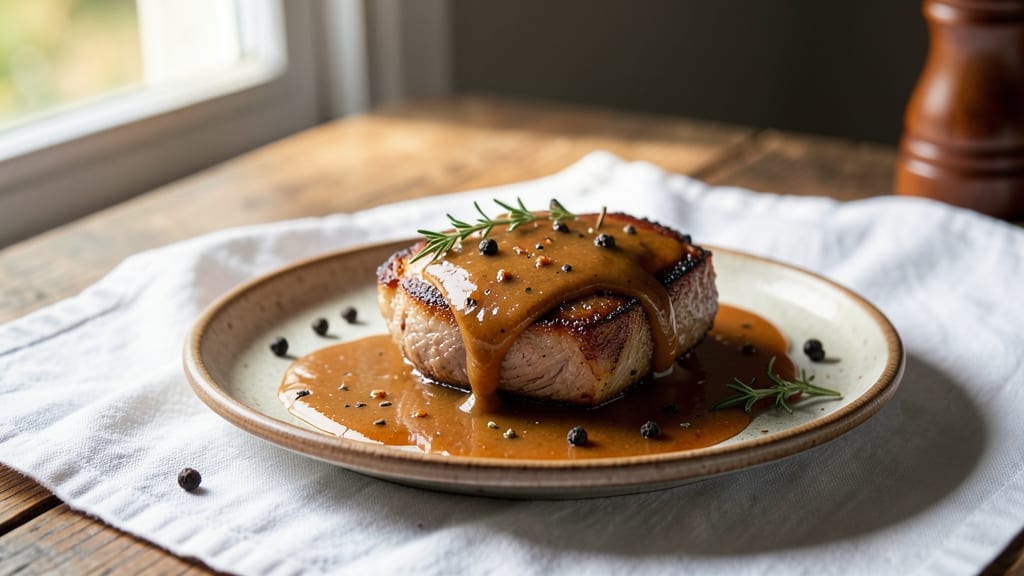
This apple cider gravy recipe transforms simple pork drippings into a rich, aromatic sauce with a celery-pepper crunch that elevates every bite. 💛 I first discovered this technique while cooking pork chops for a family gathering, and it became an instant crowd-pleaser—especially when paired with crispy roasted pork tenderloin.
The secret lies in balancing sweet apple cider with savory pork drippings and a touch of celery seed for depth.
The process is straightforward but requires attention to detail: you'll start by deglazing the pork pan with apple cider, then thickening the mixture with flour for that perfect gravy consistency.
A splash of vinegar brightens the flavors, while celery seed and black pepper add a subtle, aromatic crunch that cuts through the richness. This sauce isn't just for pork—it works beautifully with chicken, sausages, or even as a drizzle over mashed potatoes.
What makes this gravy truly special is how it clings to meat, delivering bursts of sweet-tangy apple flavor with every forkful. The celery-pepper crunch adds texture that keeps the sauce from feeling heavy, making it a versatile condiment for holiday meals or weeknight dinners.
Once you try this version, store-bought gravy mixes will never taste the same.
Ready in just 20 minutes, this gravy requires minimal effort but delivers restaurant-quality results. The key is patience during the reduction stage—letting the sauce simmer until it thickens properly ensures it coats every bite perfectly.
Whether you're serving it alongside roasted pork or using it as a glaze, this apple cider gravy will become a staple in your cooking repertoire.
Ingredients for apple cider gravy recipe for pork
Nine simple ingredients transform pork drippings into a velvety-sweet sauce with celery-pepper crunch.
| Ingredient | Amount | Notes |
|---|---|---|
| Pork Drippings 🐖 | 2 cups | From roasted pork tenderloin |
| Apple Cider 🍎 | 1 cup | Unfiltered, unsweetened preferred |
| All-Purpose Flour 🌾 | ¼ cup | Sifted for smooth texture |
| Celery Seed 🌿 | 1 tsp | Ground for extra crunch |
| Black Peppercorns 🌶️ | ½ tsp | Freshly cracked preferred |
| White Vinegar 🍋 | 1 tbsp | Brightens flavor profile |
| Unsalted Butter 🧈 | 2 tbsp | Cold, cubed for finishing |
| Salt 🧂 | ½ tsp | Adjust to taste |
| Granulated Sugar 🍬 | 1 tsp | Balances acidity |
Apple cider is the heart of this recipe—Mott's or Woodchuck are my go-tos, but any unsweetened variety works. Look for labels that say 'unfiltered' for deeper flavor. The pork drippings? Save them from roasting pork tenderloin—they're packed with natural porky richness. Celery seed can be tricky to find, but Penzeys or bulk spice shops usually carry it. If you can't find it, celery salt works in a pinch (but skip the extra salt). Freshly cracked black peppercorns make all the difference—grind them yourself if you can, or buy pre-ground from a reputable brand.
No apple cider? Unsweetened apple juice works too, but add an extra splash of vinegar to cut the sweetness. Short on flour? Cornstarch at half the amount gives you a glossier finish. The butter at the end is non-negotiable—it adds that luxurious sheen. If you're making this ahead, store the dry ingredients separately and mix just before using. The vinegar can be swapped for lemon juice if you prefer a citrusy twist, but vinegar's tang is what balances the sweetness perfectly. For extra depth, a pinch of smoked paprika adds a subtle smokiness that pairs beautifully with pork.
This gravy reheats beautifully—just stir in a splash of water or apple cider to loosen it up. Keeps for 5 days in the fridge, or 3 months frozen in an airtight container. I like to freeze it in ice cube trays for single-use portions—just pop one out when you need it. The sauce thickens as it cools, so if it seems too thick when reheating, add a little more liquid. Trust me, the celery-pepper crunch develops even more after the first day—it's worth making extra.
Why You'll Love This Recipe
- Uses Pork Drippings: I swear by this trick—just let the pork brown in its own fat, then pour in that golden apple cider. The drippings thicken the gravy naturally, so you’re not left with a thin, sad sauce.
- Sweet-Savory Magic: That celery seed and peppercorns ground into the flour? It’s the secret. The apple cider’s tang cuts through the richness while the spices add a subtle earthiness—like a hug in a bowl.
- Leftovers Reinvented: Turns roast pork into a whole new meal. Slather it on mashed potatoes, drizzle over biscuits, or even toss with eggs for breakfast. One pan, endless possibilities.
- Pantry Staple Power: Three ingredients you already own (flour, peppercorns, celery seed) plus apple cider—no fancy shopping. Honestly, I’ve made this with store-brand cider and it’s still spot-on. Budget-friendly and foolproof.
Step-by-step instructions for apple cider gravy with pork
This rich, aromatic gravy transforms simple pork drippings into a velvety glaze with celery-pepper crunch.
🍳 Step 1: Bloom the Flour in Pork Drippings
Heat the 2 cups pork drippings in a medium saucepan over medium-low heat until small bubbles form around the edges. Add the 0.25 cup all-purpose flour all at once and whisk vigorously for 1-2 minutes until the mixture turns a light golden brown and smells nutty.
This step, called blooming, removes the raw flour taste and creates a rich foundation. Watch closely—if it darkens too quickly, reduce heat slightly. The goal is a toasted, aromatic roux that forms the backbone of your gravy.
🍳 Step 2: Deglaze with Apple Cider and Vinegar
Gradually pour in the 1 cup apple cider while whisking continuously to prevent lumps. Let the mixture simmer gently for 3-4 minutes until slightly thickened. Then add the 1 tbsp white vinegar and continue simmering for another 2 minutes.
The vinegar brightens the flavors and helps cut through the richness of the pork. You'll notice the mixture bubble vigorously at first—this is normal. Keep whisking to prevent sticking. The sauce should reduce slightly but remain pourable at this stage.
🍳 Step 3: Build Depth with Spices and Sugar
Reduce heat to low and stir in the 1 tsp celery seed, 0.5 tsp black peppercorns, 0.5 tsp salt, and 1 tsp granulated sugar. Let the mixture simmer for 5-7 minutes until it thickens enough to coat the back of a spoon.
Here's where the magic happens—the celery seed adds earthy crunch while the peppercorns provide subtle heat. The sugar balances the acidity from the vinegar, creating a harmonious flavor profile. Taste and adjust seasoning—you might want to add a pinch more salt or sugar depending on your pork's natural flavor.
🥘 Step 4: Finish with Butter for Richness
Remove the saucepan from heat and stir in the 2 tbsp cold unsalted butter, cubed, until completely melted and incorporated. Return to low heat for just 30 seconds to blend thoroughly.
The butter adds luxurious mouthfeel and helps emulsify the gravy for a silky texture. For extra crunch, sprinkle additional celery seed over the finished gravy. Serve immediately over roasted pork tenderloin slices for maximum flavor impact.
Pro Tips For Making Apple Cider Gravy Recipe For Pork
- Deglaze Immediately: Don’t let those pork drippings cool—they’ll harden like glue. As soon as you pull the pork from the pan, pour in the apple cider hot and scrape every last bit of browned bits off the bottom. Those bits carry the most flavor, and skipping this step means missing out on depth.
- Use Cold Apple Cider: I learned this the hard way—adding warm cider to the roux makes it split like a stubborn mule. Chill the apple cider in the fridge for 10 minutes before whisking it into the flour-butter mixture. The cold liquid keeps the gravy smooth and prevents lumps.
- Toast the Celery Seed: Skip the pre-ground stuff—whole celery seeds need a quick toast in the dry pan for 20 seconds until fragrant. This unlocks their aroma without bitterness, and crushing them fresh with a mortar and pestle (or a heavy spoon) right before adding them to the gravy makes a real difference.
- Simmer Low and Slow: Rushing the reduction turns apple cider gravy into glue. After combining all ingredients, let it simmer on low heat for at least 8–10 minutes, stirring often. The longer it cooks, the richer the flavors meld—just watch it like a hawk to avoid burning. (Yes, even if you’re impatient like me.)
Serving suggestions for this dish
Pork Pairings
This apple cider gravy is a game-changer for roasted pork tenderloin—it clings beautifully to the meat, creating a sweet-savory crust with every bite. I like to serve it with pork chops too, where the gravy pools in the pan and soaks into the crispy edges.
For extra drama, try it with pork belly slices—the rich fat balances the tangy-sweet gravy perfectly. 🐖
Side Dish Harmony
Creamy mashed potatoes are the classic pairing, but I often serve this gravy with sautéed apples—their natural sweetness complements the sauce's depth. For a heartier meal, pair with roasted Brussels sprouts tossed in bacon fat, or buttery corn on the cob for a Southern-inspired twist.
The celery-pepper crunch in the gravy cuts through the richness of any starch.
Bread Service
No pork meal is complete without bread! I love serving this gravy with crusty French baguettes or homemade dinner rolls—the gravy soaks right in, creating a delicious dipping experience.
For a festive touch, try brioche toast or sourdough—their dense textures hold up beautifully to the sauce's richness. Keep extra bread on the table for seconds!
Holiday Centerpiece
This gravy elevates holiday pork dishes like herb-crusted pork loin or spiced pork ribs to restaurant-quality status. I've used it as a glaze for pork shoulder during Thanksgiving, where the apple cider flavors pair perfectly with cranberry sauce.
For Christmas, try it with pork tenderloin medallions—the gravy's sweetness balances the savory herbs beautifully. 🎄
Make-Ahead Magic
Make gravy ahead of time and reheat it with your pork—it actually tastes better the next day as the flavors meld. I like to serve it with leftover pork roast and scalloped potatoes for a cozy weeknight dinner.
The gravy's depth makes simple meals feel special. For a quick lunch, pair with pork sausage patties and apple slices—it's a match made in flavor heaven!
Nutrition facts
Frequently asked questions
Can I use apple juice instead of apple cider in this gravy?
Yes, but you'll need to adjust the balance. Use unsweetened apple juice and add an extra ½ teaspoon of vinegar to compensate for the lack of natural acidity in cider. The flavor will be slightly less complex, but it still works beautifully—just expect a touch more sweetness that the extra vinegar helps cut.
What if my pork drippings don't measure 2 cups?
No problem! Use what you have—just adjust the flour proportionally. For every ½ cup of drippings you're short, reduce the flour by 1 tablespoon and add 1 tablespoon of water or apple cider to maintain consistency. The key is keeping the ratio balanced so the gravy thickens properly.
How do I fix gravy that's too thin or too thick?
For thin gravy, simmer uncovered for 2-3 extra minutes to reduce. If it's too thick, whisk in 1 tablespoon of warm water or apple cider at a time until smooth. Pro tip: If it separates, whisk vigorously and add a small pat of cold butter to help emulsify it back together.
Can I make this gravy without pork drippings?
Use 2 cups of chicken or vegetable broth instead, but add ½ teaspoon of smoked paprika to mimic pork's depth. For extra richness, stir in 1 tablespoon of bacon fat at the end. The flavor will be more versatile—great for vegetables or chicken dishes too!
Why does my gravy taste bitter?
Overcooking or burnt flour can cause bitterness. Keep heat at medium-low and watch the roux closely—it should be golden brown, not dark brown. If it's too late, whisk in ½ teaspoon of sugar or a splash of vinegar to balance the flavor. For future batches, reduce heat immediately if the roux darkens too quickly.