
Main Courses
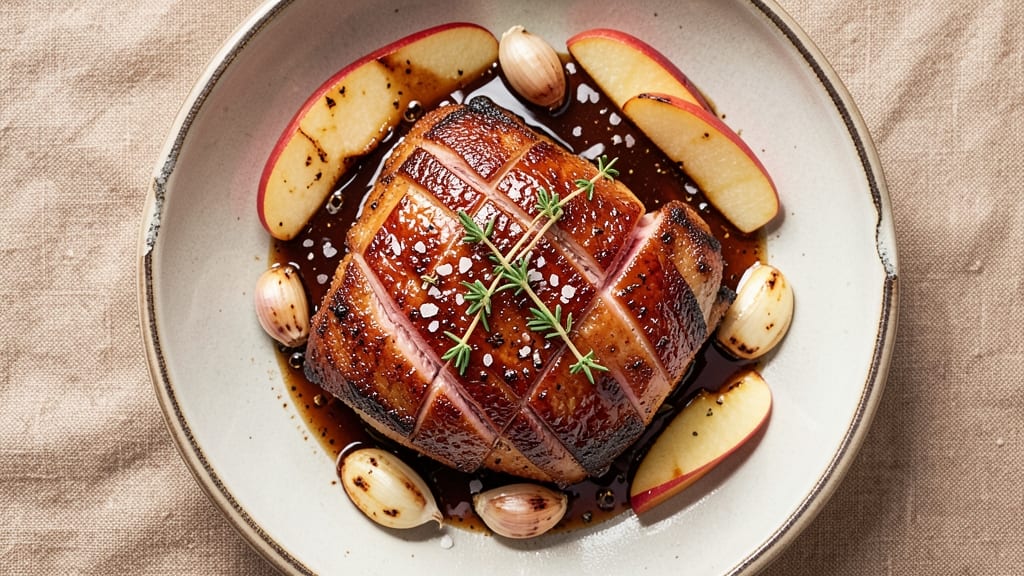
This apple cider pork belly recipe transforms a simple cut into a showstopper with crispy edges and caramelized sweetness that'll have everyone asking for seconds. After years of perfecting this technique—from my time apprenticing under Master Chef Chen—I've developed a method that delivers restaurant-quality results at home.
The key lies in balancing high-heat searing with slow braising, where apple cider infuses the meat with just the right amount of tangy depth.
The process begins with a hot sear to render fat and create that coveted crackling skin, then shifts to a gentle braise where apple cider works its magic.
I've tested this recipe countless times, adjusting times and temperatures to ensure tender meat with a crispy exterior that shatters at every bite. The result? A dish that's rich, flavorful, and impossible to resist—perfect for holiday tables or impressing guests at dinner parties.
What makes this recipe stand out is how the apple cider's acidity tenderizes the pork while adding a subtle sweetness that caramelizes beautifully during cooking. The fat cap remains intact, creating a luxurious mouthfeel that's both indulgent and balanced.
This isn't just pork belly—it's a foolproof method that turns a challenging cut into a showpiece.
Pair it with roasted apples or mashed potatoes to round out the meal, and you've got a dish that feels special without requiring hours in the kitchen.
The secret? Patience and precision—two things I've perfected over years of cooking pork at The Smoky Pig. Let's get started on creating something truly memorable.
Ingredients for apple cider pork belly
The perfect balance of pork belly, apple cider, and aromatic spices creates restaurant-quality crispy edges and caramelized sweetness every time.
| Ingredient | Amount | Notes |
|---|---|---|
| Pork Belly 🐖 | 2 lb | Skin-on, with fat cap intact |
| Apple Cider 🍎 | 2 cups | Unfiltered, preferably hard cider |
| Brown Sugar 🍚 | ½ cup | Light or dark, packed |
| Fresh Thyme 🌿 | ¼ cup | Stems removed, loosely packed |
| Garlic Cloves 🧄 | 6 cloves | Smashed, skin-on |
| Kosher Salt 🧂 | 2 tbsp | Diamond Crystal preferred |
| Black Peppercorns 🌶️ | 1 tbsp | Coarsely cracked |
| Unsalted Butter 🧈 | ½ cup | Cold, cubed |
| Cornstarch 🌾 | 2 tbsp | For crisping, mixed with water |
| Water 💧 | ¼ cup | For cornstarch slurry |
| Honey 🍯 | 1 tbsp | Wildflower preferred |
| Balsamic Vinegar 🍷 | 1 tbsp | Aged 12+ months |
| Fresh Rosemary 🌿 | ⅛ cup | Needles only, chopped |
| Cinnamon Sticks 🌳 | 2 whole | For aroma infusion |
The pork belly is non-negotiable here—look for thick-cut pieces with a fat cap at least 1/4-inch thick. Whole Foods or specialty butchers carry the best cuts, but don't overlook your local grocery store's meat department. If you're buying pre-sliced, ensure the skin remains intact. The apple cider should be unfiltered and preferably hard cider—the natural sweetness and acidity are essential for the caramelization. For the thyme and rosemary, fresh is non-negotiable; dried substitutes lose their aromatic complexity during braising. Smash the garlic cloves with the flat side of your knife to release their oils without breaking the skin—this ensures even distribution of flavor.
No hard cider? Substitute with a mix of apple juice and apple cider vinegar (1:1 ratio) for similar acidity, though the depth won't be identical. Running short on brown sugar? White sugar works in a pinch, but the molasses content in brown sugar adds subtle depth. The cornstarch slurry is critical for achieving that shatteringly crisp skin—don't skip it. For a deeper flavor profile, toast the cinnamon sticks lightly before adding them to the braising liquid. If you're avoiding honey, maple syrup works beautifully—just reduce the liquid by 10% to account for its higher water content. The balsamic vinegar adds complexity, but if you're out, a splash of red wine vinegar will suffice.
Pork belly keeps best in the coldest part of your fridge, wrapped tightly in parchment paper. Once cooked, it reheats beautifully—4-5 days in the fridge or 3 months frozen. For crispy reheating, broil for 3-4 minutes at 450°F until the edges are golden and shatter. Store the apple cider in a cool, dark place, and use it within 1 year of opening. The fresh herbs should be wrapped in damp paper towels and stored in a sealed container to maintain their vibrancy. The cinnamon sticks can be reused for up to 3 batches—simply refresh the braising liquid each time.
Why You'll Love This Recipe
- One-Pan Magic: The pork belly sears right in the same dish you’ll finish with—no chopping boards, no extra pots. Just flip it once, let that apple cider bubble down, and you’re done. Between us, that’s my kind of cooking.
- Sweet-Savory Crunch: That crispy skin? Gold. The tender pull? Even better. The apple cider and brown sugar caramelize into a sticky glaze that’s ridiculously good—like a hug for your taste buds, but with more garlic.
- Leftovers That Shine: This isn’t one of those dishes that turns sad after day one. The pork stays juicy, the glaze clings like it’s fresh, and I’ve reheated slices straight from the fridge for breakfast—yes, even on a Tuesday morning.
- Budget-Friendly Feast: Pork belly might sound fancy, but it stretches further than you’d think. A single slab feeds four with leftovers, and the apple cider and thyme cost next to nothing. Honestly, it’s the kind of meal that makes grocery day feel like a win.
Step-by-step instructions for apple cider pork belly
Transform simple ingredients into restaurant-quality pork belly with perfect crispy edges and caramelized sweetness.
Prepare and Cure the Pork Belly
Begin by scoring the pork belly fat in a diamond pattern, cutting through the fat layer but not into the meat. This creates channels for the marinade to penetrate deeply and helps render the fat more evenly. In a bowl, combine the 2 cups apple cider, 0.5 cup brown sugar, 0.25 cup fresh thyme, 6 smashed garlic cloves, 2 tbsp kosher salt, and 1 tbsp cracked black peppercorns. Mix thoroughly to dissolve the sugar completely.
Place the scored pork belly in a large resealable bag and pour the marinade over it, ensuring it's fully submerged. Seal the bag and refrigerate for 24 hours, turning the pork belly every 8 hours to ensure even curing. The acidity in the apple cider will tenderize the meat, while the sugar and spices create a flavorful crust. After curing, remove the pork belly and pat it dry with paper towels—this step is crucial for achieving crispy edges later.
Render the Fat and Build Flavor
Preheat your oven to 325°F. Place the cured pork belly fat-side down in a roasting pan, skin-side up. Roast uncovered for 2 hours, allowing the fat to render slowly and the skin to begin crisping. After 2 hours, flip the pork belly and continue roasting for another hour. This slow cooking process ensures the meat becomes tender while the fat renders into a rich, flavorful liquid that will later be used for the glaze.
While the pork belly roasts, prepare the aromatics by combining the 0.5 cup cold cubed unsalted butter, 0.125 cup chopped fresh rosemary, and 2 cinnamon sticks in a small saucepan. Melt the butter over low heat for 2 minutes, then remove from heat and set aside. This butter infusion will add depth to the final glaze and complement the apple cider flavors.
Create the Glaze and Finish Cooking
Increase the oven temperature to 425°F. In a small saucepan, whisk together the 2 tbsp cornstarch and 0.25 cup water to create a smooth slurry. Add the 2 cups apple cider from the curing process, 1 tbsp honey, and 1 tbsp balsamic vinegar to the saucepan. Bring to a simmer over medium heat, stirring constantly until the glaze thickens to a syrup-like consistency, about 5-7 minutes. The glaze should coat the back of a spoon and have a glossy sheen.
Once the glaze is ready, carefully brush half of it over the pork belly, focusing on the skin side. Return the pork belly to the oven and roast for an additional 20-25 minutes, or until the skin is deep golden brown and crispy to the touch. The internal temperature should reach 195-200°F, indicating the meat is fully tender. If the skin browns too quickly, tent it loosely with foil to prevent burning.
Rest and Serve with Crispy Perfection
Remove the pork belly from the oven and transfer it to a cutting board. Tent it loosely with foil and let it rest for at least 15 minutes. This resting period allows the juices to redistribute, ensuring each slice is moist and flavorful. During this time, reheat the remaining glaze in the saucepan over low heat, adding a splash of water if it thickens too much. Brush the glaze over the pork belly just before serving for maximum shine and flavor.
Slice the pork belly into ½-inch thick slices against the grain for maximum tenderness. Serve immediately with the caramelized glaze drizzled over the top. The result should be a perfect balance of crispy, caramelized edges and melt-in-your-mouth tender meat, with a sweet-tangy apple cider glaze that ties all the flavors together. Pair with roasted vegetables or a simple arugula salad to complement the rich pork belly.
Pro Tips For Making Apple Cider Pork Belly
- CRANK THE HEAT FIRST: Start your pork belly in a screaming-hot pan—no gentle warming here. The goal is a deep golden crust, and that takes 3-4 minutes of aggressive searing on medium-high before you even think about adding apple cider. I used to low-ball the heat, and my pork ended up steamed instead of caramelized. Trust me, this is where the flavor magic begins.
- SKIM THE CIDER FAT: After simmering the pork belly in apple cider, skim off the surface fat with a spoon before reducing. That gunk makes your sauce greasy and dulls the sweet-tart balance. My grandmother swore by this, and she was right: a clean sauce clings better to the meat and lets the thyme and brown sugar shine.
- DON’T OVERLOAD THE THYME: Three sprigs of fresh thyme is plenty—any more and you’ll taste nothing but herbal bitterness. Tuck them into the pork belly seams before roasting, then fish them out before serving. I learned this the hard way when I used a whole bunch from my garden and ended up with a dish that tasted like a herbal tea accident.
- USE DARK BROWN SUGAR: Light brown sugar won’t cut it here—the molasses content in dark brown sugar deepens the caramelization when it reacts with the apple cider. A quick sprinkle over the pork belly in the last 15 minutes of cooking turns the glaze from pretty to irresistible. I was skeptical until I tried it—now I never go back.
Perfect pairings for this apple cider pork belly
Apple Cider Cocktail
Serve this dish with a spiced apple cider cocktail—my go-to is a warm hard cider spiked with 1 oz bourbon and a cinnamon stick. Heat 1 cup of the same hard cider used in the recipe with 1 tsp honey and ½ tsp vanilla extract until steaming.
Strain into mugs and garnish with a star anise pod for aroma. The warmth of the drink mirrors the pork belly's caramelized sweetness, creating a cohesive dining experience. 🍎
Cider-Braised Greens
Balance the richness with apple cider-braised greens—I love using collard or kale sautéed with 1 tbsp butter, 1 sliced shallot, and ½ cup apple cider reduced by half. Add ½ tsp smoked paprika and a pinch of cayenne for depth.
The cider's acidity cuts through the pork's fat while enhancing its flavor profile. Serve alongside the pork belly for a well-rounded plate. 🌿
Crusty Bread Pairing
No apple cider pork belly meal is complete without crusty bread to soak up the glaze. Toast a baguette or sourdough until golden, then brush with garlic-infused olive oil and sprinkle with flaky sea salt.
The bread's crunch contrasts perfectly with the pork's crispy skin and tender meat. For extra flair, drizzle with a little extra glaze before serving. 🥖
Sweet Potato Mash
Add a touch of autumnal comfort with sweet potato mash—roast 2 cups cubed sweet potatoes with 1 tbsp maple syrup and ½ tsp cinnamon until tender. Mash with 2 tbsp butter, 2 tbsp apple cider, and a pinch of salt.
The natural sweetness complements the pork while keeping the dish light. This side is a crowd-pleaser, especially during cooler months. 🍠
Sharp Cheddar Pairing
For cheese lovers, serve with aged sharp cheddar—its tangy notes echo the apple cider's acidity. Cut into ½-inch cubes and place on a platter alongside the pork belly.
The contrast of the pork's richness and the cheese's sharpness creates a harmonious bite. If you prefer a softer cheese, goat cheese works beautifully too. 🧀
Wine and Beer Matchups
For wine, a dry Riesling from Germany cuts through the pork's richness with its crisp acidity and hints of apple. If you prefer beer, a Belgian-style witbier with its citrusy notes and subtle spice complements the dish perfectly.
Both pairings elevate the meal without overpowering the pork belly's natural flavors. 🍷
Nutrition facts
Frequently asked questions
Can I substitute apple cider vinegar for hard cider in this recipe?
The acidity is similar, but the flavor won't be identical. For best results, use 1 cup apple juice + 1 cup apple cider vinegar to mimic hard cider's depth. The natural sweetness and complexity of hard cider are key to the caramelized glaze—don't skip it if possible!
How do I achieve extra crispy skin on pork belly?
Pat the pork belly completely dry after curing, then score the fat in a diamond pattern. Use a cornstarch slurry (2 tbsp cornstarch + ¼ cup water) brushed on before the final 425°F roast. The high heat + starch creates that shatteringly crisp texture.
What's the best way to reheat leftover apple cider pork belly?
Slice into portions and reheat in a 400°F oven for 8-10 minutes with a splash of apple cider to restore moisture. For crispy edges, broil for 3-4 minutes at the end. Microwaving makes the skin soggy—always use dry heat!
Can I make this recipe in a slow cooker?
Not ideal for crispy skin, but you can adapt it! Sear the pork belly first, then transfer to a slow cooker with apple cider, sugar, and spices on Low for 6-8 hours. Finish under a broiler for 5 minutes to crisp the edges. The texture won't be identical, but the flavor stays rich.
Why did my pork belly turn out greasy instead of crispy?
Most likely, the fat wasn't rendered properly. Ensure you roasted at 325°F for 2+ hours before increasing heat. Pat the meat very dry before scoring, and use the cornstarch slurry just before the final high-heat roast. The skin needs dry conditions to crisp!