
Main Courses
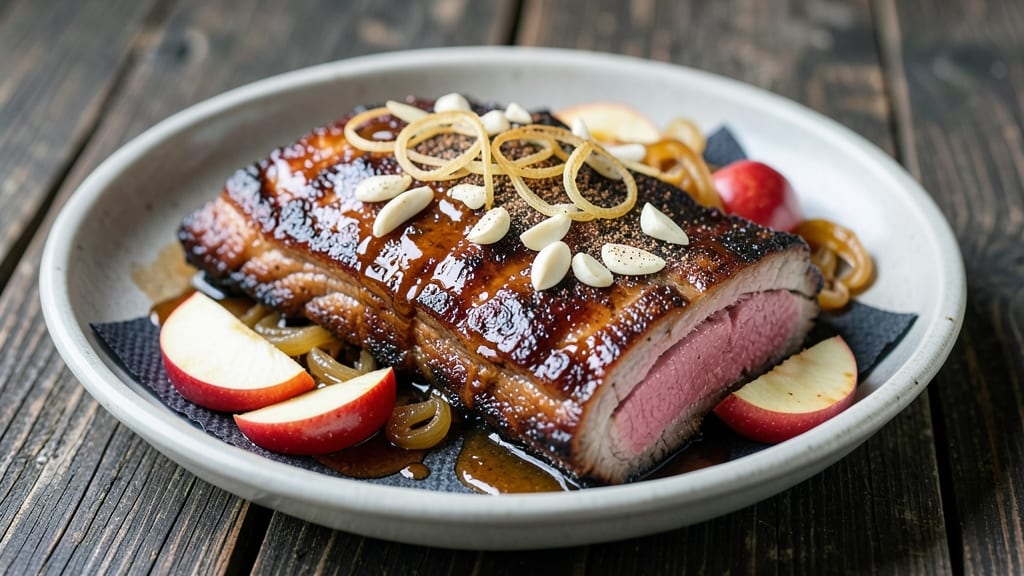
This apple cider ribs recipe transforms tough cuts into fall-off-the-bone tenderness with a perfect balance of smoky depth and sweet apple cider notes.
The secret lies in a dry rub that creates a flavorful bark while the cider works its magic during the slow cook, infusing the meat with natural sweetness and keeping it irresistibly moist.
I've perfected this technique over years of backyard smoking sessions, and it consistently delivers restaurant-quality results that'll have your guests asking for seconds.
The process starts with a 3-4 hour smoke using apple wood or hickory, allowing the ribs to develop that signature bark while the cider-based marinade works its way into the meat.
What makes this recipe truly special is how the apple cider enhances the natural flavors of the pork without overpowering them - it's all about balance.
The slow cooking method ensures tender meat that practically falls apart at the touch of a fork, while the cider glaze added at the end creates that perfect sticky-sweet finish that everyone loves.
By the time you're done, you'll have ribs that are crispy on the outside, tender on the inside, and coated in a glossy apple cider glaze that makes every bite worth savoring.
The aroma alone will have your whole house smelling like autumn, and the combination of smoky, sweet, and slightly tangy flavors creates a harmony that's impossible to resist. This is the kind of dish that turns ordinary weeknights into memorable feasts.
The best part? These ribs pair beautifully with classic fall sides like coleslaw, baked beans, and cornbread - creating a complete meal that feels like a cozy autumn gathering.
Whether you're smoking them in your backyard or using an oven with a smoker box, this recipe delivers consistent results that'll make you the star of any dinner party. Let's get started on creating ribs that'll become your new signature dish.
Ingredients for apple cider ribs
Eight spices, two liquids, and the magic of slow smoke create ribs that'll have everyone begging for seconds.
| Ingredient | Amount | Notes |
|---|---|---|
| Pork Baby Back Ribs 🍖 | 4 lb | Bone-in, meaty cuts preferred |
| Apple Cider 🍏 | 1 ½ cups | Unfiltered, preferably local |
| Yellow Onion 🧅 | 1 whole | Large, sliced into wedges |
| Fresh Garlic Cloves 🧄 | 8 cloves | Peeled, minced for rub |
| Brown Sugar 🍚 | ½ cup | Packed, light or dark |
| Smoked Paprika 🌶️ | 2 tbsp | For deep smoky flavor |
| Ground Black Pepper 🌶️ | 1 ½ tbsp | Freshly cracked preferred |
| Kosher Salt 🧂 | 1 ½ tbsp | Diamond Crystal preferred |
| Apple Wood Chips 🌳 | 1 package | Or hickory for smoky depth |
| Cider Vinegar 🍶 | 1 tbsp | For tangy balance |
| Honey 🍯 | 2 tbsp | Wildflower preferred |
| Mustard Powder 🌿 | 1 tsp | For subtle tang |
| Chopped Fresh Parsley 🌿 | ¼ cup | For garnish |
The ribs are the star, so look for meaty baby backs—thick slabs with good marbling. Costco or local butchers usually have the best cuts, but grocery store packages work too. Apple wood chips are ideal (they're everywhere in fall), but hickory gives that classic BBQ depth. For the cider, unfiltered is key—it's got more natural sweetness and sediment that adds texture to the glaze. I always grab a 64-oz jug from Trader Joe's—cheaper than you'd think and it keeps for months in the fridge.
No apple wood chips? Hickory or cherry wood will work just fine. Short on cider vinegar? White vinegar at half the amount does the trick. The honey can be swapped for maple syrup if you're avoiding it, but trust me on the wildflower kind—it's got that extra floral note that makes the glaze sing. For the rub, toast your spices lightly in a dry pan before mixing—it deepens the flavor. And if you're prepping ahead, make the dry rub in advance and store it in an airtight container for up to 3 months.
These ribs reheat beautifully—just wrap them in foil and warm in the oven at 300°F for about 15 minutes. The glaze gets even better the next day, so make extra. Store leftovers in the fridge for up to 5 days, or freeze for 3 months—just thaw overnight in the fridge before reheating. The apple cider glaze freezes well too, so you can make a big batch and use it for other dishes like glazed carrots or pork chops. Perfect for meal prep!
Why You'll Love This Recipe
- No-Fuss Prep: I swear by this recipe because it’s the kind of meal where you can set it and forget it. Slice the onions, mince the garlic, and toss everything in a slow cooker—no basting, no flipping, no stress. The ribs practically cook themselves while you sip that same apple cider you’re using in the sauce.
- Sweet-Savory Magic: That caramelized brown sugar and apple cider glaze? It’s the kind of flavor that makes you close your eyes and groan. The ribs get sticky, smoky, and just sweet enough to balance the tangy cider—like a fall hug on a plate.
- Tailgate or Tuesday: Between us, this recipe works for everything. Pack the leftovers for lunch, serve it at a backyard BBQ, or make a double batch for game day. The sauce clings to everything, so it’s great with mashed potatoes, cornbread, or even just straight from the bone.
- Leftovers That Don’t Suck: Honestly, the best part? The ribs taste better the next day. The sauce thickens into this glossy, sticky perfection, and the meat falls off the bone like it’s begging for seconds. Plus, you’re not wasting money—one slab feeds a crowd, and the fridge stays stocked for days.
Step-by-step instructions for apple cider ribs
Here's how to transform tough ribs into fall-off-the-bone tender masterpieces with that perfect balance of smoky, sweet, and tangy apple cider flavors.
Prep the Ribs for Maximum Flavor
Start by removing the ribs from the package and patting them completely dry with paper towels—this is absolutely critical for that crisp bark we're after. I like to work in batches to keep things manageable. Use a sharp boning knife to trim any excess fat from the top of the ribs, leaving about ¼ inch. This helps the rub stick better and prevents greasy smoke.
In a large bowl, combine the 2 tablespoons smoked paprika, 1.5 tablespoons kosher salt, 1.5 tablespoons ground black pepper, 1 teaspoon mustard powder, and 0.5 cup packed brown sugar. Mix thoroughly with your hands until you have a fine, even powder. This dry rub is the flavor foundation—don't skip the mustard powder, it adds that subtle tang that balances the sweetness.
Generously coat both sides of the ribs with the rub, pressing it into the meat so it adheres well. Place them on a wire rack set over a baking sheet and refrigerate uncovered for at least 1 hour (or up to 12 hours for deeper flavor penetration). This resting time lets the rub develop and the meat dry out slightly, both essential for that perfect bark.
Build the Apple Cider Marinade
While the ribs are resting, prepare the marinade by combining 1.5 cups apple cider, 1 tablespoon cider vinegar, and 2 tablespoons honey in a medium bowl. Whisk until the honey dissolves completely. The vinegar adds brightness that cuts through the sweetness, while the honey enhances the caramelization during cooking.
Add the 1 whole yellow onion, sliced into wedges, and 8 cloves minced fresh garlic to the marinade. Let this mixture sit at room temperature for 30 minutes before using. This allows the flavors to meld together—you'll notice the onion softens slightly and the garlic releases its aromatic oils, both of which will infuse the ribs during cooking.
Real talk: Don't use store-bought apple juice here—real apple cider has that complex, slightly tart depth that makes all the difference. If you're using a particularly sweet cider, you might reduce the honey to 1 tablespoon to maintain balance.
Smoke the Ribs Low and Slow
Preheat your smoker to 225°F using the apple wood chips (or hickory if that's what you have). I like to start with a water pan in the smoker to help maintain moisture during the long cook. When the smoker reaches temperature and you see clean, blue smoke (not thick white), you're ready to begin.
Place the ribs bone-side down on the smoker grates. Pour the apple cider marinade into a small bowl and spoon it over the ribs every 30 minutes during the first 3 hours of cooking. This keeps them moist and infuses that incredible cider flavor. The ribs will smoke for about 5-6 hours total until they reach an internal temperature of 195-203°F at the bone.
Here's the thing—don't peek too often. Every time you open the smoker door, you lose heat and can dry out the ribs. I set a timer for 30 minutes between checks. You'll know they're ready when the meat pulls away from the bones easily and the probe slides in like butter.
Wrap and Finish for Tenderness
When the ribs reach 165°F internally (about 3-4 hours in), you'll hit "the stall"—the temperature stops rising as moisture evaporates. This is where the magic happens. Wrap the ribs tightly in heavy-duty aluminum foil with the marinade and any accumulated juices. The steam helps break down the collagen and tenderizes the meat.
Return the wrapped ribs to the smoker and continue cooking until they reach 203°F internally (another 2-3 hours). The ribs should be fork-tender and pull apart easily. If they're not quite there after 6 hours total, give them another 30 minutes wrapped.
I know it seems like forever, but patience pays off here. The ribs should have a beautiful mahogany bark on the outside and be so tender they practically fall apart when you lift a bone. If the foil gets soggy, open it up and pat it dry before re-wrapping—this prevents a mushy texture.
Rest and Serve with Garnish
Remove the ribs from the smoker and let them rest on a cutting board for 15 minutes before serving. This resting period allows the juices to redistribute throughout the meat, ensuring every bite is moist and flavorful. While they rest, sprinkle them generously with the 0.25 cup chopped fresh parsley—this adds a fresh, bright contrast to the rich, smoky-sweet flavors.
Slice the ribs between each bone and arrange them on a platter. The sauce should be sticky and glossy, with visible apple cider reduction clinging to every surface. Serve immediately with extra marinade spooned over the top if desired. These ribs are perfect for feeding a crowd—they're hearty, flavorful, and guaranteed to disappear quickly.
Pro Tips For Making Apple Cider Ribs
- Trim the Fat First: Baby back ribs have that thin fat cap—leave it on for flavor, but slice through it, not around it. I used to peel it off entirely, and the ribs dried out faster. Cutting into the fat lets it render slowly, keeping the meat juicy while the cider works its magic.
- Sear Before Sauce: Don’t skip the high-heat sear in a hot pan or smoker—this isn’t just for looks. After salting the ribs, get them deep golden in spots before adding cider. I learned this the hard way: cold ribs in hot liquid turn to mushy logs. A quick 2–3 minutes per side changes everything.
- Reduce the Cider: Pour in the apple cider, but don’t walk away. Simmer it down by half before adding onions and garlic—this concentrates the flavor and thickens the sauce naturally. I used to dump everything in at once, and the ribs swam in watery, weak-tasting liquid. Five minutes of reduction saves the dish.
- Save the Onion Juice: When caramelizing the onion, resist the urge to rinse out the dark, sticky bits in the pan. Deglaze with a splash of cider or water, scrape it up, and toss it into the ribs later. That browned fond is pure flavor—skip it, and your sauce tastes bland. (Yes, even if it looks gross.)
Make-ahead tips for leftovers
Prep Ahead Magic
Start your dry rub 3 days ahead and store it in an airtight container—it keeps for 3 months and intensifies in flavor. I always make a double batch because it's perfect for other pork dishes too.
The ribs themselves can be coated with the rub and refrigerated uncovered for up to 12 hours before smoking, giving you flexibility for weekend cookouts. 💫
Marinade Prep
Combine your apple cider marinade ingredients 24 hours ahead and refrigerate. The flavors meld beautifully overnight, and the onions soften just enough to release more flavor during cooking. I like to keep it in a glass jar with a tight lid—it's easy to pour and won't absorb odors.
Pro tip: Add 1 bay leaf to the marinade for extra depth if you're prepping ahead.
Smoke Timeline
For maximum convenience, prepare your smoker the night before. Soak your wood chips in water for 30 minutes and store them in a sealed container in the fridge. The next day, just dump them in your smoker when you're ready to start.
I often set my timer for 5:30 AM on smoking days—it means I can start cooking while I'm still making coffee, and the ribs will be ready by lunchtime. 🌅
Foil Wrapping Shortcut
Cut your heavy-duty aluminum foil into 18x18 inch squares ahead of time and store them in a stack. When it's time to wrap, just grab one and fold it quickly—no measuring or cutting on the fly. I keep mine in a ziplock bag in my smoker tool kit.
For extra insurance, pre-mix your cider glaze ingredients (honey, vinegar, and a splash of cider) in a small container so you can quickly brush it on after unwrapping.
Leftovers Strategy
Store your cooked ribs in their juices in an airtight container for up to 5 days in the fridge. The glaze actually improves overnight, becoming even more concentrated and flavorful. For meal prep, slice the ribs and portion them with a side of baked beans or coleslaw in individual containers.
Reheat covered in the oven at 300°F for 15 minutes—the foil helps keep everything moist and delicious. 🍽️
Freezer-Friendly
For long-term storage, wrap individual ribs in plastic wrap, then place them in a freezer bag with parchment paper between layers to prevent sticking. They'll keep for 3 months without losing quality. When ready to cook, thaw overnight in the fridge, then proceed with your normal smoking routine.
The apple cider flavors hold up beautifully in the freezer, making these perfect for holiday prep or busy weeknights.
Nutrition facts
Frequently asked questions
Can I use apple cider vinegar instead of fresh apple cider in this recipe?
The recipe calls for fresh apple cider because it provides that authentic, complex flavor with natural sweetness and subtle tartness. While you can use apple cider vinegar, it won't give you the same depth of flavor or the sticky glaze effect. For a compromise, mix ½ cup apple cider vinegar with 1 cup apple juice to mimic some of the cider's characteristics.
What's the best way to tell when my ribs are fully cooked?
Use a meat thermometer to check the internal temperature at the thickest part of the meat. For perfect tenderness, aim for 203°F at the bone. The ribs should pull away from the bones easily when you lift a bone, and the meat should be fork-tender. If they're not quite there after 6 hours, wrap them and give them another 30 minutes.
Can I make these ribs in the oven instead of a smoker?
Preheat your oven to 250°F and place a water pan on the bottom rack. Use a smoker box with apple wood chips or soak wood chips in water, wrap them in foil with holes, and place them on the oven rack. Cook the ribs for 5-6 hours, wrapping them in foil when they reach 165°F and continuing until they reach 203°F.
Why do my ribs sometimes turn out dry when using apple cider?
Dry ribs usually happen from overcooking or not wrapping them properly. The apple cider helps keep them moist, but you must wrap them tightly in foil when they hit 165°F to trap steam. Also, avoid opening the smoker too often—every time you do, you lose heat and moisture. A water pan in your smoker also helps maintain humidity during cooking.
How can I make these ribs spicier?
For extra heat, add 1 teaspoon cayenne pepper or 1 tablespoon chipotle powder to your dry rub. You can also brush the ribs with a spicy glaze made from 2 tablespoons apple cider vinegar, 1 tablespoon honey, and ½ teaspoon cayenne after unwrapping them. Just be sure to taste as you go—spice builds up during cooking!