
Salads
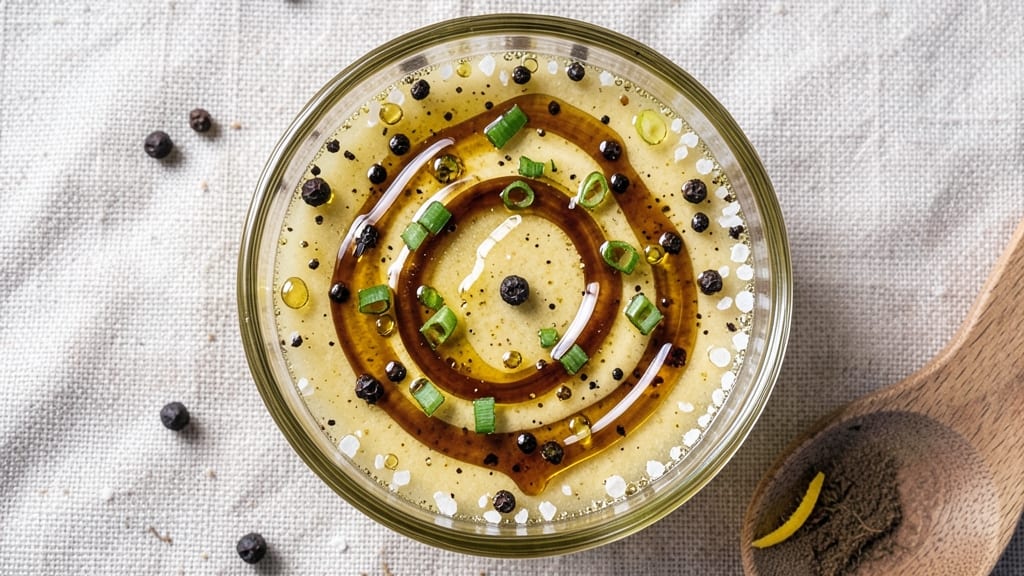
This apple cider vinegar and olive oil salad dressing recipe transforms simple ingredients into a bright, tangy emulsion that elevates every green. The secret lies in balancing sharp apple cider vinegar with rich olive oil, creating a dressing that clings perfectly to lettuce while adding depth to any dish.
No fancy equipment needed—just a jar and a whisk for a foolproof, restaurant-quality base.
The foundation is simple: equal parts olive oil and apple cider vinegar, emulsified with a touch of Dijon mustard for stability. This classic ratio delivers a clean, tangy flavor that cuts through rich ingredients, making it ideal for hearty salads, grain bowls, or even as a marinade.
The dressing stays fresh for up to two weeks in the fridge, so you can make a batch and use it all week.
What sets this dressing apart is its versatility—it works with delicate arugula or robust kale, pairs beautifully with grilled proteins, and even enhances roasted vegetables. The acidity brightens flavors while the olive oil adds richness, creating a perfect balance in every bite.
For extra depth, stir in fresh herbs, garlic, or a hint of sweetener like honey or maple syrup.
Perfect for meal prep or last-minute salads, this dressing is a game-changer for anyone who loves bold, tangy flavors without the fuss. Let’s get started!
Ingredients for apple cider vinegar and olive oil salad dressing
Six core ingredients create a tangy, restaurant-quality dressing that transforms simple greens.
| Ingredient | Amount | Notes |
|---|---|---|
| Extra-Virgin Olive Oil 🫒 | ½ cup | High-quality, fruity variety preferred |
| Apple Cider Vinegar 🍏 | ½ cup | Raw, unfiltered preferred for depth |
| Dijon Mustard 🌶️ | 1 tbsp | For stable emulsion |
| Garlic Cloves 🧄 | 2 cloves | Fresh, minced for subtle flavor |
| Sea Salt 🧂 | ½ tsp | Fine grain preferred |
| Black Pepper 🌶️ | ¼ tsp | Freshly ground for best flavor |
| Fresh Parsley 🌿 | 2 tbsp | Chopped, for freshness |
| Maple Syrup 🍁 | 1 tsp | Optional, for subtle sweetness |
The olive oil and apple cider vinegar are the stars here—look for extra-virgin olive oil with a fruity, peppery finish and raw, unfiltered apple cider vinegar for deeper flavor. Trader Joe's and Whole Foods carry excellent options, but any reputable grocery store will have solid choices. The Dijon mustard is non-negotiable for stability; Maille or whole-grain mustard work best. Fresh garlic and parsley elevate the dressing, but dried herbs can substitute in a pinch (use half the amount). For the sweetener, maple syrup adds subtle depth, but agave or honey (if not vegan) work equally well.
No Dijon mustard? Yellow mustard thinned with water works in a pinch, though the flavor won't be as refined. Short on fresh parsley? Dried parsley at one-third the amount gets you close, but fresh is ideal. The maple syrup can be omitted if you prefer a sharper dressing, or swapped for balsamic glaze for extra richness. For a smoky twist, add a dash of smoked paprika. The garlic can be roasted for a sweeter note—just toss whole cloves in the oven at 400°F for 10 minutes before mincing.
This dressing keeps beautifully in an airtight jar in the fridge for up to 2 weeks, though the flavor actually improves as it sits. Shake well before each use, as the oil and vinegar will separate. For longer storage, freeze in ice cube trays—thaw and shake to re-emulsify. Make a double batch; you’ll want it on hand for salads, roasted veggies, and even grilled proteins. The emulsion holds up well even after freezing, making it perfect for meal prep.
Why You'll Love This Recipe
- Five-Ingredient Magic: I swear by this combo—just oil, vinegar, mustard, garlic, and salt. No fancy gadgets, no stress. The only "chopping" is mincing one clove of garlic, and honestly? Even that’s optional if you’re in a rush.
- Tangy Brightness: That apple cider vinegar isn’t just tangy—it’s alive. The sharpness cuts through greasy salads, while the olive oil keeps it rich. Add a pinch of salt, and suddenly your greens taste like they’re from a farmstand, not a bag.
- Pantry Staple Power: Between us, I’ve used this on everything from kale salads to roasted chicken. It’s the one dressing that never lets me down—whether I’m prepping for the week or throwing together a last-minute charcuterie board.
- Lasts All Week: Make a big batch (I usually double the recipe) and store it in the fridge. The flavors actually deepened after three days—no weird separation, no weird textures. Just reliable, crave-worthy dressing whenever I need it.
Step-by-step instructions for apple cider vinegar and olive oil salad dressing
This simple method creates a balanced, tangy dressing that enhances any salad.
Combine Vinegar and Mustard
In a small bowl, whisk together the 0.5 cup apple cider vinegar and 1 tablespoon Dijon mustard until fully blended. The mustard helps emulsify the oil later, preventing separation. Stir vigorously for 30 seconds to ensure the mustard dissolves completely—you should see a smooth, pale yellow mixture without any lumps.
I like to use a small whisk or fork for this step. The acidity of the vinegar will help break down the mustard seeds, creating a stable base for the dressing. If you notice any graininess, continue whisking for another 10 seconds—this ensures your final dressing will be silky smooth.
Add Sweetener and Seasonings
Next, add the 1 teaspoon maple syrup, 0.5 teaspoon sea salt, and 0.25 teaspoon black pepper to the vinegar mixture. Whisk everything together until the maple syrup is fully incorporated and the salt and pepper are evenly distributed. The syrup adds subtle sweetness that balances the vinegar's acidity, while the salt and pepper enhance the overall flavor profile.
Taste the mixture at this stage—it should be tangy with a touch of sweetness and a hint of peppery warmth. If you prefer more sweetness, add an extra ¼ teaspoon maple syrup, or if it needs more acidity, add ½ teaspoon vinegar. Adjustments now prevent overpowering flavors later.
Incorporate the Garlic and Parsley
Mince the 2 garlic cloves finely—you want tiny pieces, not coarse chunks, so they distribute evenly. Add them to the bowl along with the 2 tablespoons chopped fresh parsley. Stir gently to combine, being careful not to crush the garlic further. The parsley adds freshness and a pop of color, while the garlic contributes a subtle, aromatic depth that complements the vinegar's brightness.
For best results, use freshly minced garlic and finely chopped parsley. If you're short on time, you can use 1 teaspoon garlic powder instead, but fresh garlic gives a more complex flavor. The parsley should be cut into small pieces so it blends seamlessly into the dressing.
Gradually Add the Olive Oil
With the whisk still in the bowl, slowly drizzle in the 0.5 cup extra-virgin olive oil while continuing to whisk vigorously. The key here is patience—adding the oil too quickly can cause the dressing to separate. Start with a slow, steady stream, whisking constantly to emulsify the mixture. Once half the oil is added, you should see the dressing begin to thicken slightly.
Continue whisking for another 30-45 seconds after all the oil is incorporated. The dressing should have a creamy, slightly thick consistency, similar to heavy cream. If it looks too thin, whisk in an extra 1 teaspoon olive oil to reach your desired texture. This gradual addition ensures a stable emulsion that won't separate in your salad bowl.
Taste and Adjust
Give the dressing a final taste and adjust the seasoning if needed. If it's too tangy, add a pinch more sea salt or a drizzle of olive oil to mellow the acidity. If it needs more brightness, add another ½ teaspoon apple cider vinegar. The dressing should be well-balanced—tangy, slightly sweet, with a touch of garlic and pepper.
Transfer the dressing to a clean jar or airtight container and let it sit for 10-15 minutes before using. This resting time allows the flavors to meld together, resulting in a more cohesive taste. Shake gently before each use, especially if you notice any separation—this dressing is designed to be versatile and will keep well in the refrigerator for up to 2 weeks.
Pro Tips For Making Apple Cider Vinegar And Olive Oil Salad Dressing
- Whisk in Stages: I learned this the hard way—dumping all the olive oil into the vinegar first makes a stubborn, thick blob. Instead, start with the vinegar, mustard, and garlic, then slowly drizzle in the oil while whisking. The emulsion builds properly this way, and you won’t end up with greasy clumps fighting for their lives in your salad.
- Use Raw Garlic (No Mashing): Peeling and mincing garlic is a pain, but never crush it into a paste for this dressing. Raw garlic has a sharper bite that brightens the vinegar, while cooked garlic turns bitter and muddies the flavor. Just chop it fine—no need for food processor drama.
- Salt the Mustard First: This isn’t just about seasoning—it’s about balance. Taste the Dijon mustard before mixing, and add a pinch of salt (about ¼ teaspoon per tablespoon of mustard). It mellows the sharpness and lets the vinegar’s tang shine through. Trust me, your dressing will taste more polished without overpowering acidity.
- Dressing Won’t Thicken? Add Warm Water: Cold water’s your enemy here. If the dressing separates or stays too thin, stir in 1 teaspoon of warm water at a time. The heat helps the mustard’s proteins relax and bind the oil and vinegar properly—no weird gums or clumps. (Yes, even if you’re impatient like me.)
Perfect pairings for apple cider vinegar and olive oil salad dressing
Salad Pairings
This dressing is a game-changer for mixed greens—toss it with arugula, spinach, or kale for a bright, peppery bite. I love it on spring salads with radishes, cucumbers, and thinly sliced red onions.
For heartier options, pair it with roasted sweet potatoes, quinoa, or chickpeas—the tangy notes cut through the richness beautifully. 🥗
Try it on grain bowls with farro, brown rice, or bulgur wheat. The acidity in the dressing helps balance the earthy flavors of grains, while the olive oil adds a luxurious finish.
For a winter twist, add shredded Brussels sprouts, pomegranate seeds, and candied pecans to create a festive salad that feels special yet simple.
Protein Pairings
Use this dressing as a marinade for grilled chicken or shrimp—1-2 tablespoons brushed on before cooking adds incredible flavor. I also drizzle it over seared salmon or pan-seared scallops for a zesty contrast.
For plant-based options, toss it with marinated tofu, tempeh, or grilled halloumi—the tang enhances the umami notes perfectly.
Try it as a dipping sauce for crudité platters or warm pita bread with hummus. The dressing’s balance of acidity and richness makes it ideal for dipping—just thin it slightly with a splash of water if needed for easier pouring.
It also works wonders on taco bowls or burrito bowls, adding moisture and flavor to every bite.
Vegetable Enhancer
Drizzle this dressing over roasted Brussels sprouts, asparagus, or zucchini for an instant flavor boost. The acidity helps tenderize slightly under-roasted veggies, while the olive oil adds a silky finish. I love it on warm roasted carrots with a sprinkle of toasted almonds—it’s simple but feels gourmet. 🌱
Use it as a finishing drizzle for grilled eggplant, bell peppers, or portobello mushrooms. The dressing’s brightness elevates the smoky flavors of grilled vegetables, making them feel restaurant-quality.
For a quick side dish, toss it with steamed green beans or snap peas—just add a pinch of red pepper flakes for extra heat.
Beverage Pairings
Pair this dressing with sparkling water and lemon for a refreshing, palate-cleansing drink. The effervescence complements the dressing’s acidity, making it a perfect match for summer meals. For a wine pairing, try a crisp Sauvignon Blanc—its citrus notes harmonize beautifully with the apple cider vinegar. 🍷
If you prefer beer, a wheat beer or Belgian witbier works wonders. The light, citrusy flavors in these beers mirror the dressing’s brightness, creating a well-rounded pairing. For a non-alcoholic option, ginger ale or kombucha adds a fizzy contrast that keeps the meal feeling lively and fresh.
Nutrition facts
Frequently asked questions
Why does my dressing separate after a few hours?
The oil and vinegar naturally separate because they don't mix on their own. The Dijon mustard acts as an emulsifier, but if you whisk too quickly or don't add the oil slowly, separation can happen. Always whisk vigorously while drizzling the oil, and give it a quick shake before each use. For extra stability, add 1 teaspoon honey or corn syrup to help bind the emulsion.
Can I make this dressing without Dijon mustard?
Yes, but the texture may be less stable. Use 1 teaspoon yellow mustard thinned with 1 teaspoon water as a substitute, or try 1 teaspoon mayonnaise for a richer version. For a mustard-free option, whisk the vinegar and oil together in a blender for 30 seconds—this creates a temporary emulsion that works for immediate use (but will separate faster).
How can I make this dressing spicier or sweeter? For extra heat, add ½ teaspoon red pepper flakes or 1 teaspoon hot sauce—start with less and adjust to taste. For more sweetness, increase the maple syrup to 2 teaspoons or swap in 1 teaspoon honey (if not vegan). For a smoky twist, add ¼ teaspoon smoked paprika.
Will this dressing work for non-salad uses?
This versatile dressing doubles as a marinade for grilled chicken or shrimp, a dipping sauce for veggies or pita, or even a finishing drizzle for roasted vegetables. For marinades, use 2-3 tablespoons per pound of protein and let it sit for 15-30 minutes before cooking. The acidity helps tenderize meat while adding bright flavor.
How do I store leftovers to keep them fresh?
Transfer the dressing to an airtight jar or container and refrigerate for up to 2 weeks. Before each use, shake or whisk vigorously to re-emulsify. For longer storage, freeze in ice cube trays—thaw overnight in the fridge and shake to restore consistency. Pro tip: Add a pinch of salt** to frozen dressing to help preserve flavor during thawing.