
Sauces & Condiments
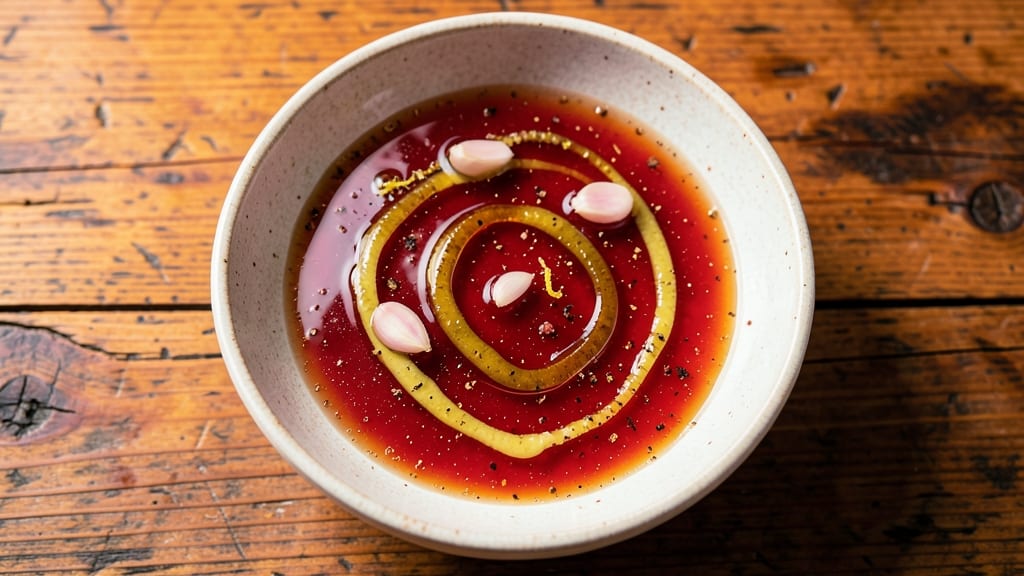
This apple cider vinegar and olive oil dressing recipe transforms simple pantry staples into a bright, tangy base that elevates everything from crisp salads to roasted vegetables. The secret lies in balancing sharp apple cider vinegar with rich olive oil and a touch of sweetness, creating a dressing that's versatile enough for any meal while keeping prep effortless. With just five ingredients and five minutes of whisking, you'll have a condiment that adds depth to dishes without overpowering them.
The magic happens when you combine the acidity of apple cider vinegar with the smoothness of olive oil, creating a dressing that's both bold and balanced.
A splash of Dijon mustard adds subtle complexity, while a drizzle of maple syrup softens the tang—just enough to make it work with both sweet and savory dishes. This isn't your average vinaigrette; it's a foolproof base that adapts to any flavor profile you throw at it.
What makes this dressing truly special is its versatility. Drizzle it over mixed greens for a zesty bite, toss it with roasted Brussels sprouts for extra flavor, or use it as a dip for warm pita bread.
The dressing keeps well in the fridge for up to two weeks, so you can make a batch and use it throughout the week without worry. It's the kind of condiment that makes healthy eating feel indulgent.
For an extra layer of flavor, consider adding fresh herbs like thyme or rosemary, or a pinch of garlic powder for depth. The possibilities are endless, but the foundation remains simple and effective. Let's get started on creating your new go-to dressing!
Ingredients for apple cider vinegar and olive oil dressing
Five simple ingredients, one perfect dressing—bright, tangy, and ready in minutes.
| Ingredient | Amount | Notes |
|---|---|---|
| Apple Cider Vinegar 🍎 | ½ cup | Raw, unfiltered preferred |
| Extra-Virgin Olive Oil 🫒 | ¾ cup | High-quality, fruity variety |
| Dijon Mustard 🌶️ | 1 tbsp | Mild or regular strength |
| Pure Maple Syrup 🍁 | 1 tbsp | Grade B for richer flavor |
| Sea Salt 🧂 | ½ tsp | Fine grain preferred |
| Fresh Garlic Cloves 🧄 | 1 clove | Minced for extra depth |
| Fresh Thyme Leaves 🌿 | ¼ tsp | Chopped, optional garnish |
The apple cider vinegar is the star here—raw, unfiltered has more flavor than pasteurized. Bragg or Texas Pete are my go-tos, but any raw brand works. Olive oil quality matters too—California avocado oil or Spanish picual adds a nice fruity note. I grab mine from Whole Foods or Trader Joe's bulk section to save money. The Dijon mustard should be smooth, not grainy—Maille is pricey but worth it if you're feeling fancy. For maple syrup, Grade B has that smoky depth that makes this dressing special.
No apple cider vinegar? White wine vinegar or lemon juice works in a pinch, but it won't taste exactly the same. Short on olive oil? Avocado oil or grapeseed oil are neutral swaps. Dijon mustard too strong? Yellow mustard at half the amount softens the kick. Want extra zing? Add a pinch of red pepper flakes. The garlic and thyme are optional but add layers—skip them if you're keeping it strictly five ingredients. Fresh herbs like parsley or basil can go in too, but they're not essential. This dressing is flexible enough to handle whatever you've got.
Store it in a clean glass jar with a tight seal—keeps for 2 weeks in the fridge. Shake before each use, especially if you're adding solids like herbs. I double the batch and keep one in the pantry for quick salads. Freezes beautifully for up to 3 months if you want to make a big batch. The flavors actually meld better over time, so it's perfect for meal prep. Just remember: the longer it sits, the more you'll need to shake it.
Why You'll Love This Recipe
- Five-Ingredient Magic: I swear by this combo—just shake, taste, adjust. No fancy tools, no waiting, no stress. That tangy-sweet balance hits every time, and honestly? It’s the kind of dressing I make when I’ve forgotten to grocery shop.
- Tangy-Sweet Obsession: The maple syrup and apple cider vinegar team up like old friends—bright, deep, and just a little bit addictive. A drizzle over greens or a toss with roasted veggies? Absolute perfection. (Yes, even on a Tuesday night.)
- Pantry Staple Power: No last-minute ingredient hunts here. If you’ve got olive oil, vinegar, and a pinch of salt, you’re golden. Between us, this is the dressing I reach for when my fridge is half-empty but my cravings aren’t.
- Week-Long Lifespan: Make a big batch—it keeps for days in the fridge, ready to elevate whatever’s on your plate. I’ve used the same jar for salads, marinades, and even a quick glaze for chicken. Zero waste, all flavor.
Step-by-step instructions for apple cider vinegar and olive oil dressing
This tangy, balanced dressing comes together in minutes with just a few simple steps.
Whisk Together the Vinegar and Sweetener
In a medium bowl, combine the 0.5 cup apple cider vinegar and 1 tablespoon pure maple syrup. I like to use a clean whisk for this step—it helps emulsify the dressing right from the start. Stir until the maple syrup dissolves completely, creating a smooth, slightly syrupy base. This balance of acidity and sweetness is what makes this dressing so versatile for both salads and dips.
Taste the mixture now—it should be pleasantly tangy with a touch of sweetness. If you prefer more sweetness, add a pinch more maple syrup, but remember this will be balanced by the olive oil and salt later. The vinegar should be the dominant flavor here, so don't over-sweeten it.
Add Mustard and Salt for Depth
Next, stir in the 1 tablespoon Dijon mustard and 0.5 teaspoon sea salt. The mustard adds a subtle tang and helps create that perfect emulsion when we add the olive oil. Use a fine grain salt here—it dissolves more easily and distributes evenly throughout the dressing.
Let the mixture sit for 1 minute while you prepare the remaining ingredients. This brief pause allows the flavors to meld slightly, which makes the final dressing taste more cohesive. You'll notice the mustard will thicken the mixture just a bit, which helps stabilize the dressing when we add the oil.
Incorporate Garlic and Thyme for Aroma
Add the 1 clove minced fresh garlic and 0.25 teaspoon chopped fresh thyme leaves to the bowl. The garlic should be finely minced—this ensures it distributes evenly without making the dressing gritty. The thyme adds a subtle herbal note that pairs beautifully with the vinegar and olive oil.
Give everything a good stir to combine. Here's the thing—if you're using fresh thyme, you might want to taste the mixture now to check the flavor balance. The thyme can be quite potent, so a little goes a long way. If you're using dried thyme instead, reduce to about 0.125 teaspoon to maintain the same flavor intensity.
Slowly Emulsify the Olive Oil
With the whisk in hand, begin adding the 0.75 cup extra-virgin olive oil very slowly—about 1 tablespoon at a time. This gradual addition is crucial for creating a proper emulsion. Whisk vigorously after each addition until the oil is fully incorporated before adding more.
You'll know you're doing it right when the dressing starts to thicken and become creamy rather than separating. If you add the oil too quickly, you might end up with a split dressing where the oil floats on top. Be patient—this step takes about 2-3 minutes total. The result should be a smooth, velvety dressing with no visible separation.
Adjust and Store Properly
Taste the dressing one final time. It should have a perfect balance of tangy, sweet, and savory flavors with a subtle herbal note. If it needs more acidity, add another ½ teaspoon of apple cider vinegar. For more richness, add another ½ tablespoon of olive oil. Remember, you can always adjust, but you can't take it out once it's in.
Transfer the dressing to a clean glass jar with a tight-sealing lid. Store it in the refrigerator for up to 1 week. The flavors will continue to meld and improve over time, making it even more delicious. This dressing works beautifully on mixed greens, grain bowls, roasted vegetables, and even as a dip for crusty bread or fresh vegetables.
Pro Tips For Making Apple Cider Vinegar And Olive Oil Dressing
- Whisk in stages: Start with just the vinegar and mustard—mixing these first creates a smooth emulsion before adding oil. I learned this the hard way: dumping all ingredients at once leads to a clumpy mess that no shaking fixes.
- Use raw, unfiltered vinegar: The cloudy bits in raw apple cider vinegar add depth—skip the filtered kind, even if it’s cheaper. That sediment is flavor, not impurities, and it makes the dressing taste more complex than anything store-bought.
- Measure syrup last: Add the maple syrup after emulsifying the vinegar and oil, then adjust sweetness to taste. Syrup thins the dressing faster than you’d expect, so holding back until the end gives you better control.
- Salt the oil first: Dissolve the salt directly into the olive oil before combining with anything else. It blends in evenly and prevents grainy texture—no one wants to taste a salt crystal in their bite. (Yes, even if you’re impatient like me.)
Essential equipment for this recipe
Basic Whisk Set
You don’t need anything fancy—just a good-quality whisk with a sturdy handle. I use a stainless steel wire whisk from OXO because it’s durable and does a fantastic job emulsifying the oil and vinegar.
For smaller batches, a mini whisk (like the Norpro Mini Whisk) works perfectly in a small bowl. Avoid plastic whisks—they can scratch glass containers and leave residue. 💛
Glass Jars
Store your dressing in amber or dark glass jars with airtight lids—I swear by Le Parfait 16-ounce jars for their tight seals and stackable design. The dark glass protects the dressing from light, which can degrade olive oil over time.
If you’re making a single serving, a small mason jar (like Ball 8-ounce) works great. Just make sure the lid seals completely to prevent contamination.
Measuring Tools
Precision matters here! Use a liquid measuring cup with clear markings for the apple cider vinegar and olive oil—I love the Pyrex 1-cup measure because it’s unbreakable and easy to read.
For smaller amounts like the Dijon mustard or maple syrup, a stainless steel measuring spoon set (like OXO Good Grips) is a game-changer. Avoid plastic spoons—they can absorb odors and flavors over time.
Optional: Immersion Blender
If you prefer a smoother texture or want to skip whisking, an immersion blender (like the Ninja QW1501) can save time and effort. Simply blend all ingredients directly in the jar—no whisking required!
This is especially helpful if you’re adding fresh herbs or garlic, as it breaks them down more finely. Just pulse in short bursts to avoid over-blending, which can turn the dressing too thin. ✨
Flavor Adjustment Tools
Keep a small spice jar of red pepper flakes and a mini garlic press handy for quick adjustments. I also like having a small squeeze bottle (like OXO Good Grips) for drizzling extra olive oil or vinegar when tweaking the dressing’s balance.
A tasting spoon (a clean, dedicated spoon just for tasting) ensures you’re not cross-contaminating your ingredients. Trust me, it makes a difference!
Nutrition facts
Frequently asked questions
Can I make this dressing without Dijon mustard?
Swap the 1 tablespoon Dijon mustard for 1 teaspoon of honey or ½ teaspoon of soy sauce for umami depth. For a milder taste, use 1 teaspoon of yellow mustard instead. The mustard helps emulsify the oil, so if you omit it, whisk extra slowly to prevent separation.
How do I fix a dressing that separated?
Give it a good shake or whisk vigorously to re-emulsify. If it still splits, add 1 teaspoon of Dijon mustard or ½ teaspoon of xanthan gum (a pinch) to stabilize it. For a quick fix, stir in 1 tablespoon of warm water to help bind the oil and vinegar. Prevention tip: Always add oil slowly while whisking!
What are the best vegan swaps for this dressing?
This recipe is already vegan, but if you want to tweak it further, try agave nectar instead of maple syrup or balsamic vinegar for a deeper flavor. For extra richness, add 1 tablespoon of tahini or avocado oil. The key is balancing acidity (vinegar) with fat (oil) for that perfect tangy texture.
Can I use this dressing on cooked dishes?
Yes! Drizzle it over roasted sweet potatoes, grilled tofu, or warm lentils for a bright finish. It also works as a marinade for chicken or fish—just reduce the oil to ½ cup and add 1 teaspoon of smoked paprika. The acidity tenderizes proteins beautifully.
Why does my dressing taste too strong?
Balance it with ½ teaspoon more maple syrup or a splash of water to dilute the acidity. If the vinegar flavor dominates, add ½ tablespoon more olive oil to mellow it out. Taste as you go—you can always adjust, but avoid over-sweetening, which can make the dressing cloying.