
Sauces & Condiments
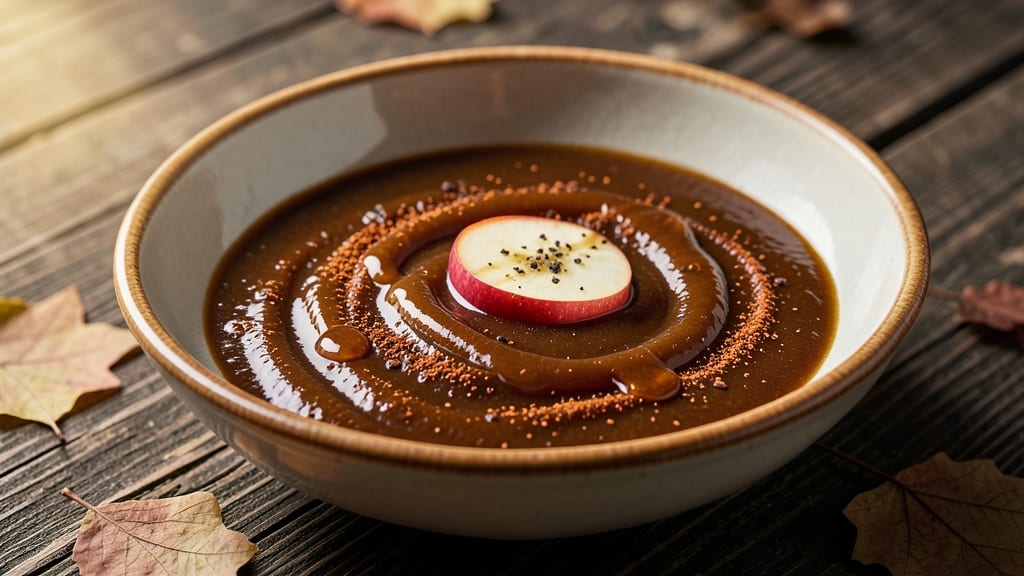
This apple cider vinegar-based BBQ sauce recipe transforms your grill into a smoky-sweet flavor factory—where tangy depth meets caramelized richness. 🔥 After years of perfecting sauces that stand up to high-heat cooking, I developed this one to cut through fatty meats while adding layers of complexity. The vinegar's acidity tenderizes while the molasses and spices create that signature sticky glaze that caramelizes beautifully on the grill.
The secret lies in balancing sweetness and acidity—too much sugar burns, but too little vinegar loses depth. I use apple cider vinegar for its fruity brightness and molasses for a deep, almost butterscotch note that never overpowers.
Brown sugar adds caramelization, while chili powder and smoked paprika bring that essential BBQ backbone. This sauce isn't just for grilling; it excels as a marinade, braising liquid, or dipping sauce.
What makes this sauce truly special is its versatility—it works on everything from ribs to chicken wings, pork shoulders to vegetables. The caramelized crust forms right on the grill, locking in juices and creating that perfect balance of tangy, sweet, and smoky flavors in every bite.
Once you try this, store-bought sauces will never measure up.
Ready in just 20 minutes, this sauce keeps for up to 3 weeks in the fridge, making it perfect for meal prep. Whether you're smoking a brisket or basting grilled peaches, this recipe delivers restaurant-quality results with minimal effort. Let's get cooking!
Ingredients for apple cider vinegar based bbq sauce
Nine simple ingredients transform into a sauce that caramelizes beautifully on the grill.
| Ingredient | Amount | Notes |
|---|---|---|
| Apple Cider Vinegar 🍎 | ½ cup | Raw, unfiltered preferred for depth |
| Molasses 🍯 | ⅓ cup | Unsulphured for authentic flavor |
| Brown Sugar 🍚 | ½ cup | Light or dark, packed firmly |
| Water 💧 | ½ cup | Filtered or spring water preferred |
| Smoked Paprika 🌶️ | 2 tbsp | High-quality, not smoked paprika blend |
| Chili Powder 🔥 | 1 ½ tbsp | Medium heat, not cayenne |
| Garlic Powder 🧄 | 1 ½ tsp | Freshly ground preferred |
| Onion Powder 🧅 | 1 ½ tsp | Not onion salt |
| Ground Black Pepper 🌶️ | ½ tsp | Freshly cracked preferred |
| Salt 🧂 | 1 ½ tsp | Kosher or sea salt |
The apple cider vinegar is the heart of this sauce—Bragg or Texas Pete are my go-tos, but any raw, unfiltered brand works. Molasses can be tricky: unsulphured is key for that authentic depth. I grab mine from Trader Joe's or Whole Foods—they carry the good stuff. Brown sugar should be packed firmly into the cup; don't scoop it loosely. The spices? Penzeys or bulk bins at natural food stores have the freshest ground spices, but the regular grocery store stuff works fine if it's labeled 'freshly ground.'
No molasses? Maple syrup works in a pinch, but it'll taste sweeter and less complex. Short on vinegar? Balsamic vinegar at half the amount adds richness, though it loses that fruity brightness. The smoked paprika is non-negotiable—it's what gives this sauce that signature BBQ depth. No smoked paprika? Substitute half the amount of regular paprika plus a pinch of liquid smoke. For a quicker version, use pre-made BBQ spice blends (like McCormick's) at double the amount, but you'll lose some of that homemade balance.
This sauce thickens as it cooks—simmer it uncovered to prevent splattering. Keeps for 3 weeks in the fridge, or 6 months frozen in ice cube trays. I double the batch every time; one for grilling, one for marinating. The caramelized version tastes even better the next day—trust me on that. For leftovers, reheat gently on the stove with a splash of water to restore thickness.
Why You'll Love This Recipe
- Pantry Magic: I swear, this sauce comes together with stuff I already have—no specialty trips. The molasses and brown sugar caramelize in minutes, while the apple cider vinegar cuts through the sweetness like a bright, tangy wake-up call.
- Smoky-Sweet Balance: That smoked paprika? It’s the secret weapon—deep, earthy, but not overpowering. The vinegar’s sharpness keeps it from being cloying, so every glaze or baste has this perfect contrast: rich, smoky, with a little bite that makes it unforgettable.
- Weeknight Hero: I’ve drizzled it on grilled chicken for a quick dinner, tossed it with roasted sweet potatoes, and even used it as a marinade. It’s the kind of sauce that turns simple meals into something special without demanding extra time or effort.
- Budget-Friendly Staple: A single batch costs me pennies and lasts for weeks. The molasses and vinegar stretch far, and I’ve even frozen extras in ice cube trays for quick glaze boosts later. No waste, just flavor that keeps giving.
Step-by-step instructions for smoky apple cider BBQ sauce
Here's how to create a rich, caramelized sauce that brings deep flavor to every bite.
🍳 Step 1: Combine Wet Ingredients for Depth
In a medium saucepan, whisk together the 0.5 cup apple cider vinegar, 0.33 cup unsulphured molasses, and 0.5 cup brown sugar until fully dissolved. The molasses should blend smoothly—if it clumps, gently warm the mixture over low heat for 1-2 minutes while stirring constantly. Here's the thing—molasses is thick, so proper incorporation prevents graininess in your finished sauce.
Add the 0.5 cup water and bring the mixture to a gentle simmer over medium heat. Let it cook uncovered for 5-7 minutes, stirring occasionally, until the sugar begins to dissolve and the liquid reduces slightly. You'll notice the aroma intensify—this is when the vinegar's tang starts to marry with the molasses' richness. Keep an eye on it; you're aiming for a syrupy consistency but not yet fully reduced.
🔥 Step 2: Build the Smoky Foundation
Reduce heat to medium-low and stir in the 2 tbsp smoked paprika, 1.5 tbsp chili powder, 1.5 tsp garlic powder, 1.5 tsp onion powder, 0.5 tsp ground black pepper, and 1.5 tsp salt. Let the mixture simmer for 8-10 minutes, stirring frequently, until it thickens noticeably and coats the back of a spoon. This is where the magic happens—the spices bloom and infuse into the liquid, creating that signature smoky-sweet profile.
Watch for the sauce to darken slightly and develop a glossy sheen. If it starts to stick to the pan, add 1-2 tablespoons of water to maintain even cooking. The goal is a smooth, velvety texture that's still pourable but with substantial body. Here's a pro tip: Don't rush this step. The longer the spices simmer, the more complex the flavor becomes.
⏰ Step 3: Reduce for Caramelized Intensity
Increase heat back to medium-high and let the sauce reduce uncovered for 10-12 minutes, stirring occasionally. You'll see it transform from a thin syrup to a thick, syrupy glaze. The sauce should coat the back of a spoon and leave a distinct mark when you drag a finger through it. This is the point where the molasses and brown sugar caramelize, creating that deep, almost butterscotch-like richness.
Taste and adjust seasoning if needed—this is your chance to fine-tune the balance between sweet, smoky, and tangy. If it needs more depth, add a splash of apple cider vinegar. If it's too sharp, a pinch of brown sugar or molasses will help. Real talk: The first taste might surprise you—it's bold, but that's exactly what makes it perfect for grilling.
🥘 Step 4: Cool and Thicken for Grilling Perfection
Remove the sauce from heat and let it cool at room temperature for 15-20 minutes. As it cools, it will thicken naturally—this resting period allows the flavors to meld completely. Transfer to a clean jar or airtight container and refrigerate for at least 1 hour before using. The cold helps set the texture, making it ideal for brushing onto meats or drizzling over finished dishes.
This sauce keeps well in the refrigerator for up to 2 weeks or can be frozen for 3 months. When ready to use, give it a quick stir—it may thicken further when cold, so you might want to thin it slightly with a splash of water if needed. The beauty of this recipe is its versatility: use it as a marinade, glaze, or finishing sauce for anything from ribs to grilled vegetables.
Pro Tips For Making Apple Cider Vinegar Based Bbq Sauce
- Simmer Low and Slow: I used to rush this sauce, thinking high heat would cut the cooking time—but it just burns the molasses and makes the vinegar taste harsh. Drop the heat to medium-low and let it bubble gently for at least 20 minutes. The flavors meld without turning bitter, and you’ll end up with a glossy, balanced sauce instead of a sticky mess.
- Strain the Molasses: Store-bought molasses often has sediment that clumps and burns, ruining the smooth texture of your sauce. Pour it through a fine-mesh strainer into a bowl before adding it to the pot. It’s a 30-second step that keeps your sauce silky instead of grainy—trust me, you’ll notice the difference.
- Balance the Vinegar: Apple cider vinegar is tangy, but too much can overpower the sweetness. After simmering, taste and adjust: if it’s sharp, add a pinch more brown sugar or a splash of water to dilute. I learned this the hard way—once I made a batch so vinegary my boyfriend swore off BBQ for a week.
- Toast the Spices First: Skip the dry rub step? Your sauce will taste flat. Heat a dry skillet over medium and toast the smoked paprika (and any other spices) for 30 seconds until fragrant. The aroma jumps off the plate, and the flavor is deeper—it’s the difference between good and great BBQ sauce.
Common mistakes when making this recipe
Over-Reducing the Sauce
I’ve seen this happen more times than I can count—someone walks away from the stove for just a minute, and poof, their sauce turns into a sticky, burnt mess.
The molasses and brown sugar caramelize quickly when heat isn’t monitored, and before you know it, you’re staring at a glaze that’s more bitter than sweet. To avoid this, keep the heat at medium-high during reduction and stir constantly.
If the sauce starts to bubble too aggressively or darken too quickly, immediately reduce the heat to low and add 1 tablespoon of water to thin it out. Trust me, a few extra minutes of attention now saves you from scraping burnt bits off the pan later. 🔥
Skipping the Resting Time
This is a rookie mistake that robs your sauce of its full potential. The flavors need time to meld after cooking—rushing to use it straight off the heat means you’ll miss out on that deep, complex harmony.
Let the sauce cool for at least 15-20 minutes at room temperature before refrigerating. This resting period also allows the sauce to thicken naturally, giving it that perfect glaze consistency. I know it’s tempting to slap it on the grill immediately, but patience here makes all the difference.
The first time I skipped this step, my ribs ended up with a sticky, uneven coating instead of that glossy, caramelized crust I was going for.
Using the Wrong Vinegar
Not all vinegars are created equal, and this sauce demands apple cider vinegar. I’ve seen people substitute white vinegar or even balsamic, and while those might work in a pinch, they completely change the flavor profile.
Apple cider vinegar brings that fruity brightness and depth that balances the molasses and spices perfectly. If you’re out of apple cider vinegar, Bragg or Texas Pete are my go-tos, but avoid anything labeled “distilled” or “white”—those lack the complexity this sauce needs.
The acidity also helps tenderize meats, so don’t skip it or dilute it with other vinegars.
Ignoring the Spice Bloom
Stirring in the spices and immediately turning up the heat is a fast track to a bland sauce. The spices need time to “bloom”—that’s when their essential oils release and infuse into the liquid, creating layers of flavor.
After adding the smoked paprika, chili powder, and other spices, let the mixture simmer on medium-low heat for at least 8-10 minutes, stirring occasionally. This step is non-negotiable; it’s what gives your sauce that signature smoky-sweet backbone.
If you rush it, you’ll end up with a sauce that tastes more like sugar and vinegar than a complex BBQ glaze.
Not Adjusting Seasoning Before Using
Tasting the sauce after it’s cooled is a must—this is your chance to fine-tune the balance. If it’s too sharp, add a pinch of brown sugar or molasses. If it’s too sweet, a splash of apple cider vinegar or a sprinkle of salt can bring it back into harmony.
I can’t tell you how many times I’ve had people serve sauce that’s either cloyingly sweet or painfully tangy because they didn’t take this extra step. The goal is a sauce that’s sweet, smoky, and tangy in perfect proportion. Trust your taste buds—they’re your best tool for getting it right.
Using the Wrong Pan
Thin, flimsy pans are a recipe for disaster with this sauce. The molasses and brown sugar can stick aggressively, and if the pan isn’t heavy enough, it won’t distribute heat evenly, leading to hot spots and uneven cooking.
Use a heavy-bottomed saucepan, like a stainless steel or cast iron, to prevent burning and ensure even heat distribution. If you’re worried about sticking, give the pan a quick coat of oil before adding the ingredients.
And for the love of all things smoky, never use non-stick spray—it’ll ruin the flavor and make your sauce taste artificial. A well-seasoned cast iron pan is my go-to for this recipe. ✨
Nutrition facts
Frequently asked questions
Can I use this sauce for non-meat dishes like grilled vegetables?
This sauce works beautifully on grilled vegetables like peppers, zucchini, and eggplant. The tangy-sweet balance enhances their natural flavors, and the caramelization creates a delicious glaze. Just brush it on after grilling for maximum flavor impact.
How do I adjust the heat level for sensitive stomachs?
Reduce the chili powder to 1 teaspoon and omit the smoked paprika if you prefer milder heat. For extra depth without spice, add ½ teaspoon cinnamon or ¼ teaspoon allspice—these warm spices complement the vinegar beautifully while keeping things gentle.
Can I make this sauce without molasses?
Yes, but the flavor will be less complex. Replace the molasses with ⅓ cup maple syrup for sweetness, or use ⅓ cup honey for a floral note. However, molasses provides that signature deep, almost butterscotch richness that's hard to replicate—it's worth tracking down unsulphured molasses if possible.
Why does my sauce get too thick when refrigerated?
This is normal! The sauce thickens as it cools. To use it, simply stir in 1-2 teaspoons of water while warm to restore pourability. For glaze applications, you can also thin it slightly with a splash of apple cider vinegar before brushing on meats.
What's the best way to store leftovers?
Transfer to an airtight container and refrigerate for up to 3 weeks. For longer storage, freeze in ice cube trays—thaw overnight in the fridge before using. The sauce actually improves with age as flavors meld! Just give it a quick stir before using.