
Sauces & Condiments
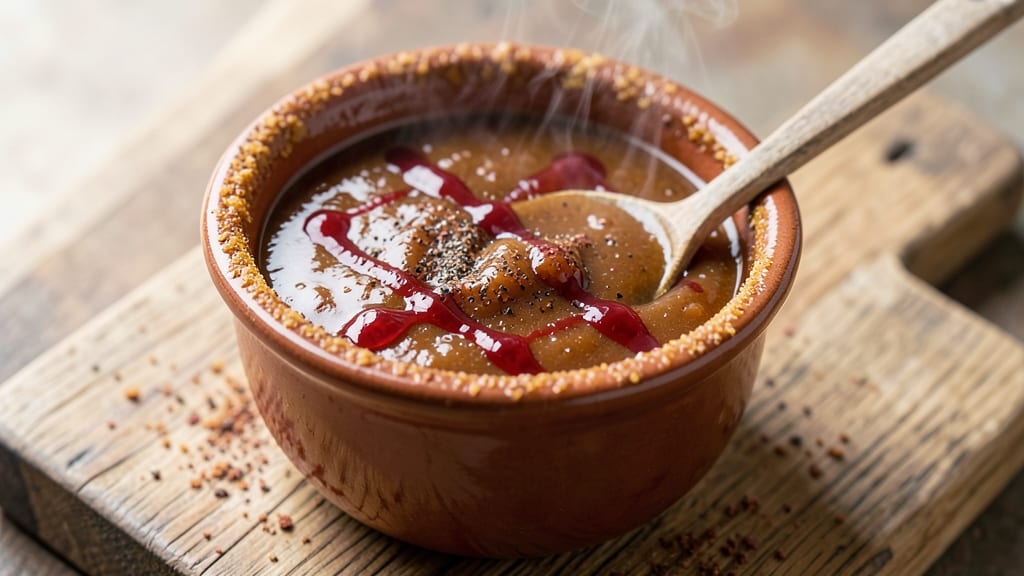
This BBQ sauce recipe with pineapple juice transforms classic smoky flavors into something tropical and irresistibly caramelized. 🔥 The pineapple juice adds a bright, fruity tang that balances the rich sweetness of brown sugar and the deep umami of tomato paste, creating a sauce that's perfect for ribs, pulled pork, or even grilled chicken.
What sets this apart is how the pineapple juice interacts with the spices—it softens the heat while enhancing the caramelization when cooked slowly.
The foundation of this sauce is simple: a blend of tomato paste, apple cider vinegar, and a touch of molasses for depth, all tied together with pineapple juice for that signature tropical twist.
Unlike traditional BBQ sauces that can be overly sweet or cloying, this version strikes the perfect balance—sweet enough to coat your ribs beautifully, but with enough acidity to cut through the richness.
The spices, a mix of smoked paprika, garlic powder, and a pinch of cayenne, add layers of warmth without overpowering the natural sweetness.
What makes this sauce truly special is its versatility. Use it as a glaze for ribs, a marinade for grilled meats, or a tangy dipping sauce for fries and wings.
The pineapple juice ensures it stays vibrant and flavorful, even after being stored in the fridge for up to two weeks. The caramelized edges you get when slow-cooking ribs? That’s the pineapple working its magic, creating a glossy, sticky finish that’s impossible to resist.
For best results, let the sauce simmer until it thickens slightly—this is where the flavors meld together into a cohesive, mouthwatering blend. Whether you're hosting a backyard BBQ or just craving a sweet-and-tangy twist on classic BBQ, this sauce delivers every time.
Ready to elevate your grilling game? Let’s get started.
Ingredients for bbq sauce recipe with pineapple juice
Pineapple juice and smoky spices collide for a BBQ sauce that’s tropical, caramelized, and impossible to resist.
| Ingredient | Amount | Notes |
|---|---|---|
| Tomato Paste 🍅 | ½ cup | Canned, unsweetened preferred |
| Pineapple Juice 🍍 | 1 cup | Fresh or canned, unsweetened |
| Brown Sugar 🍚 | ¾ cup | Light or dark variety |
| Apple Cider Vinegar 🍏 | ¼ cup | Raw, unfiltered preferred |
| Molasses 🍯 | 2 tbsp | Unsulphured for best flavor |
| Smoked Paprika 🌶️ | 1 tbsp | High-quality, vibrant color |
| Garlic Powder 🧄 | 1 tbsp | Freshly ground preferred |
| Ground Cayenne Pepper 🔥 | ½ tsp | Adjust for heat preference |
| Salt 🧂 | 1 ½ tsp | Kosher or sea salt |
| Black Pepper 🌶️ | ½ tsp | Freshly ground preferred |
The pineapple juice is the star here—fresh is ideal, but canned works too (just pick unsweetened). I always grab Dole or Del Monte from the store—they’re consistent and affordable. The tomato paste? Muir Glen is my go-to; it’s smoother and less bitter than some brands. Smoked paprika should have a deep, vibrant color—Penzeys or Simply Organic are great options. Don’t skimp on the molasses; it adds that rich depth that ties everything together. If you’re feeling fancy, grab Grandma’s Molasses—it’s worth the splurge for the flavor.
No pineapple juice? Coconut water or orange juice can work in a pinch, but the flavor won’t be the same. Running low on smoked paprika? Regular paprika plus a pinch of liquid smoke gets you close. The cayenne is totally adjustable—skip it if you’re sensitive to heat, or add more if you’re feeling bold. For the brown sugar, muscovado or turbinado adds extra depth, but regular light brown sugar is fine. And if you’re out of apple cider vinegar, white vinegar or lemon juice will do in a bind—just taste as you go.
This sauce tastes even better the next day as the flavors meld. Store it in a glass jar in the fridge for up to 2 weeks, or freeze it for 3 months if you’re prepping ahead. I like to make a big batch—it’s perfect for ribs, pulled pork, or even drizzling over grilled chicken. The caramelized edges you get when slow-cooking ribs? That’s the pineapple juice working its magic, creating a glossy, sticky finish that’s impossible to resist. Trust me, it’s worth the extra simmer time.
Why You'll Love This Recipe
- Here’s what sold me: this sauce improves over time. The flavors meld even deeper after a day or two, and it keeps for weeks in the fridge. I make a big batch, freeze half, and always have a backup for next month’s cookouts. Budget-friendly? Absolutely.
- Sweet & Tangy Magic: I’ll be real—this sauce is ridiculously good. The pineapple juice cuts through the richness of the tomato paste and brown sugar, while the molasses adds that deep, caramelized punch. It’s the kind of flavor that makes you want to slather it on everything (yes, even toast).
- Pantry Staple Power: Honestly, you’re probably already making this. Tomato paste, brown sugar, vinegar—these are things I always have on hand. No specialty ingredients, no last-minute grocery runs. Just open the cabinet, measure, and simmer.
- Weeknight BBQ Hack: Between us, this is my go-to when I’m grilling chicken or ribs but don’t want to fuss with store-bought sauce. It’s so much better than the bottled stuff, and it takes less time than you’d think—just 20 minutes of simmering while you prep the rest of the meal.
Step-by-step instructions for tropical BBQ sauce
This tropical twist on classic BBQ sauce delivers caramelized sweetness with a smoky kick—perfect for ribs, pulled pork, or grilled chicken.
🍳 Step 1: Build the Sauce Base with Tomato and Pineapple
In a medium saucepan over medium heat, add the 0.5 cup tomato paste and let it cook for 2-3 minutes until it darkens slightly and becomes fragrant. This step develops the sauce's rich, umami foundation. Stir constantly to prevent burning—you'll see it transform from thick paste to glossy, aromatic concentrate.
Next, pour in the 1 cup pineapple juice and 0.75 cup brown sugar. Bring the mixture to a gentle boil, then reduce heat to medium-low. Let it simmer for 5-7 minutes until the sugar dissolves completely and the sauce begins to thicken. You'll notice the pineapple's natural sweetness blending beautifully with the caramelized sugar, creating that signature tropical depth.
🍳 Step 2: Add Depth with Vinegar and Molasses
Stir in the 0.25 cup apple cider vinegar and 2 tbsp molasses. The vinegar will make the sauce bubble vigorously—this is normal! Let it simmer for another 3-4 minutes until the mixture reduces slightly and the tangy-sweet balance emerges. You're aiming for a sauce that's rich but still bright, with just enough acidity to cut through the sweetness.
Here's the thing—don't rush this step. The molasses needs time to meld with the other flavors, adding that deep, smoky complexity. If you see the sauce getting too thick too quickly, add 1-2 tablespoons of water to maintain the right consistency for now.
🍳 Step 3: Infuse with Spices and Seasonings
Reduce heat to low and add the 1 tbsp smoked paprika, 1 tbsp garlic powder, 0.5 tsp ground cayenne pepper, 1.5 tsp salt, and 0.5 tsp black pepper. Stir constantly for 2-3 minutes until the spices are fully incorporated and the sauce smells like a tropical BBQ dream. The smoked paprika will give it that signature smoky aroma, while the cayenne adds just enough heat to balance the sweetness.
Taste and adjust seasoning if needed. I usually find this recipe hits the sweet-spicy balance perfectly, but if you prefer more heat, add a pinch more cayenne. If it needs more tang, a splash of vinegar works wonders. The goal is a sauce that's complex and well-rounded—sweet, smoky, with just a hint of heat.
⏰ Step 4: Simmer to Perfection and Strain
Continue simmering the sauce uncovered for 15-20 minutes over low heat, stirring occasionally. This slow reduction is what creates that glossy, caramelized finish. You'll see the sauce darken and thicken as the flavors deepen—this is when it becomes truly irresistible.
Once thickened to your desired consistency (it should coat the back of a spoon but still be pourable), remove from heat and let it cool for 5 minutes. Then, strain it through a fine-mesh sieve into a clean jar to remove any lumps. The strained sauce will be silky smooth, with all the vibrant colors and flavors intact. This sauce keeps beautifully in the fridge for up to 2 weeks, so make extra if you can!
Pro Tips For Making Bbq Sauce Recipe With Pineapple Juice
- Simmer Slow and Steady: I learned this the hard way—dumping everything in and cranking the heat turns your sauce into a thin, bitter glaze. Start on medium and let it bubble gently for at least 20 minutes. The longer it simmers, the deeper the flavors meld, especially that pineapple sweetness and molasses richness.
- Strain the Pineapple Juice: That cloudy bit in store-bought pineapple juice? It’s full of pulp that thickens your sauce unevenly and makes it look murky. Strain it through a fine-mesh sieve first—yes, it takes 30 seconds, but your sauce will look restaurant-worthy and coat better.
- Balance the Vinegar Last: Apple cider vinegar is the flavor anchor, but add it too early and you’ll end up with a sharp, underdeveloped sauce. Stir in the vinegar and a pinch of salt only in the final 5 minutes of simmering—this lets the sweetness and smokiness build before the acid cuts through.
- Use Dark Molasses for Depth: Light molasses is sweeter but flatter; dark molasses has that caramelized edge that makes your sauce taste like it’s been slow-cooked for hours. Skip the cheap stuff—good molasses costs a few bucks more, but your sauce will taste like it’s been simmered all day. (And if you’re out, a splash of blackstrap works, but it’s more medicinal.)
Storing and reheating your bbq sauce recipe with pineapple juice
Fridge Storage Tips
Transfer your cooled BBQ sauce to an airtight glass jar—I love using Ball canning jars—and store it in the fridge for up to 2 weeks. The pineapple juice helps preserve freshness longer than traditional sauces, but always check for mold or off smells before using.
I like to leave ½ inch headspace to prevent spills when the sauce expands slightly in cold temperatures. 🌱
Freezer Prep for Months
For long-term storage, portion the sauce into freezer-safe silicone molds or quart-sized freezer bags, leaving 1 inch headspace for expansion. Label with the date—this sauce stays vibrant for 3 months in the freezer.
Thaw overnight in the fridge before using, or microwave in 30-second bursts until warmed through. The pineapple juice prevents crystallization that can ruin texture.
Reheating on the Stovetop
My favorite method is reheating on low heat in a small saucepan with 1-2 tablespoons of water to restore moisture lost during storage. Stir constantly for 5-7 minutes until hot—this prevents burning while reviving the caramelized depth.
For extra shine, add a ½ teaspoon of apple cider vinegar at the end to brighten flavors. Never microwave directly from frozen—it creates a skin.
Reviving Thickened Sauce
If your sauce thickens too much during storage, thin it with 1-2 teaspoons of pineapple juice or water while reheating. The pineapple juice actually enhances the tropical notes when added back. For a smoother texture, strain through a fine-mesh sieve after reheating.
This works especially well if you've used the sauce as a glaze—it restores that glossy, clingy consistency perfect for ribs. 💫
Sauce as a Marinade
Use leftover sauce as a marinade by thinning it with equal parts water and letting it sit for 1-2 hours before applying to meats. The acidity in the vinegar and pineapple tenderizes while the spices penetrate deeply.
Store leftover marinade in the fridge for 3 days max—discard any unused portion after contact with raw meat. This is my go-to trick for juicy grilled chicken or pork chops.
Preserving Freshness
To extend shelf life, add a pinch of salt (it acts as a natural preservative) and store in a dark glass jar away from light. The pineapple juice's natural acidity helps inhibit bacterial growth better than most BBQ sauces.
If you notice the sauce separating slightly after refrigeration, just stir vigorously before using—it won't affect flavor or texture. The caramelized edges you get when reheating? That's the pineapple's magic working again. ✨
Nutrition facts
Frequently asked questions
Can I substitute pineapple juice with another fruit juice?
Yes, but the flavor will change. For a similar tropical taste, try mango or orange juice—they add natural sweetness and acidity. If you prefer something more neutral, apple juice works but lacks the fruity depth. Avoid citrus juices like lemon or lime as they can make the sauce too acidic and overpower the smoky spices.
How do I adjust the sweetness level?
Start by reducing the brown sugar by 1-2 tablespoons if you prefer less sweetness. For extra tang, add 1 extra tablespoon of apple cider vinegar or ½ teaspoon of lemon juice. If you want more depth, increase the molasses by 1 teaspoon—it adds a caramelized richness without extra sweetness. Taste as you go!
Can I make this sauce spicier?
Add ½ to 1 teaspoon more cayenne pepper for noticeable heat, or swap in 1 teaspoon of crushed red pepper flakes for a smoky-spicy kick. For a fruity heat, blend in 1 tablespoon of hot sauce (like Cholula) at the end. Always taste first—pineapple juice can mellow out some of the spice.
Why did my sauce turn out too thin?
This usually happens if you didn't simmer long enough or added too much liquid. For a quick fix, return the sauce to low heat and simmer uncovered for 5-10 minutes to reduce. If it's still too thin, mix 1 tablespoon of cornstarch with 2 tablespoons of water, stir into the sauce, and simmer for 2 more minutes until thickened.
What’s the best way to use this sauce on ribs?
Apply a thin layer as a baste during the last 30 minutes of cooking, then brush on a thicker coat for the final 10 minutes to create caramelization. For extra shine, let the ribs rest for 5 minutes after cooking before serving. This sauce also works as a dry rub—mix with 1 tablespoon of brown sugar and coat ribs before grilling!