
Main Courses
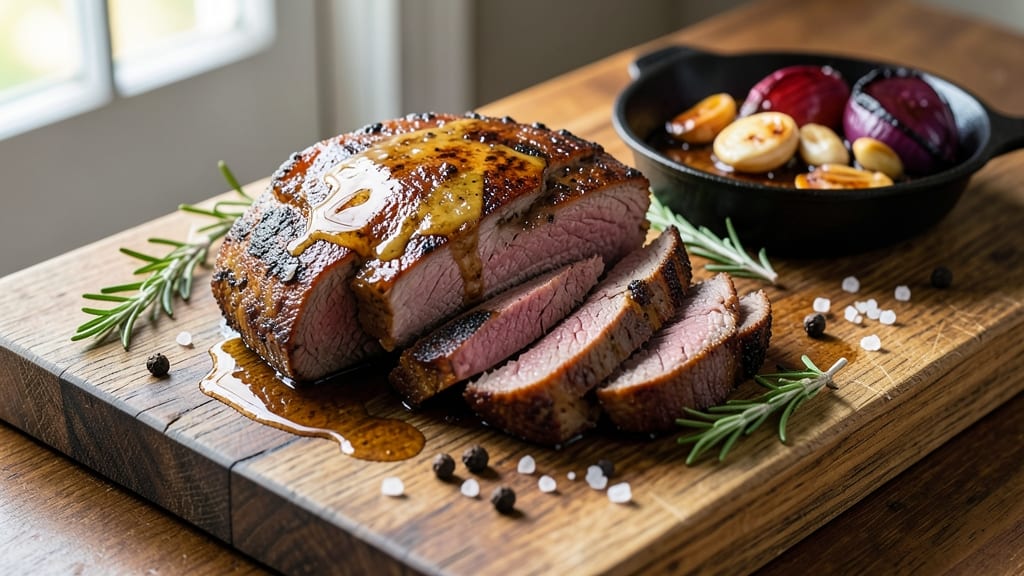
This apple cider vinegar brisket spray recipe transforms tough brisket into fork-tender perfection with a smoky-tangy crust that locks in every drop of juice. The secret lies in a simple spray of apple cider vinegar applied during cooking—acid tenderizes the meat while creating a caramelized bark that seals in flavor.
After perfecting this method over countless smoker sessions, I can confidently say it’s the game-changer you’ve been waiting for.
The process starts with a well-trimmed brisket, generously seasoned and injected with a flavorful brine. As it cooks low and slow, the vinegar spray is applied in stages, enhancing bark development and preventing dryness.
The result? A brisket that’s so tender it practically melts in your mouth, with a crust that’s crispy on the outside and juicy within. This isn’t just a technique—it’s a transformation.
What makes this recipe stand out is the balance of simplicity and precision. No complicated steps, just a few key moves that deliver restaurant-quality results at home. The vinegar spray does more than add flavor—it creates a protective barrier that keeps the meat moist and develops that coveted bark.
By the time it’s sliced, your brisket will be the star of any meal, with sides playing second fiddle.
Serve it with classic accompaniments like creamy mac and cheese, tangy coleslaw, or buttery dinner rolls to soak up every last bit of that smoky-tangy juice. The brisket’s rich, deep flavor pairs perfectly with these sides, making it a meal that’s as impressive as it is delicious.
Let’s get cooking—your taste buds will thank you.
Ingredients for apple cider vinegar spray for brisket
Four pounds of brisket plus a few key ingredients transform into smoky-tangy perfection.
| Ingredient | Amount | Notes |
|---|---|---|
| Beef Brisket 🥩 | 4 lb | Flat-cut, well-trimmed, 1/2-inch fat cap |
| Apple Cider Vinegar 🍏 | ½ cup | Raw, unfiltered preferred |
| Yellow Onion 🧅 | 1 whole | Medium size, sliced for brine |
| Garlic Cloves 🧄 | 8 cloves | Fresh, peeled for brine |
| Kosher Salt 🧂 | ½ cup | Diamond Crystal preferred |
| Black Peppercorns 🌶️ | 1 tbsp | Freshly cracked, coarse grind |
| Brown Sugar 🍚 | ¼ cup | Light or dark, packed |
| Smoked Paprika 🌶️ | 1 tbsp | For dry rub and bark |
| Mustard Powder 🍯 | 1 tsp | Adds depth to bark |
| Water 💧 | 2 cups | For brine, room temperature |
| Beef Tallow 🧈 | 2 tbsp | Optional for extra moisture |
| Wood Chips 🌳 | 2 cups | Hickory or oak for smoke |
| Charcoal Chunks 🔥 | 1 lb | For smoker heat source |
The brisket is non-negotiable—flat-cut with a 1/2-inch fat cap gives you that perfect balance of tenderness and flavor. Costco or your local butcher are the best spots for a good cut; ask for it trimmed but not too lean. The apple cider vinegar should be raw and unfiltered—the cloudiness means more nutrients and better flavor. For the brine, I always use Diamond Crystal kosher salt because it dissolves perfectly and doesn’t clump. Freshly cracked peppercorns make a world of difference compared to pre-ground, so grab a mortar and pestle or buy whole peppercorns to grind yourself.
No raw apple cider vinegar? White vinegar in a pinch, but the flavor won’t be as complex. The brine can be made 24 hours ahead, but the brisket should sit in it for at least 4 hours—overnight is ideal. Want extra bark? Add 1 tbsp of brown sugar to the spray mix before applying. The wood chips should be soaked for 30 minutes before smoking—this prevents flare-ups and gives you cleaner smoke. If you’re short on time, pre-soaked chips from Trader Joe’s work great too. And trust me, the tallow is worth it—it adds moisture that keeps the meat juicy even after hours of cooking.
The brisket spray keeps for 1 week in the fridge once mixed, but I usually make a fresh batch each time. Store it in a glass spray bottle with a tight seal. The brined brisket can sit in the fridge for up to 3 days before cooking—just pat it dry before hitting the smoker. Wood chips? Keep them in a ziplock bag in the freezer for up to 6 months. The leftovers? Slice thin, reheat in the oven, and serve on sandwiches—trust me, it’s even better the next day.
Why You'll Love This Recipe
- Spray-and-Forget Magic: I swear by this trick—just mist that brisket with the vinegar spray while it rests, and the crust locks in without babysitting. Ten minutes of hands-off prep, and you’ve got restaurant-worthy texture.
- Tangy-Sweet Crust: The apple cider vinegar doesn’t just season—it builds a caramelized crust that’s crisp on the outside, tender inside, and packed with that bright, almost buttery depth. Honestly, the first bite makes you forget about dry brisket forever.
- Tailgate or Tuesday: Between us, this spray is my go-to for game days and lazy nights. The same brisket works for shredded tacos or thick sandwiches—no extra effort, just different vibes. (Yes, even on a Tuesday.)
- Budget Hack: A single spray bottle lasts for three briskets, and the ingredients cost less than half a takeout order. You’re getting that smoky-sweet flavor without the markup—plus, the leftovers? Still incredible three days later.
Step-by-step instructions for apple cider vinegar brisket spray
Here's how to create that signature tangy crust that keeps brisket juicy and packed with flavor.
Prepare the Brisket for Maximum Flavor
Start by trimming the 4 lb beef brisket to leave about a ½-inch fat cap on one side. This fat will render during cooking and baste the meat, keeping it moist. Pat the entire surface completely dry with paper towels—this ensures the apple cider vinegar spray sticks and creates that perfect bark.
Place the brisket in a large bowl and add the ½ cup apple cider vinegar, ½ cup kosher salt, and 1 tbsp black peppercorns. Give it a gentle massage with your hands to coat the meat evenly. Let it sit at room temperature for 30 minutes while you prepare the spray mixture. This initial brine helps tenderize the meat and sets the stage for the tangy crust.
Make the Apple Cider Vinegar Spray
In a small bowl, combine the ½ cup apple cider vinegar (the remaining amount), 2 cups water, 2 tbsp beef tallow, 1 tbsp smoked paprika, 1 tsp mustard powder, and ¼ cup brown sugar. Whisk until the brown sugar and mustard powder are fully dissolved. The mixture should be smooth and slightly syrupy.
Transfer the spray mixture to a spray bottle or a small squeeze bottle with a fine-mist nozzle. This makes it easy to apply an even coat to the brisket without over-saturating it. The apple cider vinegar in the spray will tenderize the outer layer, while the smoked paprika and brown sugar add depth and help create that coveted bark.
Apply the Spray and Let It Work Its Magic
Remove the brisket from the brine and pat it dry once more. Lightly spray the entire surface with the apple cider vinegar mixture, focusing on all sides and the fat cap. Don't drown it—just a light mist is all you need. Let it sit uncovered in the refrigerator for at least 2 hours, or up to overnight for deeper flavor penetration.
During this time, the apple cider vinegar will begin breaking down the meat fibers, creating a tender outer layer while the brown sugar and smoked paprika form a sticky crust. This step is crucial—it's what gives the brisket that signature tangy bite and helps lock in moisture during the long cook.
Smoke the Brisket with the Sprayed Crust
Set up your smoker using 2 cups wood chips (hickory or oak) and 1 lb charcoal chunks to maintain a steady temperature of 225°F. Once the smoker is ready, place the brisket fat-side up on the grill grates. The residual moisture from the spray will help create steam, which keeps the meat tender as it cooks.
Spray the brisket lightly with the apple cider vinegar mixture every hour during the first 4 hours of cooking. This keeps the crust sticky and encourages the formation of a deep, flavorful bark. The apple cider vinegar also helps break down the collagen in the meat, ensuring it stays juicy even during the long smoke. Continue cooking until the internal temperature reaches 195-203°F and the bark is dark and crispy.
Rest and Slice for Juicy Perfection
Once the brisket reaches the target temperature, remove it from the smoker and wrap it tightly in butcher paper. Let it rest for at least 1 hour before slicing. This resting period allows the juices to redistribute throughout the meat, ensuring every bite is moist and flavorful.
Slice the brisket against the grain into ¼-inch thick pieces. The apple cider vinegar spray should give you a brisket with a tangy, slightly sticky crust that's packed with flavor and locks in all that juicy goodness. Serve immediately with your favorite sides—this brisket is a showstopper!
Pro Tips For Making Apple Cider Vinegar Spray For Brisket
- USE RAW ONIONS: The spray’s sharpness comes from fresh onion juice, not cooked. Blend peeled yellow onions with vinegar and garlic, then strain—cooked onion turns bitter, and that’s a flavor killer no one wants.
- SPRAY IN BURSTS: Don’t douse the brisket like a fire—short, 2-second sprays let the acid penetrate without turning the surface rubbery. Pause between sprays and let it absorb, or you’ll end up with a vinegary glaze instead of tender meat.
- SKIP THE METAL SPRAY BOTTLE: Apple cider vinegar eats through metal over time, leaving a metallic tang. Use a glass spray bottle (like a repurposed salad dressing one) and store the spray in the fridge—your brisket (and your bottle) will thank you.
- TIME THE SPRAY: Start spraying the brisket in the last 90 minutes of cooking, not earlier. Too soon, and the acid breaks down the collagen too fast, leaving you with a mushy texture instead of that perfect pull-apart tenderness.
Dietary considerations for these flavors
Acidic Benefits
The apple cider vinegar spray works magic by tenderizing the tough brisket fibers through its natural acetic acid. This acid breaks down proteins in the meat's surface, making it more pliable and juicy during the long cook.
The tangy flavor also enhances the smoky notes from the wood chips, creating a perfect balance. 💫
For those watching their sodium intake, this method reduces the need for heavy salt rubs. The vinegar spray provides flavor without excessive salt, making it a great option for low-sodium diets. Just be mindful of the initial brining step—adjust salt quantities if needed.
Protein Powerhouse
Brisket is already a high-protein meat, and the vinegar spray doesn't compromise its nutritional benefits. A 4 lb brisket provides around 120 grams of protein—perfect for muscle repair and satiety. The vinegar spray adds minimal calories, making this a great option for those tracking macros.
This method preserves the natural collagen in the brisket, which converts to gelatin during cooking. This gelatin adds richness and moisture, making every bite tender and satisfying. It’s a win for both flavor and nutrition.
Gluten-Free Friendly
This recipe is naturally gluten-free, making it ideal for those with celiac disease or gluten sensitivities. The ingredients—beef, vinegar, spices, and wood chips—contain no gluten-containing additives. Always double-check your smoked paprika and beef tallow for cross-contamination warnings if you're highly sensitive.
For extra safety, use certified gluten-free spices and ensure your cooking equipment (like butcher paper) hasn’t been exposed to gluten-containing products. The vinegar spray itself is inherently gluten-free, so no modifications are needed there.
Low-Carb Adaptations
If you're following a low-carb or keto diet, this brisket recipe fits perfectly. The vinegar spray replaces traditional sugary sauces or marinades that might spike carbs. The brown sugar in the spray can be omitted entirely without sacrificing flavor—just rely on the smoked paprika and mustard powder for depth.
Pair this brisket with cauliflower mash or a fresh arugula salad to keep your meal low-carb while still feeling hearty and satisfying. The tangy crust from the vinegar spray adds complexity that balances lighter sides beautifully.
Nutrition facts
Frequently asked questions
Can I use white vinegar instead of apple cider vinegar?
Yes, but expect a less complex flavor profile. Apple cider vinegar adds subtle sweetness and depth, while white vinegar is purely acidic. For best results, stick with apple cider—it creates that signature tangy-sweet balance in the bark. If using white vinegar, add 1 tsp honey to the spray to mimic some of the natural sweetness.
How often should I spray the brisket during cooking?
Lightly spray every hour for the first 4 hours of cooking, then reduce to every 2 hours until done. The goal is to keep the surface sticky without creating steam that would slow bark formation. Too much spray = soggy bark; too little = dry meat. Find that sweet spot!
What's the best way to store leftover brisket?
Slice the brisket ¼-inch thick and store in an airtight container with a paper towel to absorb moisture. It keeps for 4-5 days in the fridge or 2-3 months in the freezer. Reheat slices in a 350°F oven for 10-15 minutes until warmed through—microwaving makes them dry.
Why does my brisket turn out dry?
Most likely, you didn't rest it long enough or sliced against the grain. Always rest for at least 1 hour wrapped in butcher paper, and slice against the grain for maximum tenderness. Also check your internal temp—195-203°F is ideal. If it's overcooked, try wrapping in foil during the last hour to retain moisture.
Can I use this spray on other meats?
The vinegar spray works wonders on pork shoulder, chicken thighs, or even ribs. For chicken, reduce cooking time to 2-3 hours at 275°F. The key is using it on tougher cuts that benefit from tenderizing. Just adjust seasonings to match the meat—less salt for poultry, more smoke for ribs.