
Sauces & Condiments
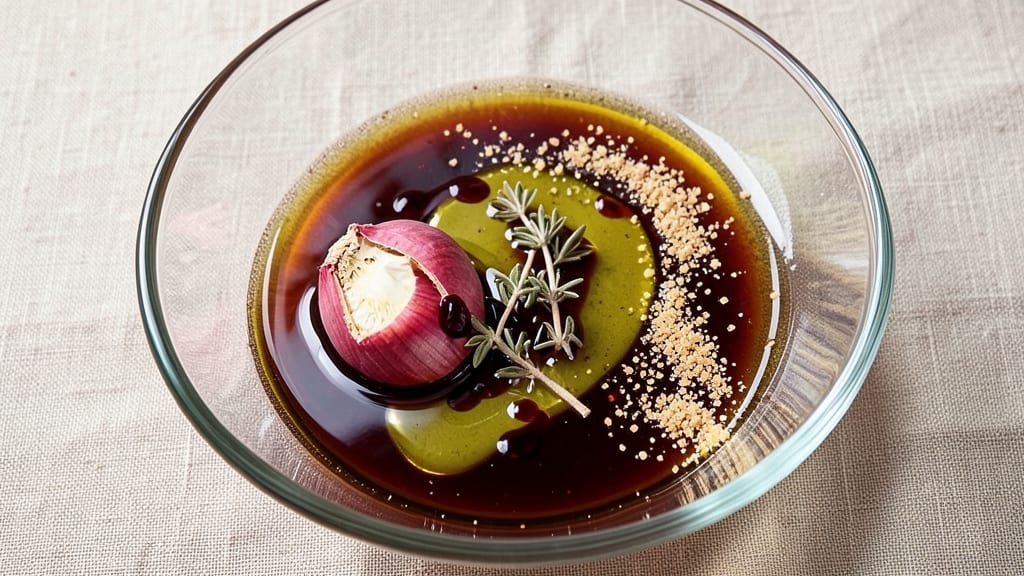
This apple cider vinegar steak marinade recipe transforms tough cuts into tender, flavor-packed perfection with just 10 minutes of prep. The tangy acidity tenderizes while the umami-rich blend of garlic, soy, and spices creates a crust that sears beautifully on the grill.
I developed this marinade after years of experimenting with vinegar-based formulas—it’s the one that finally delivers consistent, restaurant-quality results every time.
The secret lies in the balance: apple cider vinegar (not white vinegar) adds depth without overpowering, while olive oil ensures the marinade clings to the meat.
A splash of Worcestershire sauce and a touch of brown sugar round out the flavors, creating a marinade that works equally well on ribeye, flank steak, or even chicken thighs.
Let the steak soak for at least 30 minutes (or up to 4 hours for maximum tenderness), then grill or pan-sear for that coveted caramelized crust.
What makes this marinade stand out is its versatility and shelf life—store it in the fridge for up to 2 weeks, ready to elevate any protein at a moment’s notice.
The acidity doesn’t just tenderize; it infuses the meat with layers of flavor, from bright vinegar notes to rich, savory umami. Whether you’re grilling for a summer BBQ or searing steaks on a weeknight, this marinade cuts through the guesswork and delivers foolproof results.
The best part? You’ll use just 1/2 cup of marinade per pound of steak, meaning you can make a big batch without waste. The leftovers keep beautifully, so you’ll always have a quick solution for last-minute meals.
Let’s get started—your next steak is about to be the juiciest, most flavorful one yet.
Ingredients for apple cider vinegar steak marinade
Ten ingredients, endless flavor—this marinade turns tough steaks into restaurant-worthy masterpieces.
| Ingredient | Amount | Notes |
|---|---|---|
| Apple Cider Vinegar 🍏 | ½ cup | Brut, unfiltered preferred |
| Extra-Virgin Olive Oil 🫒 | ½ cup | High-quality, fruity variety |
| Worcestershire Sauce 🍶 | 2 tbsp | Anchovy-free preferred |
| Light Brown Sugar 🍚 | 2 tbsp | Packed, not spooned |
| Garlic Cloves 🧄 | 6 cloves | Freshly minced, vibrant |
| Dried Thyme 🌿 | 1 tsp | Fresh if available |
| Ground Black Pepper 🌶️ | 1 tsp | Freshly cracked |
| Diamond Crystal Kosher Salt 🧂 | 1 ½ tsp | Fine grain preferred |
| Smoked Paprika 🌶️ | ½ tsp | Spanish smoked preferred |
| Freshly Ground Cumin 🌿 | ½ tsp | Toasted for depth |
The apple cider vinegar is non-negotiable here—Bragg or Texas Pete are my go-tos, but any unfiltered brand works. That tangy acidity is what tenderizes the meat while adding bright depth. Olive oil isn't just a binder; it carries the marinade's flavors into the meat fibers. I always grab California Extra Virgin from Whole Foods—the fruity notes complement the vinegar beautifully. The Worcestershire sauce? Lea & Perrins is the standard, but check for anchovies if you're avoiding them. Fresh garlic cloves should smell vibrant, not musty—smell them before buying. The spices? Penzeys bulk bins are my secret weapon for freshness.
No Worcestershire? Soy sauce plus a dash of liquid smoke works in a pinch. Short on brown sugar? Maple syrup at half the amount adds caramel notes. Swapping smoked paprika for regular? You'll lose that subtle smokiness, but it's still delicious. The cumin is optional but adds earthy warmth—skip it if you prefer a cleaner flavor. Fresh thyme is ideal, but dried works at one-third the amount. Trader Joe's has pre-minced garlic in a jar if you're in a rush, but fresh is always better. For extra richness, add a splash of balsamic vinegar—just don't tell anyone I told you that secret.
This marinade keeps beautifully in a sealed jar for 2 weeks in the fridge. I make a big batch and store it in the door shelf—easy to grab for last-minute steaks. The flavors actually improve after 24 hours as everything melds. For grilling, use ½ cup per pound of steak—that's the magic ratio. The leftovers? Perfect for brining chicken or even drizzling on roasted veggies. Freeze portions in ice cube trays for single-use servings. Trust me, you'll make this again and again—it's that good.
Why You'll Love This Recipe
- Five-Ingredient Magic: The pantry already has these—no special shopping needed. I’ve made this marinade with what I had, and the steak still turns out insanely tender with that perfect tangy bite.
- Weeknight Hero: Toss it on steak while you chop veggies or wait for the grill to heat. The acid in the apple cider vinegar does the work—no babysitting required, and the garlic infuses fast.
- Leftovers That Shine: Marinate extra steak ahead and freeze it—thaw, sear, and serve. The brown sugar caramelizes beautifully when reheated, so even day-old slices taste like they just came off the grill.
- Budget-Friendly Upgrade: Worcestershire and apple cider vinegar stretch a dollar without sacrificing flavor. Honestly, this marinade makes a $10 steak taste like it cost twice as much—crispy edges, juicy center, and that just-right sweet-savory punch.
Step-by-step instructions for apple cider vinegar steak marinade
This marinade delivers a perfect balance of tangy brightness and deep umami flavor that transforms even simple cuts into restaurant-quality steaks.
Combine Wet Ingredients for a Smooth Base
In a medium mixing bowl, whisk together the 0.5 cup apple cider vinegar and 0.5 cup extra-virgin olive oil until fully emulsified. The vinegar will initially separate, but keep whisking until it forms a silky, homogeneous mixture—this ensures even flavor distribution throughout the marinade. Real talk: using unfiltered vinegar adds subtle complexity that you won't get with filtered versions, so don't skip this detail.
Next, add the 2 tablespoons Worcestershire sauce and 2 tablespoons light brown sugar. Whisk vigorously for another 30 seconds until the sugar dissolves completely. Here's the thing—packed brown sugar creates a richer caramelization than spooned sugar, so make sure to use the exact amount called for. The mixture should now have a glossy sheen with a slightly syrupy consistency.
Incorporate Aromatics and Dry Seasonings
Add the 6 cloves freshly minced garlic, 1 teaspoon dried thyme, 1 teaspoon freshly ground black pepper, 1.5 teaspoons Diamond Crystal kosher salt, 0.5 teaspoon smoked paprika, and 0.5 teaspoon freshly ground cumin to the bowl. Stir with a wooden spoon until everything is thoroughly combined. The reason we wait until now to add the dry ingredients is that they need to fully disperse in the wet base for maximum flavor penetration.
Let the marinade rest for 5 minutes at room temperature before using. This brief resting period allows the flavors to meld together, creating a more cohesive taste profile. You'll notice the mixture darkens slightly and develops a more complex aroma—this is your cue that the marinade is ready to work its magic on your steaks.
Marinate Steaks for Optimal Flavor and Texture
Place your steaks in a resealable plastic bag or glass container with a tight-fitting lid. Pour the marinade over the steaks, ensuring they're completely coated. Here's where it gets fun—massage the marinade into the meat, especially on thick cuts, to help it penetrate those tougher fibers. Seal the container and refrigerate for at least 4 hours or up to 24 hours for maximum flavor development.
I know it seems like a long wait, but trust me—the acidity in the apple cider vinegar tenderizes the meat while the other ingredients infuse deep, complex flavors. For best results, flip the steaks every few hours if you're marinating overnight. When ready to cook, remove the steaks from the marinade and let them sit at room temperature for 30 minutes before grilling or searing. This final step ensures even cooking and prevents chilled meat from steaming instead of searing.
Cook with Confidence for Perfect Results
Pat the steaks dry with paper towels before cooking—this crucial step creates a better sear. The marinade will have already done its work, but removing excess moisture ensures maximum contact between the meat and your hot surface. Season lightly with additional salt if desired, as the marinade already contains plenty.
Cook your steaks using your preferred method—grill, pan-sear, or broil—until they reach your desired doneness. The apple cider vinegar marinade works particularly well with ribeye, sirloin, and flank steak, creating a beautiful crust while keeping the interior juicy. Remember, the marinade contains acid, so don't over-marinate tough cuts like flank steak for more than 4 hours to avoid making them mushy.
Pro Tips For Making Apple Cider Vinegar Steak Marinade
- Mince That Garlic: I used to crush the cloves with the flat of my knife—turns out, mincing them into a paste releases way more flavor. The vinegar in this marinade will soften the garlic, but if you want that deep, jammy texture, start with 3-4 cloves finely chopped and let them sit in the mix for at least 30 minutes before using.
- Balance the Vinegar: Apple cider vinegar is bold, and too much will turn your steak into a sad, tangy mess. For every ½ cup of vinegar, use ¼ cup Worcestershire—this sauce cuts the acidity while adding depth. I learned this the hard way after serving a batch that tasted like a salad dressing.
- Marinate Cold, Not Room Temp: I was in a hurry once and left the steak marinating on the counter for hours. Big mistake—the vinegar and oil break down the meat faster, making it mushy when cooked. Keep the bowl in the fridge, and don’t exceed 24 hours (any longer and the texture suffers).
- Toast the Sugar First: Light brown sugar adds caramelized sweetness, but if you skip toasting it in a dry pan for 2-3 minutes until fragrant, the marinade won’t develop that rich, molasses-like depth. It’s an extra step, but the difference in flavor is noticeable—especially on thicker cuts like ribeye.
Pro cooking tips for this recipe
Acid Balance Mastery
The key to this marinade is balancing acidity with richness. Apple cider vinegar tenderizes while the olive oil and brown sugar create a caramelized crust. I find using ½ cup vinegar per ½ cup oil creates the perfect equilibrium—too much acid can make the meat mushy.
For extra tenderness with tough cuts like flank steak, add 1 tablespoon honey to the marinade just before applying. 🌡️
Marinating Time Rules
Never exceed 4 hours for tough cuts like flank steak—the acidity will break down too much muscle fiber. For ribeye or sirloin, 12-24 hours in the fridge develops maximum flavor without over-tenderizing.
I use a quart-sized zip-top bag for marinating—it's airtight and easy to flip. Always refrigerate, never leave at room temperature. 💡
Protein Prep Secrets
Pat steaks very dry before cooking—this creates the perfect crust. I use two layers of paper towels and press firmly. For even thicker cuts, make small slits in the fat cap with a sharp knife to help the marinade penetrate deeper.
Let steaks sit at room temperature for 30 minutes before cooking to ensure even heat distribution. 🔥
Equipment Upgrades
Invest in a meat thermometer—I use the ThermoWorks Smoke—to monitor internal temps precisely. For marinating, glass containers are best as they don't absorb flavors like plastic.
A fine-mesh strainer helps remove excess marinade before cooking if you're health-conscious. I also keep a wooden spoon handy for stirring during marinade prep. ✨
Cooking Method Flexibility
This marinade works equally well on the grill, in a cast-iron skillet, or under the broiler. For grill masters, preheat to 450°F and sear for 3-4 minutes per side. In a skillet, use medium-high heat with avocado oil for high smoke point.
The acidity in the marinade makes it ideal for quick cooking methods—don't let it sit too long on the heat or it'll dry out. 💪
Leftovers Strategy
Use leftover marinade as a quick sauce by simmering it with 1 tablespoon butter for 3-5 minutes. Strain out any solids and drizzle over finished steaks. Store unused marinade in a glass jar in the fridge for up to 2 weeks.
For freezer storage, portion into ice cube trays—each cube makes one perfect single-use marinade. 💫
Nutrition facts
Frequently asked questions
Can I use this marinade on chicken or fish instead of steak?
This apple cider vinegar marinade works beautifully on chicken thighs or breasts (marinate for 2-4 hours max) and even firm white fish like salmon or cod. For fish, reduce marinating time to 30-60 minutes—acid can break down delicate proteins too quickly. The sweetness of brown sugar pairs especially well with salmon.
What happens if I marinate steak too long?
Over-marinating (beyond 4 hours for tough cuts) can make the meat mushy as the acid breaks down muscle fibers. For ribeye or sirloin, 12-24 hours is ideal—just don't exceed 24 hours even for tender cuts. The marinade will still be safe, but texture suffers. Always refrigerate during marinating!
Can I make this marinade without Worcestershire sauce?
Yes! Substitute with 2 tablespoons soy sauce plus ½ teaspoon liquid smoke for similar umami depth. The Worcestershire adds complexity, but this combo works in a pinch. For vegetarian versions, replace with 2 tablespoons tamari plus 1 teaspoon miso paste—both deliver that savory punch.
How do I store leftover marinade?
Transfer unused marinade to a clean glass jar and refrigerate for up to 2 weeks. For longer storage, freeze in ice cube trays—thaw one cube at a time for single servings. Pro tip: Simmer leftover marinade with 1 tablespoon butter for 3 minutes to make a quick pan sauce for finished steaks.
Why does my marinade look cloudy or separated?
This is normal! The vinegar and oil will separate initially, but whisking until emulsified creates a stable marinade. If it separates again after resting, just stir before using. For extra stability, add 1 teaspoon xanthan gum when whisking the wet ingredients—this prevents separation during storage.