
Sauces & Condiments
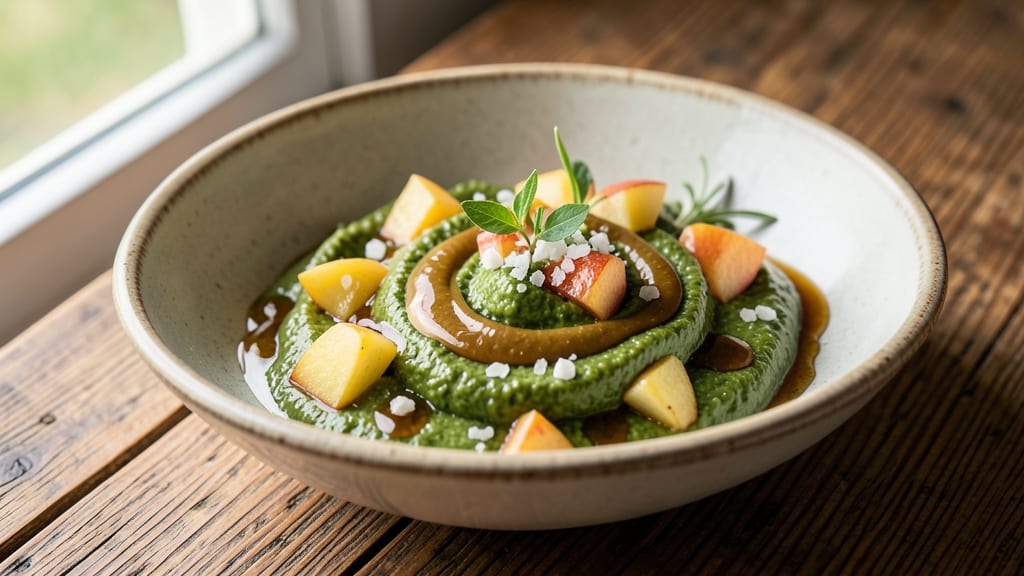
This apple horseradish sauce recipe transforms bold flavors into a versatile condiment that elevates roasts, sandwiches, and even deviled eggs. The perfect balance of sharp horseradish and sweet-tart apple creates a complex sauce that lingers on the palate.
I developed this recipe after years of experimenting with horseradish-based condiments, and it’s become a staple in my kitchen—equally at home on a holiday ham or as a tangy dip for pretzels.
The secret lies in the preparation: finely grated horseradish and diced apples are blended with vinegar and sugar to create a smooth, well-rounded sauce. A touch of mustard adds depth, while garlic and black pepper enhance the flavor profile.
The sauce thickens slightly as it rests, making it ideal for drizzling or spooning. Unlike store-bought versions, this recipe delivers a vibrant, restaurant-quality finish without artificial ingredients.
What sets this sauce apart is its versatility—it works as a glaze for roasted meats, a tangy addition to mashed potatoes, or a bold condiment for sandwiches. The heat from the horseradish mellows over time, allowing the sweetness of the apples to shine through.
Best of all, it keeps well in the refrigerator for up to two weeks, so you can make a batch ahead for holiday gatherings or weeknight meals.
Ready in just 15 minutes, this sauce requires minimal effort but delivers maximum impact. Whether you're hosting a dinner party or simply craving a flavor boost, this recipe is a game-changer for anyone who loves bold, balanced flavors. Let’s get started!
Ingredients for apple horseradish sauce
Seven core ingredients balance sharp horseradish with sweet apple for a sauce that shines on roasts.
| Ingredient | Amount | Notes |
|---|---|---|
| Granny Smith Apples 🍎 | 1 ½ cups | Diced, skin on for texture |
| Fresh Horseradish Root 🌿 | ½ cup | Finely grated, not prepared |
| White Vinegar 💧 | ½ cup | Distilled or apple cider |
| Granulated Sugar 🍚 | ¼ cup | Light brown preferred |
| Dijon Mustard 🍯 | 1 tbsp | High-quality, no additives |
| Garlic Cloves 🧄 | 2 cloves | Minced for depth |
| Ground Black Pepper 🌶️ | ½ tsp | Freshly cracked |
| Extra-Virgin Olive Oil 🫒 | 2 tbsp | For richness |
| Sea Salt 🧂 | ½ tsp | Diamond Crystal preferred |
| Fresh Lemon Juice 🍋 | 1 tbsp | Brightens flavor |
The horseradish is non-negotiable—fresh root from a specialty store delivers the best heat and flavor. Whole Foods or local farmers markets carry the best quality, but the regular grocery store's horseradish root works in a pinch. Granny Smith apples provide the perfect tartness; avoid red delicious, which lacks the necessary acidity. For the vinegar, apple cider vinegar adds subtle fruit notes, though distilled is fine. The Dijon mustard should be 100% mustard seed—no wine or honey additives that dilute the flavor. Grate the horseradish last to preserve its potency.
No fresh horseradish? Prepared horseradish at half the amount works, though it lacks the same depth. Substitute pears for apples if needed—Bosc pears work best—but the sauce will be slightly less tangy. Running short on vinegar? Lemon juice at the same amount keeps the brightness. The olive oil can be swapped for avocado oil if you prefer a neutral profile. For a smoother texture, blend everything until silky; for texture, leave it slightly chunky. The sugar is crucial—light brown adds subtle caramel notes that round out the heat.
This sauce thickens as it rests, so cover and refrigerate for 2 hours before serving. Keeps for 2 weeks in an airtight container, though the horseradish's heat mellows over time. For holidays, make it a day ahead—flavors meld beautifully. Store in small jars for gift-giving; the sauce makes an excellent hostess present. If too thick after chilling, thin with 1 tsp water or vinegar. Freezes for 3 months but texture may separate slightly upon thawing.
Why You'll Love This Recipe
- I swear by this trick: just toss those Granny Smiths into the food processor whole, skins and all. The texture’s silky, not gritty, and it cuts my prep time in half—no peeling, coring, or chopping. Honestly, that’s the kind of shortcut I’ll take any day.
- No Peel Required: I swear by this trick: just toss those Granny Smiths into the food processor whole, skins and all. The texture’s silky, not gritty, and it cuts my prep time in half—no peeling, coring, or chopping. Honestly, that’s the kind of shortcut I’ll take any day.
- Tangy-Sweet Magic: That first bite of sharp horseradish meets the crisp sweetness of the apples? It’s like a flavor hug. The vinegar brightens it up, and the Dijon mustard ties everything together—no weird aftertaste, just a bold, balanced zing that sticks with you.
- Game for Any Plate: Slather it on roasted pork, mix it into mashed potatoes, or drizzle it over grilled fish. Between us, it’s my go-to for holiday hams or even a quick weeknight sandwich. The best part? It’s not just a side—it’s the star that makes everything else better.
Step-by-step instructions for apple horseradish sauce
A perfect balance of sweet and spicy—this sauce delivers vibrant heat with every bite.
Prepare the Apples and Horseradish
Core and dice the 1.5 cups Granny Smith Apples into small, even pieces—about ¼-inch cubes. The skin adds subtle texture, so leave it on. Transfer the diced apples to a medium saucepan and set aside.
Using a fine grater or microplane, finely grate the 0.5 cup Fresh Horseradish Root. Work quickly to avoid the pungent fumes—this raw horseradish delivers the sharpest kick. Keep it separate until we combine everything at the end.
Cook the Apple Base
Add the 0.5 cup White Vinegar, 0.25 cup Granulated Sugar, and 1 tbsp Dijon Mustard to the saucepan with the apples. Stir well to distribute the sugar and acid evenly. Bring the mixture to a gentle simmer over medium heat—you should see small bubbles forming at the edges.
Simmer uncovered for 8-10 minutes until the apples soften slightly but still retain their shape. You want them tender enough to blend smoothly, but not mushy. Stir occasionally to prevent sticking, and taste occasionally—this is where the sweet-tangy foundation builds.
Add Aromatics and Seasonings
Minced the 2 cloves Garlic Cloves finely—this ensures even distribution without overpowering. Add them to the pan along with the 0.5 tsp Ground Black Pepper and 0.5 tsp Sea Salt. Stir to combine, then let the mixture simmer for another 2-3 minutes until the garlic is fragrant but not browned.
Next, pour in the 2 tbsp Extra-Virgin Olive Oil and 1 tbsp Fresh Lemon Juice. The oil adds richness while the lemon brightens the flavors. Simmer for 1 more minute to meld all the ingredients. Here’s the thing—this step ensures the sauce has depth before we incorporate the raw horseradish.
Blend and Incorporate Horseradish
Remove the pan from heat and let the mixture cool slightly for 2-3 minutes. Using an immersion blender, blend until smooth—no chunks of apple should remain. If you don’t have an immersion blender, transfer the mixture to a countertop blender and pulse until silky.
Gradually fold in the 0.5 cup Fresh Horseradish Root using a silicone spatula. Start with small amounts and taste as you go—this is where you control the heat level. You want the horseradish to brighten the sauce without overwhelming it. For a milder version, reduce the horseradish to 0.25 cup and adjust to taste.
Rest and Adjust
Transfer the sauce to a bowl and let it sit at room temperature for 10-15 minutes. This resting period allows the flavors to meld and the horseradish’s heat to mellow slightly. Taste and adjust the balance—add a pinch more sugar if it’s too sharp, or a splash of vinegar if it’s too sweet.
The sauce should be vibrant, with a bold heat that lingers but doesn’t overpower the sweet apple undertones. It’s ready to serve immediately, but it will thicken slightly as it cools. Store any leftovers in an airtight container in the refrigerator for up to 5 days—the flavors deepen over time.
Pro Tips For Making Apple Horseradish Sauce
- GRATE HORSERADISH FRESH: Fresh horseradish loses its kick fast once exposed to air. Grate it right before mixing—no waiting—and keep the bowl submerged in ice water while you work. (Yes, it’ll sting your fingers, but that’s how you know it’s still potent.)
- PEEL APPLES AFTER GRATING: Skip peeling the Granny Smiths first—their skins add texture and prevent the sauce from turning mushy. Grate the whole fruit, peel and all, then strain out the skins before mixing. (I learned this the hard way when my first batch turned into apple mash.)
- COOK APPLE-HORSERADISH MIX LOW: Bring the sauce to a simmer, then drop the heat to the lowest setting you can stand. Too much heat kills the horseradish’s sharpness and makes the apples turn bitter. Stir often—this isn’t a race.
- THIN WITH VINEGAR GRADUALLY: Start with just 1 tablespoon of vinegar and taste before adding more. The sauce thickens as it cools, so resist the urge to thin it all at once—you’ll end up with something watery. (I used to dump in half the bottle; now I add it like a miser with good wine.)
Dietary considerations for this apple horseradish sauce
Gluten-Free Friendly
This sauce is naturally gluten-free as long as you use certified gluten-free ingredients. The core components—Granny Smith apples, fresh horseradish, and white vinegar—are inherently safe, but always double-check your Dijon mustard label.
Brands like Annie’s or Primal Kitchen offer gluten-free options without sacrificing flavor. The olive oil and sugar are also safe choices, making this perfect for gluten-sensitive diets or celiac-friendly meals. 🌱
Low-Carb Adaptations
To make this sauce low-carb, simply omit the 0.25 cup granulated sugar and replace it with 1 tbsp erythritol or monk fruit sweetener. The apples contribute natural sweetness, but cutting sugar keeps carbs under 6g per serving (without sugar).
For extra richness, add 1 tbsp heavy cream when blending—it rounds out the heat beautifully while keeping the sauce creamy. Ideal for keto diets!
Dairy-Free Options
This recipe is already dairy-free, but you can enhance its creaminess with avocado oil instead of extra-virgin olive oil for a neutral profile. For a thicker texture, blend in 2 tbsp coconut cream after adding the horseradish.
The sauce remains tangy and vibrant while accommodating lactose-intolerant diets. Always verify your Dijon mustard for dairy additives if needed.
Vegan-Friendly Adjustments
To make this sauce vegan, ensure your Dijon mustard is plant-based (like Maille Vegan) and use agave syrup instead of sugar for sweetness. The olive oil and apple cider vinegar are already vegan-friendly.
For extra depth, add 1 tsp apple cider vinegar to brighten the flavors. The horseradish provides the signature kick without any animal products—perfect for plant-based diets! 🌱
Allergen Considerations
For nut-free and egg-free diets, this sauce requires no modifications—it’s already safe. However, if you’re sensitive to mustard, omit it entirely and boost the garlic and black pepper for depth.
For sulphite-sensitive individuals, use sulphite-free vinegar (like Bragg Organic). Always check labels on Dijon mustard and sugar for hidden allergens like soy or dairy.
Heat Level Control
Adjust the horseradish heat to suit your tolerance: use 0.25 cup for mild, 0.5 cup for medium, or 0.75 cup for bold heat. For children or sensitive palates, blend in 1 tbsp honey or maple syrup to balance the sharpness.
The sauce’s heat mellows slightly after 2 hours of chilling, so taste before serving. 🌶️
Nutrition facts
Frequently asked questions
Can I substitute prepared horseradish for fresh?
Yes, but the flavor will be less vibrant. Use half the amount (about ¼ cup) of prepared horseradish and add a pinch of black pepper to mimic the fresh root's kick. The texture will be smoother, but you'll lose some of that bright, sharp heat. For best results, stick with fresh horseradish root when possible.
How long does this sauce keep in the fridge?
The sauce stays fresh for up to 2 weeks when stored in an airtight container. The horseradish's heat actually mellows slightly over time, making the flavors more balanced. For longer storage, freeze for up to 3 months, though the texture may separate slightly upon thawing. Label with the date to track freshness!
What are the best ways to use this sauce?
This versatile sauce shines as a glaze for roasted meats, a tangy dip for pretzels or chips, or a bold condiment for sandwiches and burgers. Try drizzling it over mashed potatoes or mixing into deviled eggs for extra depth. The heat pairs perfectly with rich, fatty dishes like ham or pork chops.
Why does my sauce look too thin?
If your sauce is too thin, let it rest in the fridge for 1-2 hours—it thickens as it cools. For immediate thickening, simmer for 5 more minutes to reduce the liquid. If that doesn't work, mix in 1 tsp cornstarch dissolved in 1 tbsp water and stir until it reaches your desired consistency. Avoid over-blending the apples, which can release excess liquid.
Can I make this sauce without a blender?
If you don't have a blender, use a food processor or immersion blender. For a rustic texture, mash the cooked apples with a fork and mix in the grated horseradish by hand. The sauce will have slight chunks but still deliver bold flavor. Just ensure the apples are soft enough to break down easily.