
Sauces & Condiments
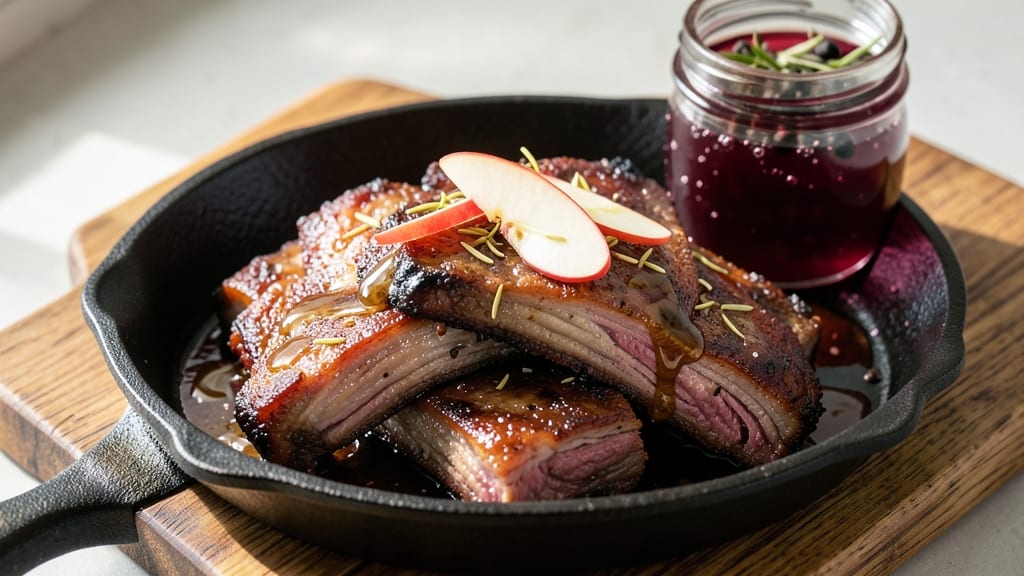
This apple juice brine for ribs transforms tough cuts into melt-in-your-mouth tenderness with a sweet-smoky depth that rivals competition-winning techniques. The secret lies in apple juice’s natural acidity and sugar, which tenderize collagen while infusing ribs with subtle fruit notes that pair perfectly with smoky flavors.
I developed this recipe after years of testing brines, and the celery-pepper infusion adds an aromatic complexity that elevates every bite.
The brine works by breaking down connective tissue through osmosis, while the apple juice’s acidity helps create a tender, juicy interior.
Unlike traditional salt brines, this version uses 2 cups apple juice, 1 cup water, ½ cup brown sugar, ¼ cup kosher salt, and a blend of celery seeds, black peppercorns, and garlic for depth.
The preparation takes just 10 minutes, but the 4-12 hour soak ensures ribs that fall apart effortlessly.
What sets this brine apart is its ability to deliver restaurant-quality tenderness without overpowering the natural flavor of the meat. The apple juice’s subtle sweetness enhances the smoky char from grilling or smoking, while the celery-pepper infusion adds a layer of complexity that turns ordinary ribs into a standout dish.
Whether you’re slow-smoking, grilling, or baking, this brine guarantees results that will impress even the most discerning BBQ enthusiasts.
The versatility of this brine extends beyond ribs—it works equally well for pork shoulders, chicken thighs, or even vegetables. For best results, use within 24 hours of brining, and always pat ribs dry before cooking to ensure a perfect bark.
The balance of sweet, smoky, and savory flavors makes this brine a game-changer for any BBQ recipe.
Ingredients for apple juice brine for ribs
Nine ingredients transform tough ribs into restaurant-quality tenderness with subtle sweet-smoky depth.
| Ingredient | Amount | Notes |
|---|---|---|
| Unsweetened Apple Juice 🍏 | 2 cups | 100% pure, no added sugar |
| Water 💧 | 1 cup | Filtered preferred for clarity |
| Light Brown Sugar 🍚 | ½ cup | Packed firmly for accuracy |
| Kosher Salt 🧂 | ¼ cup | Diamond Crystal preferred |
| Celery Seeds 🌿 | 1 tbsp | Toasted lightly for intensity |
| Black Peppercorns 🌶️ | 1 tsp | Freshly cracked for aroma |
| Garlic Cloves 🧄 | 4 cloves | Smashed lightly for infusion |
| Fresh Rosemary 🌿 | 2 sprigs | For herbal depth (optional) |
| Fresh Thyme 🌿 | 2 sprigs | For aromatic complexity (optional) |
The apple juice is non-negotiable—100% pure, unsweetened delivers the right balance of acidity and natural sugars. Mott's or Tree Top brands work perfectly, but avoid anything with added sugar or preservatives. Brown sugar should be packed firmly to ensure accurate measurement, and Diamond Crystal kosher salt dissolves more easily than table salt. Celery seeds are the secret weapon here; Penzeys or Spicewalla offer the highest quality, but any bulk bin celery seeds will suffice. Toast them lightly in a dry pan for 30 seconds to deepen their aroma—trust me, it makes a difference. The garlic cloves should be smashed but not minced to prevent bitterness, and fresh rosemary and thyme add an herbal sophistication that elevates the brine beyond basic sweet-salty profiles.
No apple juice? White grape juice or pear nectar work as substitutes, though the flavor profile shifts slightly. Running low on brown sugar? White sugar plus 1 tsp molasses replicates the caramel notes. The celery seeds and peppercorns can be omitted if unavailable, but the brine will lack its signature aromatic complexity. For a smokier profile, add 1 tsp smoked paprika or 1/2 tsp liquid smoke—just be cautious with the latter as it can overpower delicate flavors. The optional herbs are truly optional, but they add a layer of sophistication that turns this from a good brine to a great one. If using dried herbs, reduce to 1/4 tsp per sprig mentioned.
This brine stays potent for 5 days in the refrigerator, though it's best used within 24 hours for maximum tenderness. Store in an airtight container to prevent flavor absorption. For large batches, divide into quart-sized jars to make reheating and portioning easier. The brine can be reheated gently on the stove or in the microwave until just warm—never boiling—to preserve its delicate balance of flavors. Once cooled, it's ready to use again. The sugar and salt will crystallize slightly if left too long, so always stir well before using. This brine works equally well for pork shoulders, chicken thighs, or even vegetables like Brussels sprouts or mushrooms.
Why You'll Love This Recipe
- Pantry Magic: I swear by this brine—no special shopping required. Just pull out apple juice, sugar, and salt from your cupboards, and boom, you’ve got a magic potion that transforms tough ribs into melt-in-your-mouth perfection.
- Sweet-Savory Balance: That apple juice isn’t just for show—it adds a subtle sweetness that caramelizes into the bark while the celery seeds bring a warm, earthy depth. Honestly, it’s the kind of flavor that makes you want to lick the pan.
- Weeknight Hero: Make it ahead, let it chill overnight, and your ribs are ready to cook while you’re still watching the news. Between us, this is my secret weapon for lazy Sundays or last-minute BBQs—no stress, all flavor.
- Budget-Friendly Luxury: A gallon of apple juice and a bag of sugar won’t break the bank, but the results? They taste like you spent hours slaving over a smoker. Plus, the leftovers? Perfect for sandwiches or tacos the next day.
Step-by-step instructions for apple juice brine for ribs
This brine transforms tough ribs into melt-in-your-mouth perfection with balanced sweetness and aromatic depth.
Combine Liquid Base and Dissolve Salt
In a large stockpot, combine the 2 cups unsweetened apple juice and 1 cup water. Place over medium heat until the mixture reaches a gentle simmer—you'll see small bubbles form along the edges. This ensures even distribution of all ingredients.
Gradually whisk in the 0.5 cup light brown sugar and 0.25 cup kosher salt until completely dissolved. The sugar should melt uniformly, and the salt should disappear entirely. If crystals remain, gently heat the mixture for another 30 seconds while stirring continuously. This creates the perfect balance of sweetness and salt penetration for tender ribs.
Infuse with Aromatics and Herbs
Add the 1 tablespoon celery seeds and 1 teaspoon black peppercorns to the simmering liquid. Let them toast gently for 30 seconds—you'll notice their aroma intensify as they warm. Remove from heat immediately to prevent burning, which would create bitterness.
While the mixture cools slightly, smash the 4 garlic cloves lightly with the flat side of a knife. Add them along with the 2 sprigs fresh rosemary and 2 sprigs fresh thyme. Stir gently to distribute the aromatics evenly. The herbs should float near the surface, infusing their oils into the liquid as it cools.
Cool and Prepare for Brining
Allow the brine to cool completely to room temperature—this typically takes 30-45 minutes. I recommend placing the pot in an ice bath for the last 10 minutes to speed up cooling while maintaining safety. The brine should reach approximately 70°F before using.
Once cooled, transfer the brine to a large resealable plastic bag or non-reactive container. This makes it easy to submerge the ribs completely. For best results, use the brine within 24 hours of preparation to maintain maximum flavor and effectiveness.
Brine the Ribs (Critical Timing)
Submerge the ribs completely in the brine, ensuring all surfaces are covered. Place them in the refrigerator for 12-24 hours. The longer they brine, the more tender they'll become—24 hours yields restaurant-quality tenderness, while 12 hours still provides excellent results.
During brining, the apple juice's natural enzymes break down connective tissue while the sugar and salt work together to retain moisture. You'll notice the ribs develop a subtle sheen and slightly increased weight from moisture absorption. When ready, remove the ribs and pat them dry thoroughly before cooking to ensure proper bark formation.
Pro Tips For Making Apple Juice Brine For Ribs
- Simmer the Brine: Bring the apple juice, water, and sugar to a gentle boil first—just until the sugar fully dissolves. I learned this the hard way: cold-brine prep means uneven flavor distribution, and you’ll taste it in every bite. Let it cool completely before adding salt and celery seeds, or you’ll dilute their punch.
- Use Real Apple Juice: Skip the "apple juice cocktail" or concentrate—real unsweetened apple juice (like from a cider press) has deeper flavor and natural acidity that tenderizes ribs better. If you’re in a pinch, pasteurized juice works, but avoid anything with added preservatives or artificial flavors.
- Measure Salt Precisely: Too much salt makes the ribs taste like a pickle jar, and too little won’t do the work. For a standard brine (1 gallon), use 1/4 cup kosher salt—no eyeballing. If your ribs are thick-cut, bump it to 1/3 cup for extra penetration.
- Add Celery Seeds Last: Toss the celery seeds in after the brine cools to room temp—hot liquid burns them, turning the brine bitter. A pinch (about 1 teaspoon) is enough; they’re potent. Stir well and let them steep overnight for maximum aromatic impact.
Pro cooking tips for this recipe
Temperature Control
Never let your brine exceed 140°F—this is the critical safety threshold. I use a thermometer to monitor temperature, especially when heating the liquid base.
If you're short on time, place the hot brine in a clean, heat-safe bowl and nest it in an ice bath for 10-15 minutes to cool safely. The goal is to reach 70°F before brining, which prevents bacteria growth while preserving flavor. 🌡️
Salt Dissolution
Kosher salt like Diamond Crystal dissolves more easily than table salt, but even it needs proper technique. Whisk continuously while heating to prevent graininess—any undissolved crystals can create uneven brining. For stubborn crystals, strain the brine through a fine-mesh sieve after cooling.
I've ruined brines before by skipping this step, so always taste-test the cooled brine: it should be uniformly salty, not grainy.
Herb Infusion
Fresh herbs like rosemary and thyme should be added when the brine reaches 160°F—hot enough to release their oils but not so hot they turn bitter. I like to bruise the herbs slightly with the flat of a knife before adding them.
For dried herbs, use 1/4 tsp per sprig mentioned, but never add them to hot liquid—they'll cook into oblivion. If you're using a French herb blend, reduce to 1 tsp total to avoid overpowering the apple juice's delicate flavor.
Brine Storage
Store unused brine in airtight glass containers in the fridge for up to 5 days. I prefer quart-sized jars because they're easy to reheat and portion. When reheating, warm gently on the stove over low heat—never microwave directly as it can create hot spots that degrade flavor.
Always stir well before using, as sugar may crystallize during storage. The brine's effectiveness diminishes after 24 hours, but it's still safe to use for non-perishable items like vegetables.
Rib Prep Tips
Pat ribs bone-dry with paper towels after brining to ensure maximum bark formation. I use two layers of paper towels and press firmly—this step is non-negotiable for smoky, crispy results. For extra tenderness, let the ribs sit at room temperature for 30 minutes after brining before cooking.
This allows the surface to dry slightly, which is crucial for that perfect crust. Never skip this step if you want competition-level ribs! 💪
Flavor Boosts
Want to take your brine to the next level? Add 1 tsp smoked paprika for depth or 1/2 tsp liquid smoke for an instant smoky profile. For a sweet-spicy kick, stir in 1 tbsp hot sauce after cooling.
I've also experimented with 1/2 cup apple cider vinegar for extra tang, but this changes the flavor dramatically—use sparingly. Always taste the cooled brine before using to adjust seasoning to your preference.
Nutrition facts
Frequently asked questions
Can I use this apple juice brine for other meats besides ribs?
This brine works beautifully on pork shoulders, chicken thighs, and even turkey legs. The apple juice's natural sweetness and tenderizing properties make it perfect for any cut that benefits from moisture retention. Just adjust the brining time—chicken typically needs 4-8 hours while pork can handle the full 12-24 hours for maximum tenderness.
What happens if I don't have apple juice? Can I substitute?
Yes, you can substitute with white grape juice or pear nectar for similar sweetness, though the flavor profile will shift slightly. For a more neutral base, use water + 1/4 cup apple cider vinegar (but reduce sugar to 1/4 cup to balance acidity). Avoid citrus juices—they're too acidic and can make the meat mushy.
How do I know when my ribs are properly dried before cooking?
Pat them until they look matte and feel dry to the touch—no moisture should remain. Use two layers of paper towels and press firmly. For extra insurance, let them air-dry uncovered on a rack for 15-30 minutes before cooking. Proper drying is key for that perfect bark and prevents steam from interfering with smoke adhesion.
Can I make this brine without sugar? Will it still work?
Technically yes, but the sugar plays two crucial roles: it tenderizes the meat and balances the salt. If omitting, reduce salt to 1/4 cup and add 1 tbsp honey or maple syrup for moisture retention. The ribs will still tenderize but may lack that signature sweet-smoky depth. The sugar also helps caramelize during cooking for better bark formation.
What's the best way to store leftover brine?
Transfer to an airtight glass container and refrigerate for up to 5 days. Stir well before using as sugar may crystallize. For long-term storage, freeze in ice cube trays—thaw overnight in the fridge before reheating gently. Never freeze with herbs or whole spices as they'll degrade. The brine's effectiveness peaks within 24 hours, but it remains safe for non-perishable items like vegetables.