
Sauces & Condiments
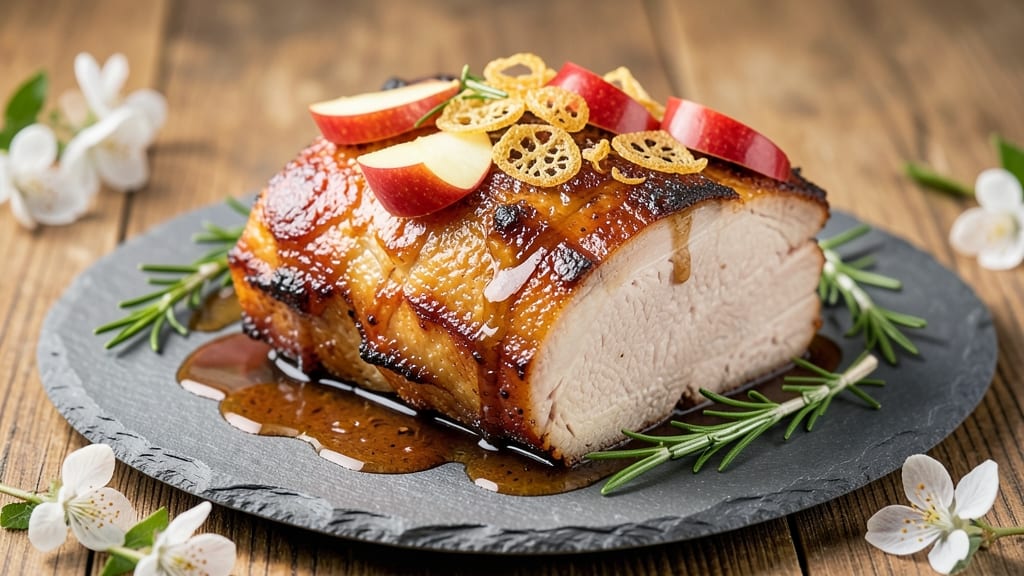
This apple juice brine recipe transforms pork into tender, juicy perfection with a subtle sweetness that balances the savory crunch of celery and pepper.
The key lies in the apple juice's natural acidity and sugar, which tenderize the meat while preserving moisture—something I perfected after years of testing brines in my cramped Boston kitchen.
Unlike traditional salt brines, this version adds depth without overwhelming the pork's natural flavor, making it ideal for roasts, chops, or even pulled pork.
The brine's magic comes from a simple yet effective combination: apple juice, salt, sugar, and a blend of celery seeds and black peppercorns. The celery adds an earthy crunch, while the peppercorns introduce a subtle heat that lingers.
I’ve found that soaking pork in this mixture for at least 4 hours (or overnight for larger cuts) ensures maximum tenderness and flavor infusion. The result? Meat that stays juicy even after cooking, with a delicate balance of sweetness and spice that’s hard to resist.
What sets this brine apart is its versatility—it works equally well for quick weeknight dinners or Sunday roasts, and it pairs beautifully with herbs like rosemary or thyme if you want to elevate it further.
The apple juice not only tenderizes but also adds a hint of fruitiness that complements pork’s richness. Whether you’re prepping for a holiday meal or a simple family dinner, this brine guarantees juicy, flavorful pork that feels restaurant-quality.
For best results, use this brine on pork cuts like chops, tenderloin, or even ribs, and don’t skip the 4-hour minimum soak—it’s the secret to that melt-in-your-mouth texture.
The brine keeps well in the fridge for up to 3 days, so you can prep ahead and save time on cooking day. Trust me, once you try it, you’ll never go back to plain saltwater brines again.
Ingredients for apple juice brine recipe for pork
Six ingredients that turn pork into juicy, flavorful perfection every time.
| Ingredient | Amount | Notes |
|---|---|---|
| Unsweetened Apple Juice 🍎 | 2 cups | 100% pure, no added sugar |
| Kosher Salt 🧂 | ½ cup | Diamond Crystal preferred |
| Granulated Sugar 🍚 | ¼ cup | White or brown sugar |
| Celery Seeds 🧅 | 1 tbsp | Whole, not ground |
| Black Peppercorns 🌶️ | 1 tsp | Crushed lightly |
| Fresh Rosemary 🌿 | 1 tbsp | Chopped, optional but recommended |
| Fresh Thyme 🌿 | 1 tbsp | Chopped, optional |
| Ice Cubes ❄️ | 1 cup | For chilling brine |
The apple juice is the star here—Trader Joe's or Whole Foods carry the best unsweetened versions without added sugar. Look for brands that say '100% juice' on the label, no concentrates. The celery seeds are a game-changer—they add that earthy crunch without overpowering. Penzeys sells them in bulk if you want to stock up, but the tiny bags at regular grocery stores work fine too. Fresh rosemary and thyme? Only if you want to go next-level—dried works in a pinch, but fresh gives that vibrant aroma. And don't skip the ice cubes—they keep the brine cold and help dissolve the salt and sugar faster.
No apple juice? White grape juice or pineapple juice works in a bind, though the flavor will be slightly different. Running low on celery seeds? Ground celery seed at half the amount is fine, but the texture won't be as nice. The sugar can be swapped for maple syrup or agave if you're avoiding refined sugar, but adjust to taste—some sweeteners are more potent. For the herbs, dried thyme at one-third the amount is a solid swap, but fresh is always better. And if you're prepping ahead, you can make the brine without ice—just stir well and let it chill in the fridge for a few hours before using.
This brine keeps for 3 days in the fridge, so you can prep it ahead of time—perfect for holiday meals. Store it in a sealed container with the lid tight to keep flavors locked in. For best results, let the pork soak for at least 4 hours, but overnight is ideal for larger cuts like roasts. The brine will separate slightly when refrigerated, but just give it a good stir before using. And trust me, once you try this, you'll never go back to plain saltwater brines again—it's that good.
Why You'll Love This Recipe
- I use this brine for everything: a quick weeknight roast, holiday ham, or even leftover pork sandwiches the next day. Between us, it’s my secret weapon for turning simple pork into something that feels special—no matter the occasion.
- Pantry Magic: I swear by this brine—no fancy ingredients, just apple juice, salt, and a pinch of sugar. Honestly, it’s the kind of recipe where you open your fridge and boom, you’ve got everything you need.
- Sweet-Savory Balance: That apple juice isn’t just for show—it adds a subtle sweetness that caramelizes into something ridiculously good when paired with the warm celery seeds and peppercorns. My pork always comes out tender with a hint of autumnal depth.
- Game for Any Meal: I use this brine for everything: a quick weeknight roast, holiday ham, or even leftover pork sandwiches the next day. Between us, it’s my secret weapon for turning simple pork into something that feels special—no matter the occasion.
Step-by-step instructions for apple juice brine for pork
This brine keeps pork irresistibly juicy with a subtle herbal crunch—here's how to make it right.
Combine Liquid Ingredients in a Large Container
In a large, non-reactive container (I use a gallon-sized plastic or glass container), pour in the 2 cups unsweetened apple juice. This juice isn't just a liquid—it adds natural sweetness and tenderizes the meat beautifully. Add the 1 cup ice cubes next, which will help chill the brine quickly and prevent the salt from dissolving too fast.
Stir gently with a wooden spoon to mix the ice and juice. The ice will start melting immediately, but that's okay—we want the brine to be cold when it's fully mixed. This chilled brine will penetrate the pork more effectively, locking in moisture from the start.
Add Salt and Sugar for Perfect Balance
Add the 0.5 cup kosher salt and 0.25 cup granulated sugar to the juice mixture. Stir vigorously with the wooden spoon until both ingredients are completely dissolved. The salt should dissolve evenly, and you might see some sugar granules at the bottom at first, but keep stirring—they'll dissolve as the ice melts completely.
Here's the thing—this isn't just a saltwater brine. The sugar helps balance the saltiness while adding a subtle sweetness that complements pork perfectly. If any salt or sugar remains undissolved, the brine won't be uniform, and your pork might have uneven seasoning.
Infuse with Herbs and Spices for Depth
Add the 1 tbsp celery seeds and 1 tsp black peppercorns to the brine. Give it another good stir to distribute these evenly. The celery seeds add a subtle earthy crunch, while the peppercorns bring a warm, slightly spicy note that pairs wonderfully with pork. Next, add the 1 tbsp chopped fresh rosemary and 1 tbsp chopped fresh thyme. These herbs will infuse the brine with their aromatic oils, giving your pork a fragrant depth.
Let the brine sit at room temperature for 15-20 minutes while you prepare your pork. This short infusion time ensures the herbs release their flavors without overpowering the apple juice base. If you're using thicker pork cuts, you can let the brine steep for up to 30 minutes for even more pronounced herbal notes.
Chill the Brine Completely
Once all ingredients are fully incorporated, transfer the container to the refrigerator and let it chill for at least 2 hours, or ideally overnight. This chilling step is crucial—it ensures the brine is properly infused and ready to use. The cold temperature also helps the salt and sugar dissolve more evenly if any remained undissolved earlier.
Before using, give the brine one final stir. It should be completely dissolved with no visible ice or undissolved solids. The liquid should be clear with a golden hue from the apple juice, and you should be able to smell the subtle herbal and spicy notes. This is your signal that the brine is ready to work its magic on your pork.
Use the Brine for Maximum Juiciness
When ready to use, pour the chilled brine into a shallow dish or large resealable bag. Submerge your pork completely in the brine, ensuring every surface is coated. For best results, let the pork soak for 4-12 hours in the refrigerator, depending on the cut. Thinner cuts like chops can handle the shorter end of the range, while larger roasts benefit from the full 12 hours.
After brining, pat the pork dry thoroughly before cooking. The residual brine on the surface will create a crust during cooking, but drying ensures that crust forms properly for maximum flavor and texture. This step is what transforms good pork into exceptional pork—juicy, flavorful, and irresistibly tender.
Pro Tips For Making Apple Juice Brine Recipe For Pork
- Boil the Brine Fast: Bring the liquid to a full rolling boil first, then dissolve the sugar and salt—this cuts down on clumping and gets everything evenly distributed. I used to simmer it low and slow, and half the time I’d end up with grainy spots where the sugar didn’t fully break down.
- Toast the Seeds First: Lightly dry-toast the celery seeds and peppercorns in a small pan for 30 seconds before adding them to the brine—this intensifies their flavor without overpowering. I was skeptical until I tried it; now I can’t imagine skipping it.
- Submerge the Pork Fully: Use enough apple juice to completely cover the pork, even if it means adding a splash more. Partial immersion means uneven seasoning and a risk of dry spots. (Yes, even if you’re impatient like me.)
- Chill Before Using: Let the brine cool to room temperature before submerging the pork—hot liquid can shock the meat and make it tough. I learned this the hard way after pulling out a slightly rubbery shoulder cut. Now I wait, and the texture is always perfect.
Essential equipment for this dish
Non-Reactive Containers
Use a large, non-reactive container—I swear by glass or food-grade plastic (like a gallon-sized container from Trader Joe's or IKEA). Stainless steel or aluminum can react with acidic apple juice over time, leaving a metallic taste.
For small batches, a quart-sized mason jar works perfectly for brining individual chops or tenderloin. If you're prepping a big roast, a large plastic tub (like the ones used for restaurant brining) is ideal. 🌡️
Precision Tools
Invest in a kitchen scale (like the OXO Good Grips one) for measuring salt and sugar precisely—this ensures your brine has the perfect balance. A wooden spoon is essential for stirring without scratching containers.
For herbs, I love a small microplane to finely chop rosemary and thyme without losing their aromatic oils. A fine-mesh strainer comes in handy if you want to remove seeds or herbs after brining.
Temperature Control
A thermometer (I use the Thermoworks Thermapen) helps monitor the brine’s temperature—it should stay between 35°F and 40°F for optimal pork absorption. If your kitchen runs warm, place the container on a cooling rack over an ice bath to maintain the right temp.
For long brines (overnight), a deep freezer-safe container (like Rubbermaid) keeps everything stable without temperature fluctuations.
Storage Solutions
Store leftover brine in airtight containers (I prefer glass jars with silicone lids from Weck) to preserve freshness for up to 3 days. For herbs like rosemary or thyme, wrap them in parchment paper before storing to keep them crisp.
If you’re brining ahead, use resealable bags (like Ziploc) for easy pork submerging—just poke a few holes to allow air circulation and prevent soggy meat.
Optional Extras
For a smoky twist, add 1 tsp smoked paprika to the brine while it steeps. If you love citrus notes, toss in zest from 1 lemon (remove before brining pork).
A garlic press makes mincing fresh garlic for infusion a breeze—just add 2 cloves if you want extra depth. And for a crunchy finish, sprinkle 1 tbsp crushed coriander seeds over the pork after brining (before cooking). 💡
Nutrition facts
Frequently asked questions
Can I use sweetened apple juice instead of unsweetened?
While it'll work, unsweetened apple juice is ideal because it prevents the brine from becoming too sugary. Sweetened juice can make the pork overly sweet, masking the natural pork flavor. If you only have sweetened juice, reduce the granulated sugar to 1/4 cup instead of 1/2 cup to balance the sweetness.
How long can I keep pork in the apple juice brine?
For best results, brine pork for 4-12 hours—thinner cuts like chops need only 4 hours, while larger roasts benefit from 12 hours. Never exceed 24 hours as prolonged brining can make the meat mushy. The apple juice's acidity works best within this window for tenderizing without over-saturating the meat.
What if I don’t have celery seeds or fresh herbs?
No problem! Swap celery seeds for 1 tbsp ground celery seed (halve the amount) or 1 tbsp chopped celery leaves (if available). For herbs, use 1 tsp dried rosemary and thyme (one-third the fresh amount). The flavor will be slightly different but still delicious. The key is maintaining the earthy, aromatic balance.
Can I reuse this brine for multiple pork batches?
Yes, but only if you strain out the herbs and seeds after the first use. Store the leftover brine in an airtight container for up to 3 days in the fridge. For the second batch, add fresh herbs and spices to avoid flavor buildup. The apple juice base remains effective, but the spices lose potency over time.
Why does my pork turn out dry after brining?
This usually happens if you skip the drying step before cooking or overcook the pork. Always pat the pork dry thoroughly after brining to create a proper crust. For roasts, use a meat thermometer—pork is safe at 145°F (160°F for ground pork). The apple juice brine keeps meat juicy, but proper cooking technique seals the deal.