
Sauces & Condiments
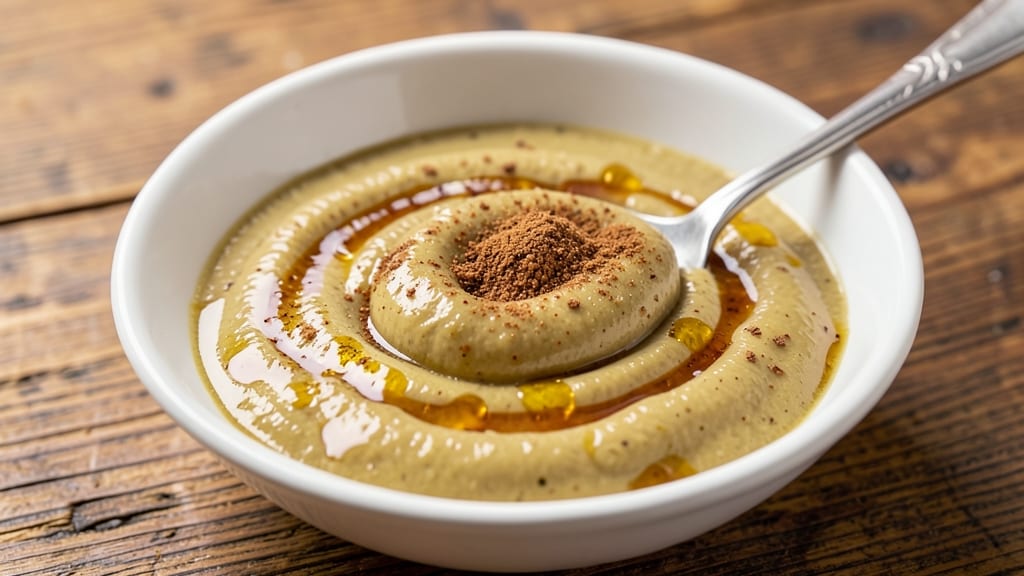
This apple mustard sauce recipe transforms simple ingredients into a bold sweet-tart glaze that elevates roasted meats, sandwiches, and even dips. The perfect balance of sharp mustard and caramelized apples creates a sauce that's rich yet tangy—ideal for adding depth to any dish.
I developed this recipe after craving a glaze that could stand up to hearty flavors without overpowering them.
The secret lies in simmering peeled, diced apples with Dijon mustard, apple cider vinegar, and a touch of honey until the mixture thickens into a glossy, aromatic sauce. A pinch of cinnamon and ground cloves adds warmth, while a splash of apple juice ensures smoothness.
The result? A versatile sauce that works as a glaze for pork chops, a sandwich spread, or even a tangy dip for pretzels.
What sets this sauce apart is its adjustable consistency—simmer longer for a thicker glaze or thin with extra apple juice for a drizzling sauce. The flavors develop as it cools, making it even more complex over time.
Store it in the fridge for up to 1 week or freeze for 3 months, ready to transform your next meal with minimal effort.
Whether you're roasting meats, assembling sandwiches, or looking for a unique dip, this sauce delivers restaurant-quality flavor in just 20 minutes. Let’s make it—your taste buds will thank you.
Ingredients for apple mustard sauce
Nine simple ingredients transform into a restaurant-worthy glaze that balances sweet and tangy perfectly.
| Ingredient | Amount | Notes |
|---|---|---|
| Granny Smith Apples 🍎 | 2 medium | Peeled, diced into 1/4-inch pieces |
| Dijon Mustard 🌶️ | 2 tbsp | High-quality, smooth variety |
| Apple Cider Vinegar 💧 | 2 tbsp | Raw, unfiltered preferred |
| Honey 🍯 | 2 tbsp | Wildflower or clover preferred |
| Apple Juice 🍏 | ½ cup | Unsweetened, clear variety |
| Ground Cinnamon 🌿 | ½ tsp | Freshly ground for warmth |
| Ground Cloves 🌶️ | ¼ tsp | Whole cloves preferred if grinding |
| Unsalted Butter 🧈 | 1 tbsp | Cold, cubed for richness |
| Kosher Salt 🧂 | ¼ tsp | Diamond Crystal preferred |
| Black Pepper 🌶️ | ⅛ tsp | Freshly cracked for depth |
The apples are the foundation—Granny Smith for tartness, but any crisp variety works. Peeled and diced uniformly ensures even cooking. I grab mine at Whole Foods when they're in season, but the regular grocery store apples (like Fuji or Gala) work too. The key is to keep them firm and fresh—wilting means watery sauce. For extra flavor, toss the diced apples with a pinch of salt before cooking—draws out their juices. The Dijon mustard? Maille or Whole Foods brand are my go-tos, but any good-quality Dijon will do. Avoid the cheap stuff with additives.
No Dijon? Whole-grain mustard thinned with a splash of water works in a pinch. Short on apple cider vinegar? White vinegar or lemon juice adds acidity, but the flavor won't be identical. The honey can be swapped for maple syrup or agave nectar if you're avoiding it. For a deeper spice profile, toast the cinnamon and cloves in a dry pan for 30 seconds before adding—game changer. The butter adds richness; if you're vegan, coconut oil or olive oil works just as well. For a smoother sauce, strain it through a fine-mesh sieve after cooking.
This sauce thickens as it cools, so start thin and adjust—simmer longer for glaze or add apple juice for drizzling. Keeps for 1 week in the fridge, 3 months frozen. I double the batch and freeze half—perfect for quick weeknight meals. To reheat, warm gently in a saucepan with a splash of water or apple juice. The flavors actually improve overnight, so make extra if you can. Store in a glass jar with a tight seal to preserve freshness.
Why You'll Love This Recipe
- Five-Ingredient Magic: I swear by this recipe—just apples, mustard, vinegar, honey, and juice. No fancy gadgets, no stress, just a blender and 10 minutes of your time. Honestly, I’ve made it while waiting for dinner to cook, and it still tastes like I slaved over it.
- Tangy-Sweet Balance: That first bite? The sharpness of Granny Smiths cuts through the richness of Dijon, while the honey and vinegar dance together like they’ve been friends forever. It’s the kind of flavor that makes you pause mid-bite—even my picky husband asks for seconds.
- Weeknight to Holiday: Drizzle it over grilled chicken for a quick dinner, toss it with roasted veggies for a fuss-free side, or serve it with pork chops for a restaurant-worthy touch. Between us, I’ve even used it as a glaze for baked apples—because why not? It’s that adaptable.
- Make-Ahead Miracle: This sauce keeps for weeks in the fridge, so I batch it on Sundays. No wasted ingredients, no last-minute grocery runs, and zero guilt when I grab it for a Tuesday night stir-fry. Plus, the longer it sits, the deeper the flavors get—like a secret flavor bomb.
Step-by-step instructions for apple mustard sauce
This bold sweet-tart glaze comes together in minutes with simple technique—perfect for roasted meats.
Cook the Apple Base
In a medium saucepan, combine the 2 medium Granny Smith Apples (already peeled and diced), 0.5 cup Apple Juice, 2 tbsp Apple Cider Vinegar, and 1 tbsp Unsalted Butter. Bring to a gentle simmer over medium heat, then reduce to low heat and cook uncovered for 8-10 minutes until the apples soften and the liquid reduces by about half.
Stir occasionally and watch for a glossy consistency—the sauce should thicken slightly but remain pourable. If it starts to stick, add 1-2 tablespoons of water to maintain even cooking. The apples should be tender enough to mash slightly with a fork but still retain their shape. This step builds the foundation of your sauce, balancing sweetness with tangy depth.
Add Spices and Mustard
Once the apples are tender, stir in the 2 tbsp Dijon Mustard, 0.5 tsp Ground Cinnamon, and 0.25 tsp Ground Cloves. The spices will bloom immediately, filling your kitchen with a warm, aromatic scent. Let the mixture simmer gently for 3-4 minutes, stirring frequently to prevent scorching.
Here's where the magic happens—the mustard's sharpness cuts through the apples' sweetness while the spices add complexity. Taste and adjust the seasoning with 0.25 tsp Kosher Salt and 0.125 tsp Black Pepper if needed. The sauce should taste vibrant and balanced, with a noticeable warmth from the spices. If it's too thick at this stage, whisk in 1 tablespoon of water to loosen it slightly.
Sweeten and Finish
Remove the saucepan from heat and stir in the 2 tbsp Honey. The heat will help the honey dissolve completely, creating a glossy sheen. Return the pan to low heat and let the sauce simmer for 2-3 minutes to meld all the flavors together.
This final step is about harmony—letting the sweetness of the honey marry with the tartness of the apples and the depth of the mustard. The sauce should coat the back of a spoon smoothly, with a perfect balance of sweet, tart, and spicy notes. If you're using this as a glaze for meats, now is the time to test it on a small piece of protein to ensure it adheres well and caramelizes beautifully.
Strain and Adjust
Transfer the sauce to a fine-mesh strainer set over a bowl, pressing gently with a spoon to extract as much liquid as possible. This step ensures a silky texture without any apple chunks, though you can leave some texture if you prefer a rustic finish. Discard the solids or save them for another use.
Taste the strained sauce one last time and adjust the balance of sweetness, acidity, or spice as needed. For a smoother finish, you can whisk in 1 tablespoon of the reserved apple cooking liquid if the sauce is too thick. The final product should be glossy, vibrant, and ready to elevate any roasted meat with its complex sweet-tart profile.
Pro Tips For Making Apple Mustard Sauce
- Peel and Dice Small: Granny Smiths have tough skin—peel them first, then cut into tiny uniform cubes (about ¼-inch). This ensures even cooking and a silky texture instead of chunky bits that turn mushy. (Yes, it takes longer, but you’ll notice the difference.)
- Simmer Low and Slow: After combining everything, keep the heat at a gentle simmer—not a boil. I used to rush it, and the sauce would turn bitter. Let it bubble softly for 8–10 minutes, stirring occasionally, until the apples break down but don’t turn to mush.
- Balance the Vinegar: Apple cider vinegar packs a punch—start with just 1 tablespoon and taste before adding more. Too much makes the sauce sharp; too little dulls the tang. If you’re unsure, add it gradually, like seasoning.
- Strain for Smoothness: If you want a silky sauce, strain it through a fine-mesh sieve after cooking. The fibers from the apples and mustard seeds can make it gritty—especially if you’re using a cheap Dijon. (Skip this if you like texture, but I prefer the smooth version.)
Essential equipment for this recipe
Saucepan Essentials
Start with a medium saucepan—I use my All-Clad stainless steel pan because it distributes heat evenly and won’t react with acidic ingredients like apple cider vinegar. A 2-quart capacity is ideal for this recipe, giving enough room to stir without splattering.
If you don’t have stainless steel, a heavy-bottomed enamel pan works too—just avoid nonstick if you plan to simmer for more than 10 minutes (it can degrade with acid). 🔥
Immersion Blender
For a smooth, chunk-free sauce, an immersion blender is a game-changer. After simmering, I blend the apples directly in the saucepan for 10-15 seconds—no straining required! My go-to is the Ninja QN2001, but budget-friendly options like the Osterizer Blend Master work just as well.
If you prefer texture, skip blending and simply mash the apples with a fork after cooking. 💫
Fine-Mesh Strainer
A fine-mesh strainer (like the OXO Good Grips) is key if you want a silky sauce without apple bits. Press the cooked apples gently with a spoon to extract maximum flavor—don’t rush this step!
For a rustic look, use a coarse strainer or skip straining entirely. Pro tip: Line your strainer with a clean coffee filter for an even smoother finish. ✨
Whisk or Wooden Spoon
Stirring is where the sauce’s magic happens, so grab a heat-resistant silicone whisk or a wooden spoon (I love my Oxo Good Grips wooden spoon). Whisks help incorporate air for a lighter texture, while wooden spoons prevent scratching stainless steel.
Avoid metal spoons—they can scratch your pan over time. A rubber spatula also works well for scraping up any stuck-on bits. 💪
Measuring Spoons
Precision matters with spices and liquids, so invest in a set of stainless steel measuring spoons (like KitchenAid’s). These are durable and won’t warp like plastic.
For the ground cinnamon and cloves, I recommend a spice grinder (such as the Spiceworks Electric Spice Grinder) if you prefer whole spices—freshly ground flavors make all the difference! 🌶️
Nutrition facts
Frequently asked questions
Can I make this sauce without apples?
While apples are essential for the signature sweet-tart balance, you can substitute pears or peaches for a similar texture. For a non-fruit version, blend 1 cup cooked butternut squash with 1 tbsp apple cider vinegar and 1 tbsp honey to mimic the natural sweetness. The sauce will lose its fruity depth but still deliver rich, tangy flavor.
How do I adjust the consistency for glazing vs. dipping?
For a glaze, simmer the sauce uncovered for 5-7 extra minutes until it reaches a thick, syrupy consistency that coats the back of a spoon. For a dip or drizzle, thin with 1-2 tablespoons of apple juice or water while warm. Pro tip: The sauce thickens as it cools, so adjust while still hot.
What’s the best way to store leftover sauce?
Transfer to an airtight glass jar and refrigerate for up to 1 week. For longer storage, freeze in ice cube trays (perfect for small portions) or a sealed container for 3 months. Thaw overnight in the fridge—never microwave directly. The flavors actually deepen after refrigeration!
Can I use this sauce on non-meat dishes?
This versatile sauce works as a sandwich spread, pretzel dip, or vegetable glaze. Try brushing it on roasted carrots or drizzling over grilled cheese sandwiches. For a dessert twist, serve with cheesecake or ice cream—the sweet-tart contrast is unexpected but delicious.
Why did my sauce turn out too sweet?
This happens when the apples weren’t fully cooked or the mustard’s tang wasn’t balanced. Next time, simmer the apples 5 minutes longer to concentrate flavors, then add 1 extra tbsp apple cider vinegar to cut sweetness. Taste as you go—adjust with vinegar or a pinch of salt before finishing with honey.