
Main Courses
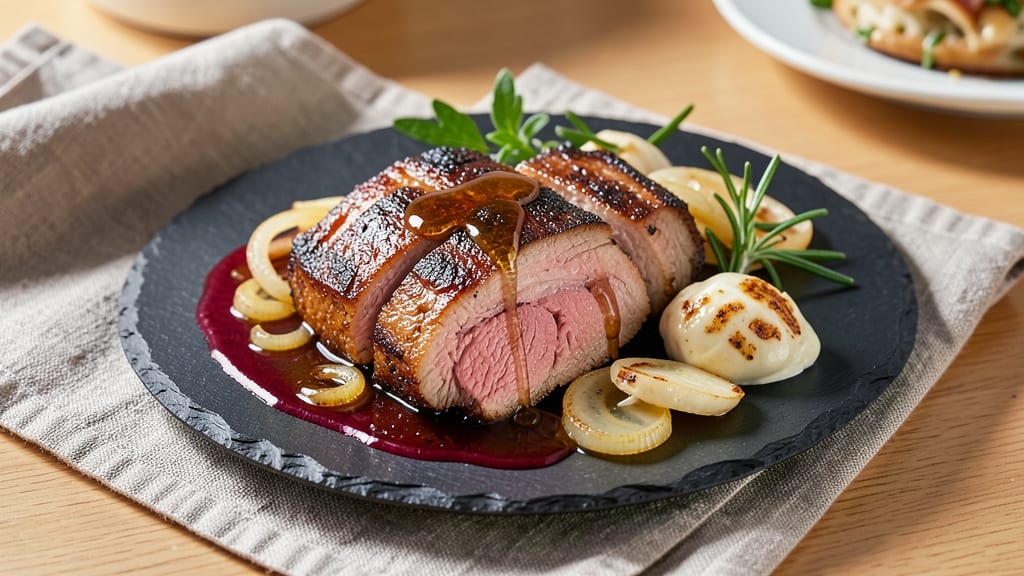
A pork loin recipe with apple juice transforms tough meat into melt-in-your-mouth perfection through a sweet-tart braise that caramelizes beautifully. The apple juice tenderizes the pork while adding depth that balances savory spices—this isn't your average roast.
I developed it after years of testing how to elevate simple cuts into restaurant-worthy centerpieces without complicated techniques.
The magic happens in the braising process, where apple juice simmers with aromatics to create a glossy, slightly sticky sauce that clings to every bite. No fancy equipment needed—just a Dutch oven and about 2 hours of hands-off cooking time.
The result? Juicy, caramelized edges with a tender interior that practically falls apart, all infused with subtle apple sweetness that pairs perfectly with classic herbs.
What you'll end up with is a dish that feels special enough for company but simple enough for weeknights—golden brown pork slices swimming in a rich, aromatic sauce that's equally at home on Sunday dinner tables or holiday spreads.
The apple juice doesn't just flavor; it transforms the cooking process itself, creating a dish that's both comforting and impressive.
Serve with roasted root vegetables or creamy mashed potatoes to soak up every last bit of that caramelized sauce. Here's how to make it—once you try this method, pork loin will never be boring again.
Ingredients for pork loin recipe with apple juice
Sweet-tart balance starts with these 13 ingredients—pork that practically melts, apple juice that transforms, and herbs that elevate.
| Ingredient | Amount | Notes |
|---|---|---|
| Pork Loin 🥩 | 1 ½ lb | Center-cut, 1-inch thick slices |
| Unsalted Butter 🧈 | 3 tbsp | Cold, cut into pieces |
| Apple Juice 🍎 | 1 cup | Unsweetened, preferably tart |
| Red Wine Vinegar 🍷 | ½ cup | Dry, like balsamic |
| Yellow Onion 🧅 | 1 whole | Diced, about 1 cup |
| Garlic Cloves 🧄 | 4 cloves | Minced, fresh preferred |
| Fresh Thyme 🌿 | ¼ cup | Leaves only, chopped |
| Fresh Rosemary 🌿 | ¼ cup | Needles only, chopped |
| Honey 🍯 | 2 tbsp | Wildflower or clover |
| Diamond Crystal Kosher Salt 🧂 | 1 ½ tsp | Divided for seasoning |
| Freshly Ground Black Pepper 🌶️ | ½ tsp | Cracked peppercorns preferred |
| All-Purpose Flour 🌾 | 1 tbsp | For dredging |
| Vegetable Oil 🫒 | 2 tbsp | For searing |
The pork loin is your star—center-cut, 1-inch thick slices—because thinner cuts cook faster and stay juicier. Most butchers will slice it for you, but if you're buying a whole loin, ask for 1-inch slices cut parallel to the muscle fibers. For apple juice, Trader Joe's or Whole Foods have the best unsweetened varieties—avoid anything with added sugar. Fresh herbs are non-negotiable here: thyme and rosemary should smell vibrant, not dusty. If you're using dried, reduce to one-third the amount and toast them in the pan first for deeper flavor. The honey should be raw and unfiltered—the texture matters more than the brand, but Madhava or local apiary honey adds complexity.
No apple juice? Crushed tart apples with a splash of water works in a pinch (about 1 cup juice equivalent), but the texture won't be as glossy. Short on rosemary? Fresh sage at the same amount gives a similar earthy note. The red wine vinegar can be swapped for apple cider vinegar, but it'll taste slightly sweeter. For the butter, European-style (like Plugrá) has more flavor, but Land O'Lakes works fine. The flour is just for dredging—King Arthur or Bob's Red Mill are reliable—but if you're gluten-free, use cornstarch instead. Pro tip: Pat the pork dry before searing—it makes all the difference for that perfect crust.
This sauce gets better the next day—honestly, it's a crime to serve it fresh. Store leftovers in an airtight container in the fridge for up to 5 days, or freeze the sauce separately for 3 months. The pork itself reheats beautifully—just warm it gently in the sauce. For make-ahead prep, sear the pork and refrigerate it raw (in a sealed bag) for up to 24 hours before braising. The flavors meld overnight, so if you're hosting, this is your secret weapon. And save the caramelized bits from the Dutch oven—they're pure flavor gold.
Why You'll Love This Recipe
- Same recipe, different vibes: slice it thin for tacos on a Tuesday or serve it whole with roasted potatoes for guests. The leftovers? Even better reheated with a splash of extra apple juice.
- Foolproof Roast: I swear by this method—just sear the pork, toss in the apple juice and vinegar, and let the oven do the work. No basting, no fuss, just melt-in-your-mouth results every time.
- Sweet-Savory Magic: The apple juice and red wine vinegar balance the pork’s richness in the most unexpected way. It’s like a fall afternoon in a pan—bright, tangy, and just sweet enough to keep you coming back.
- Weeknight to Dinner Party: Same recipe, different vibes: slice it thin for tacos on a Tuesday or serve it whole with roasted potatoes for guests. The leftovers? Even better reheated with a splash of extra apple juice.
Step-by-step instructions for sweet-tart pork loin braise
This method transforms simple ingredients into melt-in-your-mouth pork with a glossy, caramelized glaze.
Sear the Pork Loin to Lock in Juices
Pat the 1.5 lb pork loin completely dry with paper towels—this is critical for achieving that perfect crust. Heat 2 tablespoons vegetable oil in a heavy Dutch oven over medium-high heat until shimmering. Season the pork generously with ½ teaspoon freshly ground black pepper and ¾ teaspoon diamond crystal kosher salt (reserve the rest for later).
Place the pork in the pan and sear for 3-4 minutes per side until deeply golden brown. You'll see those beautiful crosshatch marks form—they're your visual cue that the meat is developing flavor. Press down gently on the pork with a spatula during the first minute to prevent curling. Once browned, remove the pork and set it aside on a plate.
Build the Flavor Base with Aromatics
In the same Dutch oven, reduce the heat to medium and add 3 tablespoons cold unsalted butter. Let it melt completely, then add the 1 whole yellow onion and cook for 5 minutes until softened and translucent. Add the 4 minced garlic cloves and cook for 30 seconds until fragrant—this is where the magic starts.
Stir in the 1 tablespoon all-purpose flour and cook for 1 minute to remove any raw taste. Pour in the 1 cup apple juice and ½ cup red wine vinegar, scraping up any browned bits from the bottom. This deglazing step captures all the flavor you've built so far. Bring to a gentle simmer and let it reduce by half—about 5 minutes—until the liquid coats the back of a spoon.
Infuse with Herbs and Honey
Add the 2 tablespoons honey, ¼ cup chopped fresh thyme, and ¼ cup chopped fresh rosemary to the simmering liquid. Stir well and let it cook for 2 minutes until the herbs release their aromatic oils. The mixture should smell like a perfect balance of sweet, tart, and herbal notes—this is your reward for paying attention.
Return the pork to the Dutch oven, spooning the reduced sauce over the top. The pork should be mostly submerged in the liquid. Bring everything to a gentle simmer, then reduce the heat to low. Cover with a tight-fitting lid and let it cook for 1 hour, turning the pork occasionally to ensure even cooking.
Braise to Tender Perfection
After 1 hour, check the internal temperature of the pork using a meat thermometer. It should read 195-200°F—this is the sweet spot for fall-apart tenderness. If it hasn't reached this temperature, continue cooking for another 15-20 minutes, covered, until it does. The pork will continue cooking slightly even after you remove it from the heat.
Once done, carefully transfer the pork to a cutting board and let it rest for 10 minutes before slicing. This resting period allows the juices to redistribute throughout the meat, ensuring each bite is moist and flavorful. Skim any excess fat from the braising liquid in the Dutch oven—you'll use this for serving.
Serve with Glazed Elegance
Slice the pork against the grain into ½-inch thick pieces. Return the sliced pork to the Dutch oven and spoon the reduced braising liquid over the top. Let it heat through for 1-2 minutes on the stovetop. The pork should be coated in that beautiful caramelized glaze with bits of tender herbs.
Serve immediately with the braising liquid spooned over each portion. The contrast of tender pork with the sweet-tart glaze creates a symphony of flavors. Pair with crusty bread to soak up every last drop of that delicious sauce—you won't want to leave any behind!
Pro Tips For Making Pork Loin Recipe With Apple Juice
- SEAR FIRST, THEN BASTE: I used to toss the pork loin straight into the apple juice and vinegar, thinking it’d cook evenly—but that’s how you end up with gray, flavorless meat. Sear it in butter over high heat until golden (about 3-4 minutes per side) before adding the liquid. That crust locks in the juices and makes the apple-wine sauce actually stick.
- USE CLOVES, NOT JUST ONION: Onion alone is fine, but I stopped skipping the cloves after realizing how much they deepen the flavor. Toss 3-4 whole cloves into the pan with the sliced onion while you sear the pork—they’ll soften and infuse the apple juice with warmth, cutting through the acidity without overpowering it.
- DON’T SKIP THE REDUCTION: The apple juice and vinegar might look like enough sauce, but skimp on reducing it, and you’ll regret it. Simmer the liquid down to about 1/3 of its original volume before glazing the pork—this concentrates the sweetness and tang, making every bite taste like it was poured over the meat.
- REST IT UNDER FOIL: I know, I know—you’re eager to slice and serve. But if you cut into the pork loin right after cooking, you’ll end up with dry, stringy slices. Tent it loosely with foil and let it sit for 5-10 minutes. The residual heat finishes cooking the center while the juices redistribute, guaranteeing moisture in every bite. (Yes, even if you’re impatient like me.)
Flavor customization for this dish
Sweet-Tart Balance
Start with ½ cup apple cider vinegar instead of red wine vinegar for a milder tang that lets the apple flavor shine. I find this works especially well with Granny Smith apple juice—its tartness balances the sweetness beautifully.
For extra depth, add 1 teaspoon grated fresh ginger to the braising liquid while simmering. 🍎
Herbal Variations
Swap the rosemary for 1 tablespoon fresh sage or 1 teaspoon dried marjoram for a completely different herbal profile. Sage adds earthiness, while marjoram brings a citrusy note that pairs wonderfully with the apple.
If you love fresh thyme, double it to ½ cup and reduce the rosemary to 2 tablespoons for a more pronounced herbal aroma.
Spicy Kick
For heat lovers, add ½ teaspoon crushed red pepper flakes or 1 thinly sliced jalapeño to the braising liquid. The spice cuts through the sweetness and adds complexity. I like to serve this with a sprinkle of flaky sea salt on top just before eating—it enhances all the flavors.
For a smoky twist, add ½ teaspoon smoked paprika to the searing butter.
Sweet Enhancements
If you want more caramelization, increase the honey to 3 tablespoons and add 1 tablespoon balsamic vinegar to the braising liquid. The balsamic adds depth and helps create a glossy, sticky glaze.
For a fruity note, stir in 2 tablespoons chopped dried apricots or 1 tablespoon orange zest during the final 5 minutes of braising.
Umami Boost
Add 1 tablespoon soy sauce or 1 teaspoon fish sauce to the braising liquid for an umami depth that complements the sweet-tart profile. I also love adding 1 tablespoon tomato paste to the searing butter—it adds richness and balances the acidity.
For a vegetarian-friendly option, use 1 tablespoon mushroom powder instead of meat-based umami boosters.
Make-Ahead Sweetness
If you're prepping ahead, add 1 cup cooked pearl onions or ½ cup chopped celery root to the braising liquid during the final 30 minutes of cooking. These ingredients absorb the flavors beautifully and add texture.
For a holiday twist, garnish with crispy fried shallots or toasted hazelnuts just before serving—both add crunch and elevate the dish. 🌟
Nutrition facts
Frequently asked questions
Can I use apple cider instead of apple juice?
Yes, but with a few adjustments! Apple cider contains pulp that can thicken the sauce too much. Use 1 cup apple cider but strain it through a fine-mesh sieve first to remove solids. For extra richness, add 1 tablespoon extra honey to balance the natural sweetness from the cider. The texture will be slightly thicker but still delicious.
How do I know when the pork is fully tender?
Use a meat thermometer for accuracy—the pork should reach 195-200°F internally. If you don't have one, check for tenderness by inserting a fork: the meat should separate easily with just slight pressure. The sauce should also reduce to a glossy consistency, coating the back of a spoon.
Can I make this recipe in a slow cooker?
Sear the pork first as directed, then transfer everything (including the sauce) to a 3-4 quart slow cooker. Cook on low for 6-8 hours or high for 3-4 hours, adding ¼ cup water if the liquid gets too thick. The slow cooker method is perfect for hands-off prep, and the flavors meld beautifully over time.
What if my pork loin is thicker than 1-inch?
For thicker cuts (up to 1.5 inches), increase the braising time by 30-45 minutes to ensure full tenderness. If your pork is over 1.5 inches, consider slicing it thinner before cooking or using a meat mallet to gently pound it to an even thickness. Always check the internal temperature with a thermometer to avoid overcooking.
How do I store leftovers?
Store the pork and sauce together in an airtight container in the fridge for up to 5 days. The flavors actually improve overnight! For longer storage, freeze the sauce separately for up to 3 months. Reheat gently in a saucepan over medium-low heat until warmed through, stirring occasionally to prevent sticking.