
Sauces & Condiments
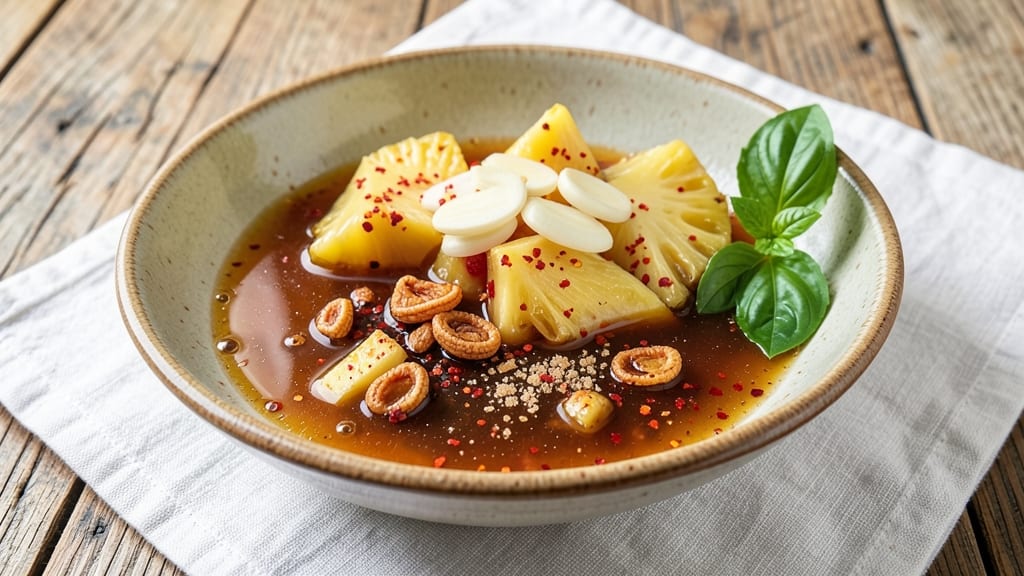
This Asian pineapple sauce recipe transforms simple ingredients into a vibrant, sweet-tangy glaze that elevates everything from grilled meats to stir-fries. The balance of pineapple juice, vinegar, and sugar creates a glossy finish that caramelizes beautifully under the broiler, while garlic and ginger add depth without overpowering.
I developed this sauce after years of experimenting with Asian-inspired glazes—it’s the one I reach for when I want that perfect harmony of sweet, sour, and umami.
The magic happens in the reduction: simmering the sauce until it thickens just enough to coat proteins or vegetables without making them soggy. A touch of chili flakes or red pepper flakes adds a subtle kick, while fresh lime juice brightens the flavors at the end.
This isn’t just a sauce—it’s a flavor booster that turns ordinary dishes into restaurant-worthy meals with minimal effort.
What makes this sauce truly versatile is its ability to adapt. Use it as a glaze for chicken skewers, a dipping sauce for spring rolls, or a finishing touch for noodle dishes. The ingredients are simple—pineapple juice, rice vinegar, brown sugar, garlic, and ginger—but the result is anything but basic.
It keeps well in the fridge for up to a week, so you can make a big batch and have it ready whenever cravings strike.
The key to success lies in the reduction step: don’t rush it. Let the sauce thicken gradually to achieve that perfect balance of sweetness and tang. A quick broil at the end intensifies the caramelization, giving your dishes that glossy, appetizing finish.
Trust the process, and you’ll have a sauce that’s as foolproof as it is delicious.
Ingredients for asian pineapple sauce
Eight simple ingredients transform into a vibrant, sweet-tangy glaze perfect for stir-fries and grilled meats.
| Ingredient | Amount | Notes |
|---|---|---|
| Fresh Pineapple Juice 🍍 | 1 cup | Freshly squeezed preferred |
| White Rice Vinegar 💧 | ½ cup | Mild and aromatic |
| Light Brown Sugar 🍚 | ½ cup | Packed tightly |
| Garlic Cloves 🧄 | 4 cloves | Minced finely |
| Fresh Ginger 🌿 | 2 tbsp | Grated finely |
| Red Chili Flakes 🌶️ | 1 tbsp | Adjust for heat |
| Fresh Lime Juice 🍋 | 2 tbsp | Squeezed fresh |
| Sesame Oil 🫒 | 1 tbsp | Toasted sesame preferred |
| Low-Sodium Soy Sauce 🥢 | 1 tbsp | For umami depth |
| Cornstarch 🌾 | 1 tsp | Dissolved in 1 tbsp water |
The pineapple juice is the star here—freshly squeezed makes all the difference. Trader Joe's or Costco often have great prices for fresh pineapple, but a can of crushed pineapple works in a pinch (drain well). Brown sugar adds caramel depth, but coconut sugar works too if you prefer a less refined option. Garlic and ginger should be freshly grated or minced—pre-minced garlic lacks punch. The chili flakes are optional but add a nice kick; skip them if you prefer mild flavors.
No fresh pineapple juice? Coconut water or extra lime juice can stretch it, but the flavor won’t be identical. Running out of rice vinegar? Apple cider vinegar works, though it’s slightly sweeter. For a quicker version, swap the cornstarch slurry with 1 tsp arrowroot powder—it thickens faster. The sesame oil is non-negotiable for that authentic nutty aroma, but if you’re avoiding sesame, toasted peanut oil is a decent substitute. The soy sauce adds umami, so don’t skip it—low-sodium keeps the sauce from becoming too salty.
This sauce thickens as it cools, so taste and adjust before serving. Store in an airtight container in the fridge for up to 1 week, or freeze for 3 months in ice cube trays for single-use portions. The flavors actually improve overnight as everything melds together. Reheat gently on the stove or microwave until warm—no need to thin it out unless you’re using it as a dipping sauce.
Why You'll Love This Recipe
- Five-Ingredient Magic: I swear by this combo—pineapple juice, vinegar, and brown sugar do the heavy lifting while garlic and ginger add depth. No fancy techniques, just simmer and stir until it sings.
- Sweet-Savory Balance: That caramelized brown sugar meets bright vinegar tang? It’s the kind of flavor that makes you pause mid-bite. The ginger lingers just enough to keep it interesting without overpowering.
- Weeknight Workhorse: Drizzle it over grilled chicken, toss with rice, or serve as a dip—it’s my go-to when I need something quick but still feels special. Even my picky eaters ask for seconds.
- Lasts All Week: Make a big batch and store it in the fridge. The flavors deepen over time, and it’s still perfect for takeout nights or unexpected guests. Budget-friendly? Absolutely.
Step-by-step instructions for Asian pineapple sauce
This vibrant glaze comes together faster than you'd expect—just 15 minutes of active work.
Bloom the Aromatics in Sesame Oil
Heat a medium saucepan over medium-low heat and add the 1 tablespoon sesame oil. Swirl to coat the bottom evenly—you'll smell that nutty aroma immediately. Add the 4 cloves minced garlic and 2 tablespoons grated fresh ginger, stirring constantly for 30-45 seconds until fragrant but not browned.
Watch carefully here—the garlic burns fast. You're looking for a gentle sizzle and the release of those aromatic oils, not any color change. If it starts to darken, reduce the heat immediately. These aromatics form the flavor base for the entire sauce, so don't rush this step.
Combine Wet Ingredients and Simmer
Pour in the 1 cup fresh pineapple juice, 0.5 cup white rice vinegar, 0.5 cup packed light brown sugar, 1 tablespoon low-sodium soy sauce, and 1 tablespoon red chili flakes. Stir vigorously to dissolve the sugar completely—it should take about 1 minute of constant stirring over the heat.
Bring the mixture to a gentle boil, then immediately reduce heat to medium-low. Let it simmer uncovered for 5-7 minutes, stirring occasionally, until it reduces by about one-third. You'll notice the sauce thickening slightly and developing a glossy sheen. This reduction concentrates the flavors and balances the sweet-tangy profile.
Finish with Lime and Thicken
Remove the pan from heat and stir in the 2 tablespoons fresh lime juice. The color will brighten noticeably, and you'll get that immediate citrus punch. In a small bowl, whisk the 1 teaspoon cornstarch with 1 tablespoon water until smooth, then return the mixture to the pan.
Place the pan back over low heat and stir constantly for 1-2 minutes until the sauce reaches your desired thickness—it should coat the back of a spoon smoothly. If it thickens too quickly, add 1-2 tablespoons water to adjust. The sauce should be glossy, syrupy, and ready to glaze anything from grilled chicken to stir-fried vegetables.
Cool and Adjust Seasoning
Transfer the sauce to a clean jar or bowl and let it cool for 5 minutes. Taste and adjust the balance—add more lime juice if it needs brightness, more brown sugar if it's too tart, or more soy sauce for deeper umami. The sauce will thicken further as it cools, so don't over-thicken it at this stage.
For best results, use the sauce immediately over grilled meats or stir-fries. If storing, keep it refrigerated for up to 5 days—the flavors actually improve overnight. When reheating, warm gently over low heat with a splash of water to restore its glossy consistency. This sauce transforms ordinary dishes into something special with minimal effort.
Pro Tips For Making Asian Pineapple Sauce
- STRAIN IT TWICE: Pineapple juice is stubborn—after simping the first time, you’ll still find gritty bits. Run it through a fine-mesh sieve or cheesecloth again before using. I learned this the hard way when a stray fiber ruined an otherwise smooth batch.
- PEEL GINGER FAST: Skip the tedious knife work—microwave the ginger root for 15 seconds first. The heat softens the skin so it peels like a banana. Works for garlic too, but don’t overdo it or you’ll scorch the cloves.
- DON’T BOIL THE VINEGAR: Rice vinegar evaporates fast and turns harsh when pushed too hard. Simmer the sauce on medium-low and let the sugar dissolve gradually. High heat makes the sauce taste like you’re drinking pickled nails.
- SWEETEN IT LAST: Add the brown sugar after the garlic and ginger have cooked for 2–3 minutes. This lets the caramelized flavors develop first—if you dump it in early, you’ll just end up with a cloying syrup. Trust me, the balance is worth the wait.
Best sauces and condiments for this dish
Sweet-Tangy Glaze
This sauce excels as a glaze for grilled meats, especially chicken thighs or pork chops. Brush it on 10-15 minutes before cooking over medium-high heat—the caramelization will create a sticky, glossy crust.
For extra drama, broil for 2-3 minutes at the end for deeper color. I love using it on bamboo skewers with bell peppers and onions for a restaurant-style appetizer. 🔥
Dipping Sauce
Thin the sauce slightly with 1-2 tablespoons water and serve it warm as a dipping sauce for spring rolls, dumplings, or fried wontons. The balance of sweet, tangy, and umami makes it irresistible.
For extra texture, sprinkle with toasted sesame seeds or crushed peanuts right before serving. It’s perfect for Asian-inspired game day snacks too!
Stir-Fry Finisher
Add 2-3 tablespoons of this sauce to your stir-fry in the last minute of cooking, tossing quickly to coat everything evenly. It pairs beautifully with shrimp, beef strips, or crispy tofu.
The acidity cuts through rich ingredients like butter or coconut milk, brightening the whole dish. For best results, keep the sauce warm but not boiling.
Marinade Base
Use ½ cup of this sauce as a marinade for grilled fish or shrimp, mixing with 1 tablespoon soy sauce and 1 tablespoon honey. Let it sit for 20-30 minutes before cooking—it tenderizes while adding incredible flavor.
I’ve used it on salmon fillets with amazing results. The pineapple enzymes also help break down proteins for extra tenderness.
Rice Bowl Topper
Drizzle 1-2 tablespoons over steamed jasmine rice or coconut rice for instant flavor. The sweet-tangy contrast elevates simple bowls into gourmet meals. Pair it with grilled chicken, steamed veggies, and a soft-boiled egg for a complete, balanced dish. The sauce’s glossy finish makes it look restaurant-worthy too!
Frozen Treats
For a fun twist, freeze the sauce in ice cube trays and use the cubes to deglaze pans or add to cocktails. The concentrated flavor works surprisingly well in margaritas or mojitos—just drop in 1-2 cubes and muddle with lime.
It’s also great for spiked pineapple lemonade during summer gatherings. 💫
Nutrition facts
Frequently asked questions
Can I substitute canned pineapple juice instead of fresh?
Yes, but fresh pineapple juice gives the best flavor. If using canned, choose crushed pineapple (not juice) and drain it well first. Add 1 extra tablespoon lime juice to compensate for the difference in acidity. The texture will be slightly thicker but still delicious.
How do I make this sauce spicier?
Increase the red chili flakes to 2 tablespoons or add ½ teaspoon cayenne pepper for heat. For a smoky kick, stir in ½ teaspoon smoked paprika during the simmering step. Always taste as you go—adjust gradually to avoid overpowering the sweet-tangy balance.
Can I use this sauce on seafood?
It works beautifully on shrimp, salmon, or scallops. For seafood, reduce the chili flakes to ½ tablespoon to avoid overpowering delicate flavors. Use it as a marinade (mix with 1 tbsp soy sauce) or glaze (brush on 5 minutes before cooking). The pineapple's acidity tenderizes seafood perfectly.
Why did my sauce turn cloudy?
Cloudiness usually means the cornstarch wasn't fully dissolved or the sauce cooled too quickly. Next time, whisk the cornstarch slurry vigorously for 1 full minute before adding it to the pan. Also, let the sauce cool gradually rather than pouring it over ice. If it's already cloudy, reheat gently with 1 tsp water to restore clarity.
How can I make this sauce vegan?
Swap the soy sauce for tamari and use coconut aminos if needed. Replace sesame oil with toasted coconut oil (add ½ teaspoon coconut extract for flavor). The rest of the ingredients are already vegan-friendly. The sauce will still have that perfect sweet-tangy balance without animal products.