
Sauces & Condiments
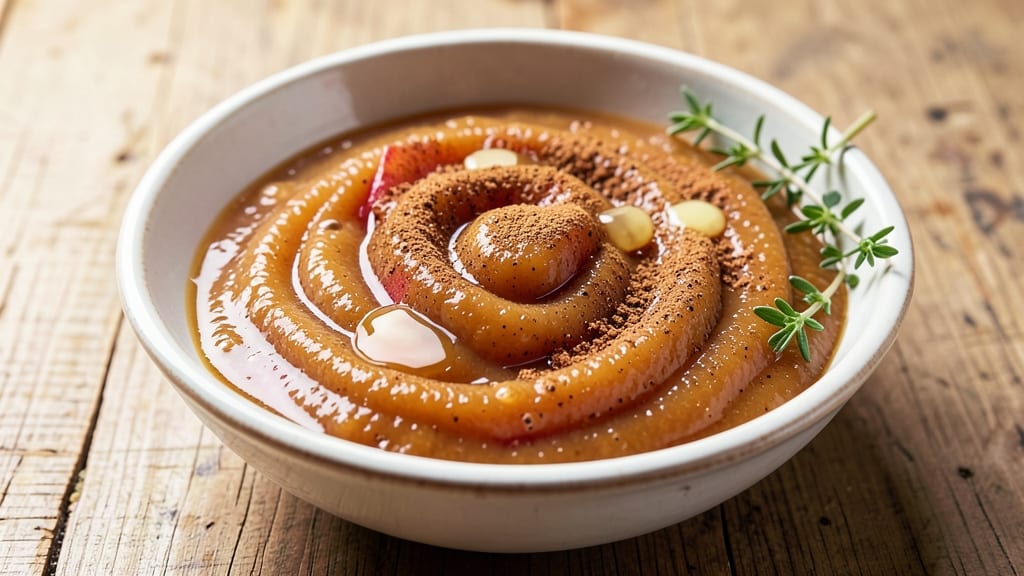
This basic apple sauce recipe transforms simple apples into a smooth, spiced pantry staple that elevates everything from toast to roasted meats. The process is straightforward—just simmer peeled apples with cinnamon, sugar, and a splash of water until they break down into a velvety texture.
I developed this version after realizing how often homemade apple sauce comes in handy, whether I'm canning for winter or adding depth to savory dishes.
The beauty of this recipe lies in its versatility. You can adjust the sweetness to taste, add vanilla for warmth, or leave it chunky for texture. The key is patience—simmering low and slow ensures a silky finish without burning.
It's a foolproof method that yields about 4 cups of sauce from just 6 medium apples, making it perfect for meal prep or gifting.
What you'll end up with is a fragrant, golden apple sauce that's naturally sweetened and packed with autumnal spice. The aroma alone makes any kitchen feel cozy, while the texture is smooth enough for dipping but still substantial enough to use as a topping.
This isn't just a side—it's a building block for countless recipes.
Store it in the fridge for up to a week or freeze for months, ensuring you always have a homemade option on hand. The possibilities are endless: drizzle over pancakes, mix into oatmeal, or use as a glaze for pork. Here's how to make it perfectly every time.
Ingredients for basic apple sauce
Six apples, a handful of pantry staples, and a slow simmer turn into this cozy sauce.
| Ingredient | Amount | Notes |
|---|---|---|
| Medium Apples 🍎 | 6 whole | Peeled, cored, and sliced |
| Granulated Sugar 🍚 | ½ cup | Adjust to taste for sweetness |
| Ground Cinnamon 🌿 | 1 ½ tsp | For warm spice flavor |
| Water 💧 | ½ cup | For simmering apples |
| Lemon Juice 🍋 | 1 tbsp | Freshly squeezed for brightness |
| Vanilla Extract 🍯 | ½ tsp | Optional for depth (optional) |
| Salt 🧂 | ¼ tsp | Enhances flavors |
Apples are the star—Granny Smith or Honeycrisp hold up best during cooking. Local farmers markets often have perfect ones in fall, but grocery store bins work too. Skip the pre-sliced bags (they brown fast). The sugar? Brown sugar adds subtle molasses notes, but white works fine. Cinnamon is non-negotiable—it's what makes this taste like autumn. I always grab Penzeys for my spices, but the regular grocery store kind is fine too. The key is freshness: if your cinnamon smells like dust, toss it.
No vanilla? Skip it or use 0.25 tsp almond extract for a different twist. Short on sugar? Apple juice or maple syrup work 1:1. The lemon juice can be bottled, but fresh is brighter. Want chunky sauce? Use a potato masher at the end instead of blending. No masher? A fork works. The water amount is flexible—add more if your apples are very dry. If you're making this for canning, use pectin and follow USDA guidelines for safe storage.
Fresh apple sauce keeps 5-7 days in the fridge, covered. For longer storage, freeze in ice cube trays (perfect for single servings) or airtight containers. Thaw overnight in the fridge. The sauce thickens as it cools—add a splash of water if it's too stiff. I always make a double batch—half goes in jars for gifting, half stays in my pantry for quick breakfasts. The aroma alone makes any kitchen feel like fall.
Why You'll Love This Recipe
- No Peel Required: I’ll admit, I used to fuss with peeling apples—until I realized this sauce tastes even better with the skin on. The natural sweetness and texture stay intact, and honestly? It saves me 10 minutes every time.
- Cinnamon Magic: That first sprinkle of cinnamon transforms simple apples into something warm and nostalgic. A splash of lemon juice brightens it up, so it’s never cloying—just perfectly spiced, like a hug in a bowl.
- Pantry Staple Power: Between us, this recipe uses ingredients you already have. No specialty items, no last-minute grocery runs. I’ve made it for breakfast with toast, as a side for pork chops, and even as a dessert topping—zero waste, all flavor.
- Lasts All Week: I make a big batch on Sundays, and it’s still creamy and delicious by Friday. Store it in the fridge for up to 10 days, or freeze it for months. Plus, it’s so cheap—apples and sugar don’t break the bank, but the payoff feels like a gourmet treat.
Step-by-step instructions for spiced apple sauce
Here's how to make this simple yet versatile homemade apple sauce that's perfect for breakfast, desserts, or even savory dishes.
Prepare the Apples for Cooking
Start by peeling, coring, and slicing all 6 whole medium apples into even ¼-inch thick slices. I like to use a sharp chef's knife for this—it gives you clean cuts without crushing the fruit. You want consistent slices so they soften evenly during cooking.
Place the sliced apples in a large pot with the 0.5 cup water. The water helps prevent the apples from sticking to the bottom and burning. Give the apples a quick stir to distribute them evenly. Here's the thing—if your apples are particularly tart, you might want to add an extra 0.25 cup water to balance the flavor as they cook.
Simmer Until Apples Are Tender
Bring the pot to a boil over medium-high heat. Once boiling, reduce the heat to medium-low and let the apples simmer uncovered for 15-20 minutes. You'll know they're ready when a knife slides in easily—this usually happens around the 15-minute mark for most apple varieties.
While they simmer, you'll notice the apples release their juices and the mixture reduces slightly. This is normal and actually helps concentrate the apple flavor. If the mixture looks too dry after 15 minutes, add 1-2 tablespoons water to maintain the right consistency.
Add Sweetness and Seasonings
Once the apples are tender, stir in the 0.5 cup granulated sugar, 1.5 teaspoons ground cinnamon, 1 tablespoon lemon juice, 0.5 teaspoon vanilla extract, and 0.25 teaspoon salt. The sugar will dissolve quickly, and the cinnamon will release its warm aroma. I always add the lemon juice last—it brightens the apples and balances the sweetness beautifully.
Give everything a good stir and let the mixture simmer for another 5-7 minutes on medium-low heat. This lets the flavors meld together. You'll smell that perfect combination of sweet apples, warm cinnamon, and bright citrus. If you prefer your apple sauce chunkier, you can stop here. For a smoother texture, proceed to the next step.
Achieve Your Preferred Texture
For a smooth apple sauce, use an immersion blender right in the pot to blend until completely smooth. If you prefer some texture, mash the apples with a potato masher instead. I like to do a quick taste test here—if it needs more sweetness, add 1-2 teaspoons sugar at a time until it reaches your preference.
For the best results, let the apple sauce cool for 10 minutes before serving. This allows the flavors to settle and the texture to set slightly. The sauce should be thick enough to coat the back of a spoon but still spreadable. If it thickens too much as it cools, simply stir in 1-2 tablespoons water to loosen it.
Pro Tips For Making Basic Apple Sauce
- PEEL AND CORE LIKE A PRO: Skip the knife and use an apple corer—it’s faster and safer, especially when you’re peeling 6-8 apples at once. I learned this the hard way after slicing my thumb twice; now I keep one in my drawer just for applesauce season.
- STIR IN SUGAR LAST: Add the granulated sugar and cinnamon only in the final 5 minutes of cooking. This keeps the apples from turning mushy too soon—sugar draws out moisture, and you want that perfect balance of tender fruit and bright flavor.
- LEMON JUICE ISN’T OPTIONAL: That splash of lemon juice isn’t just for acidity—it prevents the apples from browning too fast while cooking. Skip it, and your sauce might turn dull gray instead of golden. (Yes, even if you’re not a fan of citrus—trust me.)
- SIMMER LOW AND SLOW: After the apples break down, drop the heat to a gentle simmer. High heat turns applesauce into glue—you want bubbles, not a thick, sticky mess. Ten minutes on low is better than five on high. (I know, I know, but trust the process.)
Pro cooking tips for basic apple sauce
Heat Control Secrets
Apple sauce requires gentle heat—never let it boil vigorously after adding sugar and spices. I use medium-low heat after the initial simmer to prevent burning and preserve the apples' natural sweetness.
If your pot has uneven heating, stir occasionally to distribute heat. A heavy-bottomed pot (like my All-Clad stainless steel) prevents hot spots that can scorch the sauce. 🔥
Apple Variety Matters
Different apples yield different textures and flavors. Granny Smith stays tart and holds shape well, while Honeycrisp becomes ultra-smooth. For a balanced sauce, I mix 4 Granny Smith with 2 Honeycrisp—the tartness cuts through the sweetness beautifully.
Avoid Red Delicious (they turn mushy fast) unless you want a chunkier texture. If you only have one variety, adjust cooking time by 2-3 minutes—test with a fork!
Spice Infusion Tricks
For deeper flavor, add spices 5 minutes before the apples are fully tender. Cinnamon sticks (instead of ground) infuse better—just remove them before blending. Want extra warmth? Add ¼ tsp nutmeg or a pinch of cardamom.
I also like toasting 1 tsp whole cloves in a dry pan for 30 seconds before adding them to the sauce—this intensifies their aroma. 🌿
Texture Mastery
For chunky sauce, mash with a potato masher after simmering—this preserves some apple pieces. For smooth sauce, blend while warm (not hot) to avoid splattering. Pro tip: If your immersion blender struggles, strain the sauce through a fine-mesh sieve for ultra-silky results.
The texture should be spoonable but not gluey—adjust with water if needed.
Sweetness Balance
Taste as you go! Apples release different amounts of natural sugar. If your sauce tastes bland after simmering, add sugar 1 teaspoon at a time—you can always adjust later.
For a less sweet version, reduce sugar to ¼ cup and add 1 tablespoon maple syrup instead. The key is tasting at room temperature—sauce tastes sweeter when hot.
Equipment Upgrades
An immersion blender (like the Ninja 1000) is a game-changer for smooth sauce. For canning, a wide-mouth funnel makes filling jars easier. My OXO Good Grips potato masher gives perfect chunky texture without over-mashing.
If you're making large batches, a slow cooker on low for 4-5 hours works beautifully—just add all ingredients at once and stir occasionally. ⚡
Nutrition facts
Frequently asked questions
Can I use frozen apples instead of fresh?
Yes! Frozen apples work perfectly—just thaw them first and drain any excess liquid. Use 6 cups thawed frozen apples (about 2 pounds) and reduce the water to ¼ cup since frozen apples release moisture. The texture will be slightly softer, but it's still delicious. Just avoid apples with added sugar or syrup.
How do I make apple sauce without a blender?
No blender? No problem! Use a potato masher or wooden spoon to crush the cooked apples until smooth. For extra texture, leave some small pieces. If you want it ultra-smooth, strain through a fine-mesh sieve after mashing. The sauce will be slightly grainier but still delicious.
Can I make this recipe with rotten spots on the apples?
Yes, but remove the rotten parts first! Cut away any moldy or bruised areas before peeling. The key is to use only firm, fresh apple flesh—rotten spots can make the sauce taste bitter. If most of the apple is good, it's perfectly fine to use with just the bad parts trimmed off.
What's the best way to store leftover apple sauce?
Fresh apple sauce keeps for 5-7 days in the fridge in an airtight container. For longer storage, freeze in ice cube trays (great for single servings) or ziplock bags. Thaw overnight in the fridge—never at room temperature. The sauce thickens as it cools, so add a splash of water when reheating if needed.
How can I use apple sauce in savory dishes?
Apple sauce is fantastic in savory recipes! Use it as a glaze for roasted pork or chicken by mixing with a little mustard and baking at 350°F for 15 minutes. It also works in stuffing or braised dishes like beef short ribs. For a tangy twist, add 1 teaspoon apple cider vinegar to the sauce before using.