
Main Courses
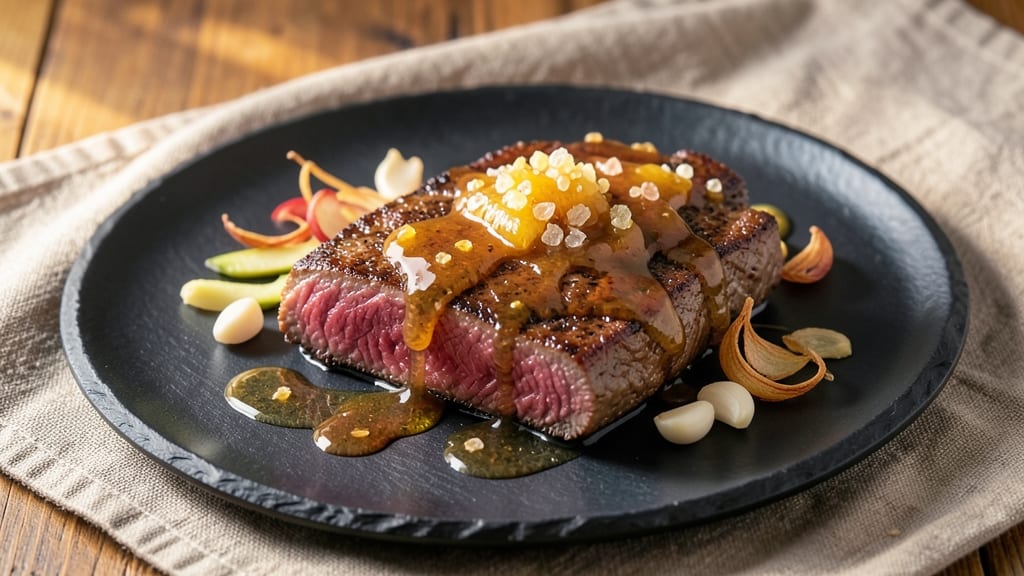
This beef with pineapple juice recipe delivers juicy, tender bites that balance caramelized sweetness with savory depth—perfect for a restaurant-worthy meal at home. 💛 The secret lies in marinating the beef overnight, allowing the pineapple juice to tenderize while infusing rich, tropical notes that caramelize beautifully during cooking.
The process starts with a simple marinade of pineapple juice, soy sauce, and aromatics, which transforms tough cuts into melt-in-your-mouth perfection. High-heat searing locks in juices, while a quick reduction of the marinade creates a glossy, flavorful sauce that ties everything together.
This method ensures every bite is both succulent and infused with that signature sweet-tangy contrast.
What you’ll end up with is a plate of golden, caramelized beef with tender centers, all bathed in a sticky-sweet glaze that’s rich enough to stand up to bold sides like garlic mashed potatoes or steamed jasmine rice.
The balance of flavors—sweet, savory, and slightly umami—makes this dish versatile for weeknights or special occasions.
Serve with a crisp green salad to cut through the richness or pair with roasted vegetables for a complete meal. The recipe scales effortlessly for a crowd, and leftovers reheat beautifully. Here’s how to achieve that perfect harmony of textures and flavors every time.
Ingredients for beef with pineapple juice
Caramelized beef meets tropical brightness in this marinade-driven masterpiece—juicy, tender, and restaurant-quality at home.
| Ingredient | Amount | Notes |
|---|---|---|
| Flank Steak 🥩 | 1 ½ lb | Thinly sliced against the grain |
| Fresh Pineapple Juice 🍍 | 1 cup | From ripe pineapple, not canned |
| Soy Sauce 🥢 | ½ cup | High-quality, low-sodium preferred |
| Garlic Cloves 🧄 | 6 cloves | Minced finely for infusion |
| Fresh Ginger 🌿 | 2 tbsp | Grated, not powdered |
| Olive Oil 🫒 | 3 tbsp | Extra-virgin for high heat searing |
| Brown Sugar 🍚 | 2 tbsp | Light or dark, not powdered |
| Honey 🍯 | 1 tbsp | Wildflower preferred for depth |
| Sesame Oil 🌾 | 1 tbsp | Toasted, for aroma |
| Diamond Crystal Kosher Salt 🧂 | 1 ½ tsp | For seasoning and marinade |
| Freshly Ground Black Pepper 🌶️ | 1 tsp | Cracked peppercorns preferred |
| Red Bell Pepper 🧅 | 1 whole | Thinly sliced for garnish |
| Fresh Cilantro 🌿 | ¼ cup | Chopped, for finishing |
The flank steak is non-negotiable here—its lean texture absorbs marinade beautifully while staying tender when sliced thin against the grain. Look for USDA Choice or Prime cuts at Whole Foods or your local butcher, where they can slice it for you. Fresh pineapple juice is critical for authentic flavor; Trader Joe's sells pre-juiced bottles, but nothing beats squeezing it yourself. The ginger and garlic should be bright and pungent—no dried substitutes here. For the soy sauce, Kikkoman or Lee Kum Kee deliver consistent quality, while brown sugar adds caramel depth that canned juices lack.
No fresh pineapple? High-quality canned juice (like Del Monte Gold) works in a pinch, but add an extra teaspoon of honey to compensate for lost sweetness. Substituting tamari for soy sauce accommodates gluten-free needs, though the umami profile shifts slightly. The sesame oil can be swapped for toasted peanut oil if allergies are a concern, but the aroma is essential. For a quicker version, reduce the marinade time to 4 hours, though overnight yields superior tenderness. If your steak arrives with a thick fat cap, trim it—it’ll burn before the meat caramelizes properly.
Marinated beef keeps 3-4 days in the fridge, but the flavor deepens overnight. For make-ahead convenience, freeze the raw marinated steak for up to 3 months—thaw in the fridge before cooking. The finished dish reheats beautifully; low and slow in a skillet preserves moisture. Garnishes like red bell pepper and cilantro should be added fresh post-cooking to maintain vibrant color. Store leftovers in an airtight container with a paper towel to absorb any excess moisture, ensuring the caramelized crust stays intact.
Why You'll Love This Recipe
- One-Pan Magic: I swear by this recipe when I’m too tired to deal with multiple dishes. The flank steak sizzles in the same pan where the pineapple juice caramelizes—no extra pots, no extra stress. Just slice, sear, and let the sauce work its magic while I’m chopping veggies or answering emails.
- Sweet-Savory Balance: That first bite? Chef’s kiss. The pineapple juice cuts through the richness of the beef while the ginger and garlic add a warm, spicy kick. It’s like a little vacation in your mouth—bright, tangy, and just meaty enough to satisfy.
- Weeknight Workhorse: Between us, this is my go-to when I need something fast but still feels special. Serve it over rice for a simple dinner, toss it into lettuce wraps for a no-plate lunch, or even pile it onto toast with a fried egg. (Yes, I’ve done it. It’s glorious.)
- Leftovers That Don’t Suck: Honestly, the sauce only gets better the next day—thicker, richer, and way more flavorful. I’ll make a big batch on Sunday, portion it out, and reheat slices for sandwiches or stir-fries all week. No sad, dry beef here; the pineapple keeps it juicy.
Step-by-step instructions for flank steak with pineapple glaze
Master this technique for perfectly seared beef with a velvety-sweet pineapple reduction.
🔥 Step 1: Marinate the Flank Steak for Maximum Tenderness
Slice the 1.5 lb flank steak thinly against the grain into ¼-inch thick strips. Place in a resealable plastic bag and add the 1 cup fresh pineapple juice, 0.5 cup soy sauce, 2 tbsp grated fresh ginger, 2 tbsp brown sugar, 1 tbsp honey, 1.5 tsp kosher salt, and 1 tsp freshly ground black pepper. Seal the bag and massage the marinade into the beef until fully coated.
Refrigerate for at least 4 hours (overnight is ideal). The acidity in the pineapple breaks down tough muscle fibers while the sugar begins caramelization. Don't skip this step—it transforms tough flank steak into melt-in-your-mouth bites. I like to turn the bag every hour to ensure even distribution of flavors.
🍳 Step 2: Sear the Beef for Perfect Crust and Color
Remove the steak from the marinade (reserve the liquid) and pat dry with paper towels. Heat 2 tbsp olive oil in a large skillet over high heat until shimmering. Working in batches, add the steak strips and sear for 1-2 minutes per side until deeply browned with a crisp exterior. The high heat creates a flavorful crust while keeping the interior juicy.
Transfer the seared beef to a plate and tent loosely with foil. Don't overcrowd the pan—this prevents proper searing. If the marinade is too thin, reduce it by ½ over medium heat until slightly syrupy before using it for the sauce. The residue in the pan will form the base of your glaze, so don't wipe it clean.
🍳 Step 3: Build the Pineapple Reduction Sauce
Return the reserved marinade to the skillet (including any browned bits) and bring to a boil over medium-high heat. Add the 6 minced garlic cloves and simmer for 3-4 minutes until the liquid reduces by ⅓ and becomes slightly thickened. You want a glossy, syrupy consistency that coats the back of a spoon.
Stir in the 1 tbsp toasted sesame oil and 1 tbsp honey, then simmer for another 2 minutes. The sauce should coat the steak beautifully when poured over it. Taste and adjust seasoning with additional kosher salt if needed. This reduction captures all the marinade's sweet-savory complexity into a velvety glaze.
🥘 Step 4: Finish with Fresh Garnishes
Return the seared beef to the skillet and spoon the pineapple reduction over it. Toss gently to coat, then transfer to a serving platter. Garnish with thinly sliced red bell pepper and 0.25 cup chopped fresh cilantro. The bell pepper adds a crisp contrast while the cilantro brightens the dish with freshness.
Serve immediately with steamed jasmine rice or buttery noodles. The beef should be tender enough to pull apart with chopsticks while maintaining a slight chew from the sear. Each bite delivers perfect balance between sweet pineapple glaze, savory soy, and tender beef.
Pro Tips For Making Beef With Pineapple Juice
- SEAR THE STEAK FIRST: Hit the flank steak with a screaming-hot pan for 2-3 minutes per side before adding any liquid—this locks in juices and builds flavor. I used to skip this and ended up with bland, soggy beef that tasted more like broth than steak.
- JUICE THE PINEAPPLE FRESH: Store-bought pineapple juice lacks depth. Blend fresh chunks, strain, and reduce it by half over medium heat—this concentrates the sweetness and balances the soy. Sounds like work, but the difference is noticeable.
- CONTROL THE GINGER GRIND: Fresh ginger burns fast. Pulse it in a food processor until it’s a fine paste (not powder) to avoid bitterness. I learned this after one batch tasted like medicine—now it melts smoothly into the sauce.
- SIMMER LOW AND LONG: After adding the pineapple juice and soy, drop the heat to a bare simmer and let it cook uncovered for 15-20 minutes. Skipping this step leaves the sauce thin and underdeveloped—patience here makes the dish sing.
Best sauces and condiments for this recipe
Sweet-Savory Glaze
The pineapple reduction sauce is the star of this dish—its glossy, syrupy texture clings beautifully to the beef while balancing sweet and umami flavors.
To elevate it, I recommend adding a splash of rice vinegar (1 tsp) during the reduction to brighten the sauce and cut through the richness. The acidity enhances the caramelized notes, creating a perfect harmony. 💛
Spicy Kick
For those who love heat, stir in 1 tsp of gochujang or ½ tsp of sriracha during the final reduction stage. The Korean fermented chili paste adds depth, while sriracha provides a tangy spiciness that pairs perfectly with the sweet pineapple. Adjust to taste—start small and add more if needed.
Umami Boost
To deepen the savory profile, add 1 tbsp of fish sauce or ½ tsp of MSG to the marinade. Both enhance the umami without overpowering the tropical sweetness.
Fish sauce adds a briny complexity, while MSG rounds out the flavors for a more restaurant-quality result. Trust me, it makes a difference!
Herbaceous Finish
Fresh herbs like basil or mint can transform the sauce into something extraordinary. Add 2 tbsp of chopped basil or 1 tbsp of mint leaves during the final minutes of reduction.
These herbs add a bright, aromatic finish that complements the caramelized beef beautifully. For a garnish, muddle a few leaves with the pineapple juice before adding it to the marinade.
Creamy Contrast
For a luxurious touch, stir in 1 tbsp of coconut cream or heavy cream after removing the sauce from heat. The creaminess softens the sauce while adding a velvety texture that contrasts with the crisp sear of the beef.
This works especially well if you're serving the dish with rice or noodles. 🌟
Nutrition facts
Frequently asked questions
Can I use canned pineapple juice instead of fresh?
While fresh pineapple juice delivers the best flavor and natural sweetness, you can use high-quality canned juice in a pinch. Look for brands like Del Monte Gold or Dole, and add an extra 1 tsp of honey to compensate for any loss of sweetness. Avoid juices with added preservatives or artificial flavors, as they can make the dish taste off-balance.
What's the best cut of beef for this recipe?
Flank steak is ideal because it's lean, flavorful, and becomes tender when sliced thin against the grain. However, you can also use skirt steak or sirloin—just be sure to slice it thinly. Avoid tougher cuts like chuck roast, as they won't tenderize properly in the marinade. Ask your butcher to slice it for you if you're unsure!
How do I prevent the beef from drying out?
Never overcook the beef! Sear it for just 1-2 minutes per side over high heat until it reaches 135°F (medium-rare) internally. The marinade and high heat help lock in juices, but patting the meat dry before searing is key. Let it rest for 5 minutes after cooking to redistribute juices. If you prefer well-done, slice thinner strips to ensure tenderness.
Can I make this recipe ahead of time?
Marinate the beef for 3-4 days ahead in the fridge for deeper flavor. For the full dish, sear the beef and reduce the sauce the day before, then reheat gently in a skillet over low heat with a splash of water to prevent drying. Garnish fresh before serving. The flavors actually improve after resting!
What if the sauce turns out too sweet?
Balance excess sweetness by adding a splash of rice vinegar (1 tsp) or a pinch of kosher salt to brighten the flavors. For a savory boost, stir in ½ tsp of fish sauce or a dash of soy sauce during the final reduction. Taste as you go—small adjustments make all the difference!