
Main Courses
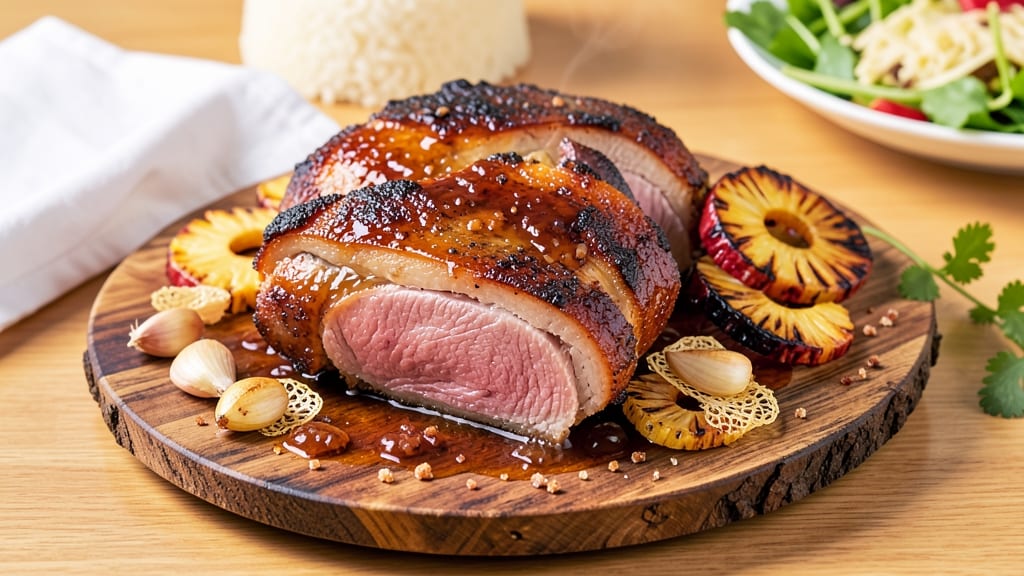
The best pork hamonado recipe with pineapple juice transforms tough cuts into melt-in-your-mouth perfection through a sweet-tart glaze that caramelizes beautifully. This Filipino-inspired dish balances tangy vinegar, rich soy sauce, and tropical pineapple juice—creating a sauce that clings to every bite like liquid gold.
I first discovered hamonado while cooking for my husband Tom’s family reunion, where it became the star of the spread, disappearing faster than my famous apple butter.
What sets this recipe apart is the hamonado method: marinating the pork in a blend of vinegar, soy, and pineapple juice for at least 4 hours (overnight for deeper flavor), then slow-braising until fork-tender.
The key is basting frequently with the reduced marinade, which develops into a glossy, caramelized glaze that seals in moisture and adds a crispy edge to the skin. Unlike simpler braised pork recipes, this version delivers restaurant-quality results with minimal effort—just 20 minutes of active prep followed by hands-off cooking.
By the time you serve this dish, your kitchen will smell like a tropical paradise, and every bite will reveal layers of flavor: the tender, juicy pork with a caramelized crust, the sweet-tart glaze that clings like syrup, and the subtle brightness of the pineapple juice cutting through the richness.
The sauce reduces into a thick, glossy coating that transforms ordinary pork into something extraordinary—perfect over steamed rice or paired with atchara for a true Filipino feast.
This recipe is foolproof for weeknight dinners or special occasions, scaling easily from family gatherings to holiday tables.
The beauty lies in its versatility: you can adjust the sweetness by reducing the sugar, add garlic or black pepper for extra depth, or even swap pork shoulder for pork belly if you prefer extra crispy edges.
Once you try this hamonado, you’ll never go back to plain braised pork again—it’s that good.
Ingredients for best pork hamonado recipe with pineapple juice
Six ingredients transform tough pork into restaurant-quality hamonado with a caramelized glaze that'll make your kitchen smell like tropical heaven.
| Ingredient | Amount | Notes |
|---|---|---|
| Pork Shoulder (Bone-In) 🥩 | 3 lb | Cut into 2-inch chunks, skin left on |
| White Vinegar 💧 | 1 cup | Distilled white vinegar preferred |
| Soy Sauce 🍶 | ½ cup | Use light or regular soy sauce |
| Pineapple Juice 🍍 | 1 cup | Freshly squeezed preferred |
| Brown Sugar 🍚 | ½ cup | Packed firmly for accuracy |
| Garlic Cloves 🧄 | 6 cloves | Minced finely for depth |
| Black Peppercorns 🌶️ | 1 tsp | Freshly cracked for heat |
| Bay Leaves 🌿 | 2 whole | Dried, for aromatic depth |
| Onion (Yellow) 🧅 | 1 whole | Chopped into 1/2-inch pieces |
| Olive Oil 🫒 | 2 tbsp | Extra-virgin for searing |
| Salt 🧂 | 1 ½ tsp | Diamond Crystal preferred |
| Water 💧 | 1 cup | For initial braising |
| Fresh Ginger 🌿 | 1 tbsp | Grated finely for zing |
The pork shoulder is your star—bone-in cuts stay juicier during the long braise. Look for well-marbled pieces at Whole Foods or your local butcher shop; the fat renders down beautifully into the sauce. I always grab Costco pork shoulder when I'm feeding a crowd, but any grocery store's bone-in cut works. If you're using pork belly instead, score the fat cap in a crosshatch pattern before searing—it crisps up like magic. The pineapple juice is non-negotiable here; freshly squeezed has the right balance of sweetness and acidity, but the canned stuff in a pinch works too (just check for no added sugar).
No white vinegar? Apple cider vinegar is a perfect swap—just reduce it by 1 tbsp to account for its milder tang. Want to deepen the flavor? Add 1 tsp fish sauce (trust me, it disappears into the sauce). The brown sugar can be swapped for white sugar if you prefer a cleaner flavor, but the molasses notes in brown sugar caramelize beautifully. Fresh ginger is ideal, but 1 tsp ground ginger works in a bind. The bay leaves add aromatic depth—don't skip them! For extra richness, 1/4 cup coconut milk in the braising liquid is a game-changer, especially if you're serving this over rice.
This dish gets better the next day—plan ahead and make it a day before serving. The sauce reduces into a thick, glossy coating that clings to every bite. Store leftovers in an airtight container in the fridge for up to 5 days, or freeze portions for 3 months. The pork reheats beautifully—just warm it gently in the sauce with a splash of water. For serving, I always garnish with extra pineapple juice drizzled over the top and a sprinkle of fresh cilantro if I have it. Pair with steamed jasmine rice and you've got a full Filipino feast.
Why You'll Love This Recipe
- Few-Pan Magic: I swear by this recipe for lazy nights—just toss the pork in a deep dish with vinegar, soy, and pineapple juice, then let it braise. No flipping, no fussing, no extra pots. The bone-in shoulder stays juicy while the edges caramelize right in the pan.
- Sweet-Savory Bomb: That pineapple juice isn’t just for flavor—it tenderizes the meat while adding a bright, tangy punch that cuts through the richness. The brown sugar caramelizes into a glossy glaze, and honestly? It’s the kind of dish that makes people ask, “What’s in this?” before taking seconds.
- Party-Ready Protein: Between us, this is my go-to for gatherings—whether it’s a Sunday family lunch or a last-minute potluck. Slice it thin for tacos, serve it whole for a centerpiece, or pack it for lunchboxes. The leftovers? Even better reheated the next day (yes, really).
- Budget Stretch: Pork shoulder is cheap, and this recipe turns it into something luxurious without breaking the bank. A single cut feeds four, and the marinade’s acidity keeps it fresh for days. I’ll be real: I’ve made this on a $15 grocery run, and it still tasted like a restaurant dish.
Step-by-step instructions for pork hamonado with pineapple glaze
This method transforms tough pork shoulder into melt-in-your-mouth perfection with a sweet-tart glaze that caramelizes beautifully.
Sear the Pork Shoulder for Deep Flavor
Heat a heavy Dutch oven over medium-high heat and add the 2 tablespoons olive oil. Once shimmering, add the 3 lb pork shoulder in a single layer, skin-side down. Let it sear undisturbed for 8-10 minutes until the skin develops a deep golden-brown crust and releases easily from the pan.
This initial sear locks in juices and creates the Maillard reaction that forms complex flavors. Flip the pork shoulder and sear the meat side for another 5-6 minutes. Remove the meat and set it aside—you'll notice the beautiful crust forming, which will become even more caramelized as we braise. Keep the rendered fat in the pot; it's packed with flavor.
Build the Sweet-Tart Braising Liquid
In the same Dutch oven, add the 1 whole yellow onion chopped into ½-inch pieces, 6 cloves garlic cloves minced finely, and 1 tablespoon grated fresh ginger. Sauté for 3-4 minutes until the onions soften and become translucent, releasing their sweet aroma.
Add the 1 cup white vinegar, ½ cup soy sauce, 1 cup pineapple juice, ½ cup packed brown sugar, 1 teaspoon cracked black peppercorns, 2 whole bay leaves, and 1½ teaspoons salt. Stir to combine, scraping up any browned bits from the bottom of the pot—these contain concentrated flavor.
Braise the Pork Until Fork-Tender
Return the pork shoulder to the Dutch oven, skin-side up. Pour in the 1 cup water and bring the liquid to a gentle simmer over medium-low heat. The liquid should cover about two-thirds of the pork. Cover the pot with a tight-fitting lid and let it braise for 2½ to 3 hours.
Here's where the magic happens: the pork will break down as it cooks, becoming fork-tender. Check for doneness by inserting a meat thermometer into the thickest part of the shoulder—it should read 200-205°F. The glaze will thicken and darken as it reduces, creating a beautiful caramelized sheen. If the liquid reduces too quickly, add ¼ cup water to maintain moisture.
Reduce the Glaze to Syrup-Like Perfection
Once the pork is tender, remove it from the pot and set it aside on a cutting board. Place the Dutch oven back on the stovetop over medium heat and skim off any excess fat that has risen to the surface. Increase the heat to medium-high and simmer the braising liquid uncovered for 15-20 minutes, stirring occasionally.
You're looking for a glaze that coats the back of a spoon and has a syrupy consistency—it should thicken enough to cling to the pork when you brush it on later. The pineapple juice and brown sugar will caramelize, creating a sweet-tart contrast that balances the savory pork. If the glaze thickens too quickly, add 1-2 tablespoons water to loosen it.
Rest and Serve with Glazed Grandeur
Let the pork shoulder rest for 15-20 minutes before slicing. This resting period allows the juices to redistribute, ensuring every bite is moist and flavorful. While it rests, tent it loosely with aluminum foil to keep it warm. Skim any remaining fat from the glaze and set it aside.
Slice the pork shoulder against the grain into ¼-inch thick slices. Arrange the slices on a serving platter and generously brush each piece with the reduced glaze. The contrast of the sweet-tart glaze with the tender pork is what makes this dish extraordinary. Serve immediately with steamed rice or crusty bread to soak up the delicious sauce.
Pro Tips For Making Best Pork Hamonado Recipe With Pineapple Juice
- Trim the Fat First: Bone-in pork shoulder comes with a thick fat cap that can turn greasy if left untouched. Use a sharp knife to trim it down to about ¼-inch—enough to render flavor but not so much it makes your pan a swamp. I learned this the hard way after fighting soggy crusts in my first few batches.
- Simmer Vinegar Slowly: Don’t dump all the white vinegar at once—it’ll turn your pork shoulder rubbery if the acid hits too fast. Start with half the amount, let it cook for 10 minutes, then add the rest. This keeps the meat tender while still cutting through the fat like it should.
- Strain the Pineapple Juice: Store-bought pineapple juice is packed with pulp that clogs your sauce and makes it gloppy. Strain it through a fine-mesh sieve before adding it to the pot—your hamonado will be smoother, and the sauce will cling better to the pork. (Yes, even if you’re impatient like me.)
- Finish with Brown Sugar: Add the brown sugar in the last 15 minutes of cooking, not at the start. It caramelizes faster when the liquid’s reduced, giving your hamonado that glossy, slightly sweet edge. Skip this, and you’ll end up with a sauce that’s just… bland.
Serving suggestions for this recipe
Rice Pairings
Steamed jasmine rice is my go-to pairing for hamonado—its delicate floral notes complement the sweet-tart glaze beautifully. I use 2 cups uncooked jasmine rice per pound of pork, cooked in a 1:1.5 rice-to-water ratio for fluffy grains.
For extra flair, stir in 1 tablespoon toasted coconut flakes or ½ teaspoon pandan extract while cooking. The rice absorbs the excess glaze, creating a sticky, saucy bowl that's pure comfort food. 🍚
Pickled Vegetables
Filipino atchara (pickled papaya) adds a tangy crunch that cuts through the richness of the pork.
I make a quick version by thinly slicing 1 cup papaya, ½ cup carrots, and ½ cup daikon radish, then simmering them with ½ cup vinegar, 1 tbsp sugar, and ½ tsp salt for 10 minutes.
For a shortcut, grab store-bought atchara from the Asian market section. The acidity balances the glaze's sweetness perfectly. 🥒
Fresh Garnishes
Finish your plate with bright, fresh elements that elevate the dish. I always add 2 tbsp chopped cilantro or thinly sliced green onions for color and freshness. For heat, sprinkle 1 tsp chili crisp (like Lao Gan Ma) or ½ tsp crushed red pepper flakes.
A drizzle of extra pineapple juice (reduced by half) adds a glossy finish and extra tropical brightness. 🌿
Bread Options
Crusty bread soaks up the glaze like a dream. I love serving garlic bread made with a baguette brushed with 2 tbsp olive oil and 3 minced garlic cloves>, toasted until golden.
For a Filipino twist, try pan de coco—a sweet coconut bread that pairs surprisingly well with the savory-sweet pork. The bread's texture contrasts beautifully with the tender meat. 🍞
Drink Pairings
Light beers cut through the richness of hamonado perfectly. I reach for a Filipino San Miguel Light or a crisp Sapporo to cleanse the palate between bites. For something non-alcoholic, pineapple soda (like Joyful Cola>) mirrors the dish's tropical flavors.
A glass of iced green tea with a squeeze of lemon adds a refreshing contrast to the sweet glaze. 🍺
Make-Ahead Serving
The flavors of hamonado deepen overnight, so I always make it a day ahead. Store the sliced pork and glaze separately in airtight containers in the fridge. Reheat the pork in the glaze over low heat for 10-15 minutes>, stirring occasionally.
The glaze will thicken further, becoming even more irresistible. Garnish with fresh herbs just before serving to keep everything vibrant. ⏳
Nutrition facts
Frequently asked questions
Can I substitute pineapple juice with another fruit juice?
While pineapple juice is essential for that signature tropical brightness, you can use 1 cup orange juice or ½ cup mango nectar + ½ cup apple juice for a similar sweet-tart profile. Avoid citrus-heavy juices like lemon—they'll overpower the dish. For a deeper flavor, add ½ teaspoon grated lime zest to compensate for the missing pineapple acidity.
How do I adjust this recipe for a slow cooker?
Transfer the seared pork and all marinade ingredients (except water) to your slow cooker. Add 1 cup water and cook on low for 7-8 hours or high for 4-5 hours. The pork will be fork-tender when done. Finish by skimming excess fat and reducing the sauce on the stovetop for 15 minutes to achieve that glossy glaze. The slow cooker method is perfect for busy days!
Why does my pork hamonado turn out too sweet?
This usually happens when the sugar caramelizes too much or the vinegar isn't balanced. For next time, reduce the brown sugar to ¼ cup and add 1 tablespoon more vinegar to the marinade. Also, don't over-reduce the sauce—keep it at a syrup-like consistency rather than a thick paste. Taste as you go and adjust with extra pineapple juice if needed.
Can I use pork belly instead of pork shoulder?
Pork belly creates a richer, crispier version with more fat to render. Score the fat cap in a crosshatch pattern before searing, then proceed with the same method. The cooking time may be slightly shorter (2-2.5 hours instead of 3) since belly cooks faster. Save the rendered fat for future recipes—it's pure flavor gold!
What's the best way to reheat leftovers?
Slice the hamonado and store it in an airtight container with the sauce. Reheat in a skillet over medium-low heat with a splash of water for 5-7 minutes, stirring occasionally. For oven reheating, cover with foil and bake at 300°F for 20 minutes. The glaze will thicken further, becoming even more irresistible!