Salads
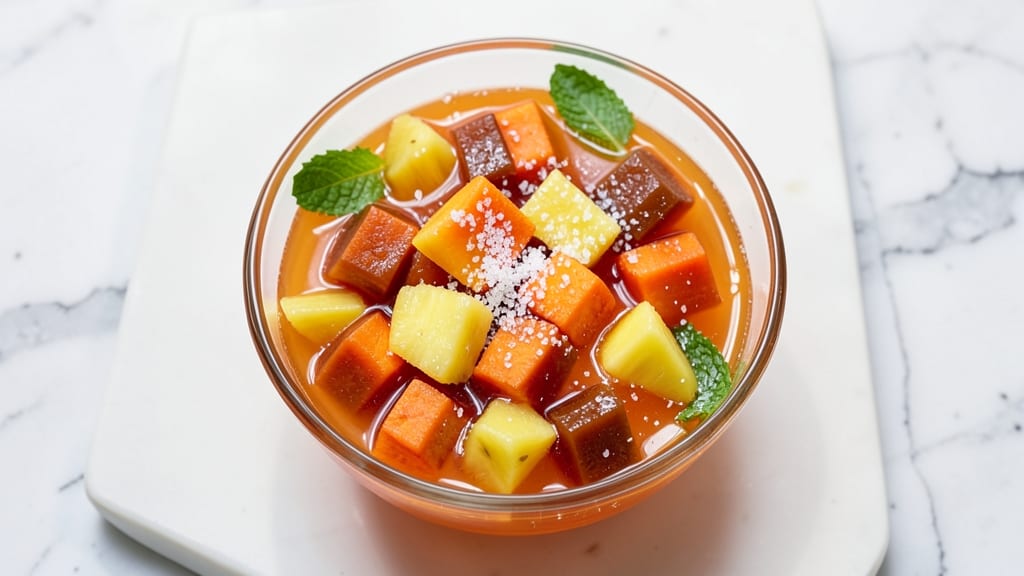
This carrot pineapple jello salad brings nostalgic comfort with vibrant layers that stay perfectly set—no soggy texture here. The classic combination of orange carrots, sweet pineapple, and creamy gelatin creates a refreshing dessert salad that’s as pretty as it is delicious.
I’ve perfected this recipe to deliver a crisp, cool treat that’s ideal for potlucks, summer gatherings, or a light yet satisfying dessert.
The secret lies in layering the ingredients carefully and chilling them undisturbed for at least 4 hours—this ensures the jello holds its shape while keeping the fruit fresh and crisp.
Whether you’re using traditional gelatin or a vegan agar-agar alternative, the result is a visually stunning dish that’s easy to prepare ahead of time. The bright colors and tropical flavors make it a crowd-pleaser for any occasion.
What makes this recipe stand out is its foolproof method—no fancy techniques required, just simple steps that guarantee a perfect texture every time. The shredded carrots add a satisfying crunch, while the pineapple brings a burst of sweetness that balances the tangy jello.
Serve it chilled in individual cups or as a centerpiece for your table, and watch it disappear quickly. Perfect for meal prep, holiday menus, or a quick dessert fix, this carrot pineapple jello salad is a timeless favorite that never fails to impress.
Let’s get started on creating your own layers of tropical goodness!
Ingredients for carrot pineapple jello salad
Bright layers of orange carrots and pineapple create this nostalgic dessert salad that stays crisp and refreshing.
| Ingredient | Amount | Notes |
|---|---|---|
| Unflavored Gelatin 🍬 | 2 tbsp | Powdered or sheet form preferred |
| Orange Carrots 🥕 | 1 ½ cups | Shredded, medium size preferred |
| Fresh Pineapple 🍍 | 1 cup | Diced, small pieces preferred |
| Granulated Sugar 🍚 | ½ cup | White or light brown |
| Boiling Water 💧 | 1 cup | Freshly boiled |
| Lemon Juice 🍋 | 1 tbsp | Freshly squeezed |
| Vanilla Extract 🌸 | ½ tsp | Pure vanilla preferred |
| Heavy Whipping Cream 🥛 | ½ cup | Chilled for best texture |
| Maraschino Cherries 🍒 | 6 whole | Optional garnish |
| Whipped Cream 🍦 | ¼ cup | Optional topping |
| Salt 🧂 | ¼ tsp | Fine sea salt |
| Orange Zest 🍊 | 1 tsp | Optional for brightness |
The carrots make all the difference here—bright orange ones add the best color and sweetness. Trader Joe's has the best pre-shredded carrots for convenience, but if you're grating them yourself, go for medium-sized carrots—they shred more evenly. For pineapple, fresh is non-negotiable—canned won't give you that juicy texture. Look for pineapples with a little give when squeezed, and cut out the core before dicing. The gelatin should be unflavored and high-quality—Great Value or Knox are reliable brands that won't leave a gritty aftertaste.
No fresh pineapple? High-quality canned pineapple works in a pinch, but drain it well to avoid watery jello. Swapping the carrots? Sweet potatoes or butternut squash shredded and steamed for 5 minutes add a different but delicious twist. Want to make this vegan? Replace the gelatin with agar-agar powder (use half the amount) and let it set longer. The sugar can be swapped for honey or maple syrup, but stick with white sugar for the classic texture. For extra flair, add a pinch of ground cinnamon to the jello layer—it pairs surprisingly well with the tropical flavors.
Prep the jello mixture ahead and refrigerate it uncovered for 10 minutes to form a skin—this helps the layers stay clean. The carrots and pineapple can be prepped in advance and stored in airtight containers for 3-4 days in the fridge. Once assembled, this salad keeps for up to 5 days if stored properly, but the texture is best within 2 days. For serving, use clear glass cups or a large bowl—it looks stunning either way. The whipped cream topping is optional but adds a festive touch, especially for holiday gatherings.
Why You'll Love This Recipe
- No Chopping Nightmare: I’ll admit—dicing carrots and pineapple can be a pain. But here, you just grate the carrots and chop the pineapple into chunks. No knife skills required, and honestly? The texture works better this way anyway.
- Sweet-Tart Magic: The gelatin gives it that wobbly, nostalgic texture, while the sugar and pineapple juice balance the carrots’ earthiness. It’s not too sweet, not too tart—just that perfect, refreshing bite that makes you want seconds.
- Picnic Party Hero: Between us, this is my go-to for potlucks and summer gatherings. It’s cold, colorful, and easy to transport. Plus, the kids go nuts for it—no one ever leaves with an empty plate.
- Budget Bright Spot: Carrots and pineapple are cheap staples, and gelatin? A few cents per serving. I’ve made this for $2 a batch, and it still feels like a special treat. Leftovers? They last a week in the fridge—no waste, just flavor.
Step-by-step instructions for tropical carrot pineapple jello salad
Here's how to create those perfect, never-melting layers that keep their shape all day.
Bloom the Gelatin Properly
In a small bowl, sprinkle the 2 tbsp unflavored gelatin evenly over the 1 cup boiling water. This prevents clumping and ensures even distribution. Let it bloom for 5 minutes—you'll see the gelatin absorb the water and turn translucent. This step is critical because blooming creates tiny fibers that will form your salad's structure.
While the gelatin blooms, shred the 1.5 cups orange carrots using a box grater or food processor. The finer the shreds, the smoother your final texture will be. Set the shredded carrots aside—they'll be the base of your first layer. I like to use medium-sized carrots because they're naturally sweeter and more vibrant in color.
Prepare the Carrot Layer Mixture
In a medium saucepan, combine the bloomed gelatin mixture with the shredded carrots. Add the 0.5 cup granulated sugar, 1 tbsp lemon juice, and 0.25 tsp salt. Stir well to fully incorporate all ingredients. The mixture should be smooth with no visible gelatin granules remaining.
Cook the carrot mixture over medium-low heat for 8-10 minutes, stirring constantly with a silicone spatula. You're looking for the mixture to reach 160°F—this is the temperature where the gelatin fully dissolves and the flavors meld together. The mixture should thicken noticeably as it heats, but don't let it boil. If it starts to bubble, reduce the heat immediately.
Create the Pineapple Layer
While the carrot layer cooks, dice the 1 cup fresh pineapple into small, even pieces. The smaller and more uniform the pieces, the better they'll distribute in your final salad. In a separate bowl, whisk together the 0.5 cup heavy whipping cream, 0.5 tsp vanilla extract, and 1 tsp orange zest. This will be the base for your pineapple layer.
Add the diced pineapple to the cream mixture and stir gently to combine. The pineapple will release some juice—this is normal and actually enhances the flavor. Let this mixture sit at room temperature while you prepare the carrot layer. The cream will help create a lighter, more refreshing contrast to the carrot base.
Assemble the Layers in Molds
Pour the carrot mixture into your prepared serving dish or individual molds, filling them about halfway. Tap the dish gently on the counter to remove any air bubbles. Place the dish in the refrigerator and let the carrot layer set for 30 minutes until firm but still slightly jiggly to the touch.
Once the carrot layer is partially set, spoon the pineapple mixture over the top, filling the molds completely. Gently press down on the pineapple layer with a spatula to ensure good contact with the carrot layer. This helps create clean separation when you unmold later. Return the dish to the refrigerator and let both layers set completely for at least 4 hours, or preferably overnight.
Final Touches and Serving
Before serving, run a thin knife around the edges of the mold to loosen the salad. Then dip the knife in hot water and slide it between the layers to create clean separation. If you're using individual molds, invert each one onto a serving plate. For a single large dish, carefully lift it out using a large plate.
Top with the 6 whole maraschino cherries and dollops of 0.25 cup whipped cream for a festive presentation. The cherries add a pop of color and a sweet-tart contrast that balances the carrot-pineapple combination. Serve chilled—this salad tastes best when the gelatin is firm but still cool, not icy cold. Each bite should deliver that perfect balance of creamy, fruity, and slightly tangy flavors.
Pro Tips For Making Carrot Pineapple Jello Salad
- Bloom the Gelatin Properly: Sprinkle the unflavored gelatin over cold water first—just enough to cover it—and let it sit for 5 minutes. I used to dump it straight into boiling water and wonder why my salad turned grainy; this step guarantees smooth texture every time.
- Dice Carrots Uniformly: Cut carrots into ¼-inch cubes, not random chunks—consistent size means even cooking and a creamy texture when blended. My first batch had lumpy bits because I rushed the prep; take the extra 2 minutes and do it right.
- Strain the Pineapple Juice: After blending pineapple, strain the puree through a fine-mesh sieve to remove fiber—it keeps the salad silky, not stringy. I skipped this once and ended up with a weird, chewy texture that ruined the whole dish.
- Chill the Mixture Longer: Pour the salad into the mold and refrigerate for at least 4 hours, preferably overnight—rushing it leads to a wobbly, under-set result. I learned this after serving a half-set salad that collapsed like a sad soufflé.
Troubleshooting perfect results
Soggy Layers Fix
If your jello layers lose their structure and turn soggy, it’s likely due to excess moisture from the fruit. To prevent this, pat the shredded carrots and diced pineapple completely dry with paper towels before assembling.
I also recommend adding a thickener like 1 tbsp cornstarch to the pineapple layer—mix it with the cream before adding the fruit. This creates a sturdier barrier between layers. 💧
Gelatin Not Setting
If your jello isn’t firming up after chilling, your gelatin may not have bloomed properly or the mixture was too hot when poured. Always bloom gelatin in cold water first (not hot) for 5 minutes, then heat gently to 160°F—never boil.
For extra insurance, add 1 tsp powdered sugar to the bloomed gelatin before heating; it helps stabilize the texture. If using agar-agar, double the chilling time to 6 hours since it sets more slowly.
Fruit Sinking
When pineapple pieces sink or float unevenly, it’s usually because the carrot layer didn’t fully set before adding the fruit. Let the carrot layer chill for 30 minutes until it’s firm but still slightly jiggly—this creates a sturdy base.
For extra stability, chill the pineapple mixture for 15 minutes before spooning it over the carrot layer. If using individual cups, fill them only ¾ full to prevent overflow during chilling. 🥤
Grainy Texture
A gritty texture usually means the gelatin wasn’t fully dissolved. Stir the bloomed gelatin mixture constantly over medium-low heat until it reaches 160°F—this ensures complete dissolution. Avoid high heat, which can cause the gelatin to cook unevenly.
If you still see granules, strain the mixture through a fine-mesh sieve before pouring into molds. For a smoother finish, blend the carrot mixture briefly after cooking to break up any remaining fibers.
Uneven Colors
If your layers look dull or unevenly colored, it’s likely due to uneven distribution of ingredients. Shred carrots finely and uniformly using a food processor for consistency. For the pineapple layer, whisk the cream mixture thoroughly and fold in the fruit gently to avoid breaking it up.
If the carrot layer appears pale, add ½ tsp turmeric for extra vibrancy—it blends seamlessly and enhances the orange hue without altering the flavor. 🌈
Sticky or Gummy Top Layer
A sticky surface on the pineapple layer often means excess moisture or insufficient chilling. After assembling, press plastic wrap directly onto the pineapple layer before refrigerating to prevent moisture loss.
If the top layer still feels gummy, reduce the cream in the pineapple mixture by 2 tbsp and replace it with 2 tbsp whipped cream—this adds airiness while keeping the texture stable. For a cleaner finish, dust the top with powdered sugar** before serving to absorb any excess moisture.
Nutrition facts
Frequently asked questions
Can I make this recipe without gelatin?
Yes! For a vegan version, replace the gelatin with 1 tbsp agar-agar powder mixed with 1 cup cold water. Bring to a boil for 2 minutes to fully dissolve, then proceed with the recipe. The chilling time should be 6 hours instead of 4 since agar-agar sets more slowly. The texture will be firmer but still delicious!
How do I prevent the pineapple from making the jello watery?
Pat the diced pineapple completely dry with paper towels before adding it to the cream mixture. For extra insurance, mix 1 tbsp cornstarch into the cream before folding in the fruit. This creates a thicker barrier between layers. Also, let the carrot layer set for 30 minutes before adding the pineapple to ensure a sturdy base.
Can I use canned pineapple instead of fresh?
While fresh pineapple gives the best texture, you can use high-quality canned pineapple in a pinch. Drain it well and pat it completely dry to remove excess moisture. For extra flavor, add ½ tsp vanilla extract and 1 tsp lemon juice to the canned pineapple before mixing it with the cream.
How long can I store this salad before serving?
This salad keeps well in the refrigerator for up to 5 days if stored properly. The texture is best within 2 days, as the jello may become slightly softer over time. For longer storage, cover tightly with plastic wrap pressed directly onto the surface to prevent moisture loss.
What's the best way to unmold the layers cleanly?
Run a thin knife around the edges of the mold to loosen the salad. Then dip the knife in hot water and slide it between the layers to create clean separation. For individual cups, invert them onto a serving plate. If the layers stick, let the salad sit at room temperature for 5 minutes before unmolding to help release it more easily.