
Sauces & Condiments
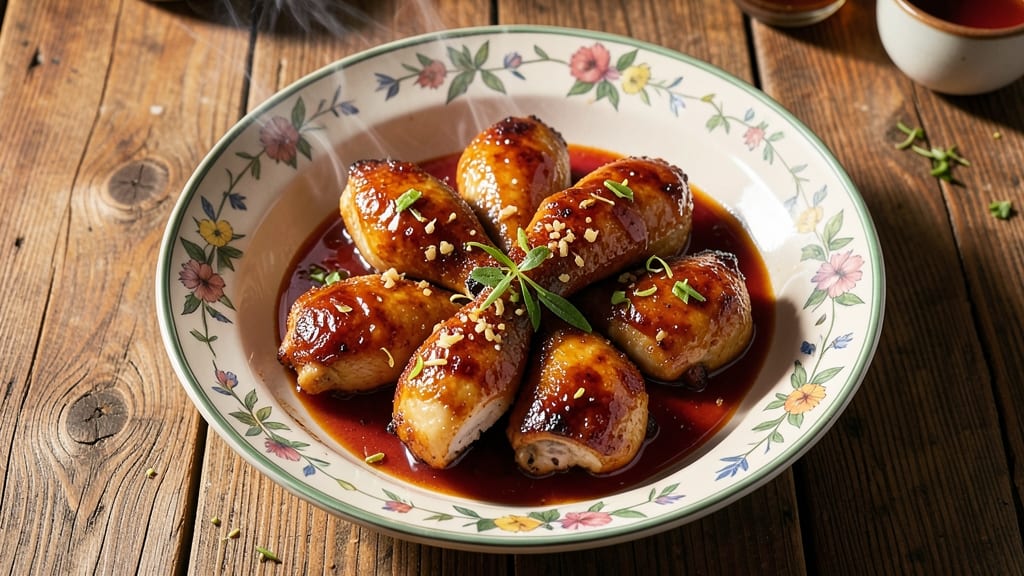
This sweet-savory chicken recipe with pineapple juice, brown sugar, and soy sauce delivers a caramelized glaze that balances tangy, sticky perfection with every bite. The secret lies in marinating the chicken to infuse deep flavors, then slow-cooking it until the edges turn irresistibly glossy.
I perfected this technique after years of experimenting with Asian-inspired glazes, and it never fails to impress—whether you're grilling, braising, or stir-frying.
The magic happens when the pineapple juice tenderizes the chicken while adding subtle sweetness, the brown sugar creates that signature caramelized crust, and the soy sauce brings umami depth. This recipe works beautifully with thighs, drumsticks, or even chicken breast, giving you restaurant-quality results with minimal effort.
The glaze thickens as it cooks, creating a sticky, flavorful coating that clings to every piece.
By the time you serve it, you'll have juicy, caramelized chicken with a glossy, sweet-savory sauce that pairs perfectly with steamed jasmine rice or fluffy basmati. Garnish with toasted sesame seeds or fresh cilantro for an extra pop of texture and color.
The aroma alone will have everyone gathering around the table—this is comfort food at its finest.
Best of all, this dish scales effortlessly for crowds or meal prep. The marinade doubles as a sauce if you reduce it, making leftovers just as delicious the next day. Let's get cooking—your taste buds will thank you.
Ingredients for chicken recipe with pineapple juice brown sugar and soy sauce
Pineapple's tangy sweetness meets caramelized edges for a sticky, umami-rich glaze that transforms simple chicken into restaurant-quality comfort.
| Ingredient | Amount | Notes |
|---|---|---|
| Boneless, Skinless Chicken Thighs 🍗 | 1 ½ lb | Cut into even-sized pieces |
| Fresh Pineapple Juice 🍍 | ½ cup | From 1 small pineapple, strained |
| Light Brown Sugar 🍬 | ½ cup | Packed, not lightly spooned |
| Soy Sauce 🍶 | ⅓ cup | Low-sodium preferred for balance |
| Extra-Virgin Olive Oil 🫒 | 2 tbsp | For marinade and searing |
| Garlic Cloves 🧄 | 4 cloves | Minced for marinade |
| Fresh Ginger 🌿 | 1 tbsp | Grated, for depth of flavor |
| Sesame Oil 🫒 | 1 tbsp | For finishing aroma |
| Toasted Sesame Seeds 🌾 | 1 tbsp | For garnish |
| Fresh Cilantro 🌿 | ¼ cup | Chopped, for garnish |
| Diamond Crystal Kosher Salt 🧂 | 1 tsp | For seasoning chicken |
| Ground Black Pepper 🌶️ | ½ tsp | Freshly cracked |
| Jasmine Rice 🍚 | 1 ½ cups | Uncooked, for serving |
The chicken thighs are your canvas—bone-in for flavor, skin-on for crispy edges, but boneless cuts work too if you're in a hurry. Costco or local butchers often have pre-cut thighs at a better price, but if you're buying whole, trim the fat for cleaner cooking. Fresh pineapple juice is non-negotiable here; canned juice lacks the complexity. For the brown sugar, light or dark doesn't matter—just make sure it's packed into the cup. The soy sauce should be low-sodium to avoid over-salting the glaze, but if you only have regular, just halve the amount of salt in the recipe.
No fresh pineapple? High-quality bottled pineapple juice (like Dole or Del Monte) works in a pinch, but reduce it by 2 tbsp to account for water content. Short on sesame oil? Avocado oil or neutral oil will work, but add an extra ½ tsp of soy sauce to compensate for the missing aroma. The ginger can be swapped for ½ tsp ground ginger, but freshly grated is worth the effort—it makes all the difference. For the rice, jasmine or basmati are ideal, but any long-grain white rice will do. If you're feeling adventurous, swap the soy sauce for coconut aminos to cut down on sodium further.
Marinate the chicken for at least 2 hours (overnight is best)—this is where the magic happens. The glaze thickens as it cooks, so don't stress if it looks thin at first. Store any leftover glaze in a sealed jar in the fridge for up to 1 week; it's perfect for drizzling over rice or tossing with noodles. The chicken reheats beautifully—just warm it in a skillet with a splash of water for 2-3 minutes to keep it moist. Garnishes like sesame seeds and cilantro can be stored separately and added fresh when serving.
Why You'll Love This Recipe
- One-Pan Magic: I swear by this for nights when I don’t want to wash a million dishes. Just toss the chicken thighs in a hot skillet with olive oil, let them sear until golden, then pour in that sweet-tangy pineapple juice and soy sauce reduction. The brown sugar caramelizes right there—no extra pots, no fuss.
- Sweet-Savory Balance: Between us, this flavor combo is chef’s kiss. The pineapple juice cuts through the richness of the chicken while the brown sugar deepens the soy sauce’s umami into something almost caramelized. It’s like a tropical twist on teriyaki, but way more interesting.
- Weeknight Workhorse: I make this when I need something fast but still impressive. Serve it over rice for a full meal, or let it cool and pack it for lunch—it reheats beautifully. Honestly, I’ve even thrown it on toast with a fried egg when I’m lazy.
- Budget-Friendly Feast: Chicken thighs are cheaper than breasts, and pineapple juice lasts longer than fresh fruit. A little brown sugar and soy sauce stretch this into a full meal without breaking the bank. Plus, leftovers taste just as good reheated the next day—no sad, dry chicken here.
Step-by-step instructions for sweet-savory glazed chicken
This recipe delivers perfectly caramelized edges with a sticky, balanced glaze every time.
Marinate the Chicken for Maximum Flavor
In a large bowl, combine the 0.5 cup fresh pineapple juice, 0.5 cup light brown sugar, 0.33 cup soy sauce, 2 tablespoons extra-virgin olive oil, 4 minced garlic cloves, and 1 tablespoon grated fresh ginger. Whisk until the sugar dissolves completely—this creates a smooth marinade that will penetrate the chicken evenly.
Add the 1.5 lb boneless, skinless chicken thighs (cut into even-sized pieces) and the 1 teaspoon Diamond Crystal kosher salt and 0.5 teaspoon ground black pepper. Toss gently to coat all surfaces. Cover and refrigerate for at least 2 hours, or preferably overnight. This resting period allows the marinade to tenderize the meat and develop deep flavor. The acidity from the pineapple juice will break down proteins, while the sugar begins caramelizing on the surface.
Cook the Jasmine Rice to Perfection
While the chicken marinates, rinse the 1.5 cups jasmine rice under cold water until the water runs clear. This removes excess starch that could make the rice gummy. In a medium saucepan, combine the rice with 2 cups water (or follow package instructions) and bring to a boil over medium-high heat. Once boiling, reduce heat to low, cover tightly with a lid, and simmer for 15 minutes. Remove from heat and let it steam, covered, for another 10 minutes. The rice should be tender but still slightly firm—jasmine rice continues cooking off the heat.
Fluff the rice gently with a fork and keep it warm, covered, until ready to serve. This step ensures you won't have dry rice competing with your star dish. The aroma of the rice will complement the sweet-savory chicken beautifully when combined.
Sear the Chicken for Crispy Edges
Remove the chicken from the marinade (reserve the marinade for later) and pat each piece dry with paper towels. This step is crucial—moisture on the surface prevents proper browning. Heat a large skillet over medium-high heat until hot. Add the chicken in a single layer, being careful not to overcrowd the pan. Cook undisturbed for 4-5 minutes per side until the edges develop a deep golden-brown crust and the internal temperature reaches 160°F on an instant-read thermometer.
The caramelization happens quickly here, so resist the urge to move the chicken. You'll see the marinade sugars reacting to the heat, creating that beautiful glossy glaze. If the pan gets too crowded, work in batches to maintain the sear. Transfer the seared chicken to a plate and tent loosely with foil to keep warm.
Reduce the Marinade to a Sticky Glaze
Return the reserved marinade to the skillet over medium heat and bring to a gentle simmer. Let it reduce for 5-7 minutes, stirring occasionally, until it thickens enough to coat the back of a spoon. You're looking for a syrupy consistency that will cling beautifully to the chicken. The pineapple juice will evaporate, concentrating the sweet and savory flavors while the brown sugar caramelizes further.
Once the glaze reaches the desired thickness, remove from heat and stir in 1 tablespoon sesame oil. This adds a nutty aroma and helps balance the sweetness. Taste and adjust seasoning if needed—you might want to add a pinch more salt or a splash of soy sauce to deepen the umami.
Finish and Serve with Garnishes
Return the seared chicken to the skillet with the reduced glaze and toss gently to coat evenly. Let it simmer for 1-2 minutes until the chicken absorbs the flavorful sauce. The residual heat will finish cooking the chicken to 170°F while creating a glossy, sticky exterior.
Transfer the chicken to a serving platter and garnish with 0.25 cup chopped fresh cilantro and 1 tablespoon toasted sesame seeds. Serve immediately over the prepared jasmine rice. The contrast of the fragrant rice with the sweet-savory chicken creates a perfect balance. Each bite delivers tender, juicy chicken with a caramelized crust that's perfectly balanced between sweet and savory.
Pro Tips For Making Chicken Recipe With Pineapple Juice Brown Sugar And Soy Sauce
- Brown Sugar First: Toss the chicken thighs in the brown sugar before adding the pineapple juice—this lets the sugar caramelize slightly on the meat, creating a deeper flavor. I used to mix everything at once, and the sauce always tasted sweeter than the chicken.
- Simmer, Don’t Boil: Keep the sauce at a gentle simmer, not a rolling boil, or the pineapple juice will evaporate too fast and turn bitter. After burning through three batches, I finally realized: low heat = balanced sweetness.
- Strain the Juice: Fresh pineapple juice is great, but strain it through a fine-mesh sieve first to remove pulp—it thickens the sauce and clogs the pan. Sounds tedious, but it makes all the difference when you’re skimming off foam later.
- Soy Sauce Last: Add the soy sauce at the very end, just before serving, or it’ll darken the sauce prematurely and overpower the pineapple’s brightness. I was skeptical until I tried it—now I swear by the timing.
Essential equipment for perfect results
Skillet Essentials
Your heavy-bottomed cast-iron skillet is the MVP for this recipe—it distributes heat evenly and builds that signature caramelized crust. I swear by a Lodge 10.25-inch skillet for its durability and heat retention, but any well-seasoned cast iron will work.
If you don’t own one, a stainless steel skillet (like All-Clad) is your next best option—just avoid nonstick, as the high heat will warp the coating. 🔥
Thermometer Precision
An instant-read thermometer (I use the Thermoworks ThermoPop) is non-negotiable for perfect results. The chicken needs to hit 160°F before finishing in the glaze, and 170°F after coating.
Without one, you risk overcooking the exterior while the inside stays underdone. For extra accuracy, use a dual-probe thermometer if you’re cooking multiple pieces at once.
Mixing Tools
A whisk (like OXO Good Grips) is perfect for dissolving the brown sugar in the marinade, while a wooden spoon works best for reducing the glaze—it won’t scratch your skillet.
For tossing the chicken, a tongs (preferably with silicone tips) gives you better control than a fork. Avoid metal utensils when the glaze is hot to prevent scorching.
Garnish Supplies
Toasted sesame seeds need a small dry skillet or toaster oven—I use a mini skillet on the stovetop over low heat for 1-2 minutes until golden. For fresh cilantro, a sharp chef’s knife (like Victorinox Fibrox) and cutting board are essential.
Store-bought pre-chopped cilantro lacks freshness, so chopping your own makes all the difference.
Marinade Storage
If you’re prepping ahead, use a glass jar with an airtight lid (like Ball Mason jars) to store the marinade. The chicken can marinate in a ziplock bag (squeeze out excess air) or a non-reactive bowl (glass or ceramic).
Label everything with dates—this marinade keeps for up to 3 days in the fridge, but the chicken should marinate for no more than 24 hours for best texture.
Nutrition facts
Frequently asked questions
Can I use chicken breast instead of thighs?
Yes, but with adjustments! Chicken breast is leaner, so it cooks faster and can dry out. Use 1 lb boneless breast cut into 1-inch thick slices and reduce marinating to 1 hour max—over-marinating makes it mushy. Cook at 350°F for 12-15 minutes until 165°F internal temp. The glaze works the same, but serve immediately to prevent drying.
How do I prevent the glaze from burning?
Keep heat at medium-low when reducing the glaze—it should bubble gently, not boil furiously. Use a wooden spoon to stir continuously and watch closely after 3 minutes of simmering. If it darkens too quickly, remove from heat and let it cool slightly. A light-colored skillet helps you see the color changes better.
What if I don't have fresh pineapple juice?
Use high-quality bottled pineapple juice (like Dole or Del Monte) but reduce it by 2 tbsp to account for water content. For extra depth, add 1 tbsp lemon juice to mimic fresh pineapple's acidity. Avoid pineapple chunks in juice—they won't dissolve properly and can make the glaze grainy.
Can I make this in a slow cooker?
Brown the chicken first in a skillet, then transfer to the slow cooker with the marinade. Cook on low for 3-4 hours or high for 2 hours until chicken reaches 170°F. The glaze will thicken naturally. For extra shine, finish by simmering the chicken in a skillet with the reduced glaze for 2 minutes before serving.
Why does my glaze taste too sweet?
Balance it with 1 extra tbsp soy sauce or ½ tsp fish sauce for umami depth. The brown sugar caramelizes quickly, so if your glaze looks too dark, reduce cooking time next batch. For future attempts, try ¼ cup coconut sugar instead—it has a lower glycemic index but similar caramelization.