
Sauces & Condiments
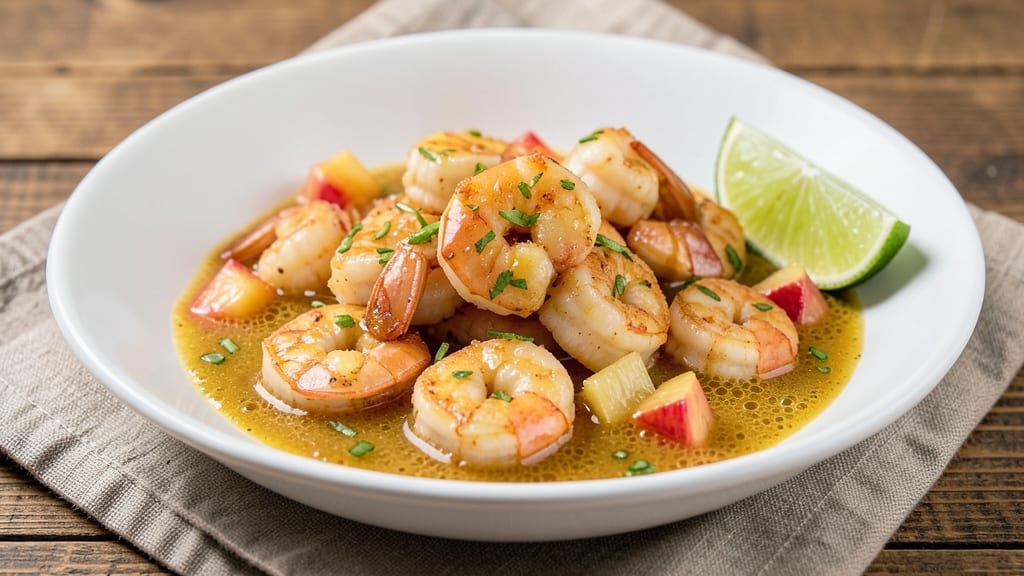
This coconut shrimp pineapple sauce transforms ordinary dishes into tropical masterpieces with its velvety caramelized sweetness and subtle tang. 🌴 The perfect balance of creamy coconut milk, bright pineapple, and aromatic ginger creates a glaze that clings beautifully to shrimp while adding depth to any protein or rice dish.
What makes this sauce exceptional is its versatility—it works as a dipping sauce, a marinade, or a finishing glaze for grilled meats.
The foundation of this recipe lies in simmering coconut milk with pineapple juice until it reduces to a thick, glossy consistency. A touch of lime zest and chili flakes adds brightness and a hint of heat, while fresh ginger ensures warmth without overpowering the natural tropical flavors.
The result is a sauce that's rich yet light, sweet yet balanced, and impossible to resist.
Once you taste this sauce, you'll understand why it's become a staple in my kitchen—it elevates simple shrimp dishes into something extraordinary. The caramelized edges on the shrimp create a perfect contrast with the smooth, tangy sauce, making every bite unforgettable.
Best of all, it keeps well in the refrigerator for up to five days, so you can make a batch ahead and enjoy it throughout the week.
Whether you're serving it over grilled shrimp, drizzling it on roasted chicken, or using it as a dip for spring rolls, this sauce brings a taste of the tropics to your table.
The instructions are straightforward, and the ingredients are easy to find, making it the perfect addition to any meal. Let's get started on creating this tropical glaze that will impress everyone at your table.
Ingredients for coconut shrimp pineapple sauce
Tropical flavors meet velvety richness in this sauce—just 10 ingredients for bold flavor.
| Ingredient | Amount | Notes |
|---|---|---|
| Full-Fat Coconut Milk 🥥 | 1 can | High quality, no additives |
| Pineapple Juice 🍍 | ½ cup | Freshly squeezed preferred |
| Fresh Pineapple Chunks 🍍 | ½ cup | For texture and extra flavor |
| Fresh Ginger 🌿 | 1 tbsp | Grated, aromatic variety |
| Lime Zest 🍋 | 1 tbsp | Bright, freshly grated |
| Lime Juice 🍋 | 2 tbsp | Freshly squeezed |
| Red Chili Flakes 🌶️ | ½ tsp | Adjust for spice preference |
| Honey 🍯 | 1 tbsp | For caramelized sweetness |
| Extra-Virgin Olive Oil 🫒 | 1 tbsp | For richness and balance |
| Soy Sauce 🍜 | 1 tbsp | For umami depth |
The coconut milk is the heart of this sauce—full-fat canned coconut milk gives the best creaminess (none of that watery stuff). Grab the Thai Kitchen or Goya brands if you're in a pinch, but the organic brands at Whole Foods have that extra depth. Fresh pineapple is ideal, but Dole crushed pineapple works in a squeeze—just drain the juice first. The ginger should smell zesty and fresh (no dusty jars here!). For lime zest, grab organic limes from the produce section—they're brighter and more flavorful. Trust me on this: the zest is what makes the sauce pop with that tropical brightness.
No fresh ginger? Ground ginger at half the amount gets you close, but it won't be as aromatic. Short on pineapple juice? Orange juice with a splash of pineapple extract works, though it won't be identical. The honey can be swapped for maple syrup or agave if you're avoiding it, but honey adds that perfect caramelized touch. For extra umami, fish sauce at half the soy sauce amount is a game-changer (pescatarian-friendly!). The chili flakes are optional—skip them if you're sensitive to heat, but they add that perfect kick. Pro tip: Toast the chili flakes in a dry pan for 30 seconds before adding to deepen the flavor.
This sauce tastes even better the next day as the flavors meld. Store it in a glass jar in the fridge for up to 5 days. For longer storage, freeze in ice cube trays—perfect for single-use portions. The sauce thickens as it cools, so give it a quick whisk before using. It's amazing on shrimp, but also drizzle it over grilled chicken or rice dishes for instant tropical vibes. The caramelized edges on shrimp? That's the magic—let them sear in a hot pan for 2-3 minutes before glazing.
Why You'll Love This Recipe
- No-Fuss Simmer: I swear by this sauce because it’s basically hands-off. Toss everything—coconut milk, pineapple juice, ginger—into one pot, let it bubble for 15 minutes, and boom. No blenders, no strainers, just pure, velvety goodness waiting for you.
- Tropical Crunch Factor: That lime zest and fresh pineapple chunks? They turn this into something special. The sauce is rich and creamy, but the bright, tangy finish cuts right through—like a little vacation in every bite.
- Weeknight to Dinner Party: Honestly, I make this for takeout night, but it’s also the star of my summer BBQ spread. Drizzle it over grilled shrimp, toss it with rice, or serve it as a dip—it’s that adaptable.
- Saves Money & Time: Full-fat coconut milk might sound fancy, but a can lasts forever. I stretch one batch into three meals: shrimp tacos one night, stir-fry the next, and leftovers reheated with rice. Zero waste, all flavor.
Step-by-step instructions for tropical coconut pineapple glaze
This vibrant sauce comes together in minutes with bold flavors that balance sweet, tangy, and umami notes.
🍳 Step 1: Bloom the Aromatics in Olive Oil
Heat the 1 tablespoon extra-virgin olive oil in a medium saucepan over medium-low heat. Add the 1 tablespoon freshly grated ginger and cook for 1-2 minutes until fragrant—you'll smell that bright, citrusy aroma that signals it's ready for the next step.
Here's the thing—don't let the ginger brown or it'll turn bitter. I stir constantly for the first 30 seconds to make sure it heats evenly. This gentle cooking brings out the ginger's natural sweetness without overpowering the delicate sauce we're building.
🍳 Step 2: Build the Flavor Base
Add the 1 tablespoon lime zest and cook for another 30 seconds until it's just warmed through. Then pour in the 2 tablespoons lime juice and 1 tablespoon soy sauce, stirring constantly. The sauce will bubble gently—this is when the umami from the soy sauce starts to develop.
I let it simmer for 1 minute to let the lime zest infuse its citrusy oils into the mixture. This step creates the bright, tangy foundation that cuts through the richness of the coconut. Don't skip this—it's what makes this sauce truly tropical.
🥘 Step 3: Incorporate the Sweet Elements
Add the 0.5 cup pineapple juice and 1 tablespoon honey, stirring to combine. Increase heat to medium-high and bring to a gentle boil. Once boiling, reduce heat to medium-low and let it simmer for 3-4 minutes until slightly thickened.
This is where the magic happens—the honey caramelizes just enough to deepen the sauce's complexity while the pineapple juice adds natural sweetness. I like to taste it at this stage to adjust the balance—if it needs more brightness, add a splash of lime juice; if it needs more depth, a tiny pinch of salt helps.
🥘 Step 4: Finish with Coconut and Chili
Pour in the 1 can full-fat coconut milk and stir well. Add the 0.5 cup fresh pineapple chunks and 0.5 teaspoon red chili flakes, then return to a gentle simmer. Cook for 5-6 minutes until the sauce thickens slightly and coats the back of a spoon.
Watch the sauce carefully—it should reduce just enough to coat the pineapple chunks lightly while maintaining a glossy sheen. The coconut milk will give it that creamy richness, while the chili flakes add just a hint of heat to balance the sweetness. Real talk: the first time I made this, I forgot the chili flakes and it was missing that little kick!
⏰ Step 5: Rest and Adjust
Remove from heat and let the sauce rest for 5 minutes. This resting period allows the flavors to meld beautifully. Taste and adjust seasoning—you might want to add a pinch more salt or a splash of lime juice to perfect the balance.
For the best texture, I like to strain the sauce through a fine-mesh sieve if I want it completely smooth, or leave the pineapple chunks in for texture. Either way, this tropical glaze is ready to drizzle over grilled shrimp, seared fish, or even stir-fried vegetables for an instant flavor upgrade.
Pro Tips For Making Coconut Shrimp Pineapple Sauce
- Simmer Slow and Steady: I used to rush this sauce and end up with a thin, watery mess—don’t. After the initial boil, drop the heat to a bare simmer (think tiny bubbles, not rolling) and let it cook uncovered for 15-20 minutes. The coconut milk will thicken naturally, and the pineapple flavors will meld without curdling. Trust me, the patience pays off.
- Zest Before Juicing: Grab that lime zest first—right when you cut the lime—before you even think about juicing. Fresh zest packs way more punch than dried, and if you wait, it’ll dry out while you’re chopping ginger or peeling pineapple. Sprinkle it in at the very end to keep the bright citrus notes from fading into the coconut’s richness.
- Strain the Ginger: Fresh ginger is non-negotiable, but resist the urge to just chop it fine. Use a microplane or food processor to grate it, then strain out the fibers with a fine-mesh sieve. I learned this the hard way—lingering ginger bits turn the sauce gritty, and no one wants to deal with that while eating.
- Reduce Pineapple Juice First: Don’t dump all the pineapple juice in at once—start with half and let it reduce by 25% on medium heat before adding the rest. This concentrates the natural sweetness and balances the coconut’s creaminess. (Yes, even if the recipe says to add it all at the start.) Your sauce will taste deeper, not cloying.
Perfect pairings for this coconut shrimp pineapple sauce
Shrimp Serving Style
This sauce transforms simple shrimp into a tropical masterpiece. For grilled shrimp, toss them in 1 tbsp olive oil and ½ tsp salt, then grill for 2-3 minutes per side until caramelized. Drizzle with sauce while hot for a glossy finish.
For pan-seared shrimp, cook in 1 tbsp butter over medium-high heat for 1-2 minutes per side, then glaze with sauce. The caramelized edges pair perfectly with the sauce's tangy-sweet balance. 🍤
Protein Pairings
Beyond shrimp, this sauce elevates grilled chicken and fish fillets beautifully. Brush ½ cup sauce over chicken breasts before grilling, or drizzle over baked salmon in the last 5 minutes of cooking.
For tofu, marinate cubes in sauce for 15 minutes before pan-frying—they absorb the flavors like a sponge. The coconut base adds richness that complements lean proteins.
Vegetable Applications
Use this sauce as a glaze for roasted vegetables like bell peppers, zucchini, or broccoli. Toss 2 cups chopped veggies with 1 tbsp olive oil, roast at 400°F for 20 minutes, then drizzle with sauce.
It also works as a dip for spring rolls or edamame—simmer 1 cup edamame for 5 minutes, drain, and toss with sauce. The tropical flavors bring freshness to any veggie dish.
Rice and Noodle Base
Stir ¼ cup sauce into 1 cup cooked jasmine rice for instant flavor. For noodles, toss 8 oz rice noodles with sauce after cooking and top with sliced cucumber and crushed peanuts.
The sauce's creaminess clings to noodles, making every bite satisfying. I love using it as a quick stir-fry sauce—just add 1 tbsp soy sauce and 1 tsp sesame oil for extra depth.
Dessert Twist
Yes, this sauce works for dessert! Drizzle over coconut rice pudding or vanilla ice cream for a tropical twist. Warm ½ cup sauce slightly and swirl into a bowl of ice cream, then top with toasted coconut flakes.
The balance of sweet and tangy makes it a refreshing palate cleanser after a heavy meal. 🍦
Drink Pairings
For a complete tropical experience, pair this sauce with coconut water or pineapple mojitos. The natural sweetness of the sauce complements the citrusy drinks perfectly. For beer lovers, a light lager like Corona or Stella Artois cuts through the richness.
For wine, a dry Riesling adds acidity that balances the sauce's sweetness. The key is keeping the drink refreshing to contrast the sauce's richness.
Nutrition facts
Frequently asked questions
Can I make this sauce without fresh pineapple?
Use ½ cup crushed pineapple juice (drained) plus ¼ cup extra pineapple juice from the can. For texture, add ½ cup frozen pineapple chunks thawed—just drain them well to avoid thinning the sauce. The flavor will be slightly less vibrant, but still delicious.
How do I adjust the spice level?
Start with the ½ teaspoon chili flakes as written, then taste before serving. For more heat, add ¼ teaspoon cayenne pepper or ½ teaspoon chopped fresh chili. For milder heat, reduce the chili flakes to ¼ teaspoon or omit entirely. Toasting the flakes first deepens their flavor without extra heat.
What's the best way to reheat leftover sauce?
Gently warm the sauce in a small saucepan over low heat for 2-3 minutes, stirring constantly. Avoid high heat—it can separate the coconut milk. If the sauce thickens too much, whisk in 1 teaspoon water or pineapple juice. For microwave reheating, use 30-second intervals on low power, stirring between each.
Can I use coconut cream instead of coconut milk?
Yes, but expect a thicker, richer sauce. Use ½ cup coconut cream plus ¼ cup water to replace the full can of coconut milk. The sauce will be more luxurious but may need longer simmering (8-10 minutes) to reach the same consistency. For balance, reduce the honey to ½ tablespoon.
Why did my sauce separate?
This happens when coconut milk isn't heated gently or when too much liquid is added. To fix it, whisk in 1 tablespoon cornstarch mixed with 1 tablespoon water, then simmer for 1-2 minutes until smooth. For prevention, always use full-fat coconut milk and avoid rapid temperature changes. The sauce should coat the back of a spoon when done.