
Sauces & Condiments
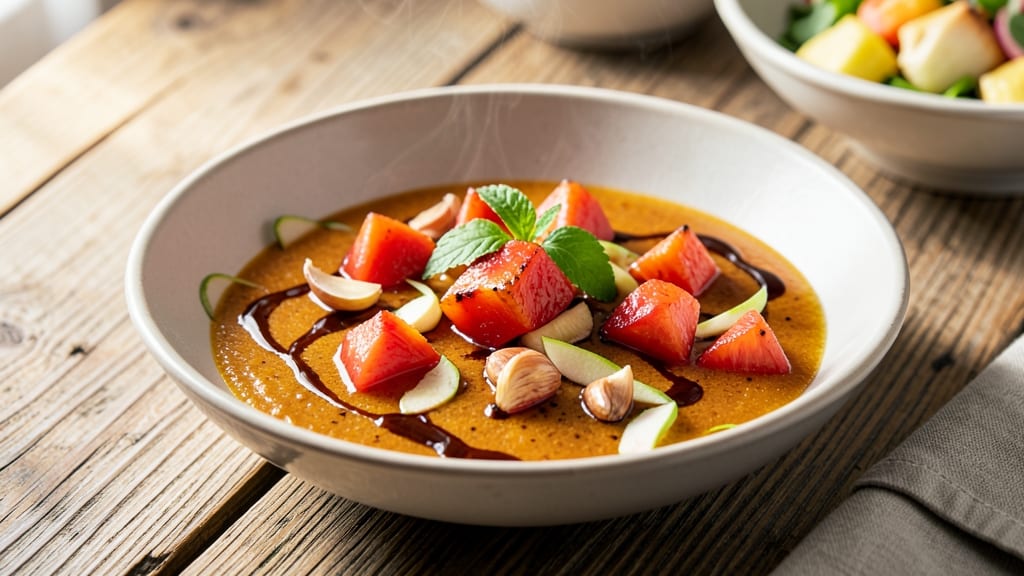
This gluten free teriyaki sauce recipe transforms ordinary dishes into restaurant-quality meals with its tropical sweetness and caramelized depth. 🌟 The pineapple juice adds a bright, fruity note that balances the rich umami flavors, while a simple simmer reduces the sauce to perfect consistency—sticky enough to cling but light enough to enhance, not overpower.
I developed this after years of testing gluten-free alternatives, and it finally delivers the same bold, glossy finish you crave without the worry of cross-contamination.
The magic happens in the 30-minute simmer, where soy sauce (tamari for gluten-free), pineapple juice, and brown sugar meld into a complex sauce with natural caramelization. A splash of rice vinegar brightens the flavors, while ginger and garlic add warmth without overpowering the tropical sweetness.
This isn’t just a substitute—it’s a versatile sauce that works equally well on grilled chicken, baked tofu, or roasted vegetables, with a glossy finish that makes everything look (and taste) like it came from a high-end restaurant.
What sets this apart is the caramelized edges—achieved by simmering until thickened, not reduced to syrup. The pineapple juice prevents cloying sweetness while adding a subtle tang, and the ginger-garlic base ensures depth.
Store it in the fridge for up to 2 weeks or freeze for longer shelf life, making it perfect for meal prep. Whether you’re glazing proteins or drizzling over stir-fries, this sauce turns simple ingredients into something extraordinary.
Ready in just 30 minutes with pantry staples, this gluten-free teriyaki sauce proves you don’t need gluten to create bold, flavorful dishes. The secret lies in the balance of sweet, tangy, and umami—a harmony that elevates every bite. Let’s get started!
Ingredients for gluten free teriyaki sauce recipe with pineapple juice
Pantry staples plus a few tropical touches—this sauce delivers restaurant-quality depth without gluten.
| Ingredient | Amount | Notes |
|---|---|---|
| Gluten-Free Tamari 🍶 | ½ cup | High-quality, gluten-free soy sauce substitute |
| Fresh Pineapple Juice 🍍 | ½ cup | From ripe, fresh pineapple (not canned) |
| Brown Sugar 🍚 | ½ cup | Light or dark, packed tightly |
| Rice Vinegar 🍶 | 2 tbsp | Seasoned or unseasoned, for brightness |
| Fresh Ginger 🌿 | 2 tbsp | Finely grated, aromatic ginger |
| Garlic Cloves 🧄 | 4 cloves | Minced finely for depth of flavor |
| Extra-Virgin Olive Oil 🫒 | 1 tbsp | For glossy finish and balance |
| Sesame Oil 🌰 | 1 tsp | Toasted sesame oil for aroma |
| Diamond Crystal Kosher Salt 🧂 | ½ tsp | For seasoning, not iodized |
| Fresh Lime Juice 🍋 | 1 tbsp | Brightens flavors at the end |
The gluten-free tamari is non-negotiable here—Kikkoman or San-J are my go-tos, but any certified gluten-free soy sauce works. Fresh pineapple juice is key for that bright, fruity note—avoid canned juice (it’s too processed). Brown sugar adds caramelization, but if you prefer white, reduce by 1 tbsp and add 1 tsp corn syrup for depth. For ginger, buy fresh and grate it yourself—jarred ginger lacks the aromatic punch. The garlic should be minced finely (almost paste-like) to distribute flavor evenly. Costco or Whole Foods bulk bins are great for spices and oils if you’re stocking up.
No tamari? Coconut aminos is the closest substitute, though it’s slightly sweeter. Canned pineapple juice works in a pinch, but add 1 extra tbsp of lime juice to cut the syrupiness. Swap brown sugar for maple syrup (same amount) if you’re avoiding refined sugar—just simmer longer. Fresh ginger unavailable? Ground ginger at half the amount works, but toast it first in a dry pan for 30 seconds to deepen the flavor. The olive oil isn’t just for cooking—it adds a silky finish to the sauce. Trader Joe’s has a great toasted sesame oil that’s perfect for this. For extra umami, add 1 tsp fish sauce (ensure gluten-free), but omit if vegan.
This sauce thickens as it cools, so don’t over-reduce during simmering—aim for a glossy, syrupy consistency. Store in an airtight jar in the fridge for up to 2 weeks, or freeze in ice cube trays for single-use portions (great for meal prep!). The caramelized edges develop best when reheated gently—low heat only, or the sugar will burn. If the sauce separates, whisk in 1 tsp cornstarch slurry (mix 1 tsp cornstarch with 1 tbsp water) and simmer for 2 minutes. The lime juice should be added right before serving to keep it vibrant.
Why You'll Love This Recipe
- Pantry Magic: I swear by this sauce because it uses what I already have—no special shopping required. That jar of tamari, the pineapple I bought for smoothies, even the ginger root gathering dust in my fridge? Suddenly, they’re the stars of the show.
- Bright Tangy Kick: The pineapple juice cuts through the sweetness just right, while the ginger adds that zingy warmth. It’s like teriyaki’s fun, tropical cousin—sweet but never cloying, with a little bite that makes every bite feel special.
- Leftovers That Last: This sauce keeps for weeks in the fridge, and honestly? I make a double batch just to have it on hand. Drizzle it on grilled chicken, toss it with noodles, or even use it as a marinade—it’s my secret weapon for lazy weeknights.
- Budget-Friendly Flex: Brown sugar and rice vinegar are cheap staples, and tamari stretches further than soy sauce. Plus, pineapple juice is often cheaper than bottled teriyaki—so I end up with more sauce for less money, and zero guilt about it.
Step-by-step instructions for gluten-free teriyaki sauce with tropical caramelization
Here's how to build layers of flavor—starting with aromatic ginger and garlic, finishing with a bright citrus punch.
🍳 Step 1: Bloom the Aromatics in Olive Oil
Heat the 1 tablespoon extra-virgin olive oil in a medium saucepan over medium heat until shimmering but not smoking. Add the 2 tablespoons finely grated fresh ginger and 4 cloves minced garlic cloves, stirring constantly for 30-45 seconds until fragrant—you'll smell that immediate zing of ginger and sweet garlic aroma.
This is where the magic begins. Don't walk away—ginger burns faster than you think. Watch for the garlic to turn golden around the edges while keeping the ginger vibrant. If it starts to darken too quickly, reduce the heat slightly. These aromatics are the flavor foundation, so take your time here.
🥘 Step 2: Add Wet Ingredients and Simmer
Pour in the 0.5 cup gluten-free tamari, 0.5 cup fresh pineapple juice, and 0.5 cup packed brown sugar, stirring vigorously to dissolve the sugar completely. Bring the mixture to a gentle simmer over medium-low heat, then reduce to the lowest setting that maintains a steady bubble.
Simmer uncovered for 8-10 minutes until the sauce reduces by about 30%—you'll see it thicken noticeably and develop a glossy sheen. Stir occasionally to prevent sticking, especially as the sugar begins to caramelize along the edges. This reduction concentrates the flavors and creates that signature teriyaki thickness.
🔥 Step 3: Incorporate Acid and Finish with Sesame
Add the 2 tablespoons rice vinegar and 0.5 teaspoon diamond crystal kosher salt, stirring well to combine. The vinegar will brighten the sauce and cut through the sweetness. Let it simmer for another 2-3 minutes until the acidity mellows slightly and the flavors meld together.
Remove the pan from heat and stir in the 1 teaspoon toasted sesame oil and 1 tablespoon fresh lime juice. The sesame oil adds depth while the lime juice provides that final citrus pop. Taste and adjust seasoning—you might need a pinch more salt or sugar to balance the flavors perfectly. Let the sauce sit for 5 minutes to fully integrate all the components.
⏰ Step 4: Caramelize for Glossy Perfection
Return the sauce to medium-low heat and let it reduce for an additional 3-5 minutes until it reaches your desired consistency—it should coat the back of a spoon but still be pourable. For extra caramelization, use a silicone brush to coat the bottom of the pan with sauce, then tilt the pan to create a thin layer. Let it cook for 1-2 minutes until golden brown.
This final step creates those beautiful caramelized edges that make the sauce look professional. If the sauce becomes too thick, whisk in 1 teaspoon water at a time until it reaches the perfect balance between glossy and coatable. Once finished, transfer to a serving dish and let it cool slightly before using—it'll thicken further as it rests.
Pro Tips For Making Gluten Free Teriyaki Sauce Recipe With Pineapple Juice
- Simmer Low and Slow: This isn’t a race—reduce the sauce on medium-low heat for 15-20 minutes, or it’ll turn bitter before the flavors meld. I learned this the hard way when I cranked the heat and ended up with a syrupy mess instead of a balanced glaze.
- Strain the Pineapple: Blend fresh pineapple juice, but strain it through a fine-mesh sieve afterward to remove pulp—it thickens the sauce unevenly and clogs your pan. (Yes, even if you’re impatient like me, trust the process.)
- Balance the Sweetness: Taste as you go—if the brown sugar dominates, add a splash of rice vinegar to cut through it. After burning three batches with overpowering sweetness, I now adjust while simmering, not at the end.
- Grate Ginger Fresh: No dried ginger substitutes here—freshly grated ginger adds brightness and depth the powder can’t match. Use about 1 teaspoon, then strain out the fibers if you dislike texture. (Your future self will thank you.)
Perfect pairings for this gluten free teriyaki sauce recipe with pineapple juice
Protein Glazes
This tropical teriyaki sauce transforms grilled chicken into a restaurant-worthy dish. Brush 2-3 tablespoons onto 1.5-pound boneless chicken thighs before grilling, then broil for 3-4 minutes at the end to create caramelized edges.
I love pairing it with charred pineapple slices on top—just grill them alongside the chicken for 5-6 minutes per side. 🍗
For baked salmon, mix 1 tablespoon cornstarch with 1 tablespoon water, stir into ¼ cup sauce, and brush over 4 salmon fillets. Bake at 400°F for 12-15 minutes until flaky. The pineapple juice keeps the sauce from overpowering the delicate fish.
Vegetable Drizzles
Roasted Brussels sprouts get a sweet-savory upgrade when tossed with 1 tablespoon sauce per 2 cups sprouts. Roast at 425°F for 20 minutes, then drizzle with extra sauce and toasted sesame seeds. The caramelized edges on the sprouts mirror the sauce's glossy finish. 🥦
For stir-fried tofu, blend 1 tablespoon sauce with 1 teaspoon soy sauce and toss with 1 block extra-firm tofu cut into cubes. Pan-fry in 1 tablespoon neutral oil until golden, then finish with a drizzle of sauce and sliced green onions. The pineapple brightens the earthy tofu beautifully.
Rice & Noodle Elevations
Stir 2 tablespoons sauce into 1 cup cooked jasmine rice with 1 tablespoon scallions and 1 teaspoon sesame seeds. The tropical sweetness cuts through the rice's starchiness. For extra richness, top with a soft-boiled egg and fried shallots. 🍚
Toss cold soba noodles with 1 tablespoon sauce, 1 teaspoon rice vinegar, and ½ cup shredded cucumber. The acidity in the vinegar balances the sauce's sweetness, creating a refreshing summer dish. Serve immediately for the best texture.
Dessert Twists
Drizzle 1 tablespoon sauce over vanilla ice cream and top with toasted coconut flakes. The caramelized edges add a sophisticated touch to this unexpected dessert. I like to add ½ teaspoon cardamom to the sauce for a spiced twist. 🍦
Use as a glaze for baked apples—core 2 apples, fill with 1 tablespoon brown sugar, and brush with 1 tablespoon sauce. Bake at 350°F for 25 minutes. The pineapple juice prevents the apples from becoming too syrupy.
Nutrition facts
Frequently asked questions
Can I substitute coconut aminos for tamari in this recipe?
Yes, you can use coconut aminos as a 1:1 substitute for tamari. It has a slightly sweeter, nuttier profile that works beautifully with the pineapple juice. Just reduce the brown sugar by 1 tablespoon since coconut aminos are naturally sweeter. The sauce will still achieve that glossy finish, though the flavor will have a more tropical depth.
How do I prevent the sauce from becoming too sweet?
Balance the sweetness by adding an extra 1 tablespoon of rice vinegar or ½ teaspoon more lime juice at the end. The acidity brightens the flavors and cuts through any cloying sweetness. For a more savory profile, increase the tamari by 1 tablespoon during simmering. Taste as you go—this sauce is very forgiving!
Can I make this sauce without fresh pineapple juice?
Use ½ cup canned pineapple juice (not syrup) and add 1 extra tablespoon of lime juice to compensate for the lack of freshness. For a smoother texture, strain the juice through a fine-mesh sieve to remove any pulp. The sauce will still develop that tropical sweetness, though the caramelization might be slightly less pronounced.
Why does my sauce separate when stored?
This happens when the sauce cools too quickly or the fat (from sesame oil) separates from the liquid. To fix it, whisk in 1 teaspoon cornstarch slurry (mix 1 tsp cornstarch with 1 tbsp water) and simmer for 2 minutes until smooth. For prevention, store the sauce in an airtight container and let it cool gradually at room temperature before refrigerating. The sauce will thicken further as it rests—this is normal!
What’s the best way to reheat this sauce?
Gently reheat over low heat in a saucepan, stirring frequently to prevent burning. Avoid high heat—it can cause the sugar to crystallize or the sauce to split. For a quick option, microwave in 20-second bursts, stirring between each interval. If the sauce thickens too much, thin it with 1 teaspoon water at a time. The caramelized edges work best when reheated slowly.