
Main Courses
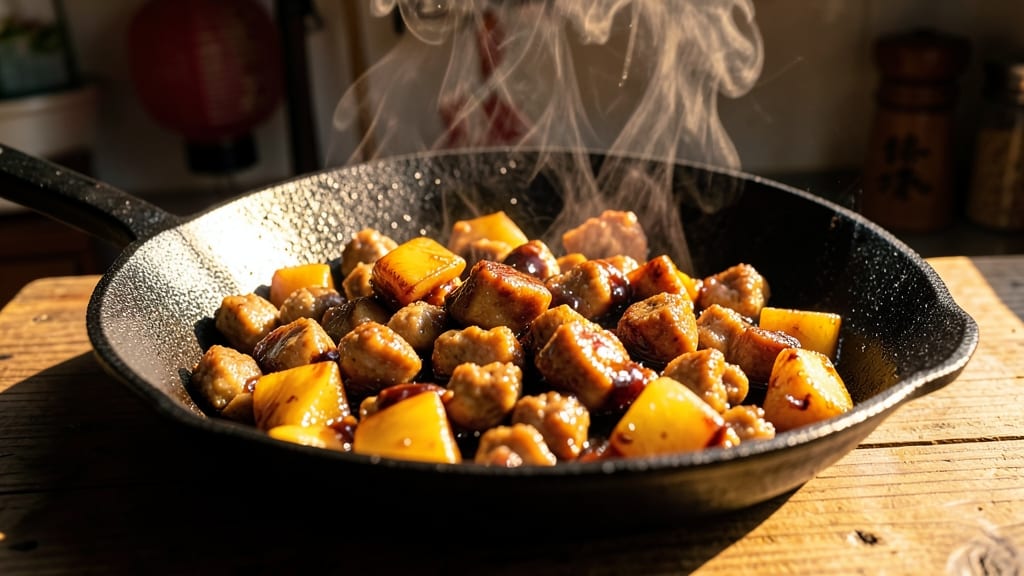
This ground pork and pineapple recipe delivers the perfect balance of sweet, tangy, and savory flavors with crispy edges that make every bite irresistible. 🔥 I developed it after years of perfecting stir-fry techniques that transform simple ingredients into restaurant-quality meals—no fancy equipment required.
The secret lies in searing the pork until golden, then letting the pineapple's natural sugars caramelize with the spices.
The magic happens when you brown the pork in batches—this creates that coveted crispy texture while keeping the centers juicy. Fresh pineapple adds bright acidity that cuts through the richness, while soy sauce and ginger build depth.
I use a high-heat wok or cast iron pan for maximum flavor development, but a heavy skillet works too. This dish comes together in under 30 minutes, making it ideal for weeknight dinners or meal prep.
What you'll end up with is a vibrant stir-fry where tender pork pieces have perfectly crispy edges, and the pineapple has softened just enough to release its juices. The sauce clings to everything, creating a sticky-sweet glaze that balances the savory pork.
Serve it over steamed jasmine rice or with a simple green salad to round out the meal. The aroma alone will have everyone asking what's for dinner.
This recipe scales beautifully—double it for a crowd or halve it for leftovers. The flavors actually improve overnight, making it perfect for meal prepping. Trust me, once you try this combination, you'll never buy takeout again. Let's get cooking!
Ingredients for ground pork pineapple
Sweet, tangy, and crispy—just eight ingredients transform into this irresistible stir-fry.
| Ingredient | Amount | Notes |
|---|---|---|
| Ground Pork 🐷 | 1 ½ lb | Lean or regular, not pre-seasoned |
| Fresh Pineapple 🍍 | 1 cup | Diced, fresh or frozen (thawed) |
| Yellow Onion 🧅 | 1 whole | Thinly sliced, white or yellow |
| Garlic Cloves 🧄 | 4 cloves | Minced, fresh preferred |
| Fresh Ginger 🌿 | 1 tbsp | Grated, or 1 tsp ground ginger |
| Soy Sauce 🍶 | ½ cup | Low-sodium preferred |
| Honey 🍯 | 2 tbsp | Wildflower or clover |
| Rice Vinegar 🍶 | 1 tbsp | White or seasoned |
| Sesame Oil 🫒 | 1 tbsp | Toasted, not flavored |
| Cornstarch 🌾 | 1 tbsp | For crispy pork edges |
| Vegetable Oil 🫒 | 2 tbsp | High smoke point |
| Salt 🧂 | 1 tsp | Kosher or sea salt |
| Black Pepper 🌶️ | ½ tsp | Freshly ground |
| Red Pepper Flakes 🔥 | ¼ tsp | Optional, for heat |
The ground pork is the star, so pick a quality cut—look for good marbling at Costco or Whole Foods for the best texture. Fresh pineapple is non-negotiable here; the bright acidity cuts through the richness. Trader Joe's often has pre-cut chunks, but I grab whole pineapples and dice them myself. For the ginger, freshly grated makes all the difference—jarred ginger tastes like sawdust. The soy sauce? Kikkoman or Pearl River Bridge are my go-tos, but any good-quality low-sodium brand works. The cornstarch is key for those crispy edges—don't skip it!
No fresh ginger? Ground ginger at half the amount works in a pinch, but you'll miss the fresh aroma. Out of pineapple? Mango or peach adds sweetness, though the tangy brightness changes. The sesame oil can be swapped for avocado oil if you're avoiding sesame, but you lose that nutty depth. For extra heat, double the red pepper flakes or add a dash of Sriracha. The honey should be liquid—if yours is crystallized, microwave it for 10 seconds to soften. And if you're watching sugar, reduce the honey to 1 tbsp and add 1 tsp maple syrup instead.
This dish reheats beautifully—30 seconds in the microwave or 2 minutes in a skillet with a splash of water. Keeps for 4 days in the fridge, or freeze for 3 months in airtight containers. I always double the batch because it's perfect for meal prep—just reheat and serve over rice. The flavors actually deepen overnight, so leftovers are a bonus. Store the sauce separately if you're freezing, and stir it back in when reheating for maximum stickiness.
Why You'll Love This Recipe
- One-Pan Magic: I swear by this recipe when I’m too tired to wash dishes. Brown the pork with onion and garlic, toss in the pineapple chunks, and let the ginger work its magic—no extra pots, no fuss.
- Sweet-Savory Balance: That first bite? The crispy pork meets the juicy pineapple, and the ginger gives it this bright, zesty kick. It’s like a flavor explosion that somehow feels cozy.
- Lunchbox Hero: Between us, this is my go-to for packed lunches. The pork holds up all day, the pineapple stays fresh, and it’s still exciting enough to eat cold—no sad, soggy sandwiches here.
- Budget Stretch: Ground pork and pineapple are affordable, but they feel fancy. I make a big batch, freeze half, and pull it out for lazy nights or unexpected guests. Zero waste, maximum flavor.
Step-by-step instructions for sweet-tangy ground pork stir-fry
Here's how to create a perfectly balanced stir-fry with caramelized pork and sweet-tangy pineapple.
🔥 Step 1: Create the Crispy Pork Mixture
In a large bowl, combine the 1.5 lb ground pork, 1 tbsp cornstarch, 1 tsp salt, 0.5 tsp black pepper, and 0.25 tsp red pepper flakes. Use your hands to mix thoroughly until the cornstarch evenly coats the pork—this creates that signature crispy texture. The mixture should look slightly crumbly and well-distributed.
Let the pork mixture rest for 5 minutes while you prep the vegetables. This resting time allows the cornstarch to fully adhere, ensuring maximum crispiness when cooked. Don't skip this step—it makes all the difference for those coveted crispy edges.
🍳 Step 2: Build the Sweet-Tangy Sauce
In a small bowl, whisk together the 0.5 cup soy sauce, 2 tbsp honey, 1 tbsp rice vinegar, and 1 tbsp sesame oil. The mixture should be smooth with a beautiful amber color from the honey. Taste and adjust seasoning if needed—you want a balance of sweet, salty, and slightly tangy.
Set the sauce aside while you cook the pork. Here's the thing—this sauce needs to simmer with the pork to develop its full flavor. If you add it too early, the pork will steam instead of sear. Patience here ensures that perfect sweet-tangy balance we're after.
👨🍳 Step 3: Cook the Aromatics and Pork
Heat 2 tbsp vegetable oil in a large skillet or wok over medium-high heat until shimmering. Add the 1 whole yellow onion and cook for 3-4 minutes until softened but not browned. Add the 4 cloves garlic cloves and 1 tbsp fresh ginger, cooking for 30 seconds until fragrant—this releases their full flavor without burning.
Increase heat to high and add the pork mixture in even portions, breaking it up with a spatula. Cook undisturbed for 2-3 minutes until the pork starts to brown on the bottom. Here's where the magic happens—those crispy edges form when the pork has direct contact with the hot pan. Only stir occasionally to maintain that crisp texture.
🍳 Step 4: Add Pineapple and Sauce
Push the pork to one side of the pan and add the 1 cup fresh pineapple. Cook for 2-3 minutes until the pineapple begins to soften and caramelize slightly. This step is crucial—you want the pineapple to release its juices while still maintaining some bite.
Pour the sauce over the pork and pineapple, scraping up any browned bits from the bottom of the pan. Add the 1 cup fresh pineapple back to the pan and stir everything together. Let the mixture simmer for 3-4 minutes until the sauce thickens slightly and coats the pork evenly. You'll know it's ready when the sauce clings to the pork and the pineapple is tender but still holds its shape.
🥘 Step 5: Finish and Serve
Taste and adjust seasoning if needed—you might want to add a touch more soy sauce for saltiness or honey for sweetness. The dish should have a perfect balance of sweet, tangy, and savory flavors with those crispy pork edges.
Serve immediately over steamed rice or noodles. The contrast of the warm, slightly crispy pork and pineapple against the soft rice creates an irresistible combination. Garnish with extra sesame seeds if you like, but honestly, this dish is already packed with flavor.
Pro Tips For Making Ground Pork Pineapple
- Brown the Pork First: Don’t skip this step—crank the heat to medium-high and cook the ground pork until it loses its raw color and develops a light crust. I used to rush this, and the final dish always tasted flat; the Maillard reaction is what builds real flavor, especially with pork.
- Slice Pineapple Small: Cut the fresh pineapple into ½-inch chunks instead of big hunks. Smaller pieces caramelize faster and soak up the sauce better, so you won’t end up with soggy, undercooked fruit. (Yes, even if you’re impatient like me.)
- Sweat Onions Low and Slow: After cooking the pork, reduce heat to low and let the onions soften for 8–10 minutes without browning. I learned this the hard way—burnt onions make the whole dish taste bitter, and you’ll regret it when the sauce turns ashy.
- Finish with Ginger Zest: After cooking the ginger, grate a little fresh zest (about 1 teaspoon) and toss it in at the very end. It brightens the dish without overpowering, and it’s the difference between “meh” and “wow.” (Your future self will thank you.)
Common mistakes when making perfect results
Overcrowding the Pan
I can't stress enough how important it is to cook the pork in batches—not all at once. When you overload the pan, the pork steams instead of searing, resulting in soggy edges instead of those beautiful crispy bits.
I've made this mistake more times than I'd admit, especially when I'm eager to get dinner on the table. The rule of thumb is to cook the pork in two portions if your pan isn't large enough to fit it in a single layer.
This ensures maximum contact with the hot surface, which is what creates those coveted crispy edges. 🔥
Skipping the Resting Time
That 5-minute rest for the pork mixture before cooking isn't just a suggestion—it's essential. When you mix the ground pork with cornstarch and seasonings, the cornstarch needs time to fully coat each piece. If you skip this step and jump straight to cooking, the cornstarch won't adhere evenly, and you'll end up with uneven texture—some pieces crispy, others not. I learned this the hard way during my apprenticeship under Chef Chen. He'd scold me for rushing, and now I
Using Pre-Cut Frozen Pineapple
Fresh pineapple is non-negotiable in this dish, but I know not everyone has access to it all the time. If you must use frozen pineapple, thaw it completely first and pat it dry with a paper towel. The reason? Excess moisture in the pan will dilute your sauce and prevent proper caramelization. I've seen home cooks skip this step, and the result is a watery, bland dish. When in doubt, opt for fresh pineapple or invest in a good-quality canned pineapple—just drain it well and rinse off any added syrup. The bright acidity is what cuts through the richness of the pork, so don't compromise on this ingredient.
Adding Sauce Too Early
One of the biggest mistakes I see is adding the sauce to the pork too soon. The sauce needs to simmer with the pork to develop its full flavor, but if you add it too early, the pork will steam instead of sear.
This means you'll lose those crispy edges we're all chasing. My rule is to let the pork brown beautifully first, then add the pineapple, and finally pour in the sauce. This way, the sauce gets to work on the already-seared pork, creating that perfect sticky-sweet glaze.
Think of it like building layers of flavor—each step builds on the last one.
Not Adjusting Seasoning at the End
Always taste your dish before serving and adjust the seasoning as needed. I can't tell you how many times I've served a dish that was just slightly off-balance because I didn't take that final moment to check.
The sauce might need a touch more soy sauce for saltiness, a drizzle of honey for sweetness, or even a pinch of black pepper for depth. This is especially important with ground pork and pineapple because the natural sweetness of the pineapple can sometimes overpower the savory elements.
Trust your taste buds—they're your best tool in the kitchen. 💡
Using the Wrong Oil
Not all oils are created equal, especially when it comes to high-heat cooking. Vegetable oil has a high smoke point, which is perfect for searing the pork and creating those crispy edges.
But I've seen home cooks use olive oil or other lower-smoke-point oils, and the result is often a burnt flavor or uneven cooking. If you're avoiding sesame oil for the sauce, avocado oil is a great alternative, but stick with vegetable oil for searing.
It's a small detail that makes a big difference in the final texture and flavor of your dish.
Nutrition facts
Frequently asked questions
Can I substitute ground turkey or chicken for the pork?
Ground turkey or chicken works perfectly—just reduce cooking time by 1-2 minutes since they cook faster than pork. For turkey, use 1.25 lb instead of 1.5 lb to account for its leaner nature. The pineapple's sweetness will still shine, but you might want to add an extra 0.5 tsp of ginger to compensate for the milder flavor of poultry.
How do I make this recipe spicier?
Add 1 tsp of gochujang (Korean chili paste) or 1 tbsp of sambal oelek to the sauce for deep heat. For a smoky kick, stir in 0.5 tsp smoked paprika with the cornstarch before coating the pork. If you prefer fresh heat, toss in 1 chopped Thai chili with the pineapple during the last 2 minutes of cooking.
Can I make this dish in a slow cooker?
Yes, but with adjustments! Brown the pork first in a skillet, then transfer everything to the slow cooker with 0.25 cup extra sauce. Cook on low for 2-3 hours or high for 1-1.5 hours. The texture will be more tender than crispy, but the flavors will meld beautifully. For extra crispiness, broil for 3-4 minutes before serving.
What's the best way to store leftovers?
Store in an airtight container in the fridge for up to 4 days. For freezing, portion into single-serving containers and freeze for 3 months. Reheat in a skillet with 1 tsp water to restore crispiness, or microwave for 30 seconds with a damp paper towel covering. The sauce may thicken slightly when reheated—just add a splash of water to loosen.
Why is my pineapple mushy?
Overcooking is the most likely culprit! Pineapple should soften but still hold its shape—2-3 minutes is perfect. If using frozen pineapple, thaw completely and pat dry first. For extra firmness, add the pineapple only in the last 2 minutes of cooking. Fresh pineapple releases more juice, so reduce cooking time slightly if your pan gets too wet.