
Sauces & Condiments
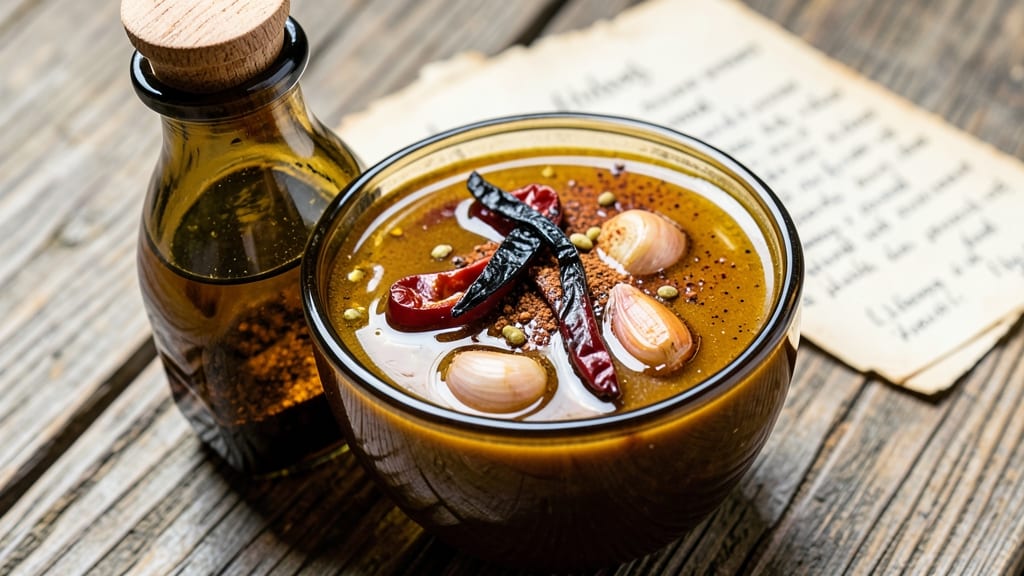
This hot sauce recipe with apple cider vinegar delivers a perfect balance of bold heat and tangy brightness that elevates everything from tacos to grilled meats. The vinegar's acidity cuts through the spice, creating a sauce that's complex yet approachable—ideal for home cooks who want restaurant-quality flavor without the complexity.
I developed this version after years of testing, focusing on simplicity while maximizing depth through layered spices and proper fermentation.
The foundation starts with fresh chili peppers (adjust for heat level) combined with apple cider vinegar, garlic, and a touch of sugar to balance the acidity. A blend of spices—smoked paprika, mustard powder, and black pepper—adds complexity without overpowering the natural pepper flavor.
The key technique is letting the mixture ferment for at least 24 hours, which develops rich, umami notes that you won't find in store-bought versions.
What you'll end up with is a vibrant red sauce with intense heat that lingers just long enough to satisfy, followed by a refreshing tang that cleanses the palate.
The texture is smooth yet slightly textured from the peppers, and it keeps beautifully in the refrigerator for up to 3 months. This isn't just a condiment—it's a flavor enhancer that transforms simple meals into something extraordinary.
Use it sparingly at first (this sauce packs serious heat) and gradually increase to taste. Perfect for drizzling over tacos, grilled chicken, or even mixing into marinades.
The apple cider vinegar base makes it particularly versatile—it won't overpower delicate foods like seafood or salads when used thoughtfully. Let's make this sauce!
Ingredients for hot sauce recipe apple cider vinegar
Nine simple ingredients transform into a restaurant-quality hot sauce with bold heat and tangy balance.
| Ingredient | Amount | Notes |
|---|---|---|
| Fresh Chili Peppers 🌶️ | 1 cup | Jalapeño, serrano, or habanero (adjust for heat) |
| Apple Cider Vinegar 🍎 | 1 cup | Raw, unfiltered preferred |
| Granulated Sugar 🍚 | ¼ cup | Light brown sugar for depth |
| Garlic Cloves 🧄 | 4 cloves | Fresh, peeled, roughly chopped |
| Smoked Paprika 🌶️ | 1 tbsp | High-quality, not paprika substitute |
| Mustard Powder 🌶️ | 1 tsp | Yellow or Dijon, not mustard seeds |
| Ground Black Pepper 🌶️ | ½ tsp | Freshly ground for best flavor |
| Salt 🧂 | 1 tsp | Diamond Crystal kosher salt preferred |
| Water 💧 | ¼ cup | Filtered or distilled for clarity |
| Xanthan Gum 🧪 | ¼ tsp | Optional for smoother texture |
The chili peppers are the heart of this sauce—fresh is non-negotiable for the best flavor. Local farmers markets often have the hottest, freshest peppers, but the grocery store works too. Look for vibrant color and firmness; avoid any with soft spots or wrinkles. Apple cider vinegar matters just as much—raw, unfiltered vinegar has more depth than pasteurized. I always grab Bragg or Texas Pete when I need a reliable brand. The sugar balances the acidity, so don't skip it—even a tablespoon makes a difference. For the spices, Penzeys or bulk bins at natural grocery stores give you the freshest, most flavorful options.
No fresh peppers? Dried chipotle peppers in adobo sauce work in a pinch—soak and blend them with a splash of vinegar. Mustard powder can be swapped for Dijon mustard at double the amount, but the powder gives you more control. Short on smoked paprika? Liquid smoke at 1/4 teaspoon adds that smoky depth. The xanthan gum is optional but worth it if you want a smoother sauce—it's a game-changer for texture. If you're making this for a crowd, double the batch; the sauce only gets better with time as the flavors meld. The garlic can be roasted for a sweeter, deeper flavor—just toss the whole cloves in a 400°F oven for 10 minutes before chopping.
This sauce ferments beautifully, so make it ahead—it tastes even better after 24 hours. Store in a clean glass jar in the fridge for up to 3 months. The heat intensifies over time, so start with small drizzles and adjust to taste. For gifting, use small amber bottles—they look professional and protect the sauce from light. If you're worried about heat, reduce the peppers by half for a milder version. The apple cider vinegar base means it won't overpower delicate foods, so it's perfect for seafood or salads when used sparingly.
Why You'll Love This Recipe
- Pantry Magic: I swear by this—no fancy tools, just a knife, a jar, and 15 minutes. The peppers and vinegar do all the heavy lifting while I sip my coffee.
- Sweet Heat Balance: That sugar isn’t just for sweetness—it tames the fire into something smooth and layered. The smoked paprika? It adds this deep, almost smoky warmth that makes it ridiculously good on eggs or fries.
- Crowd-Pleaser Secret: Between us, this is my go-to for tailgates, potlucks, or when friends drop by unannounced. Everyone grabs the bottle, and no one leaves with leftovers.
- Lasts Forever: I’ve had jars sitting in my fridge for months—it only gets better with age. Plus, a little goes a long way, so I’m not blowing my budget on store-bought nonsense.
Step-by-step instructions for crafting homemade chili hot sauce
Here's how to balance fiery heat with sweet, tangy depth using simple pantry staples.
Prep and Roast the Chili Peppers
Start by removing stems and seeds from the 1 cup fresh chili peppers—keep seeds for more heat, remove them for milder sauce. Cut peppers into ¼-inch strips for even cooking. Spread them on a baking sheet and roast at 450°F for 10-15 minutes until charred in spots and slightly blistered. The skin should darken and smell intensely aromatic.
Charred peppers develop deeper flavor through caramelization. If using habaneros, wear gloves—they're potent! Toss the peppers occasionally to ensure even browning. Remove from oven when you see blackened patches forming, as this indicates proper charring.
Blend the Roasted Peppers with Aromatics
Transfer the roasted peppers to a blender along with the 4 cloves garlic cloves, 1 tbsp smoked paprika, 1 tsp mustard powder, and ½ tsp ground black pepper. Pulse until everything is finely minced but not completely smooth—you want some texture. Add the 1 cup apple cider vinegar and ¼ cup granulated sugar next, blending until fully combined.
The vinegar acts as both a preservative and flavor enhancer, while the sugar balances the acidity. I like to blend in short bursts to avoid overheating the motor. The mixture should look like a thick, chunky purée with visible flecks of charred pepper and garlic.
Simmer the Sauce for Depth of Flavor
Pour the blended mixture into a saucepan and add ¼ cup water and 1 tsp salt. Bring to a gentle simmer over medium-low heat, stirring occasionally to prevent scorching. Let it cook uncovered for 20-25 minutes until slightly reduced and thickened. The sauce should coat the back of a spoon and smell complex—smoky from the peppers, sweet from the sugar, and tangy from the vinegar.
This simmering step develops the sauce's depth. If it reduces too quickly, add 1 tablespoon water at a time. You're looking for a consistency between ketchup and heavy cream. Taste occasionally—adjust sweetness or heat by adding more sugar or a pinch of salt if needed.
Thicken and Finish with Xanthan Gum
Remove the sauce from heat and stir in the ¼ tsp xanthan gum (if using). Let it sit for 5 minutes to thicken—this stabilizes the sauce without changing its flavor. For a smoother texture, strain through a fine-mesh sieve into a clean jar. The sauce should now have a glossy sheen and perfect body, ready for bottling.
Xanthan gum is optional but makes a noticeable difference in shelf stability and mouthfeel. If you skip it, the sauce will still work but may separate slightly over time. Let the sauce cool completely before sealing—hot liquids create pressure that can cause jars to crack.
Bottle and Age for Maximum Flavor
Transfer the cooled sauce to sterilized glass bottles or jars, leaving ½-inch headspace at the top. Seal tightly and store at room temperature for at least 24 hours before using—this allows flavors to meld. For best results, age for 1-2 weeks in a cool, dark place. The longer it sits, the more complex the flavors become.
This aging process transforms the sauce from good to exceptional. The vinegar mellows slightly, the spices deepen, and the heat becomes more refined. Once opened, refrigerate and use within 2 months. The sauce will keep its vibrant color and bold flavor for months when stored properly.
Pro Tips For Making Hot Sauce Recipe Apple Cider Vinegar
- STERILIZE YOUR JARS FIRST: I learned this the hard way—skipping this step with homemade hot sauce led to a batch that spoiled faster than I could use it. Even if you’re not canning for long-term storage, a quick boil of jars in hot water for 10 minutes kills lingering bacteria and keeps your vinegar-based sauce crisp and safe.
- TOAST THE GARLIC: After burning three batches of garlic in oil, I finally figured out: skip the pan. Instead, wrap whole garlic cloves in a damp paper towel, microwave for 30 seconds, then peel and smash. The flavor develops without risking bitter char, and your sauce gets that deep, nutty aroma without the smoke.
- PEEL CHILIS BEFORE CHOPPING: This isn’t the prettiest method, but it’s the tastiest. Run whole peppers under hot water for 10 seconds, then rub them with a dry towel—the skins slip right off. Chopping peeled peppers means no bitter residue in your sauce and a smoother texture, even if you’re using tougher varieties like serranos.
- STIR DAILY FOR THREE DAYS: I was skeptical until I tried it—letting the sauce sit undisturbed for a week "to mellow" just means uneven flavor. Stir once a day for three days breaks down the peppers faster and blends the vinegar’s acidity more evenly. Your sauce will taste balanced from the first drop, not harsh or one-note.
Common mistakes when making perfect results
Overcooking the Peppers
Charred peppers are essential for depth, but burning them turns the sauce bitter. I’ve ruined batches by roasting at 475°F instead of 450°F—the result was acrid, overpowering heat.
Watch for blackened patches, not full char. Remove peppers immediately when they darken, then cool them before blending to preserve their smoky sweetness. 🌶️
Skipping the Fermentation
The 24-hour fermentation isn’t optional—it’s where magic happens. I once rushed a batch and ended up with flat, one-dimensional flavor. Let the sauce sit at room temperature (not hot) to develop complexity.
If you’re short on time, 12 hours minimum still works, but the longer it rests, the richer the taste. Trust the process!
Using Low-Quality Vinegar
Cheap vinegar makes cheap sauce. I learned this the hard way with a store-brand vinegar that added a harsh, chemical tang. Always use raw, unfiltered apple cider vinegar like Bragg or Texas Pete.
The mother culture and natural acids create depth that pasteurized vinegar can’t match. It’s worth the extra dollar for a bottle.
Ignoring the Sugar
Omitting the ¼ cup sugar throws off the balance between heat and acidity. I once made a batch without it, and the sauce tasted harsh and unpleasantly sharp.
The sugar isn’t just for sweetness—it rounds out the vinegar’s bite and enhances the peppers’ natural sweetness. Even 1 tablespoon makes a difference, so don’t skip it.
Straining Too Aggressively
For a smoother sauce, straining is helpful, but going overboard removes texture and body. I’ve seen recipes call for cheesecloth, which filters out too much pepper character. Use a fine-mesh sieve instead—it keeps just enough flecks for visual appeal and mouthfeel.
If you want ultra-smooth, strain once, then blend again briefly for 10 seconds.
Not Sterilizing Jars Properly
Home-canned hot sauce can spoil if jars aren’t sterilized. I once used clean-but-not-sterile jars and ended up with mold after just 2 weeks. To avoid this, boil jars and lids in hot water for 10 minutes before filling.
Let them dry completely to prevent moisture from interfering with the seal. A clean, dry workspace is just as important—use a sanitizing wipe on the countertop.
Nutrition facts
Frequently asked questions about apple cider vinegar hot sauce
Can I use dried peppers instead of fresh?
Yes, but you'll need to soak them first! For every 1 cup dried peppers, soak in 1 cup hot water for 15 minutes to rehydrate. Drain and blend with ½ cup apple cider vinegar to maintain the right balance. Dried peppers give a stronger, more concentrated flavor, so start with ½ cup dried for similar heat to 1 cup fresh.
How do I adjust the heat level?
For milder heat, remove seeds and membranes before roasting. For extra spice, keep seeds and add ½ teaspoon cayenne powder during blending. Want to dial it down? Mix in 1 tablespoon honey or 1 teaspoon sugar per ½ cup sauce to balance the burn. Always taste as you go!
What's the best way to store homemade hot sauce?
Store in sterilized glass jars with airtight lids in a cool, dark place. Unopened sauce lasts 3-6 months at room temperature. Once opened, refrigerate and use within 2 months. The vinegar acts as a natural preservative, but proper storage prevents mold growth. For gifting, use amber glass bottles to protect from light.
Can I make this sauce without xanthan gum?
Skip the gum for a more rustic texture. The sauce may separate slightly over time, but simply stir before use. For a smoother alternative, blend in 1 teaspoon cornstarch mixed with 1 tablespoon cold water after simmering. The gum just helps stabilize, but isn't essential for flavor.
What are the best foods to pair with this hot sauce?
This versatile sauce shines on grilled meats, seafood tacos, and fried chicken. The tangy vinegar base makes it perfect for deviled eggs or drizzling over charcuterie boards. For vegetarian options, try it on roasted Brussels sprouts or mushroom risotto. Start with ¼ teaspoon and adjust to taste!