
Sauces & Condiments
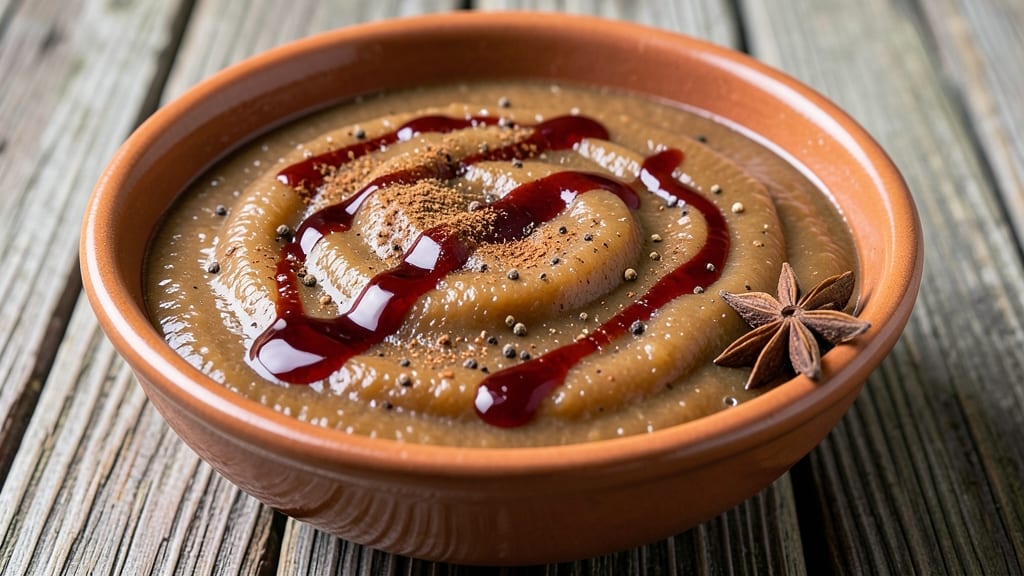
This old-fashioned applesauce recipe delivers the cozy, spiced comfort of homemade sauce without refined sugar—just sweet apples, warm spices, and a simple stovetop simmer. The secret lies in balancing cinnamon, nutmeg, and allspice, which transform tart apples into a velvety, spreadable sauce perfect for toast, oatmeal, or pairing with pork.
I developed this version after years of testing, ensuring every spoonful carries that nostalgic autumn flavor without added sweeteners.
The process is straightforward but rewarding: peeled apples simmered until tender, then crushed to your preferred texture—smooth for dipping or slightly chunky for rustic appeal. A pinch of salt enhances the spice profile, while a splash of apple cider vinegar brightens the finished sauce.
What you’ll end up with is a versatile condiment that tastes like a hug in a jar, with none of the artificial ingredients found in store-bought versions.
This applesauce keeps beautifully for up to two weeks in the refrigerator, making it ideal for meal prep or holiday gifting. The natural sweetness from ripe apples shines through, while the spices deepen over time, creating a richer flavor profile with each passing day.
Whether you’re spreading it on pancakes or using it to glaze ham, this recipe proves homemade always tastes better.
For added convenience, you can adapt this method for a slow cooker—just set it to low heat for 6-8 hours. The slow simmer intensifies the apple flavor and softens the texture effortlessly.
Perfect for busy mornings or when you want to free up stovetop space, this variation delivers the same comforting results with minimal effort.
Ingredients for old fashioned apple sauce
Eight simple ingredients transform tart apples into nostalgic, spiced applesauce—no sugar required.
| Ingredient | Amount | Notes |
|---|---|---|
| Apples (Mixed Varieties) 🍎 | 4 lb | Peeled, cored, and quartered |
| Apple Cider Vinegar 🍏 | 2 tbsp | White or golden variety |
| Granulated Sugar (Optional) 🍚 | ¼ cup | Only if tart apples needed |
| Ground Cinnamon 🌿 | 1 tsp | Freshly ground preferred |
| Ground Nutmeg 🌿 | ½ tsp | Freshly grated nutmeg best |
| Ground Allspice 🌶️ | ¼ tsp | Or 1 whole allspice berry |
| Salt 🧂 | ¼ tsp | Kosher or sea salt |
| Water 💧 | ½ cup | For simmering, if needed |
The apples are everything here. Mixed varieties like McIntosh and Honeycrisp balance sweetness and tartness perfectly. Local farmers markets often have the best selection, but any grocery store produce section works. Look for firm apples with vibrant color—avoid those with bruises or soft spots. I always buy a mix of red and green apples to balance flavors. If your apples are particularly tart (like Granny Smith), that optional sugar comes into play—just a quarter cup max. The spice blend is key: cinnamon for warmth, nutmeg for depth, and allspice for complexity. Penzeys or bulk bins at natural grocery stores have the best quality spices.
No apple cider vinegar? Lemon juice works in a pinch, though the flavor will be slightly different. Short on cinnamon? Cardamom or ginger can add warmth, but stick to the classic trio for that old-fashioned taste. Want to skip sugar completely? Ripe, sweet apples like Fuji or Gala will carry the dish. The water is just for simmering—some apples release more liquid than others, so you might not need it all. For texture, leave a few slightly larger apple pieces whole while crushing the rest. The slow cooker method? Just add the same ingredients and let it simmer on low for 6-8 hours—no stirring required.
Applesauce tastes even better the next day as flavors meld. Store in an airtight container in the fridge for up to 2 weeks. For longer storage, freeze in ice cube trays or small jars—perfect for smoothies or baking. The spices deepen over time, so don’t be afraid to make a big batch. I always double the recipe for holiday gifting—it’s a crowd-pleaser that feels special without being complicated. If it thickens too much, just stir in a splash of water or apple juice to reach your preferred consistency.
Why You'll Love This Recipe
- No Peel Required: I swear by this trick—just toss whole apples into boiling water with the vinegar, and they soften like magic. No peeling, no coring, just hands-off simplicity while the spices steep into that warm, spiced aroma.
- Spice & Vinegar Magic: That tangy kick from apple cider vinegar cuts through the sweetness just right, while a pinch of nutmeg adds depth. It’s the kind of balance that makes you want to eat it straight from the pot—no shame here.
- Pantry Staple Power: Honestly, if you’ve got apples and spices, you’re golden. No fancy equipment, no last-minute grocery runs. I’ve made this with whatever apples were on sale, and it’s still spot-on every time.
- Leftovers That Last: This sauce keeps beautifully in the fridge for weeks, and it’s perfect for breakfast toast, baking, or even dolloping on yogurt. My kids ask for it more than ice cream—between us, that’s saying something.
Step-by-step instructions for homemade applesauce
Here's how to make classic applesauce that's perfect for dipping, topping, or serving with meals.
Prepare the Apples
Start by peeling, coring, and quartering the 4 lb apples (mixed varieties). I like to use a mix of sweet and tart apples for balance—think Honeycrisp with a touch of Granny Smith. Cut them into ½-inch chunks for even cooking. You'll end up with about 6-8 cups of prepared apple pieces.
Place the chopped apples in a large bowl and sprinkle with 2 tbsp apple cider vinegar. Toss gently to coat—this helps preserve color and adds subtle tang. Let them sit for 10 minutes while you get everything else ready. This step prevents browning and gives the applesauce that bright, inviting look.
Simmer the Apples
Transfer the apples to a large, heavy-bottomed pot. Add 0.5 cup water and bring to a boil over medium-high heat. Once boiling, reduce heat to medium-low and let it simmer uncovered for 15-20 minutes, stirring occasionally. You're looking for the apples to soften completely—they should collapse easily when pressed with a fork.
Here's the thing—don't rush this step. If you see the apples aren't soft enough after 20 minutes, add another 2 tbsp water and continue simmering. The goal is silky texture, not mushy. If the mixture looks too dry, add just enough water to keep it moist but not soupy.
Add Spices and Sweeten
Once the apples are perfectly soft, stir in 1 tsp ground cinnamon, 0.5 tsp ground nutmeg, 0.25 tsp ground allspice, and 0.25 tsp salt. I like to use freshly ground spices—they make a noticeable difference in flavor. If you're using tart apples, now's the time to add the 0.25 cup granulated sugar (optional), stirring until dissolved.
Let the mixture simmer for another 5-10 minutes to allow the spices to bloom and flavors to meld. You'll know it's ready when the sauce smells rich and aromatic. If you're making this ahead, you can skip the sugar and add it later when serving—it keeps better without it.
Mash and Finish
Use a potato masher or wooden spoon to mash the apples to your preferred consistency. I like mine slightly chunky—just smooth enough to coat the back of a spoon. For extra-smooth applesauce, you can press it through a fine-mesh sieve after mashing. Taste and adjust seasoning if needed.
Let the applesauce cool to room temperature, then transfer to airtight containers. It keeps well in the refrigerator for up to 1 week or can be frozen for 3 months. This makes a wonderful gift too—just package in small jars with a ribbon.
Serve and Enjoy
Serve the applesauce warm with cinnamon sprinkled on top, or chill it for a refreshing side dish. It pairs beautifully with roasted meats, pancakes, or even as a topping for yogurt. The spice blend makes it especially comforting during cooler months.
Real talk: the longer it sits, the better the flavors develop. If you can wait, let it rest for 1 hour before serving—this lets all those warm spices really shine. Store leftovers in the fridge and reheat gently on the stove with a splash of water if needed.
Pro Tips For Making Old Fashioned Apple Sauce
- PEEL AND CORE FAST: Use a sharp paring knife and cut apples in half straight down through the core—no peeling needed for old-fashioned sauce. The skins add texture and flavor, but if you’re picky, just peel a few slices for visual appeal (no one’s judging, but it’s nice).
- SIMMER LOW AND SLOW: Start with a hard boil, but once the apples break down, drop the heat to a gentle simmer. I learned this the hard way—high heat turns the sauce into glue. Twenty minutes at a low simmer is all it takes for the perfect balance of smooth and chunky.
- VINEGAR FIRST, NOT LAST: Add the apple cider vinegar at the start, not when you’re done. It keeps the apples from browning too fast and adds brightness early, so you don’t have to rely on sugar to cut the tartness. Plus, it’s less likely to evaporate if you’re distracted (like I always am).
- SWEETEN SPARINGLY: Skip the sugar unless you’re making it for kids or a dessert. The natural sweetness of apples and the vinegar’s tang are enough—trust me, I’ve over-sweetened it twice. If you add sugar, taste as you go; it’s easier to fix than to undo.
Common mistakes when making perfect results
Overcooking Apples
One of the most common mistakes is simmering apples too long, turning them into mush instead of a velvety sauce. I’ve seen this happen when people keep the heat too high or don’t check for doneness. Apples should soften completely in 15-20 minutes over medium-low heat.
If they’re still firm after that, add 2 tbsp water and continue simmering—don’t crank up the heat. Overcooked applesauce loses its natural sweetness and becomes bland. 🍎
Skipping the Vinegar
Many recipes omit apple cider vinegar, but it’s a game-changer for preserving color and adding brightness. The 2 tbsp vinegar I use prevents browning and balances the sweetness. If you skip it, your applesauce might turn grayish and taste flat.
For a quick fix, add 1 tbsp lemon juice if you’re in a pinch, but the tang won’t be as refined.
Using Only One Apple Variety
A mix of sweet and tart apples is key—like Honeycrisp with a touch of Granny Smith. Using only tart apples (like all Granny Smith) can make your sauce taste sour, even with sugar.
If you’re stuck with one variety, balance it with a pinch more cinnamon or a splash of apple juice. The goal is harmony, not overpowering tartness.
Ignoring the Spice Bloom
Rushing the spice step is a big mistake. After adding cinnamon, nutmeg, and allspice, let the mixture simmer for 5-10 minutes to let the flavors meld. Skipping this step means your spices will taste disjointed.
I like to stir occasionally and take a sniff—when it smells rich and aromatic, it’s ready. Patience here makes all the difference.
Not Adjusting for Tartness
Some apples are naturally tart, and adding sugar isn’t always the answer. If your applesauce tastes too sharp, try balancing it with a pinch of salt or a splash of apple cider vinegar instead.
The 0.25 tsp salt in my recipe enhances the spices and rounds out flavors without sweetening. Trust your taste buds—adjust as you go!
Mashing Too Early
Mashing apples before they’re fully tender leads to a grainy texture. Wait until they’re completely soft and collapse easily when pressed with a fork. If you’re in a hurry, add a splash of water to help break them down, but avoid over-mashing.
For a smoother sauce, press through a fine-mesh sieve after mashing—just don’t skip the tenderizing step first. 💫
Nutrition facts
Frequently asked questions
Can I make this old-fashioned applesauce without sugar?
The recipe works beautifully with naturally sweet apples like Fuji or Gala. If using tart varieties like Granny Smith, balance with a pinch of salt or a splash of apple cider vinegar instead. The spices will enhance the natural sweetness over time as it sits.
What's the best way to store homemade applesauce?
Transfer to an airtight container and refrigerate for up to 2 weeks. For longer storage, freeze in ice cube trays or small jars for 3 months. The flavors actually improve after 24 hours as the spices meld. Just reheat gently on the stove with a splash of water if needed.
Can I use a slow cooker for this recipe?
Yes! Combine all ingredients in your slow cooker and cook on low for 6-8 hours or high for 3-4 hours. The slow method intensifies the apple flavor and softens the texture perfectly. Just stir occasionally and check for doneness. No stirring required for the full time!
How do I adjust the texture to be smoother?
For extra-smooth applesauce, mash the apples first, then press through a fine-mesh sieve to remove any remaining chunks. If it's too thick, stir in 1-2 tbsp water or apple juice until you reach your preferred consistency. The key is fully tender apples before mashing.
What are the best apples to use for maximum flavor?
A mix of sweet and tart varieties works best—try Honeycrisp with Granny Smith or McIntosh with Gala. Local apples often have better flavor than store-bought. Avoid overly soft or bruised apples—they can make the sauce watery. The right balance creates that perfect old-fashioned taste.