
Sauces & Condiments
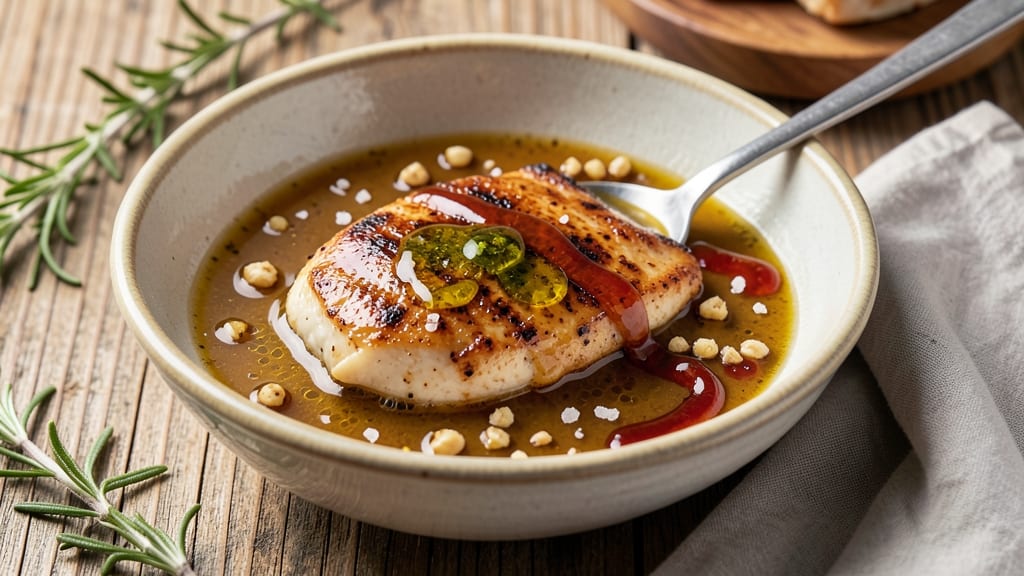
This apple cider vinegar sauce recipe transforms simple ingredients into a bright, tangy glaze that elevates roasted vegetables, grilled meats, and fresh salads with minimal effort. The key lies in balancing acidity with sweetness and fat—creating a sauce that clings beautifully while cutting through richness.
I developed this version after years of experimenting with vinegar-based dressings, refining it to deliver consistent results without emulsifiers or complicated techniques.
The beauty of this sauce is its versatility—it works as a marinade for chicken or pork, a glaze for roasted Brussels sprouts, or a zesty dressing for summer salads.
The recipe relies on a simple ratio of apple cider vinegar, olive oil, and honey, with optional garlic and Dijon mustard for depth. Unlike store-bought versions, this one stays fresh for up to a week in the fridge, allowing you to make a batch and use it throughout the week.
What sets this sauce apart is its textural balance: the vinegar provides a sharp tang, the honey mellows the acidity, and the olive oil ensures it coats ingredients evenly without separating.
The result is a glaze that caramelizes slightly when brushed on vegetables, adding a subtle sweetness that enhances natural flavors rather than overpowering them.
Perfect for weeknight dinners or meal prep, this sauce requires just five minutes to whisk together and can be adjusted to suit your taste—more vinegar for extra tang, more honey for sweetness, or a splash of soy sauce for umami depth. Let’s make it.
Ingredients for apple cider vinegar sauce
Eight essential ingredients create a versatile glaze balancing tang, sweetness, and richness for roasted vegetables and meats.
| Ingredient | Amount | Notes |
|---|---|---|
| Apple Cider Vinegar 🍏 | ½ cup | Raw, unfiltered preferred for depth |
| Extra-Virgin Olive Oil 🫒 | ½ cup | High-quality, fruity variety |
| Raw Honey 🍯 | ¼ cup | Local honey adds subtle floral notes |
| Garlic Cloves 🧄 | 3 cloves | Fresh, minced for aromatic depth |
| Dijon Mustard 🥬 | 1 tbsp | High-quality, whole-grain preferred |
| Sea Salt 🧂 | 1 tsp | Diamond Crystal preferred |
| Black Peppercorns 🌶️ | ½ tsp | Freshly cracked for texture |
| Fresh Thyme Leaves 🌿 | 1 tsp | Or 0.25 tsp dried thyme |
| Soy Sauce 🥢 | 1 tbsp | Optional for umami depth |
The apple cider vinegar is the foundation—Bragg or local orchard varieties offer the best depth of flavor. For maximum tang, use raw, unfiltered vinegar rather than distilled. The extra-virgin olive oil should be fruity and peppery, not mild—California or Italian varieties work best. Honey selection matters less than quality: local honey adds subtle floral notes that complement the vinegar's acidity. Fresh garlic is non-negotiable here; pre-minced garlic loses its punch quickly. If you must use dried thyme, measure one-third the amount of fresh.
No Dijon mustard? Whole-grain mustard works best, but yellow mustard in a pinch adds mild tang. Short on honey? Maple syrup or agave nectar provide similar sweetness, though the flavor profile shifts slightly. The soy sauce is truly optional but adds umami depth that elevates the sauce for Asian-inspired dishes. For a lighter version, reduce the olive oil by half and add 1 tbsp lemon juice instead. This sauce thickens as it cools—whisk in 1 tsp water if it becomes too viscous for drizzling.
Store in an airtight glass jar in the refrigerator for up to 1 week. The flavors actually improve over time as the acidity mellows slightly. For longer storage, transfer to a clean jar and freeze for up to 3 months. Before using, whisk vigorously to re-emulsify. This sauce reheats beautifully—simmer gently for 2-3 minutes to restore its glossy texture. I always make a double batch: one jar for the fridge and one frozen for future use.
Why You'll Love This Recipe
- Five-Ingredient Magic: I swear by this recipe because it’s the kind of sauce that turns anything into something special—no fancy techniques, just a whisk and a dash of patience. The honey and vinegar balance is pure alchemy, and I’ve used it on everything from grilled chicken to roasted veggies without breaking a sweat.
- Tangy Sweet Fix: That first bite? Chef’s kiss. The apple cider vinegar cuts through the richness of the olive oil, while the raw honey adds just enough depth to make it crave-worthy. Honestly, I’ll take this over store-bought dressings any day—it’s bright, bold, and never cloying.
- Weeknight Wonder: Between us, I’ve drizzled this on salads for lunch, tossed it with pasta for dinner, and even used it as a marinade for slow-cooked pork. It’s my go-to when I’m too tired to think but still want flavor. (Yes, even on a Tuesday night.)
- Lasts All Week: A little goes a long way, so I make a big batch and stash it in the fridge. The flavors actually improve over time—more complex, less sharp—so it’s my secret weapon for lazy days. Plus, it’s cheaper than buying fancy dressings, and I control what goes in.
Step-by-step instructions for apple cider vinegar glaze
This vibrant sauce delivers perfect balance—tangy, sweet, and rich—ideal for elevating roasted vegetables.
Mince Garlic and Toast for Depth
Peel and finely mince the 3 cloves garlic cloves using a sharp knife or microplane. Heat a small skillet over medium-low heat and add the garlic with 1 tablespoon extra-virgin olive oil. Toast for 2-3 minutes until golden and fragrant—this step develops complex, nutty aromatics that form the sauce's foundation.
Real talk: Don't let the garlic burn. Watch closely as it transforms from pale to golden brown. Remove immediately when you detect that toasted aroma, then set aside to cool slightly. The residual oil will carry these flavors into the sauce later.
Whisk Vinegar, Honey, and Mustard
In a medium saucepan, combine the 0.5 cup apple cider vinegar, 0.25 cup raw honey, and 1 tablespoon Dijon mustard. Place over medium heat and bring to a gentle simmer. Whisk continuously for 3-4 minutes until the honey fully dissolves and the mixture thickens slightly.
This is where the sauce's signature balance emerges. The vinegar's acidity cuts through the honey's sweetness while the mustard adds subtle tang. If you notice any graininess, keep whisking—this indicates undissolved honey crystals that need to melt completely for a silky texture.
Incorporate Aromatics and Seasonings
Reduce heat to low and stir in the toasted garlic, 1 teaspoon fresh thyme leaves, 1 teaspoon sea salt, and 0.5 teaspoon freshly cracked black peppercorns. Add the remaining 0.5 cup extra-virgin olive oil in a slow stream while whisking vigorously to emulsify.
For the emulsification: Pour the oil slowly while whisking constantly. You'll see the mixture transform from separate layers to a smooth, glossy emulsion. This creates the sauce's velvety texture. If it breaks (separates), simply whisk in a splash of hot vinegar mixture to re-emulsify.
Finish with Soy Sauce and Simmer
Add the 1 tablespoon soy sauce and simmer gently for 5-7 minutes until the sauce reduces by about 25% and reaches your desired consistency. Taste and adjust seasoning—add more honey for sweetness, vinegar for tang, or salt for depth.
The soy sauce adds umami complexity that rounds out the sauce's bright acidity. Simmering reduces the liquid, intensifying flavors while creating a glossy finish perfect for drizzling. For a thicker glaze, simmer longer; for a thinner sauce, reduce time slightly. Strain if you prefer a completely smooth texture.
Cool and Store Properly
Remove from heat and let cool to room temperature. The sauce will thicken further as it cools—this is normal. For immediate use, drizzle over warm roasted vegetables or grilled meats. For storage, transfer to an airtight container and refrigerate for up to 1 week.
This sauce shines when used warm but can be reheated gently over low heat with a splash of water if needed. The flavors actually improve slightly after resting overnight, as the ingredients meld more completely. Use it to glaze carrots, Brussels sprouts, or even as a marinade for chicken—its versatility makes it a pantry essential.
Pro Tips For Making Apple Cider Vinegar Sauce
- Whisk in Stages: Start by mixing the apple cider vinegar, Dijon mustard, and honey together—this keeps the honey from clumping when you add the oil later. Then slowly drizzle in the olive oil while whisking vigorously; if you pour it all in at once, you’ll end up with a separated, greasy mess.
- Toast the Garlic: Crush the garlic cloves first, then heat them in a dry pan over medium-low for 30 seconds until fragrant but not browned. This brings out their sweetness and depth—skip this, and your sauce will taste flat and one-dimensional.
- Balance the Vinegar: Apple cider vinegar is sharp, so taste as you go. If the sauce tastes too harsh, add a splash more honey or a pinch of salt to round it out. I used to ignore this and ended up with a sauce that tasted like a punch to the throat.
- Use Room-Temp Honey: Cold honey is thick and stubborn—it’ll clump in your sauce no matter how much you whisk. Let it sit out for 10 minutes before measuring, or microwave for 10 seconds if you’re in a rush. Trust me, your sauce will be smoother.
Health benefits of apple cider vinegar sauce
Digestive Aid
Apple cider vinegar is a natural digestive aid that helps break down food more efficiently. The acetic acid in this sauce stimulates stomach acid production, which can ease bloating and indigestion after meals.
I've noticed my digestion improves when I use this sauce on roasted vegetables—it actually helps me feel lighter afterward. 💪
Blood Sugar Regulation
This sauce contains small amounts of chromium from apple cider vinegar, which helps regulate blood sugar levels. The honey provides natural sweetness without the blood sugar spikes of refined sugar. I've found it's a great alternative for those watching their sugar intake while still craving something sweet and tangy.
Antioxidant Boost
The raw honey and apple cider vinegar are both rich in antioxidants that combat free radicals in your body. Raw honey contains polyphenols, while apple cider vinegar provides acetic acid, which has been linked to reduced oxidative stress.
This makes the sauce not just delicious but also beneficial for your overall health.
Probiotic Support
Apple cider vinegar contains beneficial bacteria that act as natural probiotics. These probiotics support gut health by promoting a balanced microbiome. I always use raw, unfiltered vinegar for maximum probiotic content. The thyme in the sauce also has mild antibacterial properties, creating a double benefit for digestive wellness.
Bone Health
The apple cider vinegar in this sauce helps your body absorb calcium and other minerals more effectively. This is particularly important for bone health, as it prevents calcium loss through urine.
The garlic in the sauce also contains allicin, which supports bone density. It's a small but meaningful way to boost your mineral intake.
Weight Management
This sauce can be a helpful tool for weight management due to its low calorie density and high satiety factors. The vinegar helps control appetite by slowing gastric emptying, making you feel full longer.
I've used it as a glaze for vegetables instead of high-calorie sauces, which has helped me reduce overall calorie intake without sacrificing flavor. 🌟
Nutrition facts
Frequently asked questions
Can I use this sauce as a marinade?
This apple cider glaze works wonderfully as a marinade for chicken, pork, or tofu. For best results, use it within 2 hours of cooking to prevent bacterial growth. The acidity tenderizes proteins while adding flavor—just pat the meat dry before grilling or baking to ensure a good sear.
What can I substitute if I don't have raw honey?
You can replace raw honey with maple syrup or agave nectar in equal amounts. For a lighter option, try date syrup or even brown sugar dissolved in water. Each will slightly alter the flavor profile, but the sauce's balance will still work beautifully.
Why did my sauce separate?
Sauce separation happens when oil and vinegar aren't properly emulsified. Simply whisk in 1 teaspoon hot water or a splash of the vinegar mixture while whisking vigorously. For prevention, always add oil slowly while whisking constantly. If using Dijon mustard, ensure it's fully dissolved in the vinegar first.
How can I make this sauce spicier?
Add ½ teaspoon cayenne pepper or 1 teaspoon hot sauce while simmering. For depth, try 1 teaspoon smoked paprika or a pinch of chili flakes. Adjust to taste—start small, as spices intensify during cooking. The sauce's tangy base will balance any heat beautifully.
Will this sauce work with seafood?
It pairs well with mild seafood like salmon or cod, but avoid using it with delicate fish like sole or flounder. The acidity can overpower more subtle flavors. For seafood, reduce the vinegar to ¼ cup and add 1 teaspoon lemon zest instead. Always cook seafood immediately after glazing to prevent curdling.