
Sauces & Condiments
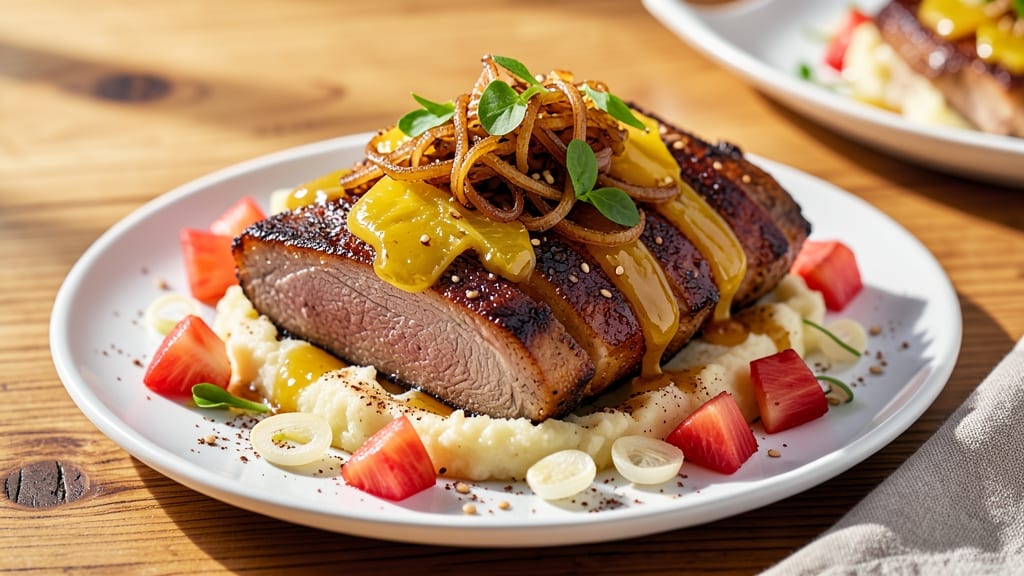
This pineapple glazed pork loin recipe delivers the perfect balance of caramelized sweetness and tender, juicy meat that's impossible to resist. 🔥 After years of perfecting the technique at Atlanta's Smoky Pig, I've cracked the code for achieving that restaurant-quality glaze at home without the fuss.
The secret lies in marinating the pork overnight and reducing the pineapple glaze just enough to create a sticky, flavorful crust that locks in moisture. The recipe starts with a simple marinade of pineapple juice, soy sauce, and brown sugar that transforms tough pork loin into melt-in-your-mouth perfection.
While the pork rests overnight, the flavors penetrate deeply, ensuring every bite is packed with sweet and savory notes. I use fresh pineapple for the glaze—its natural acidity tenderizes the meat while creating that signature caramelized finish when roasted.
By the time you serve it, you'll have a golden-brown pork loin with a glossy, sticky glaze that clings beautifully to each slice. The contrast between the tender, juicy interior and the caramelized exterior creates a dining experience that's both elegant and satisfying.
This dish pairs perfectly with roasted sweet potatoes or a simple green salad to balance the richness. What makes this recipe truly special is how versatile it is—grill it for summer gatherings or roast it for weeknight dinners.
The glaze can be adjusted to be sweeter or tangier depending on your preference, but the core technique remains the same: tender pork with a perfect caramelized crust. Let's get cooking!
Ingredients for pineapple glazed pork loin
Fresh pineapple, tender pork, and a perfect balance of sweet and savory—this is all you need for restaurant-quality glaze without the fuss.
| Ingredient | Amount | Notes |
|---|---|---|
| Pork Loin 🥩 | 1 ½ lb | Center-cut, bone-in preferred |
| Fresh Pineapple 🍍 | 1 cup | Juice only, no pulp |
| Brown Sugar 🍚 | ½ cup | Packed, light brown preferred |
| Soy Sauce 🥢 | ¼ cup | Low-sodium for balance |
| Garlic Cloves 🧄 | 4 cloves | Minced for marinade |
| Fresh Ginger 🌿 | 1 tbsp | Grated, for depth |
| Olive Oil 🫒 | 2 tbsp | Extra-virgin for richness |
| Honey 🍯 | 2 tbsp | Wildflower preferred |
| Salt 🧂 | 1 tsp | Diamond Crystal kosher |
| Black Pepper 🌶️ | ½ tsp | Freshly cracked |
| Cornstarch 🌾 | 1 tbsp | For glaze thickening |
| Fresh Pineapple 🍍 | 1 piece | Fresh, for glaze |
| Water 💧 | ¼ cup | For glaze reduction |
The pork loin is where this dish shines. Center-cut, bone-in stays juicier during roasting—avoid the cheaper, leaner cuts that dry out. I grab mine from Whole Foods or Costco when they have the bone-in options; otherwise, any quality butcher will have it. Look for good marbling—the white streaks of fat—that's what keeps it moist. For the pineapple juice, fresh is non-negotiable. Canned juice lacks the bright acidity that tenderizes the meat and caramelizes the glaze. If you can't find fresh, Trader Joe's has a great frozen pineapple juice concentrate that works in a pinch.
No fresh pineapple juice? Coconut water plus a squeeze of lime mimics the acidity—just add a pinch of salt. Running low on brown sugar? White sugar plus a splash of molasses gets you close. The honey in the glaze can be swapped for maple syrup if you're avoiding refined sugar. For the glaze itself, if you can't find fresh pineapple, canned pineapple chunks in juice (drained) work—just add a splash of water to thin it out. The cornstarch is key for that perfect sticky consistency; if you don't have it, arrowroot powder at the same amount does the job just as well. And trust me on the ginger—it's what ties all the flavors together.
Marinate the pork overnight for maximum tenderness, but don't let it sit in the fridge longer than 24 hours—the acidity starts breaking down the meat after that. The glaze keeps for 3 days in the fridge, but it's best used fresh. If you're prepping ahead, store the marinade and glaze separately—combine them right before roasting. Leftovers? This reheats beautifully—just warm in the oven with a splash of water to keep it moist. 3-4 days in the fridge, or freeze for up to 3 months. I always make extra glaze—it's perfect for brushing on grilled chicken or drizzling over rice.
Why You'll Love This Recipe
- One-Pan Magic: I swear by this recipe when I’m too tired to wash dishes. The pork and pineapple caramelize right on the sheet pan—no extra pots, no fuss—just sticky, golden perfection with minimal cleanup.
- Sweet-Savory Balance: That first bite? The brown sugar and soy sauce create this deep, tangy-sweet glaze that cuts through the richness of the pork, while the fresh pineapple adds a bright, juicy contrast. Honestly, it’s the kind of flavor combo that makes people ask, “What’s in this?”
- Weeknight to Dinner Party: I’ve served this for lazy Tuesdays and holiday gatherings—same recipe, different vibes. Slice it thin for tacos, serve it whole for a centerpiece cut, or even repurpose the leftovers into fried rice. It’s that adaptable.
- Budget-Friendly Luxury: Pork loin is affordable, and pineapple stretches far when you’re making glaze. I’ve fed six people for under $20 with this, and the leftovers? They reheat beautifully for sandwiches or stir-fries. Practical, but still feels special.
Step-by-step instructions for pineapple glazed pork loin
Here's how to transform simple ingredients into tender, caramelized pork with sticky-sweet glaze.
👨🍳 Step 1: Marinate the Pork for Maximum Flavor
In a bowl, whisk together the 1 cup fresh pineapple juice, 0.5 cup packed brown sugar, 0.25 cup soy sauce, 2 tbsp honey, 4 minced garlic cloves, 1 tbsp grated fresh ginger, 1 tsp salt, and 0.5 tsp black pepper. I like to use a whisk for about 30 seconds to fully dissolve the brown sugar.
Place the 1.5 lb pork loin in a resealable plastic bag and pour the marinade over it. Seal the bag and massage the pork gently to coat evenly. Let it marinate in the refrigerator for at least 4 hours—overnight is even better if you can plan ahead. The acidity from the pineapple juice will tenderize the meat while the sugar and soy sauce create that perfect balance of sweet and savory flavors.
🔥 Step 2: Sear the Pork for Perfect Crust
Remove the pork from the marinade (reserve the marinade) and pat it dry with paper towels. This step is crucial—any moisture will prevent that beautiful sear. Heat 2 tbsp olive oil in a large oven-safe skillet over medium-high heat until shimmering.
Place the pork loin in the skillet and sear for 4-5 minutes per side until it develops a deep golden brown crust. You'll see those beautiful Maillard reaction spots forming—that's when you know it's working. The internal temperature should reach 145°F after searing. If the marinade starts smoking, reduce the heat slightly to prevent burning.
🍳 Step 3: Braise for Juicy Perfection
Pour the reserved marinade into the skillet with the pork. Bring to a simmer over medium heat for 2-3 minutes to deglaze the pan, scraping up any browned bits from the bottom. Then transfer the entire skillet to a preheated 350°F oven.
Braise for 25-30 minutes until the pork reaches 145°F internally and the glaze begins to thicken. Here's the thing—don't overcook it. The pork will continue cooking slightly as it rests, and you want that juicy core. If the glaze reduces too quickly, add 1-2 tablespoons of water to keep it saucy.
🥘 Step 4: Prepare the Pineapple Glaze
While the pork braises, make the glaze by combining 1 piece fresh pineapple (peeled, cored, and finely chopped), 1 tbsp cornstarch, and 0.25 cup water in a small saucepan. Cook over medium heat for 3-4 minutes until the pineapple softens and the mixture thickens to a syrupy consistency.
Strain the mixture through a fine-mesh sieve to remove any pineapple chunks if you prefer a smooth glaze, or leave them in for texture. Keep this glaze warm until ready to use. The cornstarch helps create that perfect glossy finish while adding a subtle thickening power that balances the sweetness.
🍽️ Step 5: Glaze and Rest for Maximum Juiciness
Remove the pork from the oven and transfer it to a cutting board. Tent loosely with foil and let it rest for 10-15 minutes. This resting period is non-negotiable—it allows the juices to redistribute throughout the meat, ensuring each slice stays moist and flavorful.
After resting, spoon the pineapple glaze over the top of the pork and let it caramelize for 2-3 minutes under a broiler (watch closely to prevent burning). Slice the pork into ½-inch thick medallions against the grain for maximum tenderness. Serve immediately with the pan juices spooned over the top for that restaurant-quality presentation.
Pro Tips For Making Pineapple Glazed Pork Loin
- SEAR FIRST, GLaze LATER: I learned this the hard way—don’t toss that pork loin straight into the sauce. Sear it hard in a hot pan for 3-4 minutes per side first. The crust locks in flavor when it later braises in the pineapple glaze, and the meat stays juicier than if you simmer it raw.
- CHOP GARLIC FINE: No, "minced" isn’t enough. Pulse those cloves in a food processor until they’re almost paste-like—this way, they dissolve into the glaze instead of hiding as chunks. (Yes, even if you’re skeptical, it works.)
- SKIP THE BOILING PINEAPPLE: Peeling and dicing fresh pineapple releases juice, but boiling it first makes the glaze cloyingly sweet. Instead, use the raw juice (strained) and just a splash of water—about ¼ cup—to thin the sauce. The acidity stays bright, and the pork soaks up the flavor better.
- REST THE PORK UNDER FOIL: After roasting or braising, don’t cut into it yet. Tent it with foil and let it sit for 5-10 minutes. The residual heat finishes the cook while keeping the juices inside—no one wants dry pork loin, especially when you’ve gone to the trouble of glazing it. (Your future self will thank you.)
Wine and beer pairings for these flavors
Red Wine Pairings
The bold sweetness of the pineapple glaze pairs beautifully with dry red wines that can stand up to the caramelized flavors. I always reach for a Pinot Noir from Oregon—its bright acidity and red fruit notes complement the pineapple without overpowering it.
A Zinfandel from California also works wonderfully, especially if it has a touch of spice from oak aging. Both wines bridge the sweet and savory elements beautifully. 🍷
White Wine Alternatives
For those who prefer white wines, a dry Riesling from Germany or Alsace is my go-to choice. The wine's crisp acidity and subtle mineral notes cut through the richness of the pork while enhancing the tropical pineapple flavors.
Avoid sweet Rieslings—they'll clash with the glaze's sweetness. If you're feeling adventurous, try a Gewürztraminer from Alsace, which adds an aromatic complexity that pairs perfectly with the dish.
Beer Recommendations
When it comes to beer pairings, I love a Belgian-style witbier like Stella Artois or Hoegaarden. The citrusy notes and slight spiciness from coriander create a refreshing contrast to the caramelized pork.
For a darker option, a Belgian dubbel with its malty sweetness and caramel undertones mirrors the glaze's flavors beautifully. Avoid heavy IPAs—they'll overpower the delicate balance of this dish.
Non-Alcoholic Options
Don't overlook non-alcoholic pairings! A sparkling pineapple juice (like San Pellegrino Aranciata) with a splash of lime captures the tropical essence of the dish. For something more substantial, try a ginger beer—the spicy kick complements the ginger in the marinade.
I also love serving this dish with a cucumber-mint infused water to cleanse the palate between bites.
Regional Wine Pairings
If you're serving this dish in the Southeast, where I grew up, a North Carolina Pinot Noir or a Georgia Cabernet Franc would be perfect local choices. Both wines have enough structure to handle the sweet glaze while offering regional character.
For a true Southern touch, try pairing with a muscadine wine—its natural sweetness and grapefruit notes create an unexpected but delightful match.
Serving Temperature Tips
Always serve your wine at the right temperature to enhance the pairing. Red wines should be served slightly cooler than room temperature—around 60-65°F—to preserve their fruitiness. White wines and beers should be served chilled at 45-50°F.
I keep my wines in an ice bucket for 20-30 minutes before serving to achieve the perfect temperature. The right temperature makes all the difference in how the flavors come together. ✨
Nutrition facts
Frequently asked questions
Can I use canned pineapple juice instead of fresh?
Fresh pineapple juice gives the best results because it has more acidity and vibrant flavor, but canned works in a pinch. Look for 100% pineapple juice with no added sugar. If using canned, reduce the brown sugar to 0.35 cup to balance the sweetness. For extra brightness, add 1 tbsp lemon juice to the marinade.
How do I prevent the pork from drying out?
Pat the pork completely dry before searing and don't overcook it! Use a meat thermometer and remove the pork when it reaches 145°F—it will rise to 150°F while resting. Also, marinate overnight for maximum tenderness, and keep the oven temperature at 350°F or lower to avoid toughening the meat.
Can I grill this instead of roasting?
Grilling works beautifully for this dish. Start by searing the pork on the grill over medium-high heat for 4-5 minutes per side, then move to indirect heat. Cover and cook for 20-25 minutes until internal temp reaches 145°F. Finish with the pineapple glaze in the last 3 minutes** of cooking.
What if I don't have cornstarch for the glaze?
No problem! Use 1 tbsp arrowroot powder or mix 1 tbsp flour with 1 tbsp water as a substitute. The glaze will still thicken, though arrowroot gives the smoothest texture. For a quicker option, reduce the pineapple mixture longer (up to 5 minutes) to achieve similar consistency.
How far ahead can I make the glaze?
Make the glaze up to 3 days ahead and store it in the fridge. Reheat gently in a saucepan over low heat, stirring constantly, until warmed through. For the best texture, add 1 tsp water when reheating to prevent thickening. The marinade can also be prepped ahead—just store it separately from the glaze.