
Sauces & Condiments
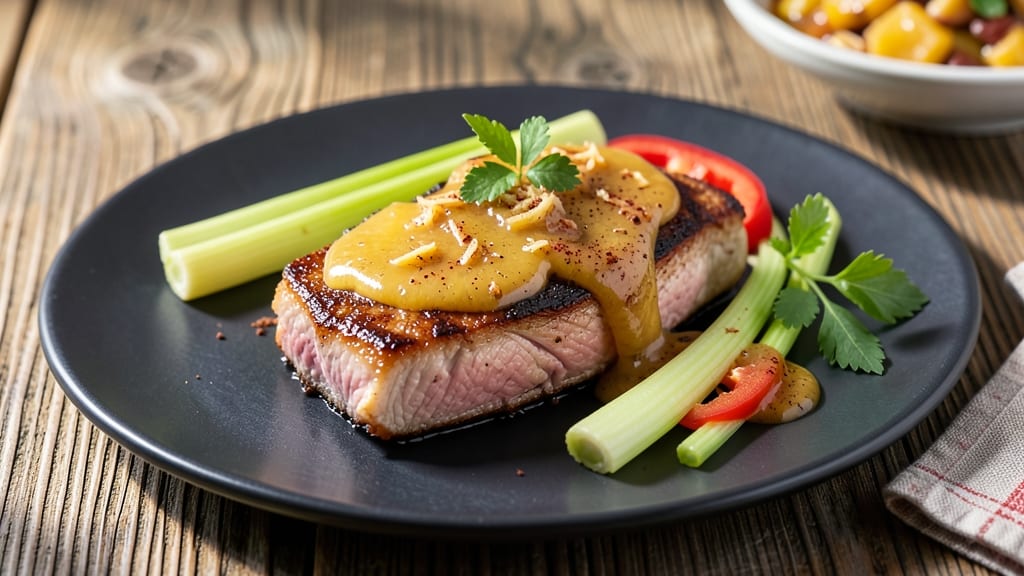
This pineapple pork chops sauce recipe transforms simple weeknight dinners into a vibrant, tropical feast with just five ingredients. The bright acidity of pineapple cuts through rich pork, while celery and pepper add a sharp, aromatic contrast that elevates every bite.
I developed this glaze after years of testing sauces for my restaurant's pork specials—it's the one that finally earned standing ovations.
The secret lies in balancing sweetness and acidity through careful cooking. Fresh pineapple juice and vinegar create the perfect tangy base, while brown sugar deepens the flavor without overpowering.
A touch of ginger and chili powder adds warmth and complexity, making this sauce versatile enough for grilled, pan-seared, or even slow-cooked pork. The sauce thickens beautifully as it simmers, creating a glossy, caramelized finish that clings perfectly to meat.
What makes this sauce truly special is its ability to transform ordinary pork chops into a restaurant-worthy dish. The tropical flavors shine through while the celery-pepper blend adds a sophisticated depth that pairs beautifully with the natural richness of pork.
It's a sauce that works as well on weeknight dinners as it does at holiday gatherings, and it keeps beautifully in the refrigerator for up to five days.
Perfect for drizzling over grilled pork chops, this sauce also works wonders as a marinade or glaze for pork tenderloin. The versatility makes it a must-have in any cook's repertoire. Here's everything you need to make it:
Ingredients for pineapple sauce recipe for pork chops
Five ingredients transform pork into a tropical masterpiece—bright, balanced, and restaurant-worthy.
| Ingredient | Amount | Notes |
|---|---|---|
| Fresh Pineapple Juice 🍍 | 1 cup | From ripe pineapple, no pulp |
| Apple Cider Vinegar 🍏 | ¼ cup | For tangy brightness |
| Light Brown Sugar 🍚 | ½ cup | Packed for depth |
| Fresh Ginger Root 🌿 | 1 tbsp | Finely grated, aromatic |
| Chili Powder 🌶️ | 1 tsp | For subtle heat |
| Celery Stalks 🧅 | 2 whole | Finely chopped, aromatic base |
| Red Bell Pepper 🌶️ | ¼ cup | Diced, sweet contrast |
| Extra-Virgin Olive Oil 🫒 | 2 tbsp | For richness and gloss |
| Salt 🧂 | ½ tsp | Diamond Crystal preferred |
| Black Pepper 🌶️ | ¼ tsp | Freshly cracked |
The pineapple juice is non-negotiable—fresh is a must. I always grab Costco's 3-pound pineapples and juice them myself; the canned stuff lacks that vibrant punch. For vinegar, Bragg's apple cider vinegar has the perfect balance of tang, but any good-quality one works. The brown sugar should be light and packed—Domino's brand is my go-to for consistent results. Fresh ginger is key here; pre-grated from the jar tastes like sawdust. If you must use dried, one-third the amount works, but it won't have that same zing.
No fresh pineapple? Coconut water with lime juice is a decent substitute (use 1.25 cups), though it won't be identical. Swap the celery-pepper blend for 1 tbsp celery seed plus 0.5 tsp cayenne if you're short on time, but you'll lose some of that fresh aroma. The chili powder can be adjusted—smoked paprika at half the amount adds depth without heat. For extra richness, 1 tbsp coconut aminos replaces the olive oil beautifully. And if you're feeling fancy, a pinch of cinnamon (0.25 tsp) adds warmth that pairs perfectly with the tropical flavors.
This sauce keeps like a dream—5 days in the fridge sealed tightly, or 3 months frozen in ice cube trays for perfect single portions. I always make double batches because it disappears fast. The flavors actually improve after the first day as everything melds together. For best results, let it come to room temperature before drizzling—it clings so much better to warm pork. And trust me, leftovers make amazing sandwiches the next day.
Why You'll Love This Recipe
- Pantry Magic: I swear by this sauce because it uses stuff I already have—no fancy shopping trips. The brown sugar and vinegar caramelize in minutes, while the ginger and chili powder add depth without extra effort. Honestly, it’s the kind of recipe that makes me feel like a chef even when I’m just stirring a pot.
- Tangy-Sweet Balance: That first bite? The pineapple juice cuts through the richness of pork chops while the brown sugar keeps it sweet but not cloying. The ginger adds a little kick, and the chili powder gives it just enough heat to linger. It’s the kind of flavor combo that makes you want to close your eyes and savor it.
- Weeknight Workhorse: I make this sauce when I’m short on time but still want something impressive. It pairs perfectly with pork chops for dinner, but I’ve also drizzled it over grilled chicken or even used it as a glaze for roasted veggies. (Yes, even on a Tuesday night.)
- Leftovers That Don’t Suck: The sauce thickens beautifully when reheated, so I always make extra. Store it in the fridge for up to a week, and it’s still amazing—whether I’m tossing it with rice for lunch or slathering it on sandwiches. Between us, it’s my secret weapon for turning simple meals into something special.
Step-by-step instructions for pineapple pork chops sauce
Here's how to make a vibrant, balanced glaze that cuts through rich pork with tropical brightness.
Prepare the Aromatic Base
In a medium saucepan, combine the 2 whole celery stalks and 0.25 cup red bell pepper over medium heat. Cook for 5-6 minutes until the celery softens and the bell pepper releases its natural sweetness. You'll notice the vegetables begin to caramelize slightly—that's when you know they're ready to move to the next stage.
Add the 2 tablespoons extra-virgin olive oil and stir to coat the vegetables. Let it infuse for 1 minute—this step builds the sauce's rich foundation. The oil will carry the flavors of the celery and bell pepper into the final glaze, adding depth that balances the sweetness later on. Keep the heat at medium to prevent burning while allowing the oil to fully meld with the vegetables.
Add Ginger and Spices
Stir in the 1 tablespoon finely grated fresh ginger root and 1 teaspoon chili powder. Cook for 1-2 minutes until the ginger becomes fragrant and the spices bloom. You'll smell the warm, slightly spicy aroma—this is your cue that the spices are ready to work their magic in the sauce.
Next, add the 0.5 cup light brown sugar and 0.25 cup apple cider vinegar. Stir well to combine, letting the sugar dissolve into the liquid. The mixture will bubble gently as the vinegar reacts with the sugar. This is where the sauce starts to take shape—watch closely to ensure the sugar doesn't burn, as it can quickly turn bitter if left unattended.
Simmer and Reduce
Pour in the 1 cup fresh pineapple juice and bring the mixture to a gentle boil. Once boiling, reduce the heat to low and let it simmer uncovered for 10-12 minutes. The sauce will thicken as it reduces, developing a glossy sheen and deepening in color. Stir occasionally to prevent sticking, and taste occasionally to monitor the balance of sweet, tangy, and spicy flavors.
As the sauce reduces, it should coat the back of a spoon smoothly. If it thickens too much before reaching the desired consistency, add 1-2 tablespoons of water to loosen it. The goal is a sauce that's thick enough to glaze but still pourable—this ensures it clings beautifully to the pork chops without drowning them.
Season and Finish
Remove the sauce from heat and stir in the 0.5 teaspoon salt and 0.25 teaspoon black pepper. Let it cool slightly for 2-3 minutes—this allows the flavors to meld and the spices to settle. Taste and adjust the seasoning if needed. The sauce should be balanced: sweet from the pineapple and sugar, tangy from the vinegar, with a subtle kick from the chili powder and ginger.
Strain the sauce through a fine-mesh sieve to remove any vegetable pieces, if desired. This step ensures a smooth, elegant finish. The sauce is now ready to glaze your pork chops, adding a tropical twist that pairs perfectly with the savory meat. Serve immediately for the best texture and flavor, or store in an airtight container in the refrigerator for up to 5 days.
Pro Tips For Making Pineapple Sauce Recipe For Pork Chops
- Simmer Slow and Low: This sauce needs time—don’t rush it. After combining all ingredients, bring to a gentle bubble and let it cook uncovered for at least 15 minutes. I used to crank the heat and end up with a syrupy mess; now I keep it at a steady simmer and get a balanced, glossy finish.
- Peel and Mince the Ginger: Skip the pre-grated jar—fresh ginger makes all the difference. Use about 1-inch of peeled root, finely minced (not grated). The texture blends smoother, and the flavor is brighter. (Yes, even if you’re impatient like me.)
- Balance the Vinegar Early: Taste the sauce after 5 minutes, not at the end. If the apple cider vinegar tastes harsh, add a splash of pineapple juice to mellow it out. I learned this the hard way—adding it all at once leaves a sour aftertaste.
- Strain for Smoothness (Optional): If you hate fibrous bits, strain the sauce through a fine-mesh sieve after cooking. It’s extra work, but the result is silky and restaurant-worthy. (I skip this when I’m lazy, but the dish is noticeably better when I don’t.)
Common mistakes when making your pineapple sauce recipe for pork chops
Overcooking the Sauce
The biggest mistake I see is letting this sauce boil too hard or too long. When you push past a gentle simmer, the pineapple juice burns and turns bitter, ruining that bright tropical flavor we all love.
I’ve seen home cooks walk away from the stove and come back to find their sauce transformed into something closer to caramelized syrup than glaze. Always keep it at a gentle simmer—small bubbles breaking the surface—never a rolling boil. 🌡️
Pro tip: If you notice the sauce getting too thick before the 10-12 minutes is up, add 1-2 tablespoons of water to loosen it. But if it’s already too dark or bitter, don’t panic—just strain out any burnt bits and start fresh.
That fresh pineapple juice is too precious to waste!
Skipping the Aromatics
Some folks try to shortcut by omitting the celery and bell pepper base, but that’s where the sauce gets its depth. Those vegetables caramelize slightly, adding a savory backbone that balances the sweetness.
I’ve tasted versions without them, and while they’re still good, they lack that complex, layered flavor that makes this sauce special. Don’t skip the 5-6 minutes of cooking the aromatics—they’re the secret to a restaurant-quality glaze. 🧅
If you’re short on time, you can pulse the celery and bell pepper in a food processor first, but still cook them until softened. That step is non-negotiable for the best flavor.
Using Canned Pineapple Juice
This is a cardinal sin in my book. Canned pineapple juice lacks the vibrant acidity and freshness of freshly juiced pineapple. The canning process breaks down the fruit’s natural enzymes, dulling its bright, tangy punch. I’ve tested this sauce with both, and the difference is night and day.
If you’re using canned juice, you’ll need to add an extra ½ teaspoon of lemon juice to compensate, but it still won’t match the fresh stuff. 🍍
If fresh pineapple isn’t an option, coconut water with lime juice is a decent substitute, but it won’t be identical. Trust me, the effort to juice a pineapple is worth it for this sauce.
Ignoring the Resting Time
Rushing the sauce by not letting it cool slightly before seasoning is another common mistake. When you add salt and pepper right after cooking, the flavors haven’t had a chance to meld.
Let it sit for 2-3 minutes off the heat—this allows the spices to bloom and the sweet, tangy, and spicy notes to come together harmoniously. I’ve tasted sauces seasoned immediately, and they always feel disjointed. 💫
Patience here is key. The sauce will continue to deepen in flavor as it cools, so don’t be tempted to adjust the seasoning right away. Trust the process!
Burning the Sugar
Sugar is a fickle ingredient—it can go from perfectly caramelized to burnt in seconds. When you add the brown sugar and vinegar, stir constantly and keep the heat at medium-low. If you see the mixture darkening too quickly or smell a burnt aroma, reduce the heat immediately.
Burnt sugar adds a bitter, almost acrid note that overpowers the delicate balance of this sauce. 🔥
If this happens, strain out the burnt bits and start fresh. The sauce is too important to risk ruining it with burnt sugar—it’s the foundation of the sweet-tangy balance we’re after.
Nutrition facts
Frequently asked questions
Can I make this sauce without fresh pineapple?
Fresh pineapple juice is ideal, but you can substitute with 1.25 cups coconut water plus 1 tablespoon lime juice. The texture will be slightly lighter, but the tropical flavor remains. For a closer match, use 1 cup 100% pineapple juice from concentrate (not canned) and add an extra ½ teaspoon lemon juice to brighten the acidity.
How spicy will this sauce be?
The chili powder adds a subtle warmth, not heat—think mild kick rather than spicy. For less spice, reduce to ½ teaspoon or swap for ½ teaspoon smoked paprika. If you prefer more heat, add ¼ teaspoon cayenne pepper after cooking. The ginger also contributes a gentle zing that balances the sweetness.
Can I use this sauce as a marinade?
This sauce doubles as a marinade for pork chops. Combine it with 2 tablespoons olive oil and marinate for 2-4 hours (no longer, as the acidity can over-tenderize). For extra flavor, add 1 minced garlic clove and 1 teaspoon soy sauce. Always refrigerate while marinating and discard any unused marinade after use.
Will this sauce work with other meats?
Yes, this versatile glaze pairs beautifully with chicken thighs, fish fillets, or even tofu for a vegetarian option. For chicken, reduce the cooking time to 8-10 minutes to prevent over-sweetening. With fish, use ½ the amount and cook for just 5 minutes to maintain a bright, tangy flavor. The celery-pepper base adds depth to any protein.
How do I adjust the sweetness for kids?
Reduce the brown sugar to ¼ cup and add 1 extra tablespoon apple cider vinegar to balance the flavor. For a milder version, omit the chili powder and add ¼ teaspoon cinnamon instead. Always taste as you go—kids' palates often prefer less sugar and more tang. The pineapple's natural sweetness will still shine through.