
Sauces & Condiments
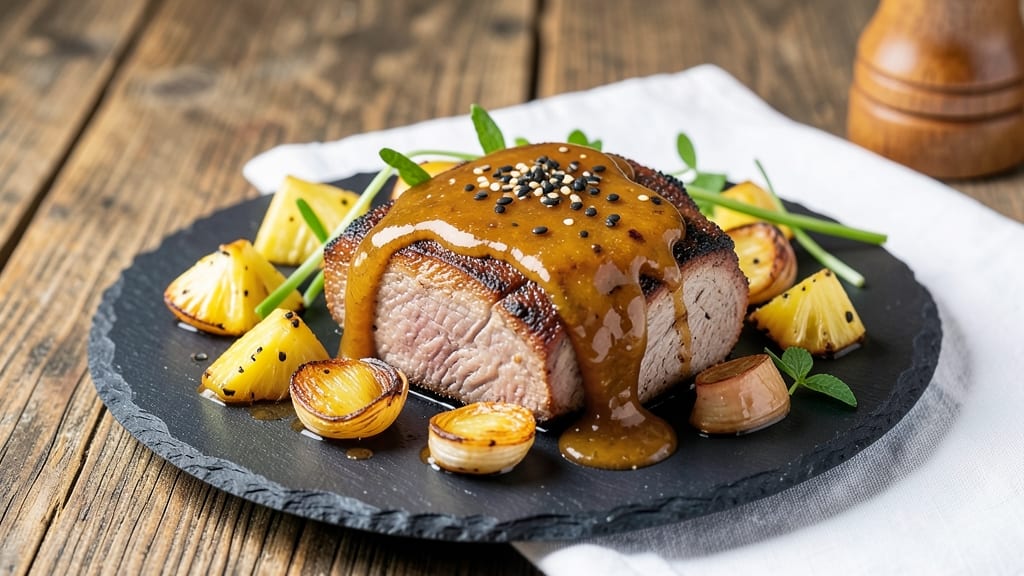
This pineapple pork sauce recipe transforms grilled pork into a tropical umami masterpiece with just five simple ingredients. The caramelized sweetness of pineapple blends perfectly with tangy vinegar and savory soy sauce, creating a glaze that's both bold and balanced.
I developed this recipe after years of experimenting with Asian-inspired sauces, and it's now my go-to for grilled pork chops, ribs, or even pork tenderloin.
The beauty of this sauce lies in its versatility and ease—no complicated techniques required. You'll simmer pineapple juice, soy sauce, vinegar, and a touch of brown sugar until thickened into a glossy glaze that clings beautifully to pork.
The result is a sauce that's rich enough to stand alone as a dipping sauce but subtle enough to enhance the natural flavors of the meat.
What makes this sauce truly special is how it elevates pork dishes with its perfect balance of sweet, tangy, and savory notes. The caramelized pineapple adds depth, while the vinegar keeps it bright and refreshing.
This sauce works equally well as a marinade component, a finishing glaze, or a dipping sauce for spring rolls.
Once you try this pineapple pork sauce, you'll never go back to store-bought versions. The ingredients are simple, the method is straightforward, and the results are restaurant-quality. Let's get started on creating this tropical umami glaze that will transform your pork dishes forever.
Ingredients for pineapple sauce recipe for pork
Five pantry staples plus fresh ginger and garlic transform into this tropical umami glaze.
| Ingredient | Amount | Notes |
|---|---|---|
| Fresh Pineapple Juice 🍍 | 1 cup | Freshly squeezed for bright flavor |
| Light Soy Sauce 🍶 | ½ cup | Kikkoman preferred for balance |
| Rice Vinegar 🍶 | ¼ cup | White or seasoned variety |
| Light Brown Sugar 🍚 | ¼ cup | Packed firmly for accuracy |
| Fresh Ginger Root 🧄 | 1 tbsp | Finely grated, aromatic |
| Garlic Cloves 🧄 | 2 cloves | Minced for depth of flavor |
| Extra-Virgin Olive Oil 🫒 | 1 tbsp | For glossy finish |
| Sesame Oil 🌿 | ½ tbsp | Toasted for nutty aroma |
The pineapple juice is the heart of this sauce—freshly squeezed makes all the difference. Trader Joe's has great pre-cut pineapples for juice, or grab a whole one if you want to make a big batch. For the soy sauce, Kikkoman light is my go-to, but any good-quality light soy works. The ginger and garlic are non-negotiable for that bright, aromatic punch. I always use fresh ginger root because the powdered stuff just doesn't cut it—look for plump, firm pieces at the store. If you're prepping ahead, the ginger can be peeled and grated up to 2 days before using.
No fresh pineapple juice? Canned crushed pineapple (drained) works in a pinch, but add an extra tablespoon of brown sugar to compensate for the lack of freshness. Swapping the rice vinegar? Apple cider vinegar gives a slightly sweeter tang, while white wine vinegar keeps it crisp. The sesame oil can be omitted if you're sensitive to its flavor, but trust me—that toasted nutty aroma is what makes this sauce sing. For a smoother texture, strain the sauce after simmering. If you're feeling adventurous, add a splash of lime juice at the end for extra brightness.
This sauce keeps beautifully—5-7 days in the fridge once cooled, or 3 months frozen in ice cube trays. The flavors actually deepen over time, so it's perfect for making ahead. I like to portion it into small jars for easy use on grilled pork nights. If it thickens too much, just thin it with a splash of water or extra pineapple juice. The glaze reheats perfectly, so it's great for last-minute drizzling on finished pork dishes.
Why You'll Love This Recipe
- Sweet-Savory Balance: The ginger and brown sugar team up to cut through the pork’s richness—like a bright, sticky hug in every bite. Honestly, that first tangy-sweet sip makes me want to eat it by the spoonful, and I haven’t even cooked the meat yet.
- Pantry-Friendly Magic: No fancy ingredients here—just what you’re already stocking. I’ll be real: the rice vinegar and soy sauce are my secret weapons for turning basic pork chops into something special without breaking the bank.
- Weeknight Workhorse: This sauce doubles as a marinade and a glaze, so I toss it on pork for lunch, then use the leftovers to drizzle over rice for dinner. (Yes, even on a Tuesday night.)
- Leftovers That Shine: The sauce thickens beautifully when reheated—perfect for tossing with stir-fried pork the next day. Between us, it’s the only sauce I’ll make twice in a row without getting bored.
Step-by-step instructions for pineapple pork sauce
Here's how to craft this vibrant, balanced glaze that bridges sweet and savory perfection.
Prepare the Aromatic Base
Heat the 1 tablespoon extra-virgin olive oil in a medium saucepan over medium heat. Add the 2 minced garlic cloves and 1 tablespoon finely grated fresh ginger root, stirring constantly for 30 seconds until fragrant but not browned. This quick cooking preserves their bright flavors without bitterness.
Watch closely—ginger burns faster than garlic. If the mixture darkens, reduce heat immediately. Once aromatic, add the 0.5 cup light soy sauce and 0.25 cup rice vinegar, stirring to combine. Let this mixture simmer gently for 2 minutes to meld the flavors. The vinegar will begin to reduce slightly, intensifying the umami base.
Build the Sweet-Savory Foundation
Increase heat to medium-high and add the 1 cup fresh pineapple juice and 0.25 cup packed light brown sugar. Stir well to dissolve the sugar completely—this prevents grainy texture in your finished sauce. Bring the mixture to a gentle boil, then reduce heat to medium-low to maintain a steady simmer.
Let it cook uncovered for 8-10 minutes, stirring occasionally, until the sauce thickens noticeably. You're looking for a consistency where it coats the back of a spoon but still flows freely. The pineapple's natural acidity will help balance the sweetness as it reduces, creating that perfect tropical-savory harmony.
Finish with Nutty Depth
Once the sauce reaches your desired thickness, remove it from heat. Stir in the 0.5 tablespoon toasted sesame oil—this adds that signature nutty aroma that elevates the dish. Taste and adjust seasoning: if it needs more sweetness, add a pinch of sugar; if it needs acidity, add a splash of rice vinegar.
For optimal flavor development, let the sauce rest for 10 minutes before using. This allows all the components to fully marry. The sesame oil will separate slightly at first but will emulsify beautifully when the sauce is gently reheated before serving. Store any leftovers in the refrigerator for up to 5 days—it only gets better with time!
Application and Serving
For grilled pork, brush the sauce on during the last 5-7 minutes of cooking. The residual heat will caramelize the sugars slightly, creating a beautiful glossy finish. Alternatively, simmer the sauce until slightly thicker and use it as a dipping sauce for spring rolls or rice bowls.
The perfect balance comes from the interplay of sweet pineapple, salty soy, tangy vinegar, and nutty sesame. Each component plays its part—ginger adds warmth, garlic depth, and the olive oil provides that silky finish. Serve immediately over grilled pork chops or ribs for maximum impact, where the sauce will glaze beautifully and complement the smoky flavors.
Pro Tips For Making Pineapple Sauce Recipe For Pork
- STRAIN THE GINGER WELL: I learned this the hard way—skipping this step leaves your sauce gritty and uneven. Use a fine-mesh sieve or cheesecloth, and press the ginger with a spoon to extract every last bit of juice. (Yes, even if it feels like overkill.)
- SIMMER LOW AND SLOW: This sauce isn’t a race. Let it bubble gently at medium-low heat—around 180°F (82°C)—for 10-12 minutes. Rushing it turns the pineapple juice cloudy and dulls the ginger’s brightness. (Your patience will pay off.)
- MEASURE THE SOY SAUCE LAST: Add the light soy sauce after the sugar and vinegar have dissolved, and just before tasting. This prevents over-salting early and lets you adjust the balance—too much soy upfront can make the sauce taste flat. (Trust me, you’ll want to tweak it.)
- USE FRESH PINEAPPLE JUICE—NO SUBSTITUTES: Canned juice lacks the acidity and depth fresh pineapple brings. If you’re short on time, buy a small fresh pineapple, juice it immediately, and strain out the pulp. (No, bottled pineapple juice won’t cut it—this isn’t a smoothie.)
Make-ahead tips for this dish
Fridge Prep Ahead
This sauce is a make-ahead dream—simmer it completely, then let it cool to room temperature. Transfer to an airtight glass jar (I love Le Parfait containers) and store in the fridge for up to 7 days.
The flavors deepen over time, so it actually tastes better the next day! Just give it a quick stir before using to redistribute the sesame oil. 💫
Freezer-Friendly Portions
For long-term storage, freeze the sauce in ice cube trays—each cube is perfect for a single serving. Once frozen, transfer cubes to a ziplock freezer bag and label with the date. Thaw overnight in the fridge or pop a cube directly into a saucepan for quick reheating.
The texture remains silky when reheated properly—just add 1 teaspoon water per cube to prevent thickening. ❄️
Double-Batch Strategy
Make double the recipe when you're prepping for a big meal. The extra sauce doubles as a marinade—simply add 1 cup to your pork marinade for 4-6 hours before grilling.
I often use the remaining sauce as a dipping sauce for spring rolls or as a glaze for roasted vegetables. The 1:1 ratio works perfectly for both applications. 🔥
Garnish Prep Shortcut
Save time by prepping garnishes ahead. Toast 1 tablespoon sesame seeds in a dry pan over medium heat for 2 minutes until golden—store in a small jar. Chop 2 green onions and store in the fridge for up to 5 days.
When ready to serve, sprinkle the toasted sesame seeds and chopped green onions over the sauce for instant restaurant-quality presentation. 🌿
Reheating Like a Pro
Never reheat this sauce directly from the fridge—it can curdle. Instead, transfer the desired amount to a saucepan and warm over low heat with 1 tablespoon water. Stir constantly until heated through (165°F internal temp).
For microwave reheating, use 30-second intervals on 50% power, stirring between each interval. The gentle heat preserves the sauce's glossy texture. 💡
Sauce Flexibility
This versatile sauce adapts to your schedule. Need a quick weeknight dinner? Use ½ cup as a glaze for pork tenderloin. Planning a BBQ? Make a big batch and freeze individual portions. The sauce even works as a dipping sauce for dumplings—just thin it slightly with water if needed.
The key is keeping it balanced, so adjust sweetness or acidity to your taste before storing. ✨
Nutrition facts
Frequently asked questions
Can I substitute canned pineapple juice for fresh?
Yes, but with a small adjustment! Use 1 cup canned crushed pineapple (drained) instead of fresh juice, and add an extra 1 tablespoon of brown sugar to compensate for the less intense flavor. The texture will be slightly thicker, but it still works beautifully for glazing pork.
How do I make this sauce spicier?
Add ½ teaspoon of red pepper flakes or 1 tablespoon of sriracha when you stir in the sesame oil. For a smoky kick, swap ½ teaspoon of smoked paprika for the regular sesame oil. Always taste first—you can adjust the heat to your preference!
Can I use this sauce as a marinade for pork?
Use 1 cup of the finished sauce as a marinade for 4-6 hours (or up to 12 hours in the fridge). The pineapple's acidity tenderizes the meat while the soy and ginger infuse rich flavor. For best results, reserve ½ cup for glazing after cooking.
Why did my sauce turn grainy?
This usually happens if the sugar doesn't dissolve completely during simmering. Next time, stir more vigorously while adding the brown sugar, or strain the sauce through a fine-mesh sieve before using. For a quick fix, whisk in 1 teaspoon of water or pineapple juice to smooth it out.
What other meats pair well with this sauce?
This versatile sauce works beautifully with chicken thighs, tofu, or even shrimp skewers. For beef, use it as a glaze for flank steak or short ribs. The tropical flavors complement grilled or roasted proteins perfectly—just adjust cooking times to suit the meat.