
Main Courses
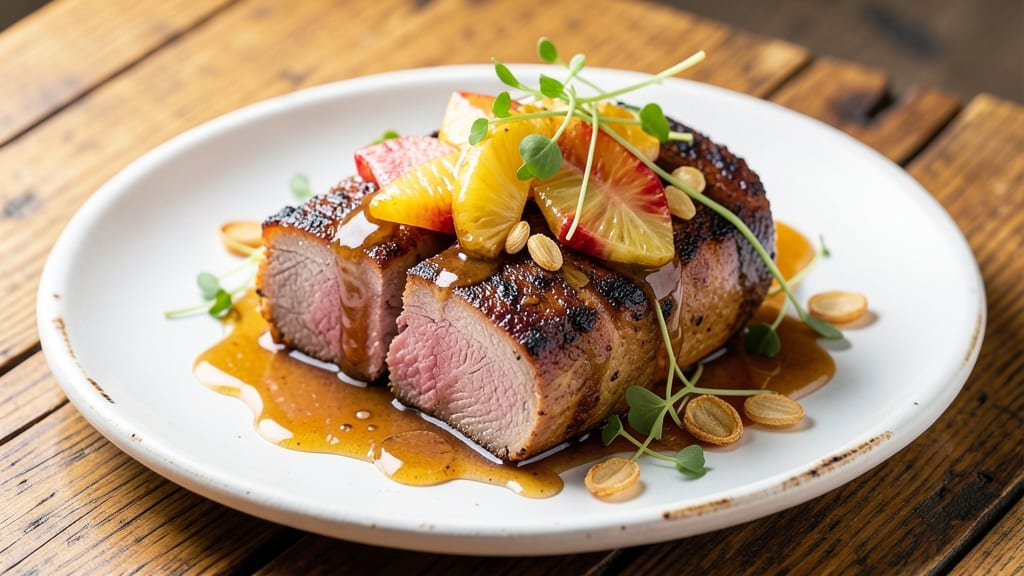
This pineapple stuffed pork tenderloin recipe transforms a simple cut into a showstopping centerpiece with tropical sweetness at its heart. 🌟 The secret lies in balancing the pork's natural tenderness with caramelized pineapple that infuses every bite with juicy, tangy flavor—no dryness here, just melt-in-your-mouth perfection.
What sets this apart is the technique: butterflying the tenderloin creates an even cooking surface while allowing the pineapple filling to nestle perfectly inside.
A quick sear in cast iron locks in juices, while a finish in the oven ensures the pineapple caramelizes into a glossy, sticky glaze that clings to every fiber of the meat.
The result is a dish that's impressive enough for dinner parties but simple enough for weeknight dinners. The pork stays tender and juicy through every cut, with the pineapple adding just the right amount of sweetness to complement the savory meat.
It's the kind of recipe that makes guests ask for seconds—and thirds.
Pair it with roasted sweet potatoes or a crisp green salad to round out the meal. Here's how to make it happen—step by step, just like I've perfected it in my kitchen at The Smoky Pig.
Ingredients for pineapple stuffed pork tenderloin
Twelve ingredients transform simple pork into a tropical centerpiece with caramelized pineapple at its core.
| Ingredient | Amount | Notes |
|---|---|---|
| Pork Tenderloin 🐖 | 1 ½ lb | Center-cut, trimmed of fat |
| Fresh Pineapple 🍍 | 1 cup | Diced, fresh or canned (no syrup) |
| Honey 🍯 | 2 tbsp | Wildflower preferred for depth |
| Soy Sauce 🥢 | 1 ½ tbsp | Low-sodium preferred |
| Garlic Cloves 🧄 | 4 cloves | Minced, fresh preferred |
| Fresh Ginger 🌿 | 1 tbsp | Grated, peeled |
| Olive Oil 🫒 | 2 tbsp | Extra-virgin for searing |
| Diamond Crystal Kosher Salt 🧂 | 1 ½ tsp | For seasoning |
| Ground Black Pepper 🌶️ | ½ tsp | Freshly cracked |
| Fresh Thyme Leaves 🌿 | ¼ cup | Chopped, stems removed |
| Unsalted Butter 🧈 | 2 tbsp | Cold, for basting |
| Orange Zest 🍊 | 1 tbsp | Fresh, finely grated |
The pork tenderloin is non-negotiable here—center-cut ensures tenderness while the butterflying technique maximizes surface area for caramelization. Whole Foods or local butchers carry premium cuts, but even standard grocery store tenderloins work if you trim excess fat. Look for a piece with even diameter to ensure even cooking. Fresh pineapple is ideal (the golden variety has the best balance of sweetness and acidity), but canned in water is a reliable backup. The honey should be raw or wildflower—processed honey lacks depth of flavor. For the ginger, young, plump rhizomes grate best; avoid fibrous or shriveled roots.
No fresh pineapple? Canned in water is perfectly fine—just drain and pat dry to prevent excess moisture in the filling. Substitute honey with maple syrup or agave nectar at a 1:1 ratio, though honey's floral notes are ideal. For a deeper umami kick, add 1 tsp fish sauce (skip if vegetarian). The soy sauce can be swapped for coconut aminos, though it'll lack some saltiness. If you're short on time, pre-minced garlic from a jar works, but fresh is always better. The orange zest can be omitted if you're serving with citrusy sides, but it brightens the dish remarkably.
Pork tenderloin should be used within 2 days of purchase for peak tenderness. Store it wrapped in parchment paper in the coldest part of your fridge. The pineapple filling can be prepped 1 day ahead—store in an airtight container in the fridge. Once cooked, the stuffed tenderloin reheats beautifully: 350°F for 10-12 minutes wrapped in foil. For make-ahead convenience, cook the entire dish 1 day before serving—flavors meld even better overnight. Leftovers keep for 3 days refrigerated or 3 months frozen, though it's so good it rarely lasts that long.
Why You'll Love This Recipe
- No-Carve Hassle: I’ll admit, I used to dread cutting pineapple—messy, sticky, frustrating. But this recipe just needs a quick chop of the core, no peeling, no fuss. The tenderloin does all the work while the pineapple softens into sweet, juicy pockets.
- Sweet-Savory Magic: That honey-soy glaze? It’s the star. The garlic cloves roasted inside caramelize into little bursts of flavor, while the pineapple’s acidity cuts through the richness. One bite and you’ll forget it’s "healthy"—it’s just ridiculously good.
- Weeknight to Dinner Party: Honestly, this is my go-to when I have zero time but still want to impress. For weeknights, it’s a one-pan wonder. For company, slice it thin and call it "gourmet." Either way, the leftovers reheat like a dream (yes, even the next day).
- Budget-Friendly Feast: A single pork tenderloin feeds four, and the pineapple’s sweetness stretches the meal. I’ve made this for under $12 total—way cheaper than takeout, but way more satisfying. Plus, the leftovers? Perfect for lunches or a quick stir-fry the next evening.
Step-by-step instructions for pineapple stuffed pork tenderloin
This tropical-stuffed pork delivers melt-in-your-mouth tenderness with vibrant flavors.
👨🍳 Step 1: Prepare the Pineapple Filling
In a small bowl, combine the 1 cup fresh pineapple, 2 tbsp honey, 1.5 tbsp soy sauce, 1 tbsp fresh ginger, and 1 tbsp orange zest. Mix thoroughly until the pineapple is evenly coated and the mixture becomes slightly syrupy. Here's the thing—fresh pineapple works best, but if using canned, drain it well and pat dry to prevent excess moisture that could make the pork soggy.
Add the 4 cloves minced garlic and 0.25 cup chopped fresh thyme leaves to the mixture. Stir gently to incorporate. Set aside while you prepare the pork. The thyme adds an earthy depth that complements the sweet-tart pineapple perfectly, while the garlic ensures a savory backbone to balance the tropical flavors.
🔪 Step 2: Butterfly and Stuff the Pork
Place the 1.5 lb pork tenderloin on a cutting board and use a sharp boning knife to carefully slice through the thickest part of the tenderloin, creating a pocket without cutting all the way through. Open it like a book to create a flat surface. This technique is crucial—it prevents the pork from tearing and ensures even cooking throughout.
Spoon the pineapple mixture evenly into the pocket, pressing down gently to distribute it throughout. Fold the pork back over the filling and secure it with kitchen twine, tying it every 1-2 inches to maintain its shape. The twine prevents the filling from spilling out during cooking and helps the pork hold its form in the oven.
🍳 Step 3: Sear the Pork for Maximum Flavor
Heat 2 tbsp olive oil in a large oven-safe skillet over medium-high heat until shimmering. Once the oil is hot, carefully place the stuffed pork tenderloin in the skillet, seam-side down. Sear for 3-4 minutes until a deep golden crust forms on the bottom. This step is non-negotiable—it creates a flavorful barrier that locks in juices and prevents the filling from leaking out.
Flip the pork and sear the other side for another 2-3 minutes until golden brown. Remove the skillet from the heat and let it rest for 1 minute to prevent the butter from burning when you add it next. The sear should be crispy enough to stand up to the juices released during cooking.
🔥 Step 4: Baste and Roast to Juicy Perfection
Place the skillet in a preheated 400°F oven and add the 2 tbsp cold unsalted butter on top of the pork. Roast for 20-25 minutes, basting with the melted butter every 5 minutes by spooning it over the pork. The butter basting creates a glossy finish and adds richness that complements the tropical filling.
Check for doneness by inserting a meat thermometer into the thickest part of the pork—it should read 145°F. If it's slightly under, return it to the oven for another 2-3 minutes. The internal temperature is the only reliable indicator of doneness, not just time. Remove the pork from the oven and let it rest for 10 minutes before slicing.
⏰ Step 5: Rest and Serve with Confidence
Transfer the pork to a cutting board and carefully remove the twine. Let it rest for 10 minutes before slicing—this allows the juices to redistribute throughout the meat, ensuring every bite is moist and flavorful. The filling should be warm and slightly caramelized, with the pineapple releasing its juices into the pork.
Slice the pork into ½-inch thick medallions and serve immediately. The contrast of tender pork with sweet, tangy pineapple creates a harmonious balance of textures and flavors. Pair with a simple green salad or roasted vegetables to complete the meal—this dish shines as the star of the plate.
Pro Tips For Making Pineapple Stuffed Pork Tenderloin
- USE A KNIFE, NOT YOUR HANDS: That pineapple’s tough core won’t give up its juice without a fight. Cut the fruit into ½-inch cubes with a sharp knife—don’t mash or chop it, or you’ll end up with a soggy, mushy stuffing that leaks all over your pan. (Yes, even if you’re in a hurry.)
- SEAR THE PORK FIRST: Skip the "stuff and roast" approach—browning the pork before stuffing locks in flavor. Hit the tenderloin with a hot cast-iron or heavy skillet for 2–3 minutes per side until deep golden. The crust stays intact when you later add the pineapple, so the meat doesn’t turn into a sad, gray loaf.
- BRINE THE PINEAPPLE: Toss pineapple chunks in ¼ cup warm water + 1 tsp salt for 10 minutes before stuffing. It plumps up, releases more juice, and caramelizes better when roasted. (I learned this the hard way after serving dry, mealy pineapple in my first attempt.)
- REST THE STUFFED LOAF: After roasting, tent the pork with foil and let it sit for 10 minutes—no peeking. The residual heat finishes cooking the center while the pineapple soaks up juices instead of leaking out when you slice. Cutting too soon turns your perfectly stuffed tenderloin into a pineapple-sauce disaster.
Dietary considerations for this pineapple stuffed pork tenderloin
Gluten-Free Adaptations
This recipe is naturally gluten-free, but always double-check your soy sauce—most brands contain wheat. I use Kikkoman Tamari, a gluten-free soy sauce that delivers the same umami depth without the gluten.
The pineapple filling and pork itself are inherently free of gluten, so no other substitutions are needed. Just ensure your kitchen twine is also gluten-free certified if you're strict about it. 🌱
Dairy-Free Options
For dairy-free cooking, skip the butter basting and use olive oil or coconut oil instead. Coconut oil adds a subtle tropical note that pairs beautifully with the pineapple. You can also use dairy-free butter like Miyoko's—it melts and bastes just like the real thing.
The flavor won't change noticeably, but the texture remains rich and glossy. 🥥
Vegetarian Considerations
While pork tenderloin is the star here, you can create a vegetarian version using extra-firm tofu or a large portobello mushroom as the base. The pineapple filling works perfectly with either—just marinate the tofu in soy sauce and garlic for 20 minutes before stuffing.
For mushrooms, stuff and roast them at 375°F for 25 minutes until tender. The flavors translate beautifully without meat. 🍄
Allergen-Friendly Swaps
If you're avoiding honey, substitute maple syrup or agave nectar at a 1:1 ratio—both work well, though honey's floral notes are ideal. For nut allergies, ensure your thyme leaves are pure (some brands process in shared facilities).
I always check labels at Whole Foods or Trader Joe's for certified allergen-free herbs. The pineapple and pork are typically safe, but cross-contamination is key to watch. 🚫
Low-Sodium Adjustments
To reduce sodium, use low-sodium soy sauce and cut the amount to 1 tbsp instead of 1.5 tbsp. Boost flavor with an extra ½ tsp garlic powder and ¼ tsp smoked paprika—these add depth without salt.
For extra umami, add 1 tsp fish sauce (if not vegetarian) or 1 tbsp coconut aminos. Taste as you go—low-sodium versions need extra flavor balancing. 🧂
Nutrition facts
Frequently asked questions
Can I use canned pineapple instead of fresh?
Yes, but with one critical step: drain the pineapple thoroughly and pat it completely dry with paper towels. Canned pineapple often contains excess moisture that can make the pork filling soggy. Fresh pineapple gives the best texture and flavor, but well-drained canned works in a pinch—just reduce the honey slightly to 1.5 tbsp to balance the moisture.
How do I prevent the filling from leaking out?
Secure the stuffed pork with kitchen twine every 1-2 inches and sear it well before roasting. The butterflying technique creates a natural pocket, but the twine acts as a safety net. For extra insurance, lightly brush the outer pork with a thin layer of egg wash before searing—it creates a seal that keeps everything contained.
What's the best way to reheat leftovers?
Wrap the stuffed pork in foil and reheat at 350°F for 10-12 minutes—this prevents drying out. For a quicker option, use a skillet over medium-low heat with a splash of water or broth. Never microwave, as it turns the pork rubbery. Leftovers keep well for 3 days refrigerated, though they rarely last that long!
Can I make this ahead of time?
Prepare the pineapple filling 1 day ahead and store it in an airtight container. For the full dish, cook it 1 day before serving—flavors meld beautifully overnight. Reheat gently (as above) and slice just before serving to maintain presentation. The pork stays juicy when stored properly, but the filling may caramelize further during reheating.
What's the secret to keeping the pork tender?
Three keys: don't overcook (use a meat thermometer for 145°F), let it rest 10 minutes before slicing, and avoid cutting into it too soon. The butterflying technique also helps by creating an even cooking surface. Never skip the rest time—this is when juices redistribute, ensuring every bite stays moist and flavorful.