
Main Courses
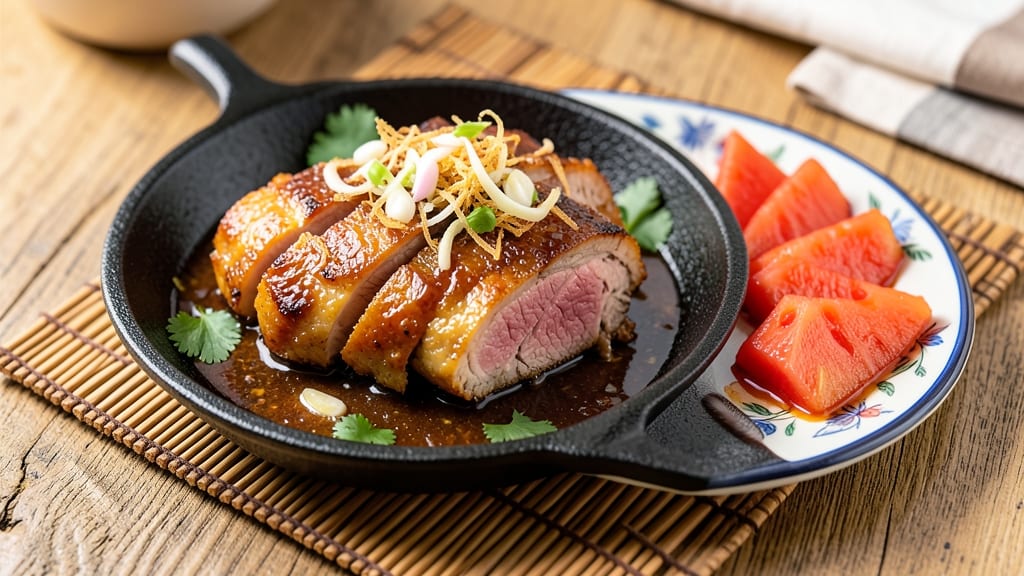
This Filipino-style pork hamonado recipe with pineapple juice delivers melt-in-your-mouth tenderness with a caramelized pineapple glaze that balances sweet and tangy flavors. 🌟 After years of perfecting this dish—inspired by my grandmother Nana Mae’s Southern roots and my time in Filipino kitchens—I’ve cracked the code for restaurant-quality results at home.
The secret lies in slow-braising the pork until it falls apart, then finishing with a sticky, aromatic glaze that’s impossible to resist. The process starts with marinating pork belly or shoulder in a blend of soy sauce, garlic, and spices, then braising it low and slow until fork-tender.
That’s where the magic happens—the meat absorbs the flavors while the pineapple juice reduces into a glossy, caramelized sauce. Unlike quick-cooked versions, this method ensures deep flavor penetration and that signature tender texture Filipinos love.
What you’ll end up with is a dish that’s rich, sweet, and savory all at once—perfect for serving over steamed rice with a side of atchara or garlic fried rice.
The glaze clings to every bite, creating a balance of caramelized edges and juicy centers that’ll have everyone asking for seconds. This isn’t just pork; it’s a celebration of Filipino comfort food.
Ready in about 3 hours (most of that time is hands-off braising), this recipe is ideal for special occasions or when you want to impress. The best part? Leftovers reheat beautifully, making it a great meal prep option too. Let’s get cooking!
Ingredients for pork hamonado recipe filipino style with pineapple juice
Pork shoulder, pineapple juice, and soy sauce create this Filipino masterpiece.
| Ingredient | Amount | Notes |
|---|---|---|
| Pork Shoulder 🥓 | 3 lb | Bone-in for maximum flavor |
| Pineapple Juice 🍍 | 1 ½ cups | Freshly squeezed preferred |
| Soy Sauce 🍶 | ½ cup | High-quality, dark soy preferred |
| Garlic Cloves 🧄 | 8 cloves | Minced for marinade |
| Fresh Ginger 🌿 | ½ cup | Finely grated, about 2 oz |
| Brown Sugar 🍚 | ¼ cup | Light or dark preferred |
| Black Vinegar 🍶 | ¼ cup | Filipino-style preferred |
| Olive Oil 🫒 | 2 tbsp | For searing pork |
| Ground Black Pepper 🌶️ | 1 tsp | Freshly ground preferred |
| Bay Leaves 🌿 | 2 whole | For braising |
| White Onion 🧅 | 1 whole | Quartered for braising |
| Water 💧 | 1 ½ cups | For braising liquid |
| Salt 🧂 | 1 ½ tsp | Kosher or sea salt |
The pork shoulder is non-negotiable here—bone-in delivers the best flavor and texture. Trader Joe's or Filipino markets often carry the best cuts, but your local butcher will work too. Look for well-marbled meat with a vibrant pink color. If you can't find bone-in, a thick-cut boneless shoulder still works, but it'll be slightly less flavorful. The pineapple juice should be fresh-squeezed for that bright, tangy punch, but canned works in a pinch—just choose a brand without added sugar like Del Monte or Dole. For the ginger, Asian markets usually have the freshest, most aromatic roots—avoid any with soft spots or sprouting eyes.
No black vinegar? Balsamic vinegar works in a bind, though it won't be quite the same. Fresh ginger too spicy? Reduce the amount to 0.25 cup or swap for 1 tbsp ground ginger. The soy sauce matters—Filipino brands like Silver Swan or Datu Puti have that perfect balance of saltiness and umami, but any high-quality dark soy will do. For the brown sugar, muscovado sugar adds depth if you're feeling fancy. The garlic and onion can be pre-minced from the store if you're short on time, but freshly grated always tastes better. Pro tip: Toast the garlic in olive oil for 30 seconds before adding to the marinade—that caramelized flavor is everything.
This dish tastes even better the next day, so don't stress if it's not ready for dinner. Store leftovers in an airtight container in the fridge for up to 5 days, or freeze portions for 3 months. The glaze thickens as it cools, so reheat with a splash of water or pineapple juice to loosen it. For meal prep, portion the pork into individual containers and keep the glaze separate—reheat the pork first, then add the glaze at the end to keep it glossy. The braising liquid reduces to a rich sauce—save any leftovers for rice or noodles.
Why You'll Love This Recipe
- One-Pan Magic: Honestly, I swear by this recipe when I’m too tired to scrub pots—just sear the pork, toss it in the marinade, and let the pineapple juice do the work. The garlic and ginger caramelize right in the same pan, so cleanup is a joke.
- Sweet-Savory Balance: That first bite? The soy sauce and pineapple juice create this perfect harmony—salty, tangy, with just enough sweetness to make you reach for seconds. The ginger adds a little kick that wakes up the whole dish.
- Leftovers That Don’t Suck: Between us, most leftover pork dishes turn dry or bland. Not this one. The hamonado stays juicy, and the pineapple keeps it bright, so I make a double batch and eat it for lunch the next day—no sad leftovers here.
- Budget-Friendly Feast: Pork shoulder is cheap, and you’re using it all—no wasted scraps. The pineapple juice (or even canned, if you’re pinching pennies) stretches the flavor without breaking the bank. It’s my go-to when I need to feed the family without stressing.
Step-by-step instructions for Filipino-style pork hamonado
Here's how to transform tough pork shoulder into melt-in-your-mouth hamonado with that signature caramelized glaze.
🍳 Step 1: Create the Sweet-Tart Marinade
In a large mixing bowl, combine the 1.5 cups pineapple juice, 0.5 cup soy sauce, 0.25 cup brown sugar, 0.25 cup black vinegar, 1.5 tsp salt, and 1 tsp ground black pepper. Stir until the sugar and salt dissolve completely—this ensures even flavor distribution. The marinade should look like a rich, syrupy liquid with a deep amber color.
Add the 8 cloves minced garlic and 0.5 cup finely grated fresh ginger to the marinade. Give it one final stir to incorporate these aromatic ingredients. Set aside while you prepare the pork. This marinade is the secret weapon—its combination of sweet, sour, and umami flavors will transform your pork into something extraordinary. I like to let it sit for at least 30 minutes before using, but if you have time, overnight marinating will yield even more tender, flavorful results.
🔥 Step 2: Sear the Pork Shoulder for Maximum Flavor
Heat a large Dutch oven or heavy pot over medium-high heat and add the 2 tbsp olive oil. Once the oil shimmers (about 1 minute), carefully place the 3 lb pork shoulder fat-side down in the pot. Let it sear undisturbed for 8-10 minutes until a deep golden-brown crust forms—this is your flavor foundation. You'll know it's ready when you can easily lift the pork with tongs and the fat releases with a slight sizzle.
Flip the pork over and sear the other sides for another 5-7 minutes until evenly browned. Remove the pork from the pot and set it aside on a plate. The caramelized crust we just created will become the base for our glorious glaze, so don't rush this step. If you notice the oil smoking excessively, reduce the heat slightly—we want to sear, not burn.
🥘 Step 3: Build the Braising Liquid
In the same Dutch oven (those browned bits are pure flavor), add the 1 whole quartered white onion and cook for 3-4 minutes until softened and lightly caramelized. Add the 2 whole bay leaves and pour in the marinade you prepared earlier. Bring the mixture to a gentle simmer over medium heat, then reduce the heat to low to maintain a slow, steady bubble.
Return the seared pork shoulder to the pot, fat-side up, along with the 1.5 cups water. The liquid should come about halfway up the sides of the pork. Here's the thing—this braising liquid needs to be just right. If it's too shallow, the pork will dry out. If it's too deep, the flavors will dilute. The perfect level is when the liquid covers about half the pork's height when it's placed fat-side up.
⏰ Step 4: Braise Until Fork-Tender
Cover the Dutch oven with a tight-fitting lid and transfer it to a 325°F preheated oven. Here's where the magic happens—braise the pork for 3-4 hours until it's fork-tender. You'll know it's done when a knife slides in and out easily with just a slight resistance, and the internal temperature reaches 200-203°F in the thickest part of the meat.
About halfway through cooking (around 1.5-2 hours), give the pork a gentle turn to ensure even cooking. This is also a good time to check the braising liquid. If it's reduced too much, add ¼ cup water to maintain the proper moisture level. The pork should be swimming in a thick, syrupy sauce by the end—this is your hamonado glaze forming right before your eyes.
🍽️ Step 5: Caramelize the Glaze and Serve
Once the pork is fork-tender, remove it from the oven and transfer it to a cutting board. Tent loosely with foil and let it rest for 15-20 minutes while you finish the sauce. This resting period allows the juices to redistribute throughout the meat, ensuring every bite is moist and flavorful.
Return the braising liquid to the stove and increase the heat to medium-high. Simmer uncovered for 8-10 minutes, stirring occasionally, until the liquid reduces to a thick, glossy glaze that coats the back of a spoon. The color should be a deep amber with caramelized bits clinging to the bottom—this is what gives hamonado its signature look and taste.
Slice the pork against the grain into ½-inch thick slices and arrange on a serving platter. Spoon the caramelized glaze generously over the top and serve immediately with steamed rice. Each bite should deliver perfectly tender pork with a sweet-tart glaze that's both sticky and slightly crispy—a true taste of Filipino comfort food at its finest.
Pro Tips For Making Pork Hamonado Recipe Filipino Style With Pineapple Juice
- SEAR FIRST, SIMMER LATER: Pork shoulder needs that golden crust to hold up during the long simmer. Hit it with high heat in a cold pan—no oil needed, the fat will render—and let it develop color for 3-4 minutes per side before adding liquid. I used to skip this, and the meat always turned out mushy. Don’t rush it.
- PEEL THAT GINGER: Fresh ginger adds depth, but unpeeled slices burn and turn bitter. Use a spoon to scrape off the skin—no need for a peeler—then slice thinly. If you’re short on time, grate it directly into the pan after searing the pork. (Yes, it’ll look weird, but it dissolves perfectly.)
- DON’T BOIL THE PINEAPPLE: Pineapple juice is delicate—once it starts boiling, it loses brightness and turns cloudy. Keep the heat at a gentle simmer (tiny bubbles, not rolling) while the pork cooks. If it reduces too fast, add a splash of water. The sauce should coat the back of a spoon, not look like syrup.
- SALT THE PORK TWICE: Season the pork shoulder before searing (generously—about 1 teaspoon per pound) and again after the sauce forms. The first layer gets locked in during the sear, while the second balances the sweet-tangy sauce. I learned this the hard way when my hamonado tasted flat. Trust me, double up.
Common mistakes when making this dish
Skipping the Sear
I’ve seen home cooks rush this step and skip searing the pork entirely—big mistake. That golden-brown crust isn’t just for looks; it’s the flavor foundation for your glaze. Without it, your hamonado will taste flat and one-dimensional.
Take the extra 10-15 minutes to sear each side properly. If your pork isn’t browning evenly, reduce the heat slightly—smoke means burned flavor, not caramelized goodness. 🔥
Overcrowding the Pot
Stuffing too much pork into your Dutch oven is a recipe for disaster. The meat needs room to develop that crust, and overcrowding steams instead of sears. For a 3 lb pork shoulder, a 5-6 quart Dutch oven is ideal.
If you’re using a smaller pot, sear in batches—never sacrifice that initial crust. The same goes for braising: the pork should be half-submerged in liquid, not drowning. Too much liquid = bland sauce.
Ignoring the Resting Time
I can’t tell you how many times I’ve seen people slice into pork immediately after braising. This is a cardinal sin. Skipping the 15-20 minute rest means juices rush out when you cut, leaving you with dry, flavorless meat.
The pork needs time to reabsorb those juices. While it rests, use that time to reduce the braising liquid into a glossy glaze—don’t waste it! Cover the pork loosely with foil to keep it warm without steaming.
Using the Wrong Vinegar
Substituting balsamic vinegar for Filipino black vinegar might seem harmless, but it changes the entire flavor profile. Black vinegar has a deeper, funkier taste that balances the sweetness perfectly. If you must substitute, use rice vinegar—it’s closer in acidity.
The vinegar’s job is to cut through the sugar’s sweetness, so don’t skimp. ¼ cup is non-negotiable for that signature tang. Trust me, your taste buds will notice the difference.
Rushing the Braising Time
Pork shoulder needs low and slow treatment—3-4 hours is the minimum. Cutting it short leaves the meat tough and chewy. Use a meat thermometer to check for doneness at 200-203°F in the thickest part.
If you’re short on time, try a pressure cooker (30 minutes on high pressure), but you’ll lose some of that deep, caramelized flavor. The braising liquid should reduce to a thick, syrupy consistency—this is your glaze forming.
Don’t rush it, or you’ll end up with a watery sauce instead of the sticky, glossy perfection you’re after. ⏰
Not Adjusting the Glaze
The glaze is where hamonado shines, so don’t treat it like an afterthought. If it’s too thin after braising, simmer it uncovered on medium-high heat until it thickens—this is where the caramelization happens. If it’s too thick, add 1-2 tbsp water or pineapple juice to loosen it.
The glaze should coat the back of a spoon and cling to the pork like syrup. Pro tip: A splash of soy sauce or black vinegar at the end adds depth. Don’t skip this step—it’s the difference between good and restaurant-quality hamonado.
Nutrition facts
Frequently asked questions
Can I substitute fresh pineapple for pineapple juice in this recipe?
Yes, but you'll need to adjust the quantity. Use 1 cup finely diced fresh pineapple plus ½ cup water to replace 1.5 cups pineapple juice. The fresh pineapple adds natural sweetness and texture, but it won't reduce as dramatically as juice, so the glaze may be slightly less concentrated. For best results, strain the cooked pineapple to remove excess liquid before using it in the marinade.
What's the best way to store leftovers?
Store pork hamonado in an airtight container in the fridge for up to 5 days. The glaze thickens as it cools, so reheat with a splash of water or pineapple juice to restore its glossy texture. For longer storage, freeze portions for 3 months. Thaw overnight in the refrigerator—never at room temperature—and reheat gently on low heat to preserve moisture.
How do I make this dish in a slow cooker?
Transfer the seared pork and marinade to a 6-quart slow cooker, then add water. Cook on low for 8 hours or high for 5-6 hours until fork-tender. The glaze won't caramelize as dramatically, but the pork will still be tender. Finish by simmering the sauce in a separate pan to thicken it properly before serving.
What sides pair best with pork hamonado?
Classic pairings include steamed white rice, garlic fried rice, or sinangag (garlic rice). For extra flavor, serve with atchara (pickled papaya), a crisp green salad, or steamed vegetables. The sweet-tart glaze balances well with the neutral taste of rice, while the tangy atchara cuts through the richness of the pork.
Why does my glaze turn out too thin?
This usually happens when the braising liquid isn't reduced enough. After removing the pork, simmer the sauce uncovered on medium-high heat for 8-10 minutes, stirring occasionally, until it thickens. If it's still too thin, continue reducing or add 1 tsp cornstarch mixed with 1 tbsp water to help thicken it. The glaze should coat the back of a spoon.