
Main Courses
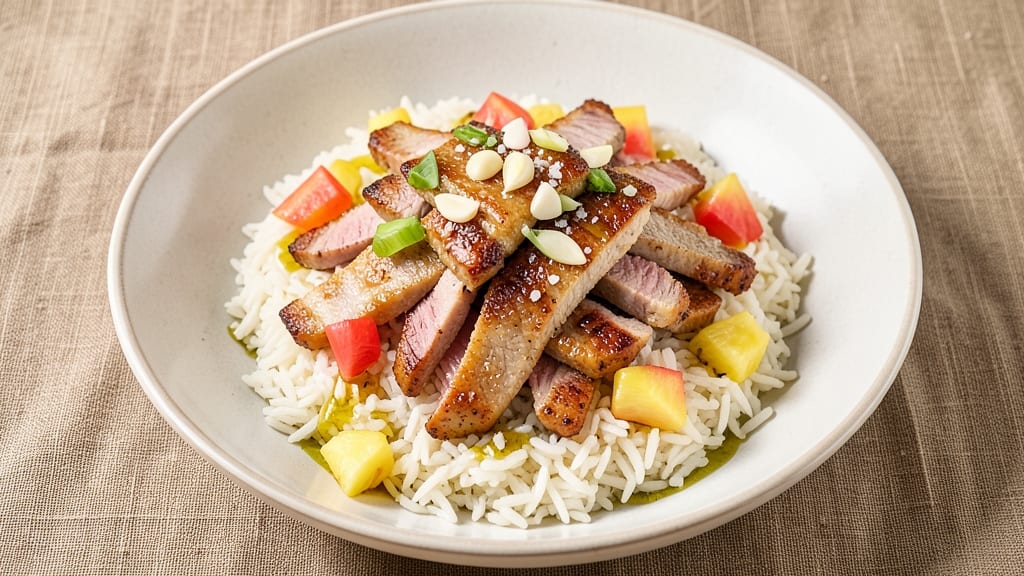
This pork pineapple fried rice recipe transforms simple ingredients into a vibrant, one-pan masterpiece where sweet, savory, and tangy flavors collide. The secret lies in perfectly seared pork strips—tender yet crispy—paired with caramelized pineapple chunks that add a bright, sweet-tart contrast.
I developed this recipe after craving a dish that balanced bold flavors without requiring multiple pans or complicated techniques, and it never fails to deliver restaurant-quality results at home.
The foundation starts with day-old jasmine rice, slightly cooled and tossed with a fragrant blend of garlic, ginger, and soy sauce to create the ideal base. While the rice sizzles in the wok, the pork strips get a quick sear in the same pan, locking in juices before being removed.
Fresh pineapple chunks—tossed with a touch of brown sugar and lime—join the mix just long enough to caramelize slightly, adding depth without overpowering the dish. The result is a harmonious blend where every bite delivers crispy pork, juicy pineapple, and perfectly seasoned rice.
What makes this recipe truly special is its versatility—serve it as a light lunch, a hearty dinner, or even a meal-prep staple that reheats beautifully.
Garnish with fresh cilantro and a drizzle of sweet chili sauce for an extra layer of flavor, or keep it simple with a sprinkle of sesame seeds.
The dish is balanced enough to satisfy picky eaters but flavorful enough to impress guests, making it a go-to for weeknight dinners or casual gatherings.
Ready in under 30 minutes, this recipe proves that fusion cuisine doesn’t have to be complicated. The pork stays juicy, the pineapple retains its sweetness, and the rice absorbs all the flavors without turning mushy.
Whether you're recreating a Filipino-inspired adobo twist or a Hawaiian-inspired loco moco-inspired bowl, this one-pan method ensures minimal cleanup and maximum flavor. Let’s get cooking!
Ingredients for pork pineapple and rice
Jasmine rice, pork strips, and pineapple chunks create this vibrant fusion dish with minimal effort.
| Ingredient | Amount | Notes |
|---|---|---|
| Day-Old Jasmine Rice 🍚 | 4 cups | Cooked, cooled, and slightly dried |
| Boneless Pork Loin 🥩 | 1 lb | Thinly sliced into strips |
| Fresh Pineapple Chunks 🍍 | 2 cups | Diced, about 0.5-inch pieces |
| Extra-Virgin Olive Oil 🫒 | 3 tbsp | For high-heat searing |
| Garlic Cloves 🧄 | 4 cloves | Minced, for aromatic base |
| Fresh Ginger 🌿 | 1 ½ tbsp | Grated, for zesty kick |
| Soy Sauce 🍶 | 3 tbsp | Light or all-purpose preferred |
| Brown Sugar 🍯 | 1 ½ tbsp | For pineapple caramelization |
| Lime Juice 🍋 | 2 tbsp | Freshly squeezed |
| Sesame Oil 🌰 | 1 tbsp | Toasted, for nutty aroma |
| Green Onions 🧅 | ¼ cup | Sliced, for garnish |
| Fresh Cilantro 🌿 | ¼ cup | Chopped, for fresh finish |
| Sweet Chili Sauce 🍶 | 2 tbsp | For drizzling (optional) |
| Diamond Crystal Kosher Salt 🧂 | ½ tsp | For seasoning |
| Ground Black Pepper 🌶️ | ¼ tsp | Freshly cracked |
The foundation starts with day-old jasmine rice—fresh rice turns mushy when fried, so plan ahead or use leftover rice from another meal. For the pork, boneless loin is ideal because it stays tender when sliced thin; avoid fatty cuts like belly, which can make the dish greasy. Fresh pineapple is non-negotiable here—canned chunks lack the bright sweetness and texture. Look for yellow pineapple with red flesh at specialty markets or the produce section of Whole Foods or Trader Joe's for the best quality. If you can't find fresh, frozen pineapple works in a pinch, but thaw and pat it dry thoroughly to avoid excess moisture in the pan.
No fresh ginger? Substitute with 1 teaspoon ground ginger, but fresh has a more complex flavor. Running out of soy sauce? Coconut aminos work in a 1:1 ratio, though they have a slightly sweeter profile. For the pineapple caramelization, brown sugar is key—white sugar won't give the same depth of flavor. If you're avoiding added sugar, reduce the brown sugar to 1 tablespoon and add 1 teaspoon maple syrup instead. The sesame oil should be toasted, not the flavored kind from the bottle—Kadoya or La Choy are reliable brands. For extra heat, add 1/4 teaspoon of chili flakes with the pork.
This dish reheats beautifully—30 seconds in the microwave or 2 minutes in a skillet restores crispiness. Store leftovers in an airtight container for up to 4 days in the fridge. For meal prep, portion into glass containers to maintain freshness. The flavors actually improve the next day as the pineapple softens slightly and absorbs more of the savory elements. Freeze for up to 3 months if you prefer, but the texture changes slightly upon thawing. Garnish with cilantro and green onions right before serving to keep the herbs vibrant.
Why You'll Love This Recipe
- One-Pan Magic: I swear by this trick—just toss the pork, pineapple, and garlic in the same pan as the rice. No extra pots, no mess, and honestly? That caramelized garlic scent alone makes me want to eat it straight from the pan.
- Sweet-Savory Balance: The pork stays juicy while the pineapple adds just enough tang to cut through the richness. Between us, that first bite of tender pork with the bright, fresh pineapple chunks? It’s the kind of combo that makes you close your eyes and sigh.
- Lunchbox Hero: Pack this the next day and watch it disappear. The rice stays fluffy, the pork holds its shape, and the pineapple keeps it from tasting like a sad office lunch. My kids actually finish their lunches—rare, but true.
- Budget-Friendly Luxury: Pork loin is leaner than ribs but just as satisfying, and pineapple stretches further than you’d think. I’ll be real: this feeds four for under $15, and leftovers taste even better reheated. That’s a win in my book.
Step-by-step instructions for pork pineapple fried rice
Transform day-old rice into a vibrant, flavorful dish with this one-pan technique.
Prepare the Protein and Aromatics
Slice the 1 lb boneless pork loin into thin strips, about ¼-inch thick—this ensures even cooking and tender texture. In a small bowl, combine the 0.5 tsp Diamond Crystal kosher salt and 0.25 tsp ground black pepper, then toss the pork strips in this mixture to season evenly.
While the pork rests, mince the 4 cloves garlic cloves and grate the 1.5 tbsp fresh ginger. The ginger should be finely grated—you want a smooth paste, not coarse chunks. Set these aside; we'll use them to build the aromatic base for the dish. The key here is freshness—both garlic and ginger release their flavors best when freshly minced and grated.
Sear the Pork and Pineapple
Heat a large skillet or wok over high heat until it's smoking hot. Add 2 tbsp of the 3 tbsp extra-virgin olive oil and swirl to coat the pan. Add the pork strips in a single layer, letting them sear undisturbed for 2-3 minutes until they develop a golden crust. Avoid overcrowding the pan—this prevents the pork from steaming instead of searing.
Once the pork is browned, remove it from the pan and set aside. In the same pan, add the remaining 1 tbsp extra-virgin olive oil and the 2 cups fresh pineapple chunks. Cook for 3-4 minutes until the pineapple begins to caramelize slightly at the edges. This step enhances the natural sweetness and adds depth to the dish. If the pineapple releases a lot of liquid, let it evaporate before moving forward—this prevents a soggy fried rice.
Build the Flavor Base
Reduce the heat to medium-high and add the minced garlic and grated ginger to the pan. Cook for 30-45 seconds until the garlic turns golden and the ginger becomes fragrant—this is your aromatic foundation. Immediately add the 3 tbsp soy sauce and 1.5 tbsp brown sugar, stirring to combine. Let the mixture simmer for 1 minute until the sugar begins to caramelize slightly, deepening the umami and sweet-tart balance.
Next, add the 2 tbsp lime juice and 1 tbsp sesame oil, stirring well to incorporate. The lime juice brightens the dish, cutting through the richness of the pork and pineapple, while the sesame oil adds a nutty depth. Taste the mixture at this stage—it should be balanced, with a harmonious blend of sweet, tangy, and savory notes. If it needs more saltiness, add a pinch more of the Diamond Crystal kosher salt.
Combine and Cook the Fried Rice
Add the 4 cups day-old jasmine rice to the pan, breaking up any clumps with a spatula. Stir-fry for 2-3 minutes until the rice is heated through and begins to absorb the flavors. The rice should be slightly crispy around the edges—this texture is what makes fried rice so satisfying. If the mixture seems dry, add 1-2 tablespoons of water to help steam the rice and prevent it from sticking.
Return the seared pork strips to the pan and toss everything together for 1-2 minutes until the pork is heated through and the rice is evenly coated in the sauce. The pork should be tender but still hold its shape—overcooking will make it tough. At this point, the dish should be vibrant, with a glossy sheen from the sesame oil and a fragrant aroma that fills the kitchen.
Finish and Serve
Remove the pan from heat and let it sit for 1 minute to allow the flavors to meld. Stir in the 0.25 cup sliced green onions and 0.25 cup chopped fresh cilantro, reserving a few sprigs of each for garnish. The green onions add a fresh crunch, while the cilantro brightens the dish with its citrusy notes. If you're using the 2 tbsp sweet chili sauce, drizzle it over the top just before serving—this adds a sweet, spicy contrast that ties everything together.
Transfer the fried rice to a serving platter and garnish with the reserved green onions and cilantro. Serve immediately while the rice is still warm and the flavors are at their peak. Each bite should deliver a perfect balance of tender pork, sweet-tart pineapple, and aromatic rice, with a hint of spicy-sweet chili sauce if you've chosen to include it. This dish is best enjoyed fresh, so don't let it sit too long before serving.
Pro Tips For Making Pork Pineapple And Rice
- SEAR THE PORK FIRST: Don’t skip browning the pork—cast iron or a heavy skillet over medium-high heat until it’s golden in 3-4 minutes per side. That crust locks in flavor and keeps the meat from drying out later when you add the pineapple’s acidity. (Yes, even if you’re tempted to toss it in raw.)
- USE COLD RICE: Day-old Jasmine rice is non-negotiable here—it absorbs sauces like a sponge without turning mushy. If you’re short on time, spread freshly cooked rice on a tray, chill for 30 minutes, then fluff it up before mixing. Cold rice also prevents the dish from turning into a gluey mess when combined with the pork and pineapple.
- MINCE THE GARLIC FINE: I used to smash whole cloves with the flat of my knife, but that leaves you with garlic flavor, not impact. Pulse 3-4 peeled cloves in a food processor for 10 seconds—you want a paste, not a purée. This distributes the flavor evenly and cuts down on the chance of a single clove sitting like a bitter rock in your bite.
- SIMMER THE PINEAPPLE: Don’t just dump raw pineapple chunks into the pan—they’ll release too much liquid and dilute your sauce. Sauté them for 2-3 minutes first until they soften slightly and start caramelizing at the edges. This also mellows their sharpness, so they play nice with the pork instead of fighting it. (Trust me, your taste buds will notice.)
Essential equipment for perfect results
Wok or Skillet
A wok is ideal for this recipe because its wide surface area allows for even heat distribution and quick cooking—perfect for stir-frying. I prefer a carbon steel wok like the De Buyer 14-inch because it heats up fast and develops a natural non-stick patina over time.
If you don’t have a wok, a large cast-iron skillet (like a Lodge 12-inch) works just as well. For non-stick convenience, a high-quality ceramic-coated pan (such as GreenPan or CeraCoat) can work, but avoid cheap non-stick—it can’t handle the high heat needed for searing pork properly. 🔥
High-Heat Oil
Use an oil with a high smoke point to prevent burning during searing. Extra-virgin olive oil (as called for in the recipe) works well for its flavor, but for maximum heat resistance, I recommend avocado oil or refined peanut oil.
Brands like Mazola or Bertolli refined peanut oil are affordable and perfect for stir-frying. Avoid butter or unrefined oils—they burn too easily and can ruin the dish.
Keep a small bottle of sesame oil (like Kadoya or La Choy) on hand for finishing touches—it adds a nutty aroma that elevates the dish. 🫒
Knife and Cutting Board
A sharp chef’s knife (like the Wüsthof Classic 8-inch) is essential for slicing the pork into even strips and dicing the pineapple and green onions. For the ginger, a microplane or fine grater ensures you get a smooth paste without chunks.
I also recommend a cutting board with a juicer groove (such as John Boos End Grain) to catch excess pineapple juices while you prep. A small offset spatula (like OXO Good Grips) helps scrape up every last bit of flavor from the pan. 🔪
Measuring Tools
Precision matters when balancing flavors, so invest in a stainless steel measuring spoons set (like OXO Good Grips) for accurate measurements of soy sauce, brown sugar, and sesame oil. A digital kitchen scale (such as the Escali Primo) is ideal for weighing the pork and pineapple, ensuring consistency.
For liquids, a clear glass measuring cup (like Pyrex) makes it easy to gauge lime juice and water additions. Don’t skimp on these tools—they make all the difference in achieving the perfect balance of sweet, savory, and tangy flavors. ⚖️
Garnishing Essentials
Fresh herbs and garnishes elevate the dish, so keep cilantro and green onions on hand. A small pair of kitchen shears (like Mercer Culinary Genius) makes quick work of slicing green onions, while a sharp pair of scissors can trim cilantro stems efficiently.
For extra flair, a small squeeze bottle (like OXO Good Grips) can hold sweet chili sauce for easy drizzling. If you’re feeling fancy, toasted sesame seeds (from Penzeys Spices) add a crunchy, nutty finish. 🌿
Nutrition facts
Frequently asked questions
Can I use fresh pineapple instead of canned in this recipe?
Fresh pineapple is ideal for this dish—it adds a brighter sweetness and better texture. Just dice it into ½-inch chunks and pat them dry with a paper towel to remove excess moisture before cooking. Fresh pineapple releases more juice than canned, so let it caramelize for 3-4 minutes to develop deeper flavor.
What's the best rice to use for this fried rice?
Jasmine rice is perfect because it stays slightly sticky when cooked and reheated, giving the fried rice its signature texture. For best results, use day-old rice—fresh rice turns mushy when fried. If you don’t have jasmine, long-grain white rice works too, but avoid short-grain varieties like sushi rice, which can get too sticky.
How do I make this dish spicier?
Add ½ teaspoon of red pepper flakes or 1 teaspoon of sriracha when you toss the rice with the pork. For extra heat, stir in 1 tablespoon of gochujang (Korean chili paste) or a dash of cayenne pepper with the soy sauce. Adjust to taste—start small and add more if needed.
Can I prep this ahead of time for meal prep?
Yes! Store cooked fried rice in an airtight container in the fridge for up to 4 days. Reheat in a skillet over medium heat for 2-3 minutes or microwave for 1-2 minutes, stirring occasionally. The flavors actually deepen overnight, making it even more delicious the next day!
What if I don’t have sesame oil?
Don’t worry—you can skip it or substitute with 1 teaspoon of toasted peanut butter (yes, peanut butter!) or even a pinch of ground toasted sesame seeds **for aroma. The dish will still taste great, though sesame oil adds that signature nutty depth. If using peanut butter, reduce the sweet chili sauce slightly to balance flavors.