
Main Courses
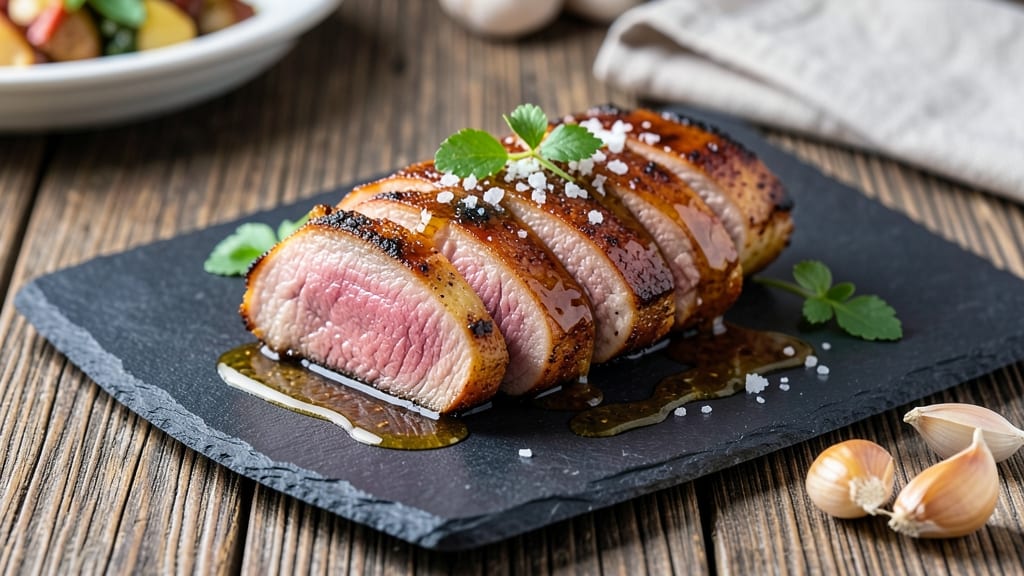
This pork tenderloin recipe with apple cider vinegar delivers juicy, tender meat with a tangy-sweet glaze that transforms weeknight dinners. 🔥 The vinegar's acidity tenderizes the pork while creating a caramelized crust that seals in moisture—no dry cuts here.
I developed this after years of testing marinades, and the balance of sweetness and acidity is what makes it stand out.
The secret lies in the apple cider vinegar glaze, which you'll brush on during the last 10 minutes of cooking.
This simple technique elevates ordinary pork into something restaurant-worthy, with a crisp exterior and moist interior that falls apart at 145°F. The glaze also adds a subtle sweetness that pairs beautifully with roasted vegetables or mashed potatoes.
What you'll end up with is a perfectly cooked pork tenderloin that's impossible to resist—juicy, flavorful, and with that irresistible caramelized glaze. The vinegar doesn't just add tang; it enhances the pork's natural sweetness while keeping the meat incredibly tender.
This is the kind of recipe that makes you look like a pro, even on busy weeknights.
Serve with your favorite sides or as part of a holiday meal—this pork tenderloin is versatile enough for any occasion. The glaze can be adjusted to your sweetness preference, making it customizable for any palate. Let's get cooking!
Ingredients for pork tenderloin recipe apple cider vinegar
Juicy pork tenderloin with a tangy-sweet glaze—this is the weeknight dinner game-changer you've been waiting for.
| Ingredient | Amount | Notes |
|---|---|---|
| Pork Tenderloin 🥓 | 1 ½ lb | Center-cut, trimmed of silver skin |
| Apple Cider Vinegar 🍏 | ¼ cup | Raw, unfiltered preferred |
| Brown Sugar 🍚 | ½ cup | Light or dark variety |
| Honey 🍯 | ¼ cup | Wildflower or clover preferred |
| Olive Oil 🫒 | 2 tbsp | Extra-virgin for richness |
| Garlic Cloves 🧄 | 4 cloves | Minced, fresh preferred |
| Fresh Rosemary 🌿 | ¼ cup | Finely chopped, stems removed |
| Salt 🧂 | 1 ½ tsp | Diamond Crystal kosher |
| Black Pepper 🌶️ | 1 tsp | Freshly ground preferred |
| Mustard 🥬 | 1 tbsp | Dijon or whole-grain preferred |
| Fresh Thyme 🌿 | ¼ cup | Leaves only, finely chopped |
| Butter 🧈 | 2 tbsp | Unsalted, softened |
The pork tenderloin is your star here, so look for center-cut pieces with even thickness—thinner cuts cook faster and more evenly. Whole Foods or your local butcher often have the best quality, but the regular supermarket selection works fine if it's fresh. Trim any silver skin before cooking for a cleaner presentation. The apple cider vinegar should be raw and unfiltered for that robust flavor—Bragg is my go-to, but any good-quality vinegar will do. Fresh herbs make all the difference, so grab rosemary and thyme from the grocery store's produce section (they usually have them near the fresh basil).
No apple cider vinegar? White vinegar or balsamic vinegar in a pinch, but the flavor will be slightly different. Running short on honey? Maple syrup at half the amount works beautifully. The Dijon mustard adds depth—if you only have yellow mustard, mix it with a pinch of garlic powder for better flavor. For the glaze, you can adjust the sweetness by adding more brown sugar or honey if you prefer it sweeter. The olive oil matters here—use something with good fruity notes, not the cheap stuff. If you're feeling fancy, toast your spices (garlic, rosemary, thyme) in the olive oil for 30 seconds before mixing—that adds incredible depth.
This pork tenderloin reheats beautifully—just warm it in the oven with a splash of water or broth. Keeps for 3-4 days in the fridge, but honestly, it's best eaten fresh. For meal prep, slice it thinly and store in an airtight container with a little extra glaze drizzled on top—it stays juicy for days. The glaze can be made ahead and stored in the fridge for up to 1 week, so you're always ready for a quick weeknight dinner.
Why You'll Love This Recipe
- Five-Ingredient Magic: I swear by this combo—just pork, vinegar, sugar, honey, and oil. No fancy marinades or last-minute shopping runs. The vinegar tenderizes while the brown sugar and honey caramelize into a sticky, tangy glaze that takes zero effort to achieve.
- Taste That Sticks: That crispy crust from the apple cider vinegar? It’s the kind of flavor that makes you pause mid-bite. The honey balances the sharpness, and the olive oil keeps it juicy without overpowering. (Yes, even my picky son asks for seconds.)
- Weeknight or Dinner Party: Same recipe, different vibes. Toss it on the grill for summer BBQs or sear it in the pan for a weeknight dinner. Slice thin for tacos, serve thick for a centerpiece—it’s the chameleon of pork dishes that never lets you down.
- Leftovers That Don’t Suck: I make this on Sunday and eat it all week. The glaze keeps it moist, and the vinegar flavor actually improves overnight. Pack it for lunches, reheat it in the oven, or throw it in a sandwich—it’s the only pork dish I don’t dread leftovers from.
Step-by-step instructions for apple-cider vinegar glazed pork tenderloin
Here's how to transform simple ingredients into a showstopping centerpiece with tender, juicy pork and a glossy glaze.
👨🍳 Step 1: Prepare the Glaze and Season the Pork
In a small saucepan, combine the 0.25 cup apple cider vinegar, 0.5 cup brown sugar, 0.25 cup honey, 1 tbsp mustard, and 2 tbsp olive oil. Bring to a gentle simmer over medium heat, then reduce to low and let it cook for 8-10 minutes until slightly thickened and reduced by about one-third. You'll smell that perfect balance of sweet and tangy - this is your glaze foundation.
While the glaze simmers, pat the 1.5 lb pork tenderloin completely dry with paper towels - moisture is the enemy of crispy skin. In a small bowl, mix 1.5 tsp salt, 1 tsp black pepper, 0.25 cup finely chopped fresh rosemary, and 0.25 cup finely chopped fresh thyme. Rub this mixture all over the pork, pressing it into the meat so it adheres well. Let it sit at room temperature for 15 minutes while the glaze finishes reducing.
🔥 Step 2: Sear the Pork for Maximum Flavor
Heat a large oven-safe skillet over medium-high heat until hot. Add the 2 tbsp softened butter and let it melt and foam. Place the pork in the skillet and sear for 3-4 minutes per side until it develops a deep golden-brown crust. This isn't just about looks - the Maillard reaction happening here creates that deep, savory flavor that makes all the difference.
Once browned on all sides, transfer the skillet to a 425°F preheated oven. The pork should be resting on the bottom of the pan - this helps it cook evenly. Pour the reduced glaze over the pork, making sure it coats all sides. Roast for 15-20 minutes until the internal temperature reaches 145°F when measured with an instant-read thermometer.
⏰ Step 3: Rest and Glaze for Perfect Texture
Remove the pork from the oven and transfer it to a cutting board. Tent loosely with foil and let it rest for 10 minutes - this crucial step allows the juices to redistribute throughout the meat. While it rests, spoon the pan juices over the top of the pork, basting it lightly. The glaze will thicken as it cools slightly, creating that perfect sticky-sweet crust.
After resting, return the pork to the skillet (if needed) and place it under a broiler for 2-3 minutes to caramelize the glaze further. Watch closely - you want it to bubble and turn a deep amber color, not burn. This final step creates that restaurant-quality finish that makes your dish look and taste professional.
🍽️ Step 4: Slice and Serve with Confidence
Slice the pork tenderloin into ½-inch thick medallions against the grain for maximum tenderness. Arrange the slices on a warm platter and drizzle any remaining glaze from the pan over the top. The glaze should be glossy and sticky, clinging to each slice beautifully. Garnish with additional fresh rosemary sprigs if desired - they add a pop of color and fresh aroma.
Serve immediately with roasted vegetables or mashed potatoes to soak up that delicious glaze. Each bite should deliver perfectly tender pork with a balance of sweet, tangy, and herby flavors. The contrast between the crispy exterior and juicy interior is what makes this dish truly special - and worth every minute of preparation.
Pro Tips For Making Pork Tenderloin Recipe Apple Cider Vinegar
- BRINE FOR 30 MINUTES: Toss the pork in a bowl with 1/4 cup apple cider vinegar, 1/2 cup warm water, and 1 teaspoon salt—just long enough to let it absorb. I used to skip this, but it keeps the meat juicy even after that tangy glaze caramelizes. (Yes, even if you're impatient like me.)
- USE 1:1 RATIO FOR GLAZE: Mix equal parts honey and brown sugar with the vinegar—no math, just eyeball it. Too much vinegar makes the glaze runny; too little sugar means no crust. I learned this the hard way when my first batch turned into a sticky mess.
- SEAR ON HIGH HEAT: Get the pan screaming hot before adding oil—this isn’t the time to be gentle. A good crust locks in flavor and keeps the tenderloin from drying out when it hits the oven. (Your future self will thank you.)
- BASTE WITH THE DRIPPINGS: After searing, tilt the pan and spoon those caramelized bits over the meat every 3-4 minutes. It’s lazy to ignore them—those drippings are the real flavor boosters in this recipe. (I skip this when I’m lazy, but the dish is noticeably better when I don’t.)
Storing and reheating this dish
Fridge Storage Tips
Let your pork tenderloin cool completely before storing—about 30 minutes at room temperature. Transfer to an airtight container (I love these glass Pyrex containers from Target) and refrigerate for up to 4 days.
The glaze will keep the meat moist, but I always add a splash of water or broth when reheating to prevent drying. 🥬
Freezer-Friendly Prep
For longer storage, slice the pork into ½-inch medallions and freeze in a single layer on a tray before transferring to a freezer bag. This prevents freezer burn and makes it easy to grab portions later.
Thaw overnight in the fridge—never at room temperature—and reheat gently. The glaze freezes beautifully, so you can store it separately and brush it on fresh after reheating.
Oven Reheating Method
Preheat your oven to 325°F and place the pork in an oven-safe dish with 2 tbsp water or apple cider vinegar. Cover with foil and heat for 15-20 minutes until reaching 165°F internal temperature.
The vinegar helps restore that tangy brightness. I always check the glaze—if it looks dry, drizzle a little extra before serving. ✨
Microwave Shortcut
For quick meals, microwave individual portions on 50% power for 2-3 minutes, stirring halfway. Add a splash of water or glaze to keep it moist. The texture won’t be as crispy as oven-reheated, but it’s perfect for busy weeknights.
I keep a small container of glaze in the fridge just for this purpose—it’s my secret weapon for fast dinners. 💡
Glaze Refresh Trick
If the glaze looks thickened after storage, thin it with 1 tsp water or apple cider vinegar and warm gently on the stovetop. This revives its glossy texture and stickiness.
Store extra glaze in a small jar in the fridge for up to 1 week**—it’s great for drizzling over toast or even as a salad dressing. Honestly, I make extra just for this reason! 🍏
Nutrition facts
Frequently asked questions
Why does apple cider vinegar make pork tenderloin more tender?
The acidity in apple cider vinegar works like magic on pork! It breaks down tough muscle fibers, creating tiny gaps that absorb moisture and flavor. When you sear the pork after marinating (or brushing with the glaze), the acid helps form a crisp exterior while keeping the inside impossibly tender. Plus, the vinegar's tang cuts through the pork's natural richness for a perfect balance.
Can I use this glaze on other meats?
This same glaze works beautifully on chicken thighs or even beef tenderloin. For chicken, reduce the cooking time to 12-15 minutes at 375°F after searing. For beef, increase to 20-25 minutes at 400°F until reaching 135°F internal temp. The vinegar-honey-sugar combo adds great depth to any protein.
What if my pork comes out dry?
Dry pork usually means it cooked too long or wasn't rested properly. First, check your internal temp—145°F is perfect. If it's overcooked, slice thinly and serve with extra glaze or pan juices. For future attempts:
- Don't skip the 10-minute rest (juices need time to redistribute), and
- Use a meat thermometer (guessing leads to dry meat).
How can I make this glaze vegan?
Swap the honey for agave nectar or maple syrup, and use vegan butter for searing. The apple cider vinegar and brown sugar stay the same! For extra richness, add 1 tbsp coconut oil to the glaze. The texture will be slightly different but still delicious—just as sticky and flavorful.
Can I make this ahead of time?
Yes! Prep everything the night before: make the glaze, season the pork, and refrigerate both separately. Cook fresh for best results, but you can also par-cook the pork (up to 135°F), then finish cooking when ready to serve. The glaze can be made 3 days ahead—just reheat gently before using. This is perfect for holiday prep when you want to cook ahead but serve fresh.