
Main Courses
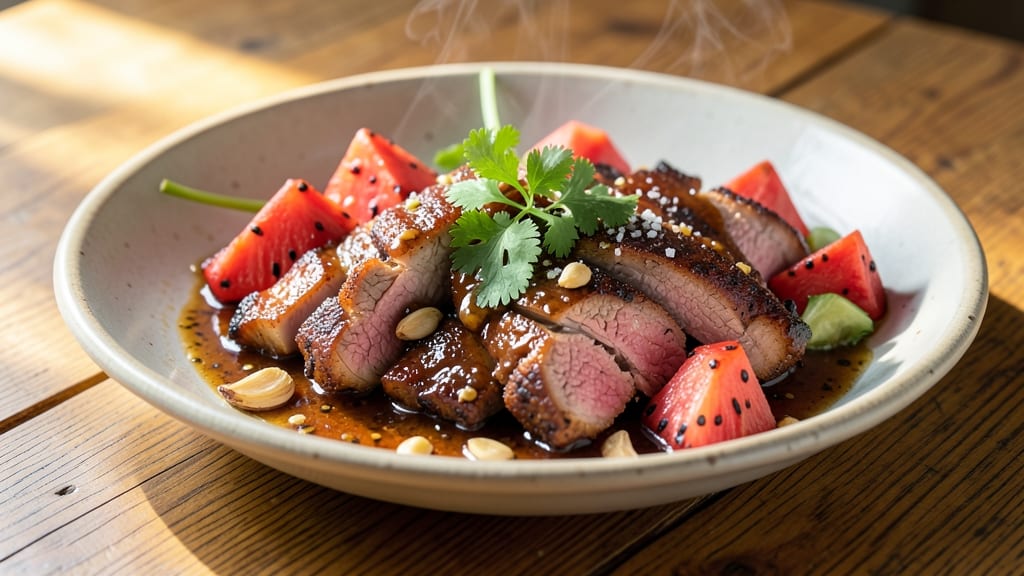
A pinoy pork with pineapple recipe delivers that perfect balance of sweet, tangy, and savory flavors that make it a comfort food staple. 🌟 I've perfected this recipe over years of cooking for crowds, where the caramelized sauce transforms tender pork into melt-in-your-mouth bites.
The secret lies in marinating the pork with traditional Filipino seasonings and letting the pineapple's natural sweetness meld with the rich, umami depth of soy and vinegar.
This dish starts with a simple yet flavorful marinade that tenderizes the pork while building layers of taste. We'll use pork belly for its rich, fatty texture that absorbs the sauce beautifully, but pork shoulder works equally well.
The key is cooking it just right—whether you braise it slowly or stir-fry it quickly—to create that signature caramelized glaze that clings to every bite. Fresh pineapple adds brightness, but canned works in a pinch for convenience without sacrificing flavor.
What makes this dish truly special is how the flavors come together: the tangy kick of calamansi or lemon, the deep umami from soy sauce, and the natural sweetness of pineapple all harmonize in a sauce that's both simple and complex.
The result is fork-tender pork swimming in a glossy, slightly sticky glaze that's impossible to resist. Serve it over steamed rice to soak up every last drop of that sweet-tangy caramel.
For a complete Filipino meal, pair this with classic sides like atchara (pickled papaya), garlic fried rice, or a simple green salad. The acidity of the atchara cuts through the richness of the pork, while the fried rice adds a satisfying crunch.
This dish isn't just a recipe—it's a taste of home that brings people together, one sweet-tangy bite at a time.
Ingredients for pork with pineapple pinoy
Sweet, tangy, and savory—these ingredients create the perfect Filipino comfort food experience.
| Ingredient | Amount | Notes |
|---|---|---|
| Pork Belly 🥩 | 2 lb | Cut into 1-inch cubes |
| Fresh Pineapple 🍍 | 1 whole | Cubed, 1-inch pieces (or canned) |
| Soy Sauce 🍶 | ½ cup | Dark soy preferred for color |
| Calamansi or Lemon Juice 🍋 | ¼ cup | Freshly squeezed, tangy |
| Brown Sugar 🍚 | ½ cup | Packed, for caramelization |
| Garlic Cloves 🧄 | 6 cloves | Minced, aromatic |
| Ginger Root 🌿 | 2 tbsp | Freshly grated, zesty |
| Black Peppercorns 🌶️ | 1 tsp | Freshly cracked, pungent |
| Olive Oil 🫒 | 2 tbsp | For searing pork |
| Kalamansi or Lime Zest 🍋 | 1 tsp | Bright citrus aroma |
| Bay Leaf 🌿 | 1 whole | For depth of flavor |
| White Vinegar 💧 | 1 tbsp | Balances sweetness |
| Salt 🧂 | 1 ½ tsp | Kosher or sea salt |
Pork belly is the star here—its fat renders beautifully for that signature caramelized glaze. Costco or your local butcher usually have it pre-cut, but if buying whole, ask for a 2-pound piece to cube yourself. Fresh pineapple is ideal, but Dole brand canned works in a pinch—just drain well. The soy sauce matters too: Lee Kum Kee dark soy gives the deepest color, but any dark soy will do. Calamansi is the Filipino secret weapon for tang, but if you can't find it, lemon or lime juice works perfectly fine.
No fresh ginger? Powdered ginger at half the amount gets you close. Short on brown sugar? White sugar plus 1 tsp molasses mimics the caramelization. The garlic and ginger should be freshly grated or minced—pre-minced jars lose flavor fast. For extra depth, toast the garlic in olive oil for 30 seconds before adding to the marinade. The vinegar might seem like a small detail, but it's what cuts through the sweetness and balances everything. Skip it, and the dish gets cloying fast.
Pork cubes keep 3-4 days in the fridge if marinated, but use within 2 days for best texture. Fresh pineapple lasts 5-7 days in the fridge, but once cut, store it in a sealed container with a paper towel to absorb moisture. The marinade itself? Make it a day ahead—flavors meld beautifully. Freeze the cooked pork in portions for up to 3 months, but reheat gently to avoid drying out.
Why You'll Love This Recipe
- Pantry Magic: The only ingredients you need are pork belly, pineapple chunks, soy sauce, and a squeeze of calamansi—stuff you already have lurking in your fridge or pantry. No fancy shopping trips, no last-minute panic. Honestly, this is the kind of recipe that makes you feel like a genius when you remember it exists.
- Sweet-Savory Magic: That caramelized brown sugar glaze on the pork? Chef’s kiss. Then the bright, tangy calamansi cuts through the richness while the pineapple adds just enough sweetness to make your taste buds do a happy dance. It’s the kind of flavor combo that feels indulgent but somehow still light.
- Leftover Hero: This dish actually tastes better the next day. I swear. The pork gets more tender, the sauce thickens into a glossy glaze, and suddenly you’ve got a weeknight dinner that’s also a meal-prep win. Pack it in containers, reheat it, and watch your lunchbox become the talk of the office.
- Sunday Simmer, Weeknight Win: Start it slow on Sunday for a crowd-pleasing meal, or throw it together in 30 minutes on a Tuesday when you’re starving and tired. The same simple technique works both ways—just adjust the time. Between us, this is my go-to when I need something reliable that still feels special.
Step-by-step instructions for sweet-tangy pork belly with pineapple
This Filipino classic delivers melt-in-your-mouth pork with a glossy, caramelized sauce.
🔥 Step 1: Sear the Pork Belly Until Golden
Heat a large Dutch oven over medium-high heat and add the 2 tablespoons olive oil. Once shimmering, add the 2 lb pork belly cut into 1-inch cubes in a single layer. Let them sear undisturbed for 3-4 minutes until golden brown on one side—this creates that perfect crust we're after.
Real talk: Don't rush this step. If the pork releases easily from the pan, it's not ready to flip. You'll know it's time when the edges are deeply browned and the fat starts to render out. Once golden, turn the pieces and repeat on the second side. Transfer the seared pork to a plate and set aside.
🍳 Step 2: Build the Sweet-Savory Sauce Base
In the same Dutch oven, reduce heat to medium and add the 6 cloves minced garlic cloves and 2 tablespoons freshly grated ginger root. Sauté for 1 minute until fragrant—you'll smell that aromatic punch of garlic and ginger filling your kitchen. Be careful not to let them burn; they go from delicious to bitter fast.
Stir in the 1.5 teaspoons salt, 1 teaspoon freshly cracked black peppercorns, and 1 whole bay leaf. Pour in the 0.5 cup soy sauce and 0.25 cup calamansi or lemon juice, scraping up any browned bits from the bottom. These bits are flavor gold—don't miss them!
🥘 Step 3: Simmer with Pineapple and Caramelize
Add the 1 whole fresh pineapple cut into 1-inch cubes and the 0.5 cup packed brown sugar to the pot. Stir well to combine, then increase heat to medium-high until the mixture comes to a gentle boil. Once boiling, reduce heat to low and let it simmer uncovered for 30-40 minutes.
Here's where the magic happens: You want the sauce to reduce and caramelize until it's syrupy and glossy. Stir occasionally, especially if the pineapple pieces are large. The sugar will dissolve and create that beautiful amber sauce that clings perfectly to the pork. If it gets too thick before the pork is tender, add 2-3 tablespoons water to loosen it.
🍽️ Step 4: Finish with Citrus and Vinegar
Return the seared pork belly to the Dutch oven and spoon the caramelized sauce over it. Add the 1 tablespoon white vinegar and 1 teaspoon kalamansi or lime zest, then cover and simmer for another 15-20 minutes on low heat. The pork is done when it's fork-tender and easily pulls apart.
The vinegar brightens the sauce, cutting through the sweetness, while the citrus zest adds that fresh, zesty kick. Taste and adjust seasoning if needed—you might want to add a touch more soy sauce for saltiness or a splash of calamansi juice for tang. Remove the bay leaf before serving.
⏰ Step 5: Rest and Serve with Perfect Sauce
Transfer the pork and pineapple to a serving platter, spooning the sauce generously over the top. Let it rest for 5-10 minutes—this allows the juices to redistribute and the sauce to thicken slightly. Serve immediately with steamed rice to soak up that delicious caramelized goodness.
Each bite should deliver tender, flavorful pork with a glossy, sweet-tangy sauce that's perfectly balanced. The pineapple adds just the right amount of brightness to cut through the richness of the pork belly. Don't forget to save some of that sauce for leftovers—it's even better the next day!
Pro Tips For Making Pork With Pineapple Pinoy
- CRISP THE BELLY FIRST: Cut pork belly into 1-inch cubes before browning—thicker pieces steam instead of sear, and you’ll end up with mushy edges instead of that caramelized crust. Use a sharp knife and work in batches if needed; a crowded pan drops the temperature fast, and you’ll be stirring instead of cooking.
- PEEL THE PINEAPPLE WRONG: Skip the tedious coring—slice the pineapple in half lengthwise, then cut into ½-inch chunks with the rind still on. The rind keeps the flesh from bleeding juice into your pan, and you can just peel it off after cooking. (Yes, it’s faster, and no, it won’t ruin the flavor.)
- DON’T RUSH THE SOY SAUCE: Add soy sauce after the pork has browned and the pineapple’s released its juice—waiting 2–3 minutes lets the initial Maillard reaction deepen the pork’s flavor. Dumping it in early just dilutes the pan and makes your dish taste flat. Patience here makes a real difference.
- SAVE THE CALAMANSI PEEL: Strain the juice through a fine-mesh sieve, then toss the used peels into the pan with the pork and pineapple for the last 5 minutes. The residual oils and bitterness mingle with the caramelizing sugar, adding a bright, complex edge that store-bought lemon juice can’t match. (I know, it sounds weird, but it works.)
Health benefits of this dish
Protein Powerhouse
This dish delivers a high-quality protein punch with 2 lbs of pork belly providing about 60 grams of protein—that's roughly 10 grams per serving. Pork belly is rich in essential amino acids that support muscle repair and immune function.
The slow cooking method preserves these nutrients while making the meat incredibly tender. 💪
Vitamin C Boost
Fresh pineapple brings a vitamin C boost, with one cup providing 79% of your daily needs. This vitamin supports collagen production, skin health, and immune function. Even canned pineapple retains about 50% of its vitamin C content, so you still get benefits.
I always use fresh when possible, but canned works in a pinch.
Natural Sweetness
The brown sugar in this recipe provides quick energy through natural glucose, while the pineapple contributes fructose for sustained release. Together, they create a balanced sweetness that satisfies cravings without the blood sugar spike of refined sugars.
The 1 cup of brown sugar adds about 200 calories but includes beneficial minerals like manganese and copper.
Digestive Benefits
The ginger and vinegar in this recipe offer surprising digestive benefits. Fresh ginger contains gingerol, a compound that aids digestion and reduces nausea. White vinegar acts as a natural probiotic, supporting gut health when consumed in moderation.
Together, they help balance the richness of the pork belly while promoting better digestion after your meal. ✨
Low-Calorie Protein
Compared to other rich pork dishes, this recipe remains relatively balanced. The 2 lbs pork belly provides 1,200 calories total, but with 60 grams protein, it's a more satisfying option than fried pork alone.
The pineapple and citrus elements add volume and nutrients without significant calorie addition, making this a heartier but still balanced meal.
Cultural Comfort
Beyond nutrition, this dish offers the comfort of familiar flavors. The combination of sweet, tangy, and savory elements triggers dopamine release, creating that satisfying "home cooking" feeling. Studies show that familiar, comforting foods can reduce stress hormones like cortisol.
There's nothing quite like this dish to bring people together—whether it's a family gathering or a potluck. 💛
Nutrition facts
Frequently asked questions
Can I use pork shoulder instead of pork belly?
Pork shoulder works beautifully—it's leaner but still absorbs the sauce wonderfully. Just cut it into 1-inch cubes and increase cooking time by 10-15 minutes to ensure tenderness. The fat content will be slightly lower, so you might want to add 1 extra tablespoon olive oil when searing.
What if I can't find fresh pineapple or calamansi?
No problem! Use canned pineapple chunks (drained well) and substitute calamansi with lime or lemon juice. For extra tang, add ½ teaspoon fish sauce—it's a common Filipino trick. The flavor will still be delicious, just slightly more accessible.
How do I prevent the sauce from getting too sweet?
Balance is key! Add 1 extra tablespoon white vinegar or ½ teaspoon fish sauce to cut the sweetness. You can also reduce the brown sugar to ⅓ cup and add 1 tablespoon soy sauce for umami depth. Taste as you go—adjust gradually to avoid overpowering the pork.
Can I make this dish in a slow cooker?
Yes! Sear the pork first, then transfer everything (including sauce) to the slow cooker. Cook on low for 6-8 hours or high for 3-4 hours. Stir occasionally to prevent sticking. The slow cooker method is perfect for hands-off prep, and the sauce will naturally thicken.
What's the best way to reheat leftovers?
Gently reheat in a skillet over low heat with 1-2 tablespoons water to prevent drying. Avoid microwaving—it can make the pork rubbery. For extra flavor, add a splash of soy sauce or calamansi juice while reheating. Leftovers taste even better the next day!