
Main Courses
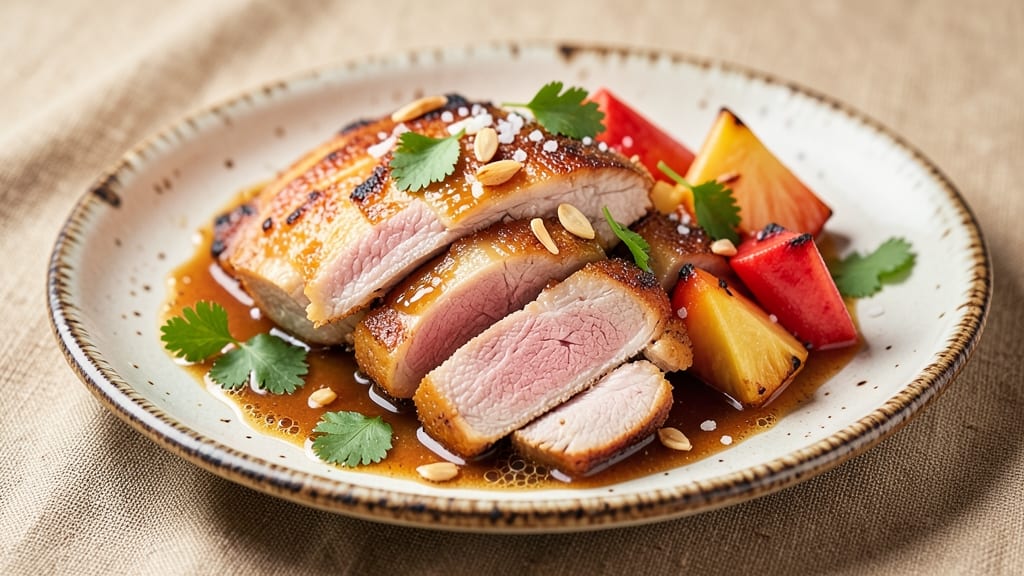
This pork belly pineapple adobo recipe brings the bold flavors of Filipino comfort food to your table with a perfect balance of smoky, sweet, and tangy notes. 🔥 I first tasted this dish in Manila, where the combination of tender pork belly and caramelized pineapple creates an irresistible harmony that's both rich and refreshing.
The secret lies in slow-braising the pork with a marinade of soy sauce, vinegar, and spices, then finishing with fresh pineapple for that signature sweetness.
What sets this recipe apart is the tender, melt-in-your-mouth pork belly that absorbs the adobo's deep flavors while maintaining its natural richness. The pineapple not only adds sweetness but also tenderizes the meat further, creating a dish that's both hearty and vibrant.
This method requires patience—about 3 hours of slow cooking—but the result is worth every minute, delivering a restaurant-quality meal that's perfect for family dinners or special occasions.
The beauty of this recipe is its versatility. Serve it over steamed rice to soak up every last bit of the caramelized sauce, or pair it with crusty bread for a more substantial meal.
The aroma alone will have everyone gathering around the table, and the first bite delivers that perfect balance of smoky, tangy, and sweet flavors that make this dish unforgettable. Trust me, once you try this, it'll become a staple in your cooking repertoire.
For those who love Filipino cuisine, this recipe captures the essence of adobo while adding a tropical twist with pineapple. The process might seem detailed, but each step is designed to ensure the best possible outcome—tender pork, rich sauce, and a perfect harmony of flavors.
Let's get cooking and bring a taste of the Philippines to your kitchen!
Ingredients for pork belly pineapple adobo
Six ingredients transform pork belly into restaurant-quality adobo with caramelized pineapple sweetness.
| Ingredient | Amount | Notes |
|---|---|---|
| Pork Belly 🐖 | 3 lb | Skin-on, cut into 1-inch cubes |
| Fresh Pineapple 🍍 | 2 cups | Cubed, fresh or frozen (thawed) |
| Soy Sauce 🥢 | ½ cup | High-quality, preferably Japanese |
| Cane Vinegar 🍶 | ½ cup | White or apple cider vinegar |
| Brown Sugar 🍚 | ½ cup | Packed, light or dark |
| Garlic Cloves 🧄 | 8 cloves | Minced, fresh preferred |
| Fresh Ginger 🌿 | 2 tbsp | Finely grated, peeled |
| Bay Leaves 🌿 | 2 whole | Dried, for depth of flavor |
| Black Peppercorns 🌶️ | 1 tsp | Crushed, freshly ground |
| Olive Oil 🫒 | 2 tbsp | For searing, extra-virgin |
| Jalapeño Pepper 🌶️ | 1 whole | Seeded, sliced (optional for heat) |
| White Rice 🍚 | 2 cups | Uncooked, long-grain preferred |
| Water 💧 | 3 cups | For rice, filtered preferred |
The pork belly is non-negotiable here—look for thick cuts with good marbling at Whole Foods or your local butcher. If you can't find it pre-cut, ask for a 1-inch cube size. Costco often has it pre-portioned, which saves time. Fresh pineapple is ideal, but frozen works too—just thaw and drain it well. The soy sauce should be high-quality; Kikkoman or Japanese-style brands add depth. For the vinegar, cane vinegar gives the best authentic flavor, but apple cider vinegar in a pinch won’t ruin it.
No soy sauce? Coconut aminos work in a pinch, though the flavor will differ slightly. Short on ginger? Ginger powder at half the amount gets you close, but fresh is worth hunting down. The brown sugar can be swapped for white sugar if that’s what you have—just dissolve it first. For heat, skip the jalapeño and add a pinch of cayenne instead. The garlic can be pre-minced from a jar, but fresh is always better. If you’re using frozen pineapple, thaw it overnight in the fridge to avoid watery sauce.
This dish tastes even better the next day—make extra if you can. Store leftovers in the fridge for up to 4 days or freeze for 3 months. The sauce thickens as it cools, so add a splash of water when reheating. Serve over steamed rice to soak up all that caramelized goodness. The pork belly skin gets crispy—save those bits for garnish or extra crunch!
Why You'll Love This Recipe
- Sweet-Savory Magic: The caramelized brown sugar and tangy cane vinegar cut through the pork’s richness while the pineapple adds bright, juicy sweetness—like a party in your mouth where every bite balances effortlessly.
- One-Pan Unfussy: Honestly, this is the kind of recipe where you can sear the pork belly, toss in the pineapple chunks, and let the sauce simmer without checking your phone every five minutes. Minimal chopping, zero fuss.
- Leftover Goldmine: Between us, the flavors only get better the next day. That crispy pork belly stays tender, the sauce thickens into a glossy glaze, and suddenly you’ve got a weeknight dinner that turns into effortless lunches.
- Budget Crowd-Pleaser: A single pork belly serves four with seconds, and the pineapple and vinegar stretch the dish into something special without breaking the bank. My college roommates would’ve killed for this—now my family does.
Step-by-step instructions for pork belly pineapple adobo
Here's how to transform tender pork belly into a caramelized masterpiece with sweet pineapple and smoky depth.
🔥 Step 1: Sear the Pork Belly for Maximum Flavor
Heat a large Dutch oven over medium-high heat and add the 2 tablespoons olive oil. Once shimmering, add the 3 lb pork belly cubes in a single layer, leaving space between pieces. Let them sear undisturbed for 4-5 minutes until they develop a deep golden crust.
This initial sear locks in juices and builds that irresistible mahogany bark. I press down gently on the cubes during the first minute—this prevents them from curling and ensures even contact with the pan. Once golden on one side, carefully flip and sear the other sides for another 3-4 minutes. Remove the pork and set aside, leaving all that rendered fat in the pot—it's pure flavor gold.
🍳 Step 2: Build the Sweet-Savory Adobo Base
In the same Dutch oven, add the 8 minced garlic cloves and 2 tablespoons fresh ginger to the rendered pork fat. Sauté for 1-2 minutes until fragrant and just beginning to color—don't let them burn, or you'll get bitter flavors. Add the 2 whole bay leaves and 1 teaspoon crushed black peppercorns, stirring for 30 seconds to toast the spices.
Here's where the magic happens: Pour in the 0.5 cup soy sauce and 0.5 cup cane vinegar. The mixture will bubble vigorously as the vinegar cooks off its sharpness. Add the 0.5 cup brown sugar and stir until dissolved. This is your flavor foundation—sweet, salty, tangy, and umami-packed.
🥘 Step 3: Simmer with Pineapple and Jalapeño
Return the seared pork belly to the pot. Add the 2 cups fresh pineapple cubes and 1 sliced jalapeño pepper (keep seeds in for heat). Pour in just enough water to come halfway up the pork—about 1.5 cups. Bring to a gentle simmer, then reduce heat to low and cover partially.
Simmer for 1 hour 15 minutes, turning the pork occasionally. You're looking for two things: the pork should be fork-tender (a knife should slide in easily), and the sauce should reduce to a glossy, syrupy consistency. The pineapple will soften but still hold its shape—this is perfect. If the sauce reduces too quickly, add 2-3 tablespoons water at a time to maintain moisture.
🔪 Step 4: Finish with Crispy Edges and Perfect Rice
Once the pork is tender, increase heat to medium-high and uncover the pot. Let the sauce reduce rapidly for 5-7 minutes, stirring occasionally, until it coats the back of a spoon and becomes thick and glossy. The pork should have caramelized edges—this is your signal to stop. If the sauce is too thin, simmer uncovered for another 2-3 minutes to concentrate the flavors.
While the adobo finishes, cook the 2 cups white rice in 3 cups water according to package instructions until fluffy. The rice should be perfectly al dente—it'll absorb some of the adobo juices when served. Plate the rice, top with pork belly and pineapple, and ladle that gorgeous caramelized sauce all over. Garnish with extra pineapple slices if you're feeling fancy.
⏰ Step 5: Rest and Serve with Confidence
Let the pork belly rest for 5 minutes before serving—this gives the juices time to redistribute so your first bite is extra juicy. The adobo should have a beautiful balance: sweet from the pineapple and brown sugar, salty from the soy sauce, tangy from the vinegar, and a subtle heat from the jalapeño.
Here's the thing about this dish—it tastes even better the next day. The flavors deepen as the sauce continues to meld. If you have leftovers, store them in the fridge and reheat gently in a skillet with a splash of water to revive that glorious caramelized sauce. Serve with extra rice if needed, and don't forget to pass the hot sauce for those who want more heat!
Pro Tips For Making Pork Belly Pineapple Adobo
- CRACK THE BELLY FIRST: Cut the pork belly into 1-inch thick slices, then score the fat cap in a diamond pattern—don’t just slice it. This lets the adobo marinade penetrate deeper and renders the fat faster during cooking. I used to skip this, and the pork stayed greasy and underseasoned.
- USE FERMENTED SOY SAUCE: Skip the regular soy sauce—fermented varieties (like Japanese tamari or Filipino toyo) add depth. A splash of patis (fish sauce) if you can find it cuts through the sweetness better than salt. I learned this after three bland batches where the sauce tasted flat.
- SIMMER THE PINEAPPLE: Add the fresh pineapple chunks last—after the pork has browned and the sauce has thickened. Simmering them too early turns them mushy and watery, diluting the adobo. Five minutes is all they need to soften and soak up flavor.
- BALANCE THE ACID: Cane vinegar is strong—start with ¼ cup and taste as you go. If the sauce tastes harsh, add a pinch of brown sugar or a splash of pineapple juice to mellow it. I once overdid it and ended up with a vinegary mess; now I adjust gradually.
Creative variations of pork belly pineapple adobo
Filipino-Style Adobo
For an authentic taste, swap the pineapple for 1 cup coconut milk and add 1 tbsp fish sauce to the marinade. Use 1 cup white vinegar instead of cane vinegar for the classic tang.
Serve with steamed jasmine rice and a side of atchara (pickled papaya) for that true Filipino experience. I remember my first time making this in Manila—it's all about balancing the sweet, sour, and salty flavors. 🌶️
Hawaiian Luau Twist
Add 1 tbsp lime zest and 2 tbsp coconut aminos to the marinade for a tropical vibe. Use 2 cups grilled pineapple chunks instead of raw, and garnish with toasted coconut flakes and fresh cilantro.
This version is perfect for summer gatherings and pairs beautifully with garlic butter shrimp on the side. The lime adds a bright citrus note that cuts through the richness of the pork.
Spicy Asian Fusion
Kick up the heat with 1 tbsp gochujang (Korean chili paste) and 1 tsp sriracha mixed into the sauce. Add 1 tbsp sesame oil at the end for depth. Serve over steamed jasmine rice with a side of quick-pickled cucumbers.
This fusion version is inspired by my time working with Korean pitmasters—it’s bold, spicy, and packed with umami. 💫
Slow-Cooker Shortcut
For a hands-off version, sear the pork as directed, then transfer everything (including the sauce) to a 6-quart slow cooker. Cook on low for 6-8 hours or high for 3-4 hours, stirring occasionally. The slow cooker keeps the pork incredibly tender while letting the flavors meld beautifully.
This is perfect for busy weeknights when you still want that restaurant-quality meal. Just add the pineapple and jalapeño in the last 30 minutes of cooking.
Sweet & Smoky BBQ Glaze
For a smoky twist, replace the brown sugar with ½ cup BBQ sauce (I love Sweet Baby Ray's Original) and add 1 tbsp smoked paprika to the marinade. Use 2 cups grilled pineapple and finish with a drizzle of honey for extra sweetness.
This version is perfect for serving at backyard BBQs—it’s sweet, smoky, and packed with that caramelized flavor we all love. 🔥
Vegetarian Adaptation
Swap the pork belly for 3 cups extra-firm tofu (pressed and cubed) or 3 cups king oyster mushrooms. Follow the same cooking method, but reduce the simmering time to 30-40 minutes to avoid overcooking.
The mushrooms soak up the adobo sauce beautifully, giving you a hearty, meaty texture. This version is great for vegetarians but still delivers that rich, satisfying flavor. 🌱
Nutrition facts
Frequently asked questions
Can I use frozen pineapple instead of fresh in this recipe?
Frozen pineapple works perfectly—just thaw and drain it well before adding to avoid a watery sauce. For best results, use 2 cups frozen pineapple chunks (thawed) and pat them dry with paper towels. The texture will be slightly softer than fresh, but the sweetness remains intact.
How do I prevent the pork belly from becoming too greasy?
Render the fat gradually by skimming excess grease from the surface during cooking. After searing, reduce heat to medium-low and let the pork simmer uncovered for 10 minutes before adding the sauce. This helps control fat while keeping the meat tender. Pro tip: Use a slotted spoon to remove excess fat after the initial sear.
What's the best way to make this dish in a slow cooker?
Sear the pork as directed, then transfer everything (including sauce) to a 6-quart slow cooker. Cook on low for 6-8 hours, stirring occasionally. Add pineapple and jalapeño only in the last 30 minutes to preserve their texture. The slow cooker keeps the pork melt-in-your-mouth tender while developing deep flavors.
Can I make this recipe without vinegar?
Yes, but the dish will lose its signature tang. Substitute with ½ cup lemon juice or ½ cup apple cider vinegar substitute (like white wine). For a sweeter balance, add 1 extra tablespoon brown sugar. The sauce will be milder but still delicious—just less authentic to traditional adobo.
How do I store and reheat leftovers?
Store in an airtight container in the fridge for up to 4 days or freeze for 3 months. To reheat, warm in a skillet over medium heat with 1-2 tablespoons water to revive the sauce. For oven reheating, cover with foil and bake at 350°F for 15 minutes. Leftovers taste even better the next day as flavors meld!