
Sauces & Condiments
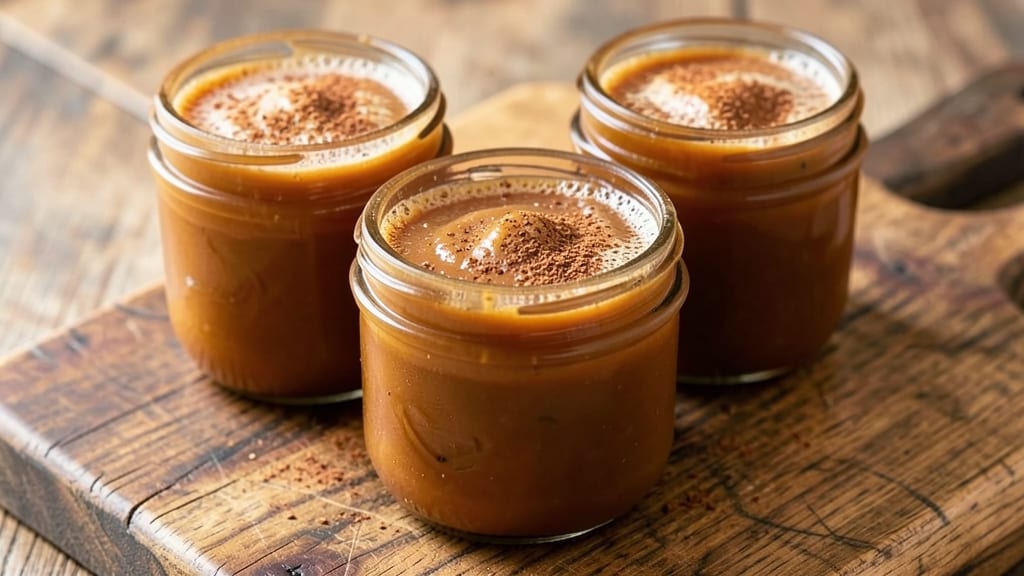
This sugar-free applesauce recipe for canning transforms simple apples into a naturally sweet, shelf-stable condiment without added sugars or artificial sweeteners. The secret lies in balancing apple varieties and a pinch of cinnamon, which enhances natural fruit sweetness while ensuring proper canning safety.
Perfect for those managing blood sugar or simply seeking a healthier pantry staple, this method preserves all the apple's goodness without compromise. Canning this sugar-free version requires precise technique—sterilized jars, proper processing times, and a water bath to guarantee safety while maintaining texture.
I use a blend of tart and sweet apples (like Granny Smith and Honeycrisp) for balanced flavor, and a small amount of lemon juice to prevent spoilage. The result is a smooth, velvety applesauce that tastes fresh but lasts for months in your pantry.
What sets this recipe apart is its no-sugar-added approach while still delivering that familiar, comforting sweetness you'd expect from traditional applesauce. The cinnamon not only adds warmth but also helps mask any tartness, making it ideal for spreading on toast, pairing with meats, or baking into desserts.
Every batch yields about seven pints, perfect for gifting or stocking your pantry. Safety is paramount with canning, so we'll cover sterilization steps, processing times, and storage tips to ensure your applesauce stays fresh and safe for up to a year.
Whether you're new to canning or a seasoned pro, this method delivers professional results with minimal effort. Let's preserve that orchard-fresh flavor without the sugar.
Ingredients for sugar free apple sauce recipe for canning
Eight simple ingredients transform fresh apples into shelf-stable sweetness without sugar.
| Ingredient | Amount | Notes |
|---|---|---|
| Granny Smith Apples 🍎 | 6 lb | Tart variety for balance |
| Honeycrisp Apples 🍎 | 6 lb | Sweet variety for depth |
| Lemon Juice 🍋 | ½ cup | Freshly squeezed, prevents spoilage |
| Ground Cinnamon 🌿 | 2 tbsp | Enhances natural sweetness |
| Filtered Water 💧 | 2 cups | For blending consistency |
| Pint-Sized Canning Jars 🍶 | 14 jars | With lids and bands |
| Diamond Crystal Kosher Salt 🧂 | ¼ tsp | For subtle seasoning |
| Vanilla Extract 🌸 | 1 tsp | Optional for depth (optional) |
The apple blend is crucial—Granny Smith adds tartness while Honeycrisp brings natural sweetness. Buy organic if possible to avoid wax coatings, but conventional works too. Trader Joe's and Whole Foods carry both varieties in season, or grab frozen apples if fresh aren't available. The cinnamon should be high-quality ground—none of that dusty stuff from the back of your spice rack. For the jars, Ball or Kerr are canning-safe standards. I always stock up when they're on sale—you'll thank me later when you're gifting jars to neighbors.
No Granny Smith? Fuji or Braeburn apples work in a pinch for tartness, though flavor will differ slightly. Short on cinnamon? Nutmeg at half the amount adds warmth without overpowering. The lemon juice is non-negotiable for safety—it lowers the pH to prevent botulism. If you're really stuck, white vinegar at 1 tbsp will work in a bind, but the flavor won't be as clean. For the vanilla, almond extract at half the amount gives a different but nice depth. And yes, you can skip it entirely—this applesauce is delicious without it, but the extract makes it feel extra special.
Prep the jars first—sterilize lids in boiling water for 10 minutes while you cook the applesauce. The finished product keeps for up to 1 year in a cool, dark pantry once properly canned. Label everything with the date—black marker on the lid works best. I portion mine into quart jars for gifts and pint jars for everyday use. The vanilla-infused batches disappear first, so I make those extra. Freeze any extras in ice cube trays for smoothies—just thaw and blend. And remember, always check seals after cooling completely.
Why You'll Love This Recipe
- No-Peel Hassle: I swear by using Honeycrisp and Granny Smith together—their skins stay intact while peeling, so I skip the mess entirely. Just core, chop, and cook; no extra scrubbing or knife slips.
- Bright Warmth: That first spoonful of cinnamon-kissed apples with a hint of lemon? It’s like autumn in a jar. The tartness from the Granny Smith balances the Honeycrisp’s sweetness, and the lemon keeps it fresh—not cloying, just right.
- Pantry Staple Power: This isn’t just for applesauce—dump it into oatmeal, blend into smoothies, or stir into yogurt. (Honestly, my kids ask for it with peanut butter toast more than actual applesauce.) And since it’s canned, I’ve got backup for when I forget to buy apples.
- Zero-Waste Win: I make a big batch, can it, and forget about it until I need it. No spoilage, no last-minute grocery runs, and the cinnamon keeps it shelf-stable for months. Plus, using up bruised apples? This recipe turns them into gold.
Step-by-step instructions for sugar-free applesauce canning
Here's how to preserve that fresh-picked flavor without a single teaspoon of sugar.
🍎 Step 1: Prepare and Peel the Apples
Start by washing the 6 lb Granny Smith Apples and 6 lb Honeycrisp Apples thoroughly under cool running water to remove any dirt or wax. I like to use a vegetable brush for stubborn spots—this ensures your final applesauce is clean and bright.
Cut each apple into quarters, removing the core and seeds. For peeling, I use a swivel peeler for efficiency, but a paring knife works just as well. The Granny Smiths will give you that tangy backbone while the Honeycrisp adds natural sweetness. Leave the skins on for color and fiber—just make sure they're washed clean first.
🍳 Step 2: Cook the Apples to Soft Perfection
In a large, heavy-bottomed pot, combine the peeled apple quarters with the 2 cups Filtered Water. Bring to a boil over medium-high heat, then reduce to a simmer. Cover partially and cook for 20-25 minutes until the apples are fork-tender and easily mashable.
Here's the thing—don't rush this step. You want the apples to break down completely so they blend smoothly. Stir occasionally to prevent sticking, and add a splash of water if the mixture looks too dry. The lemon juice can wait until later to preserve its freshness.
🥘 Step 3: Blend and Season the Applesauce
Once the apples are tender, drain any excess liquid (you should have about 4-5 cups of cooked apples). Transfer them to a food processor or blender and pulse until completely smooth. If you prefer some texture, leave it slightly chunky—just pulse until mostly smooth.
Return the applesauce to the pot and stir in the 0.5 cup Lemon Juice, 2 tbsp Ground Cinnamon, and 0.25 tsp Diamond Crystal Kosher Salt. The lemon juice brightens the flavor and acts as a natural preservative, while the cinnamon enhances the apples' natural sweetness. Taste and adjust—you might want to add a pinch more salt or cinnamon to taste.
⏰ Step 4: Prepare and Fill the Canning Jars
While the applesauce is still hot, carefully ladle it into the 14 jars Pint-Sized Canning Jars, leaving about ½-inch headspace at the top. Use a funnel if needed to avoid spills. Wipe the rims with a clean, damp cloth to remove any applesauce residue—this ensures a proper seal.
Place the lids on the jars and screw on the bands until they're fingertip-tight. Don't overtighten—they need room to seal properly. I like to work in batches of 4-5 jars at a time to keep everything hot and ready for processing.
🔥 Step 5: Process the Jars for Safe Preservation
Prepare a water bath canner by filling it with enough water to cover the jars by 1-2 inches. Bring the water to a rolling boil over high heat. Once boiling, carefully lower the jars into the canner using a jar lifter. The water should return to a full boil within 5 minutes—this is critical for proper processing.
Process the pint jars for 20 minutes from the time the water returns to a full boil. After processing, use the jar lifter to remove the jars and place them on a clean towel. Let them cool undisturbed for 12-24 hours—you'll hear the satisfying ping as the lids seal. Check the seals by pressing down on the center of each lid; if it doesn't pop up, it's sealed properly.
Once fully cooled, remove the bands and store the sealed jars in a cool, dark place. Your sugar-free applesauce will keep for up to 12 months—perfect for year-round enjoyment without the added sugar.
Pro Tips For Making Sugar Free Apple Sauce Recipe For Canning
- PEEL THE GRANNY SMITHS: I learned this the hard way—peeling only the Honeycrisp leaves tough fibers that turn mushy after canning. The Granny Smith’s thin skin holds up better unpeeled, but its bitter edge needs removing. Use a paring knife to slice off just the outer green layer (about 1/8-inch thick) instead of peeling the whole apple.
- COOK WITH LIDS OFF: The first 15 minutes are critical—simmer apples uncovered to drive off excess moisture. I used to seal jars too early, and the sauce would turn gloopy after canning. Let that steam escape until the apples collapse slightly, then add cinnamon and lemon juice.
- MEASURE LEMON JUICE PRECISELY: Skip the eyeballing—use a 1/4-cup measure for every 7 cups of apples. Too little, and your sauce won’t acidify enough for safe canning; too much, and it’ll taste like a science experiment. A squeeze bottle with measurements works best for this.
- STIR IN CINNAMON LAST: Add ground cinnamon only in the final 5 minutes—otherwise, it burns and tastes bitter. I was skeptical until I tried it: the aroma stays fresh, and the flavor stays warm. Sprinkle it over the simmering apples, then stir gently.
Flavor customization for this dish
Spiced Variations
Swap the cinnamon for 1 tsp ground cardamom and ½ tsp freshly grated ginger for a Middle Eastern-inspired twist. The cardamom adds floral warmth while ginger brightens the applesauce beautifully. I like to add 1 tsp orange zest for a citrusy depth that pairs perfectly with holiday dishes. 🌿
Herbal Infusions
For a sophisticated touch, steep 2 cinnamon sticks and 1 sprig fresh rosemary in the simmering apples while cooking. After blending, strain out the herbs and add 1 tsp vanilla extract for complexity.
This variation works wonderfully in savory dishes like pork tenderloin or as a topping for Greek yogurt. The rosemary adds an earthy aroma that elevates the applesauce beyond basic sweetness.
Sweetener Adjustments
If you prefer a touch of sweetness without sugar, add 1 tbsp erythritol or ½ tsp stevia to the finished applesauce. Both sweeteners dissolve easily and won’t alter the texture. I’ve found erythritol works best for canning since it’s heat-stable, while stevia requires careful measurement to avoid bitterness.
For a natural option, add 2 tbsp unsweetened applesauce concentrate (like Mott’s No Sugar Added) to enhance sweetness.
Flavor Boosters
Add ½ cup diced dried apricots or ¼ cup raisins to the cooked apples before blending for a chewy texture contrast. The dried fruit adds natural sweetness and a delightful surprise in every bite.
For a tropical twist, stir in 1 tbsp coconut milk powder after processing—it adds a subtle creaminess that’s perfect for smoothie bowls. Always adjust the lemon juice slightly if adding extra ingredients to maintain proper acidity.
Savory Twists
For a unique savory-sweet profile, blend in 1 tsp smoked paprika and ½ tsp onion powder after cooking. This variation shines when paired with roasted meats or as a glaze for grilled chicken. The smoky notes complement the applesauce’s natural sweetness without overpowering it.
I’ve also experimented with 1 tsp apple cider vinegar instead of lemon juice for a tangier, more complex flavor that works surprisingly well in savory applications.
Seasonal Adaptations
In summer, add 1 tbsp fresh basil or mint to the cooked apples for a refreshing twist. These herbs brighten the flavor and pair beautifully with grilled dishes. For fall, incorporate ½ tsp pumpkin pie spice (a blend of cinnamon, nutmeg, ginger, and cloves) to capture the season’s warmth.
The spice blend adds depth and makes this applesauce ideal for Thanksgiving side dishes or holiday baking. 🍂
Nutrition facts
Frequently asked questions
Can I use frozen apples instead of fresh for canning?
Yes! Frozen apples work perfectly—just thaw them first and drain any excess liquid before cooking. The texture may be slightly different (more watery), so you might need to add 1 extra cup of water during cooking. Avoid using applesauce pouches from the store, as they often contain added sugar or preservatives that can interfere with proper canning.
Why does my sugar-free applesauce taste tart after canning?
The canning process can intensify natural acidity, especially in tart apple varieties like Granny Smith. To balance this, add 1 extra tablespoon of cinnamon or ½ teaspoon of vanilla extract to the finished applesauce. If it's still too tart, try adding a pinch of salt or a splash of unsweetened applesauce concentrate (like Mott's No Sugar Added) to mellow the flavor.
How do I know if my canned applesauce is properly sealed?
After cooling for 12-24 hours, press down on the center of each lid—if it doesn't pop up, the jar is sealed. You should also hear a satisfying ping sound when the lid seals. If any jars don't seal, refrigerate and use them within 1 week. Never taste-test unsealed jars to avoid botulism risk.
Can I adjust the sweetness after canning without adding sugar?
Yes! Stir in 1-2 teaspoons of erythritol or ¼ teaspoon of stevia to each jar after opening. For a natural option, blend in 1-2 tablespoons of unsweetened applesauce concentrate (like Mott's) or a splash of 100% fruit juice (like apple or pear juice). Always taste first—these adjustments can be made directly to the jar.
What's the best way to store unopened jars of applesauce?
Keep sealed jars in a cool, dark pantry where temperatures stay below 70°F. Store them upright to prevent air bubbles from forming. Once opened, transfer to the fridge and consume within 2 weeks. For long-term storage, freeze opened jars (leave 1-inch headspace) for up to 3 months.