
Sauces & Condiments
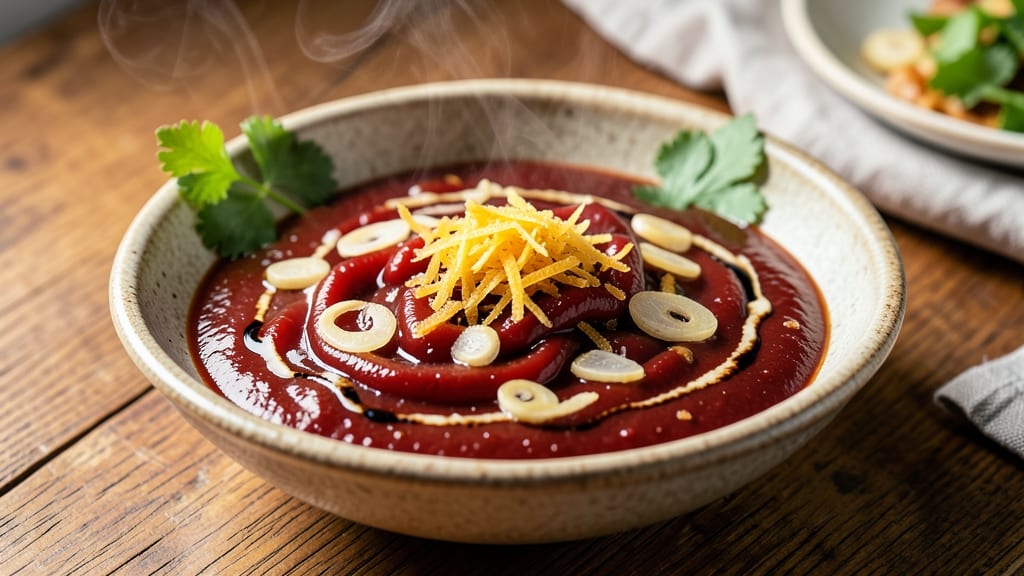
This sweet and sour sauce recipe no pineapple juice transforms ordinary dishes into vibrant, tangy masterpieces without relying on pineapple juice. The secret lies in balancing rice vinegar, ketchup, and brown sugar for a bright, complex flavor that clings beautifully to proteins and vegetables.
I developed this version after realizing how versatile (and budget-friendly) this sauce could be when pineapple wasn't an option. The sauce comes together in 10 minutes with just 6 simple ingredients, yet delivers restaurant-quality depth. The vinegar provides the signature tang, while ketchup adds natural sweetness and umami.
A touch of ginger and garlic infuses warmth, making this sauce perfect for stir-fries, glazes, or dipping. Unlike traditional recipes, this version stays balanced—never cloyingly sweet or overly sour. What makes this sauce truly special is its versatility.
Use it as a marinade for chicken or pork, a glaze for roasted vegetables, or a dipping sauce for spring rolls. The sauce keeps well in the refrigerator for up to 2 weeks, allowing you to make a big batch for the week ahead.
Each time you drizzle it over a dish, you'll taste that perfect harmony of sweet, sour, and savory. For an extra layer of complexity, consider adding a splash of soy sauce or a pinch of red pepper flakes.
The possibilities are endless, but the foundation remains foolproof—bright, balanced, and ready to elevate any meal. Let's get started on creating your own batch.
Ingredients for sweet and sour sauce recipe no pineapple juice
Six pantry staples create a bright, balanced sauce that rivals pineapple-based versions.
| Ingredient | Amount | Notes |
|---|---|---|
| Rice Vinegar 💧 | ½ cup | White or seasoned variety |
| Ketchup 🍅 | ½ cup | High-quality, no added sugar |
| Light Brown Sugar 🍚 | ¼ cup | Packed firmly for accuracy |
| Fresh Ginger 🌿 | 1 tbsp | Finely grated, aromatic |
| Garlic Cloves 🧄 | 3 cloves | Minced for smooth texture |
| Soy Sauce 🥢 | 1 tbsp | Optional, for umami depth |
The rice vinegar is the star here—Koyo brand or any white vinegar with clean acidity works best. I grab mine from Asian markets where they keep it fresh, but the regular grocery store stuff is fine too. For the ketchup, Heinz or Hunt's are reliable, but if you're feeling fancy, grab a small jar of tomato paste and build your own—just add a pinch of sugar and vinegar. The brown sugar? Light or dark doesn't matter, but pack it firmly when measuring. Fresh ginger and garlic are non-negotiable for that restaurant-quality depth, but if you're in a pinch, powdered ginger works at half the amount.
No rice vinegar? Apple cider vinegar is a solid swap, though it's slightly sweeter. Short on ketchup? Tomato paste plus a splash of vinegar gets you close, just add a pinch of sugar to balance. The soy sauce is optional but adds that extra umami punch—low-sodium works best if you're watching your salt. For extra tang, add a splash of lemon juice. Want heat? A pinch of red pepper flakes or a dash of hot sauce works wonders. This sauce is all about balance, so taste as you go—adjust the sweetness or acidity until it sings.
This sauce keeps beautifully in the fridge for up to 2 weeks, though it tastes best within the first week. I always make a double batch—one for immediate use, one for later. Store it in a glass jar with a tight seal to keep flavors fresh. If it thickens over time, just stir in a splash of water or vinegar to loosen it up. Freezes well too, though texture might change slightly. Perfect for meal prep—just grab a small jar for your weeknight stir-fries.
Why You'll Love This Recipe
- Pantry Magic: Honestly, I keep every single ingredient for this on hand already—no extra shopping trips. The rice vinegar and ketchup alone? They’re my secret weapon for turning boring meals into something that actually gets finished.
- Ginger-Garlic Zing: That fresh ginger and garlic combo—lightly toasted in the pan—adds a warmth that cuts through the sweetness just right. It’s the kind of balance that makes you go back for seconds without even thinking.
- Weeknight Wonder: I use this sauce for stir-fries, dipping, even a quick glaze for roasted chicken. No fancy plating, no stress—just reliable flavor that works every single time, even when I’m too tired to plan.
- Budget-Friendly Staple: Between us, this costs me pennies per serving. The brown sugar adds depth without breaking the bank, and the leftovers? They last in the fridge for weeks, saving me from takeout nights.
Step-by-step instructions for vinegar-based sweet and sour sauce
This tangy, balanced sauce delivers bright acidity and rich sweetness without pineapple—perfect for glazing, dipping, or finishing dishes.
Bloom the Aromatics in Gentle Heat
In a medium saucepan, combine the 0.5 cup rice vinegar and 0.5 cup ketchup over medium-low heat. Let it warm for 2-3 minutes until the mixture reaches a gentle simmer—you'll see tiny bubbles form around the edges. This step prevents sudden boiling that could scatter the sauce later.
Add the 1 tablespoon finely grated fresh ginger and 3 minced garlic cloves, stirring constantly for 1 minute until fragrant. The ginger should release its bright aroma, and the garlic will mellow without burning. If the mixture smells sharp or bitter, reduce heat immediately—ginger and garlic burn faster than you might expect.
Dissolve the Sugar Completely
Gradually whisk in the 0.25 cup packed light brown sugar until fully dissolved. This may take 2-3 minutes of gentle stirring—you'll know it's ready when the sauce looks uniformly glossy and no grainy bits remain. I like to use a wire whisk for this step to ensure even distribution.
Taste the mixture now. It should be noticeably sweet but still tart from the vinegar. If it tastes too acidic, you'll balance it in the next step. If it's too mild, we'll adjust the seasoning later. This is your baseline before adding the soy sauce.
Simmer and Reduce for Depth
Increase heat to medium and let the sauce bubble gently for 5-7 minutes, stirring occasionally. You're looking for a slight reduction—about 20% of the original volume. This concentrates the flavors and creates that signature glossy finish. The sauce should coat the back of a spoon smoothly.
Here's where the 1 tablespoon soy sauce comes in. Stir it in during the last 2 minutes of simmering. The soy adds umami complexity that rounds out the bright acidity. Taste again—you want a perfect balance where sweet, sour, and savory notes harmonize. If it needs more depth, a pinch of salt can help.
Strain and Finish to Perfection
Remove the sauce from heat and immediately strain it through a fine-mesh sieve into a clean bowl. This removes any lingering ginger fibers and garlic bits, giving you a silky texture. Press gently on the solids with a spoon to extract every last drop of flavor.
Let the sauce cool to room temperature. As it cools, the flavors will meld even more. For extra shine, you can return it to low heat for 1 minute and whisk in 1 teaspoon cornstarch mixed with 1 tablespoon water if you prefer a thicker consistency. Store in an airtight container in the fridge for up to 2 weeks—it only gets better with time.
Pro Tips For Making Sweet And Sour Sauce Recipe No Pineapple Juice
- Simmer Slow and Low: I used to blast this sauce on high heat and end up with a thin, bitter mess. After burning three batches, I finally figured out that a gentle simmer—just 15-20 minutes—lets the flavors meld without turning the ketchup into glue. Keep it at a bare bubble, and stir occasionally to prevent sticking.
- Grate Ginger Like a Pro: Fresh ginger is non-negotiable here, but don’t just chop it—use a microplane or the fine holes of a box grater. This releases more oils and aroma without the fibrous texture that lingers. (Yes, even if you’re impatient like me, this makes a real difference.)
- Balance Sugar with Vinegar: Taste as you go, but here’s the thing: brown sugar caramelizes fast, so add it gradually. If the sauce tastes cloyingly sweet, splash in extra rice vinegar—just ½ teaspoon at a time—until the tang cuts through. Trust me, your taste buds will thank you later.
- Toast Garlic First: This isn’t the prettiest method, but it’s the tastiest: crush those garlic cloves, then dry-toast them in the pan for 30 seconds until golden. The nutty depth they add? Unmatched. Skip this, and your sauce will taste flat—like someone forgot the garlic entirely.
Make-ahead tips for this recipe
Batch Prep Strategy
Make a double batch—this sauce only gets better as flavors meld. Combine 1 cup rice vinegar, 1 cup ketchup, and ½ cup brown sugar in a saucepan over medium-low heat.
Simmer for 10 minutes, then add 2 tbsp ginger, 6 garlic cloves, and 2 tbsp soy sauce in the last 3 minutes. Strain and store in two 16-ounce glass jars (I use Ball mason jars).
The second jar will be ready for your next stir-fry or roasted veggies. 💡
Freezer-Friendly Adaptations
For long-term storage, divide the sauce into 1-cup portions in freezer-safe silicone molds or small glass jars. Leave ½-inch headspace to prevent cracking. Thaw overnight in the fridge—never microwave directly. The texture stays smooth, though it may separate slightly.
Give it a quick stir and reheat gently on the stovetop before using. Perfect for weeknight emergencies when you need sauce in a pinch. ❄️
Sauce Thickness Hacks
Need it thicker? Mix 1 tbsp cornstarch with 1 tbsp cold water, then whisk into the warm sauce. Simmer for 1-2 minutes until it reaches your desired consistency. For a glossy finish, add 1 tsp sesame oil at the end—it enhances the sauce’s depth without altering flavor.
If it’s too thick after refrigeration, thin with 1 tsp rice vinegar or water. Always taste as you go! 🥄
Flavor Layering Over Time
This sauce develops complexity when stored. After 3-4 days, the ginger and garlic notes mellow into a warm, aromatic base. For extra depth, add 1 tsp fish sauce or 1 tsp honey to a fresh batch before storing.
The acidity mellows slightly, making it ideal for marinating proteins like chicken or pork. Label jars with dates—flavors peak at 7-10 days before storage. 📅
Portion Control Tips
Use small ramekins (4-6 oz) for single servings. They’re perfect for dipping sauces or glazes and reheat quickly. For stir-fries, keep a small jar (8 oz) on hand—just grab and go.
If you’re prepping for a crowd, divide into quart-sized freezer bags, flatten to save space, and freeze. Thaw in the fridge overnight for even distribution of flavors. 🍜
Reheating Without Ruining
Reheat sauce gently on the stovetop over low heat for 3-5 minutes, stirring constantly. Avoid high heat—it can separate or burn the sugar. For microwave reheating, use 30-second intervals on 50% power, stirring between each.
If it thickens, thin with 1 tsp water or vinegar. Never reheat to a boil—this breaks down the delicate balance of flavors. 🔥
Nutrition facts
Frequently asked questions
Can I substitute apple cider vinegar for rice vinegar?
Yes, you can use apple cider vinegar as a substitute, but it will have a slightly sweeter, fruitier taste. For the closest flavor to rice vinegar, use a 1:1 ratio. If you want to maintain the clean acidity, consider mixing half apple cider vinegar with half white vinegar. The sauce will still taste bright and balanced, just with a subtle apple undertone.
How do I adjust the sweetness or sourness if it's too strong?
If your sauce tastes too sour, stir in 1-2 teaspoons of brown sugar or honey to balance it. For extra sweetness, add 1 teaspoon at a time until it reaches your preference. If it's too sweet, increase the acidity with ½ teaspoon more rice vinegar or a splash of lemon juice. Always taste as you go—this sauce is all about finding that perfect harmony!
Can I make this sauce without ketchup?
For a tomato-free version, replace the ketchup with ½ cup tomato paste plus 1 teaspoon sugar and 1 teaspoon vinegar. Alternatively, use ½ cup crushed tomatoes (like canned San Marzano) and simmer until thickened. The sauce will have a deeper tomato flavor but still maintain that signature tangy-sweet balance.
What's the best way to use this sauce in stir-fries?
For stir-fries, add 1-2 tablespoons of sauce during the last 2 minutes of cooking. This prevents the sauce from breaking down in the high heat. For extra shine and flavor, toss the cooked stir-fry with an additional 1 tablespoon of sauce after removing it from the pan. It works beautifully with chicken, pork, tofu, or vegetables like bell peppers and broccoli.
Why did my sauce turn cloudy or separate after refrigerating?
This usually happens when the sauce cools too quickly or if the ingredients didn't fully blend. To fix it, gently reheat the sauce over low heat while stirring constantly until smooth. If it's still separating, whisk in 1 teaspoon of cornstarch mixed with 1 teaspoon water to help emulsify it. Always store the sauce in an airtight container to prevent further separation.