
Sauces & Condiments
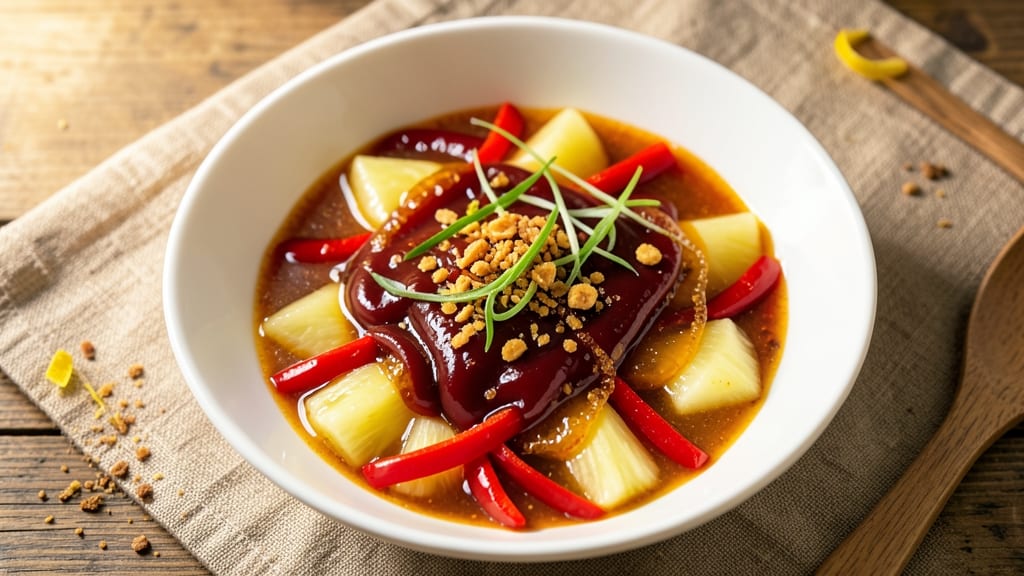
This Chinese sweet and sour sauce with pineapple juice transforms ordinary stir-fries into vibrant, restaurant-quality dishes. The bright tangy balance of sweet, sour, and umami creates a glossy finish that clings perfectly to noodles, vegetables, and proteins.
My version uses pineapple juice for natural sweetness and acidity, eliminating the need for artificial additives while delivering that signature glossy sheen.
The sauce comes together in just 15 minutes with simple pantry staples, yet its complex flavor profile makes it worth the effort.
The key lies in simmering the ingredients at low heat to develop depth without burning, while the pineapple juice adds a refreshing twist that sets this apart from traditional recipes. This isn't just a sauce—it's a flavor enhancer that elevates any dish.
What makes this recipe particularly useful is its versatility. Use it as a stir-fry glaze, dipping sauce for spring rolls, or even a marinade for grilled meats. The sauce keeps well in the refrigerator for up to 10 days, making it perfect for meal prep.
Each batch delivers that perfect balance of sweet, tangy, and savory that Chinese takeout fans will instantly recognize.
For best results, let the sauce sit for 30 minutes before using to allow flavors to meld completely. The pineapple juice not only sweetens but also tenderizes proteins when used as a marinade, creating a multi-purpose condiment that belongs in every home cook's repertoire.
Here's how to make it perfectly every time.
Ingredients for chinese sweet and sour sauce recipe pineapple juice
Bright, tangy, and packed with umami—this sauce transforms stir-fries into restaurant-quality masterpieces.
| Ingredient | Amount | Notes |
|---|---|---|
| Pineapple Juice 🍍 | 1 cup | Freshly squeezed for brightness |
| Ketchup 🍅 | ½ cup | Heinz preferred for consistency |
| Rice Vinegar 🍶 | ¼ cup | Seasoned preferred for depth |
| Soy Sauce 🥢 | ¼ cup | Light or all-purpose |
| Brown Sugar 🍚 | ¼ cup | Lightly packed for sweetness |
| Cornstarch 🌾 | 2 tbsp | For glossy thickening |
| Water 💧 | ¼ cup | Room temperature preferred |
| Garlic Cloves 🧄 | 3 cloves | Minced for aromatic punch |
| Ginger Root 🌿 | 1 tbsp | Freshly grated for zing |
| Sesame Oil 🫒 | 1 tbsp | Toasted for nutty aroma |
The pineapple juice is non-negotiable here—it delivers that signature glossy sheen while balancing sweetness and acidity. Dole or Del Monte brands are consistent, but fresh-squeezed takes it to the next level. For the ketchup, Heinz is my go-to for that classic tang, but any good-quality brand works. The brown sugar should be light and packed—not the dark, sticky kind. Trader Joe's has a great organic option if you're looking to splurge. Fresh ginger and garlic are essential for that authentic aroma—Costco sells pre-peeled ginger in handy jars, saving prep time. The sesame oil needs to be toasted; don't grab the cheap stuff from the back of the shelf—Kadoya or La Choy are solid choices.
No pineapple juice? Mango nectar or orange juice work in a pinch, but you'll lose that signature tang. Short on ketchup? Tomato paste plus a splash of vinegar mimics the acidity. The cornstarch is crucial for that glossy finish—Bob's Red Mill is my preferred brand, but any food-grade variety does the job. Fresh ginger too spicy? Ground ginger at half the amount works, but it won't have the same depth. The soy sauce can be swapped for coconut aminos if you're avoiding sodium, though the flavor will shift slightly. For a smoother sauce, whisk the cornstarch slurry into the simmering liquid all at once—don't let it boil or you'll get lumps.
This sauce is a flavor powerhouse that keeps beautifully. Store it in an airtight container in the fridge for up to 10 days, though I find it tastes even better the next day as flavors meld. For longer storage, freeze in ice cube trays—perfect for glaze portions. The pineapple juice adds natural preservation, so no need for extra preservatives. Double the batch if you're prepping for the week—it's worth the effort. Reheat gently on low heat, stirring constantly, to maintain that glossy texture. Trust me, you'll want to make this sauce again and again.
Why You'll Love This Recipe
- Pantry Magic: I swear by this sauce because it uses stuff I already have—no special shopping needed. Just dump pineapple juice, ketchup, and a splash of rice vinegar, then stir. That’s it. No fancy techniques, no stress.
- Bright Tang Kick: The pineapple juice cuts through the sweetness like a refreshing breeze, while the soy sauce adds depth. Honestly, it’s the perfect balance—sweet, tangy, and just a little salty. My kids fight over it.
- Game for Any Meal: Drizzle it over stir-fried veggies, toss it with chicken, or even use it as a dip. Between us, I’ve even glopped it on rice when I was too tired to cook. Works every time.
- Budget-Friendly Stash: A single batch lasts me weeks because it’s cheap to make and keeps well. Freeze extras in ice cube trays for quick flavor boosts later. My wallet—and my taste buds—thank me.
Step-by-step instructions for Chinese sweet and sour sauce with pineapple juice
Here's how to create that signature tangy, glossy sauce that transforms stir-fries into vibrant masterpieces.
Create the Slurry for Perfect Thickening
In a small bowl, whisk together the 2 tbsp cornstarch and 0.25 cup water until completely dissolved. This creates your thickening slurry - the secret to that glossy, restaurant-quality finish. The cornstarch needs to be fully incorporated with no lumps, so whisk vigorously for about 30 seconds. Set this aside while you prepare the flavor base.
I always make the slurry first because it needs time to hydrate properly. If you add it too early, you risk creating a gummy sauce. This step ensures your sauce will coat proteins beautifully without being gluey.
Build the Flavor Foundation
In a medium saucepan over medium-high heat, combine the 1 cup pineapple juice, 0.5 cup ketchup, 0.25 cup rice vinegar, 0.25 cup soy sauce, and 0.25 cup brown sugar. Bring to a gentle boil while stirring occasionally to dissolve the sugar completely.
Watch for bubbles forming around the edges - that's your signal the mixture is heating through. The pineapple juice should start steaming vigorously. This is where all the complex flavors begin to meld together. Let it simmer for 3-4 minutes until the sugar dissolves and the mixture reduces slightly.
Add Aromatics and Simmer
Reduce heat to medium-low and add the 3 cloves minced garlic and 1 tbsp freshly grated ginger root. Stir constantly for 1 minute until you can smell that bright, aromatic punch filling your kitchen. The garlic should turn translucent and the ginger should become fragrant.
Here's where it gets interesting - add the 1 tbsp toasted sesame oil and stir gently. The sesame oil adds that nutty depth that makes this sauce truly authentic. Let the mixture simmer for another 2-3 minutes until it thickens slightly but isn't boiling vigorously.
Thicken to Glossy Perfection
Slowly pour the cornstarch slurry into the saucepan while stirring constantly with a wooden spoon. The sauce will thicken immediately - keep stirring for 1-2 minutes until it reaches a glossy, coatable consistency. It should coat the back of a spoon but still be pourable.
If the sauce is too thick, add 1-2 tablespoons of water to reach your desired consistency. The sauce should be thick enough to cling to stir-fried proteins but still flow smoothly. Taste and adjust seasoning - you might need a touch more soy sauce for saltiness or rice vinegar for tang.
Cool and Finish
Remove from heat and let the sauce cool for 5 minutes. This resting period allows all the flavors to fully meld together. The sauce will thicken slightly more as it cools, so don't worry if it looks perfect while hot.
Give it one final taste and adjust if needed. The perfect sweet and sour sauce should balance bright pineapple sweetness with tangy vinegar and umami from the soy sauce. This sauce keeps well in the refrigerator for up to 5 days, making it perfect for meal prep.
Pro Tips For Making Chinese Sweet And Sour Sauce Recipe Pineapple Juice
- Simmer Low and Slow: I used to blast this sauce on high, thinking it’d thicken faster—wrong move. Keep it at a gentle simmer (small bubbles, barely there) or you’ll burn the brown sugar and end up with a bitter, grainy mess. Five minutes of patience here saves you from scraping burnt bits off the bottom.
- Strain That Pineapple Juice: Fresh pineapple juice is great, but if you’re using canned or bottled, strain out the pulp before adding it to the sauce. That fibrous gunk turns to glue when cooked and makes the sauce clump like a swamp. A fine-mesh sieve takes 30 seconds and keeps your sauce smooth.
- Balance the Vinegar Last: Add the rice vinegar at the very end, right before tasting. Too early, and the acidity will fight with the sugar, throwing off the sweet-tart balance. Stir it in just before adjusting seasoning—your taste buds will thank you when the flavors actually harmonize instead of warring.
- Use Dark Soy for Depth: Skip the light soy sauce—it’s too mild and won’t carry the umami weight this sauce needs. Dark soy adds a molasses-like richness that cuts through the pineapple’s brightness. A tablespoon or two (don’t overdo it) makes the difference between "meh" and "worth the hype."
Regional styles of this recipe
Cantonese Classic
This is the version you'll find in most Hong Kong and Cantonese-style restaurants, where the sauce is slightly sweeter with a pronounced pineapple brightness. The key difference is using light soy sauce instead of dark, which keeps the color vibrant.
I like to add 1 tsp of white pepper at the end for that signature restaurant kick. Serve this version with chicken and broccoli stir-fry or shrimp dumplings for authentic results. 🍍
Sichuan Spicy Twist
For a Sichuan-inspired version, add 1 tbsp of chili bean paste and ½ tsp of Sichuan peppercorns (toasted and ground) to the simmering sauce. The heat level becomes medium, with a subtle numbing sensation from the peppercorns.
This works beautifully with mapo tofu or spicy beef stir-fries. Adjust the chili bean paste to taste—start with ½ tbsp if you're sensitive to heat. 🌶️
Hokkien Pineapple Glaze
The Hokkien style features a richer, slightly thicker sauce with 1 tbsp of fermented black beans added during simmering. These beans add a deep umami note that pairs perfectly with the pineapple's sweetness.
Use this version as a glaze for Hokkien noodles or as a dipping sauce for spring rolls. The black beans should be rinsed before adding to remove excess salt. 🍜
Taiwanese Fusion
In Taiwanese homes, this sauce often includes ½ cup of mango nectar instead of pineapple juice for a tropical twist. Add 1 tsp of sesame paste (not oil) for extra depth.
This version is lighter and fruitier, ideal for Taiwanese beef noodles or vegetable stir-fries. The sesame paste gives it a nutty richness that balances the sweetness beautifully. 🥭
Modern American Adaptation
For a Western-friendly version, reduce the soy sauce to 2 tbsp and add 1 tbsp of honey to replace half the brown sugar. This makes it slightly less salty and more approachable for those new to Asian flavors.
It works perfectly as a dipping sauce for chicken wings or a glaze for grilled pork chops. The honey adds a smoother sweetness that complements the tangy vinegar. 🍯
Vegetarian Version
To make this vegetarian, swap the soy sauce for 2 tbsp of tamari and add 1 tbsp of miso paste for umami depth. The pineapple juice remains the star, but the miso adds a savory complexity.
This version is fantastic with tofu stir-fries or as a marinade for grilled vegetables. The miso should be dissolved in the rice vinegar before adding to the sauce. 🌱
Nutrition facts
Frequently asked questions about Chinese sweet and sour sauce
Can I substitute pineapple juice with another fruit juice?
Yes, but the flavor will change. For the closest substitute, try mango nectar (½ cup) or orange juice (½ cup) mixed with ½ cup pineapple juice to maintain some tartness. Avoid apple juice—it lacks the bright acidity that balances the sweetness. The pineapple juice adds that signature glossy sheen and tropical brightness that other juices can't replicate.
Why did my sauce turn out too thick or too thin?
Thickness issues usually come from the cornstarch slurry. For a thicker sauce, add 1 extra tbsp cornstarch mixed with 1 tbsp water and simmer for 1-2 minutes. If too thin, whisk in 1 tsp cornstarch with 1 tsp cold water and cook until thickened. Always simmer on medium-low heat—boiling too vigorously can cause separation. The sauce should coat the back of a spoon but still be pourable.
How can I make this sauce spicier?
Add ½ tsp of chili flakes or 1 tsp of chili garlic sauce to the simmering mixture before thickening. For heat with depth, stir in 1 tsp of gochujang (Korean chili paste) during the final simmer. If using fresh chili, add ½ tsp of minced red chili with the garlic and ginger. Adjust to taste—start small, as flavors intensify when cooled.
Can I use this sauce as a marinade?
Use it as a marinade for chicken, pork, or tofu by thinning it with 2 tbsp water per ½ cup sauce. Marinate for 30-60 minutes for chicken/tofu or 2-4 hours for pork. The pineapple juice tenderizes proteins while adding tropical sweetness. For extra flavor, add 1 tbsp of honey to the marinade. Always pat dry before cooking to ensure a good sear.
How long does this sauce keep, and can I freeze it?
The sauce stays fresh in an airtight container in the fridge for up to 10 days. For freezing, portion into ice cube trays or small containers—it keeps for 3 months. Thaw overnight in the fridge and reheat gently on low heat**, stirring constantly to restore its glossy texture. Avoid microwaving, as it can make the sauce watery. The pineapple juice helps preserve the sauce naturally, so no extra preservatives are needed.