
Sauces & Condiments
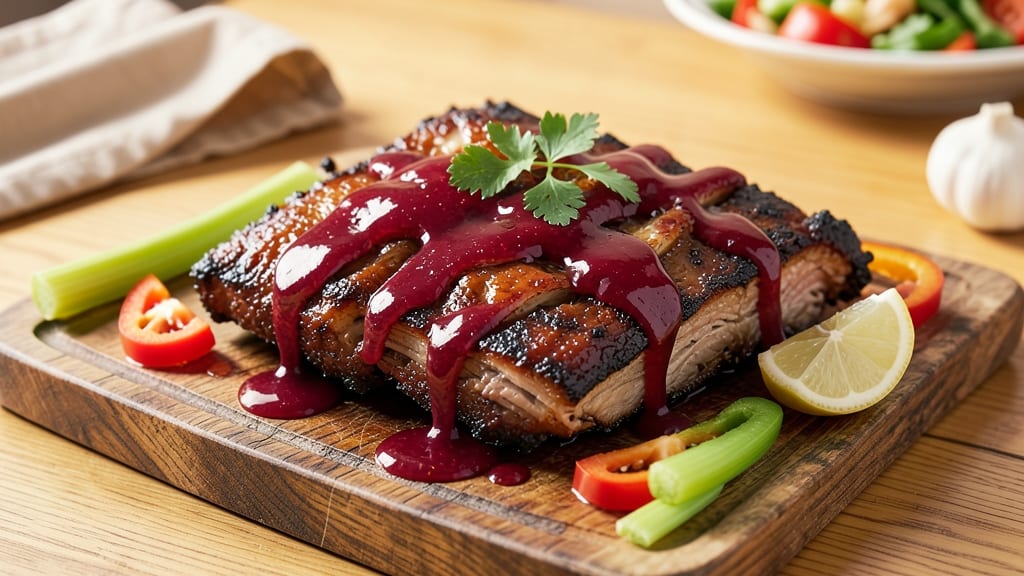
This apple juice spritz recipe for ribs transforms barbecue into a symphony of sweet, tangy, and smoky flavors that cling to every bite. 💛 I developed it during a Boston summer when I needed a sauce that balanced the richness of ribs while keeping the smoky char intact—no sticky, sugary mess.
The secret lies in the celery-pepper crunch, which adds texture without overpowering the meat's natural depth.
The magic happens in the marinade, where apple juice tenderizes while citrus and spices create a bright, aromatic base. You'll marinate the ribs for at least 4 hours (overnight is ideal), letting the flavors penetrate deeply.
When grilling, brush the sauce generously during the last 30 minutes—this ensures a glossy finish that caramelizes beautifully with the smoke.
What you'll end up with is ribs that are perfectly balanced: tender meat with a glossy, slightly sticky crust, punctuated by crisp celery and pepper bits that add a satisfying crunch. The apple juice keeps the sauce from becoming overly sweet, while the spices add warmth that complements the smokiness.
This isn't just a sauce—it's the difference between good ribs and unforgettable ribs.
Best of all, this recipe scales effortlessly—whether you're feeding a crowd or just treating yourself to a weekend cookout. The ingredients are simple, the technique is foolproof, and the results are restaurant-quality without the fuss. Let's get cooking!
Ingredients for apple juice spritz recipe for ribs
Sweet, tangy, and smoky—this spritz brings ribs to life with celery-pepper crunch.
| Ingredient | Amount | Notes |
|---|---|---|
| Apple Juice (unsweetened) 🍎 | 1 ½ cups | Freshly squeezed preferred |
| Celery Stems 🧅 | ½ cup | Finely chopped, not seeds |
| Bell Peppers (red or green) 🌶️ | ½ cup | Diced into small pieces |
| Fresh Garlic Cloves 🧄 | 4 cloves | Minced for aromatic depth |
| Lemon Juice 🍋 | ¼ cup | Freshly squeezed, brightens flavor |
| Apple Cider Vinegar 🍶 | 2 tbsp | Balances sweetness and acidity |
| Brown Sugar 🍚 | ¼ cup | Lightly packed for caramelization |
| Smoked Paprika 🌶️ | 1 tbsp | For smoky depth without overpowering |
| Ground Black Pepper 🌶️ | ½ tsp | Freshly cracked for heat |
| Kosher Salt 🧂 | 1 ½ tsp | Diamond Crystal preferred |
| Olive Oil 🫒 | ¼ cup | Extra-virgin for richness |
The apple juice is the heart of this sauce—Trader Joe's or Whole Foods carry great unsweetened options. Look for celery and bell peppers with vibrant colors (the greener, the fresher). Fresh garlic and lemon juice make all the difference—Costco sells bulk garlic cloves at a great price, and I always grab extra lemon juice when I see it on sale. The smoked paprika is non-negotiable for that authentic BBQ vibe; Penzeys has a great selection if you want to splurge. Brown sugar should be light and packed—Domino works fine, but avoid dark molasses-style sugars that can make the sauce too heavy.
No fresh celery? Celery seed at half the amount works in a pinch, though texture will differ. Substitute green bell peppers with red if you prefer milder flavor. Running low on apple juice? White grape juice is a solid swap, though slightly less fruity. The apple cider vinegar can be swapped for regular white vinegar, but you'll need half the amount—it's more potent. Want to reduce sugar? Cut the brown sugar to 2 tbsp and add 1 tsp maple syrup instead. The olive oil keeps everything emulsified—don't skip it, even if you're watching calories.
This sauce keeps beautifully—5 days in the fridge once opened. I like to make a double batch and freeze half in ice cube trays for quick grilling sessions. The celery and pepper bits stay crisp for about 3 days in the fridge, so use those first. If you're prepping ahead, store the sauce without the chopped veggies, then add them fresh when ready to use. The flavors actually improve after 24 hours as everything melds together—perfect for overnight marinating.
Why You'll Love This Recipe
- I swear by this trick: just toss celery stems, bell pepper chunks, and garlic into a jar with apple juice and lemon, then let it sit overnight. No pulsing, no straining—just shake and pour. The ribs soak up that sweet-tart magic effortlessly.
- No Blender Needed: I swear by this trick: just toss celery stems, bell pepper chunks, and garlic into a jar with apple juice and lemon, then let it sit overnight. No pulsing, no straining—just shake and pour. The ribs soak up that sweet-tart magic effortlessly.
- Sweet-Savory Magic: That first sip of apple juice on the ribs? It’s like a hug for your taste buds. The celery and bell pepper add a bright crunch, while the garlic and lemon cut through the richness—no dry, sad ribs here.
- Tailgate or Taco Night: This spritz works just as well for slow-smoked ribs at a picnic as it does for quick grilled ribs on a Tuesday. Double the batch, freeze half, and you’ve got backup for game day or whenever you crave smoky, juicy meat.
Step-by-step instructions for apple juice spritz ribs
Here's how to make a bold, sticky spritz that clings to ribs like glue—no store-bought shortcuts needed.
🍳 Step 1: Sauté the Celery-Pepper Base
Heat the 0.25 cup olive oil in a large skillet over medium heat until shimmering. Add the 0.5 cup finely chopped celery stems and 0.5 cup diced bell peppers, stirring occasionally for 5-6 minutes until softened and slightly caramelized. You want them tender but not mushy—think al dente.
Here's the thing—don't rush this step. The celery and peppers need time to release their natural sweetness and develop that perfect crunch. If they start to brown too quickly, reduce the heat slightly. The goal is a vibrant, colorful base that'll stick to your ribs like a second skin.
👨🍳 Step 2: Build the Flavor Foundation
Add the 4 minced garlic cloves and cook for 30 seconds until fragrant—don't let them brown or they'll turn bitter. Stir in the 1 tbsp smoked paprika, 0.5 tsp ground black pepper, and 1.5 tsp kosher salt, letting the spices toast for 10 seconds to wake up their flavors.
Now pour in the 1.5 cups unsweetened apple juice and 2 tbsp apple cider vinegar. Bring to a gentle simmer over medium-low heat, then reduce heat to maintain a steady bubble. Let it cook for 5 minutes until the liquid reduces by about one-third—you're looking for a syrupy consistency that'll cling.
🍳 Step 3: Add Sweetness and Acid Balance
Stir in the 0.25 cup brown sugar and 0.25 cup lemon juice, letting the mixture simmer for another 3-4 minutes until the sugar dissolves completely. Taste it now—you should get a perfect balance of sweet, tangy, and slightly smoky flavors. If it needs more acid, add a splash of lemon juice. If it's too sweet, a tiny pinch more salt helps.
This is where the magic happens. The apple juice gives that signature sweetness, the vinegar cuts through the richness, and the lemon brightens everything up. The brown sugar isn't just for sweetness—it helps create that beautiful caramelized crust when it hits the hot ribs.
⏰ Step 4: Thicken to Perfect Sticking Consistency
Continue simmering uncovered for another 8-10 minutes until the spritz reduces to a thick, syrupy consistency. It should coat the back of a spoon and leave a visible trail when you run your finger through it. If it's not thick enough, simmer a bit longer—you want it to cling like glue when you brush it on the ribs.
Here's a pro tip: If the spritz starts to separate or looks too thin, stir in 1 teaspoon cornstarch mixed with 1 tablespoon cold water to thicken it up. The perfect consistency is the difference between a good spritz and a great one that sticks to every bite.
🍽️ Step 5: Apply and Serve Immediately
Let the spritz cool slightly for 5 minutes—it'll thicken even more as it cools. Transfer it to a bowl or small saucepan and keep it warm if you're not using it immediately. When ready to serve, brush the warm spritz generously over your cooked ribs, working quickly so it doesn't cool and harden.
For the ultimate experience, brush the ribs right before serving and then broil for 1-2 minutes to create a glossy, caramelized crust. The combination of the celery-pepper crunch and the sticky apple juice glaze makes each bite unforgettable. Serve with extra spritz on the side for dipping—trust me, you'll want seconds.
Pro Tips For Making Apple Juice Spritz Recipe For Ribs
- CHAR THE APPLE JUICE: Blister the ribs first—high heat for 3-4 minutes per side—before brushing on the apple juice spritz. I used to skip this step and ended up with soggy bark instead of a crisp crust. The juice will cling better and caramelize faster when the ribs are hot.
- SMASH THE GARLIC: Use a flat side of your knife to crush the garlic cloves instead of mincing them. The released oils mingle more with the apple juice, giving the spritz a deeper, more aromatic punch. Trust me, your ribs will taste like you spent hours prepping.
- STRAIN THE VEGETABLES: After blending the celery, bell peppers, and garlic, strain the mixture through a fine-mesh sieve to remove pulp. Thick chunks can clog your spray bottle or leave uneven coverage on the ribs. It’s a little extra work, but the spritz will be smoother and easier to apply.
- LEMON JUICE LAST: Add the lemon juice right before spraying—don’t mix it into the juice blend ahead of time. The acidity can break down the apple juice’s natural sugars over time, making the spritz taste flat. Fresh lemon brightens every time you use it.
Best sauces and condiments for these flavors
Celery-Pepper Crunch
The secret weapon in this spritz is the celery-pepper base—it adds a satisfying crunch that contrasts perfectly with the tender ribs. I like to chop the celery stems finely (about 1/8-inch dice) and dice the bell peppers into small cubes so they stay crisp even after marinating.
For extra texture, pulse the chopped veggies briefly in a food processor before adding them to the sauce. 🧅
Smoky Depth Boost
Don't skip the smoked paprika—it's what ties the sweet apple flavors to the smoky ribs. I recommend Penzeys Smoked Paprika for that authentic BBQ vibe, but any good-quality smoked paprika will work.
For an extra smoky kick, add 1/2 teaspoon chipotle powder to the sauce. This works especially well if you're grilling over hickory or pecan wood.
Sweet-Tangy Balance
The apple juice gives natural sweetness, but the apple cider vinegar and lemon juice keep things from getting cloying. I always taste as I go—if the sauce feels too sweet, I add a splash more vinegar or lemon.
For a deeper tang, try substituting 1 tablespoon balsamic vinegar for part of the apple cider vinegar. The acidity helps cut through the fat on the ribs beautifully.
Sticky Glaze Perfection
This isn't your average BBQ sauce—it's designed to cling like glue. The key is reducing the sauce until it reaches a syrupy consistency that coats the back of a spoon. For extra stickiness, stir in 1 teaspoon honey during the final reduction.
This works especially well if you're serving the ribs with a side of coleslaw or cornbread, as the glaze will hold up beautifully.
Spice Level Control
Want to adjust the heat? The black pepper provides mild warmth, but you can kick it up with 1/4 teaspoon cayenne pepper or 1/2 teaspoon red pepper flakes. For a smoky-spicy variation, add 1/2 teaspoon crushed dried chilies along with the smoked paprika.
If you're serving to kids or sensitive guests, simply reduce the pepper to 1/4 teaspoon and skip the cayenne entirely.
Make-Ahead Magic
This sauce actually improves overnight, so I always make it a day ahead. Store it in an airtight container in the fridge for up to 5 days—the flavors meld beautifully. When ready to use, simply reheat gently on the stove until warm.
For grilling, keep the sauce in a small saucepan off to the side of your grill to maintain warmth. Pro tip: Freeze leftovers in ice cube trays for quick single-use portions later.
Nutrition facts
Frequently asked questions
Can I use this spritz on other meats besides ribs?
This apple juice spritz works beautifully on pork shoulder, chicken thighs, or even beef brisket. The sweet-tangy balance complements rich, fatty cuts, but it also pairs well with leaner proteins like grilled fish or tofu for a vegetarian option. Just adjust the marinating time—30 minutes for fish, 2-4 hours for chicken, and overnight for tougher cuts like brisket.
How do I prevent the celery and peppers from turning mushy?
Cook them just until tender-crisp (5-6 minutes) over medium heat, not low. For extra crunch, add them fresh to the ribs right before serving instead of cooking them into the sauce. If you prefer them cooked, try blanching them first (2 minutes in boiling water, then ice bath) before sautéing to preserve texture.
Can I make this spritz without apple juice?
Yes! Substitute with white grape juice (for sweetness) or ginger beer (for a spicy kick). For a non-fruit option, use chicken broth + 1 tbsp honey + 1 tsp vanilla extract to mimic the apple flavor profile. The key is balancing sweetness with acid—adjust vinegar/lemon to taste.
Why does my spritz separate when I reheat it?
This happens when the sauce cools too quickly or has uneven ingredients. Fix it by whisking in 1 tsp cornstarch mixed with 1 tbsp cold water while reheating on low heat. For prevention, always cool the sauce gradually (not in ice baths) and store it in the fridge. The olive oil helps emulsify—if you skipped it, add 1 tsp extra-virgin olive oil when reheating.
How do I store leftovers for best flavor?
Store in an airtight container in the fridge for 5 days—the flavors actually deepen! For freezing, portion into ice cube trays, freeze, then transfer to a bag. Thaw overnight in the fridge. Pro tip: Freeze the sauce without celery/peppers, then add them fresh when reheating to maintain crunch.