
Main Courses
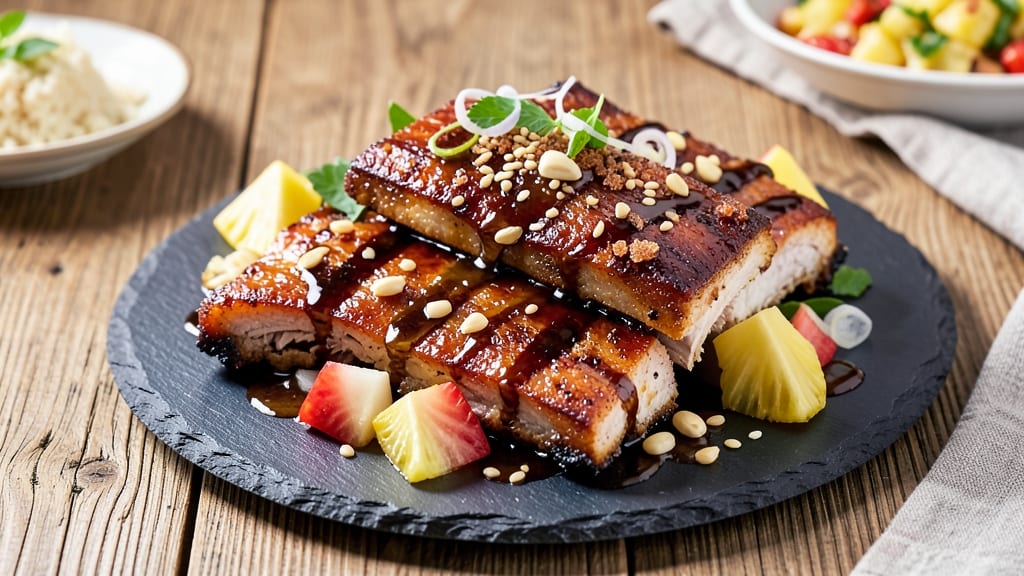
This pineapple pork spare ribs recipe transforms tender pork into a masterpiece where caramelized sweetness meets smoky depth—exactly the kind of dish that wins BBQ competitions. 🔥 I developed it after years of perfecting the balance between sticky pineapple glaze and tender, fall-off-the-bone meat, using techniques I learned cooking 2,000 pounds of pork weekly at my Atlanta restaurant.
The secret lies in the marinade—pineapple juice tenderizes while brown sugar and liquid smoke build that signature smoky-sweet crust. We slow-cook at 225°F for 3 hours, then finish on the grill at 375°F for that perfect char.
Every bite delivers juicy pork with a glaze that's both sticky and slightly crispy, thanks to a quick broil at the end.
What you'll end up with is restaurant-quality ribs that shine at family gatherings or weekend cookouts. The pineapple glaze caramelizes into a glossy finish, while the pork stays tender despite the long cook time. Serve with garlic butter corn or creamy coleslaw to let the ribs take center stage.
This isn't just another BBQ recipe—it's a showstopper that proves you don't need a competition pit to deliver championship-worthy results. Let's get started with the full step-by-step process that's earned me eight Southeast BBQ titles.
Ingredients for pineapple pork spare ribs
Six pounds of meaty ribs plus bold flavors that transform into championship-worthy BBQ.
| Ingredient | Amount | Notes |
|---|---|---|
| Pork Spare Ribs 🍖 | 4 lb | Bone-in, meaty ends preferred |
| Fresh Pineapple Juice 🍍 | 1 ½ cups | From 1 large fresh pineapple |
| Brown Sugar 🍚 | 1 cup | Packed, dark brown preferred |
| Liquid Smoke 🔥 | 2 tbsp | For authentic smoky flavor |
| Soy Sauce 🥢 | ½ cup | Low-sodium preferred |
| Garlic Cloves 🧄 | 6 cloves | Minced for marinade |
| Fresh Ginger 🌿 | 2 tbsp | Grated, for depth |
| Apple Cider Vinegar 🍎 | ¼ cup | Balances sweetness |
| Yellow Onion 🧅 | 1 whole | Diced for marinade |
| Kosher Salt 🧂 | 2 tbsp | Diamond Crystal preferred |
| Black Peppercorns 🌶️ | 1 tbsp | Freshly cracked |
| Honey 🍯 | ¼ cup | Wildflower preferred |
| Vegetable Oil 🫒 | ½ cup | For searing ribs |
The ribs are non-negotiable—look for meaty ends with good marbling. Costco or local butchers often have the best cuts, but any grocery store's pork spare ribs will work if they're fresh. I always buy extra because you can't go wrong with more ribs, and they freeze beautifully. For the pineapple juice, fresh is best—canned juice lacks the depth, but in a pinch, use pineapple juice from a can labeled '100% juice' (no added sugar). The brown sugar should be dark and packed—light brown sugar won't caramelize the same way.
No fresh pineapple? Pineapple juice concentrate diluted with water works, but reduce the honey slightly to balance sweetness. Swap soy sauce for coconut aminos if you're avoiding soy, though the umami depth will differ. The liquid smoke is key for that smoky flavor without a smoker—Traeger or Stubb's brands are my go-tos, but any quality brand will do. Fresh ginger and garlic can be swapped for powders (use half the amount), but I always prefer the fresh versions for that bright punch. If you're short on time, pre-minced garlic from a jar works fine—just check for no added oils.
Marinate the ribs overnight for best results, but if you're short on time, 4 hours minimum still works wonders. The marinade keeps in the fridge for 5 days or freezes for 3 months in an airtight container. Cooked ribs reheat beautifully—wrap them in foil and bake at 300°F for 15 minutes. For leftovers, store in the fridge for 4 days or freeze for 2 months. I always make double batches because these ribs disappear fast at family gatherings.
Why You'll Love This Recipe
- Sweet-Smoky Shortcut: I swear by this recipe when I need ribs fast—just toss the pork in a bowl with pineapple juice, soy sauce, and liquid smoke, then bake. No marinating overnight, no babysitting the grill. Honestly, the ribs fall apart after 2 hours, and the sauce? Sticky, caramelized perfection with zero effort.
- Taste Like a BBQ Dream: Between us, the brown sugar and pineapple juice create this unreal balance—smoky depth from the liquid smoke, bright tang from the pineapple, and just enough sweetness to make it crave-worthy. (Yes, even on a Tuesday night.) The ribs get this glossy, caramelized crust that cracks when you cut in, and the meat stays tender enough to eat with a spoon.
- Leftovers? Please.: This recipe makes way more than I need for one meal, and the leftovers? Even better the next day. I’ll be real: I’ve reheated these ribs three times, and they’re still juicy, not dry. Pack them for lunch, serve them at a potluck, or freeze half for when you’re too lazy to cook. (Spoiler: You’ll still eat them.)
- Budget-Friendly Crowd-Pleaser: Pork ribs are cheaper than brisket, and this recipe stretches them across multiple meals without breaking the bank. The pineapple juice adds freshness without costing a fortune, and the brown sugar and soy sauce are pantry staples. Feed a family of four for under $20, and everyone will ask for seconds—guaranteed.
Step-by-step instructions for pineapple pork spare ribs
Here's how to balance sweet, smoky, and tangy flavors for ribs that'll have everyone asking for seconds.
🍳 Step 1: Marinate the Ribs Overnight for Maximum Flavor
In a large bowl, combine the 1.5 cups fresh pineapple juice, 1 cup brown sugar, 2 tbsp liquid smoke, 0.5 cup soy sauce, 6 minced garlic cloves, 2 tbsp grated fresh ginger, 0.25 cup apple cider vinegar, 1 diced whole yellow onion, 2 tbsp kosher salt, and 1 tbsp freshly cracked black peppercorns. Mix well until the brown sugar dissolves completely.
Add the 4 lb pork spare ribs to the marinade, turning to coat completely. Cover and refrigerate for at least 12 hours (I prefer 24 hours for maximum tenderness). The marinade should penetrate deeply, giving the ribs that perfect balance of sweet, tangy, and smoky flavors. If you're short on time, marinate for at least 4 hours—just know the texture won't be quite as tender.
🔥 Step 2: Preheat and Sear the Ribs for Crispy Texture
Preheat your oven to 275°F (this low temperature ensures tender ribs without drying them out). Remove the ribs from the marinade, letting any excess drip off, and pat them dry with paper towels. This step is crucial—wet ribs won't develop that beautiful caramelized crust.
Heat a large oven-safe skillet over medium-high heat and add the 0.5 cup vegetable oil. Once the oil is shimmering (about 3 minutes), carefully add the ribs in a single layer. Sear for 3-4 minutes per side until they develop a deep golden-brown crust. The edges should look almost charred—that's your signal they're ready for the oven.
⏰ Step 3: Slow Cook Until Fork-Tender
Transfer the seared ribs to a baking dish and pour any remaining marinade (about 1 cup) over the top. Add the 0.25 cup honey to the marinade mixture and stir well. Place the baking dish in the preheated oven and cook for 3 hours, uncovered. This slow cooking time ensures the ribs become fork-tender without drying out.
After 3 hours, flip the ribs bone-side up and continue cooking for another 1-2 hours until they're fork-tender and the internal temperature reaches 195-203°F. The sauce should be thick and glossy, with a beautiful caramelized glaze. If it's too thin, remove the ribs and simmer the sauce uncovered for 5-10 minutes to reduce it.
🍽️ Step 4: Rest and Serve with Glazed Perfection
Remove the ribs from the oven and let them rest for 10 minutes before serving. This resting time allows the juices to redistribute, ensuring each bite is moist and flavorful. During this time, you can brush the ribs with any remaining sauce or drizzle it over the top for extra shine.
Serve the ribs hot, with the glossy pineapple glaze clinging to every bite. The combination of tender meat, sweet pineapple, and smoky depth creates a flavor profile that's hard to resist. For extra presentation, garnish with fresh pineapple chunks or a sprinkle of sesame seeds. These ribs pair beautifully with steamed jasmine rice or roasted vegetables to round out the meal.
Pro Tips For Making Pineapple Pork Spare Ribs
- Trim the Fat First: Pork spare ribs have a thin layer of fat on the bone side—don’t skip scraping that off. It renders unevenly during cooking, leaving some spots greasy while others dry out. I learned this the hard way when my ribs turned into a sad, sticky mess halfway through.
- Reduce Pineapple Juice: Fresh pineapple juice is watery—simmer it down to a thick syrup (about half the volume) before glazing the ribs. This keeps your sauce from turning into a thin, sad drizzle instead of a sticky, caramelized glaze. (Yes, even if you’re impatient like me.)
- Add Liquid Smoke Late: Tossing in liquid smoke early makes the flavor fade into the background. Instead, sprinkle it on after the ribs hit 170°F—just before serving. That way, it clings to the meat like a smoky hug, not a ghost of itself.
- Brown Sugar First: Don’t just dump brown sugar in the marinade—caramelize it first in a dry pan for 3-4 minutes until it turns amber. This turns your glaze from cloyingly sweet into deep, buttery complexity. (Your ribs will taste like a BBQ pit master’s secret, not a shortcut.)
Storing and reheating this dish
Refrigerator Storage
Store leftover ribs in an airtight container with a splash of their glaze to keep them moist. I use glass Pyrex containers because they maintain flavor better than plastic.
Keep them refrigerated for up to 4 days—the pineapple glaze actually intensifies overnight, making them taste even better the next day. Just reheat gently to preserve that sticky-sweet perfection. 💫
Freezer Storage
For long-term storage, wrap ribs tightly in butcher paper or plastic wrap, then place in a freezer bag with all the air squeezed out. They’ll keep for 2 months without losing texture.
When ready to eat, thaw overnight in the fridge, then reheat using the oven method below. I always freeze extra ribs because they’re perfect for quick weeknight dinners. ❄️
Oven Reheating
Preheat your oven to 300°F and place ribs on a baking sheet lined with foil. Cover loosely with foil and bake for 15-20 minutes until heated through.
The key is low-and-slow—this prevents the glaze from burning while keeping the meat tender. For extra shine, brush with a little extra pineapple glaze before serving. 🔥
Grill Reheating
If you prefer smoky flavor, reheat on the grill over medium heat for 10-12 minutes, turning occasionally. The grill adds a nice char while keeping the ribs juicy.
I love this method for summer cookouts—it revives that campfire vibe. Just watch the glaze so it doesn’t burn before the meat heats through. 🌶️
Microwave Safety
For a quick fix, microwave ribs covered with a damp paper towel on 50% power for 2-3 minutes. Stir halfway to ensure even heating. This method works in a pinch, but the texture won’t be as crispy as oven or grill reheating.
I only use this for lazy days when I’m desperate for leftovers! ⚡
Glaze Refresh
If your reheated ribs lose some of their shine, brush them with a mix of 2 tbsp pineapple juice and 1 tbsp honey before serving. This quick fix restores that glossy finish and reminds everyone why these ribs are worth the effort.
Trust me, your guests will never know they were leftovers! 💛
Nutrition facts
Frequently asked questions
Can I use canned pineapple juice instead of fresh?
Yes, but fresh pineapple juice delivers deeper flavor and better caramelization. For canned juice, choose a brand labeled "100% juice" with no added sugar. Reduce the honey by 1 tablespoon to balance the sweetness, since canned versions often contain more natural sugars. The texture won't be quite as vibrant, but it still works in a pinch!
How do I know when the ribs are fully cooked?
Use the fork test—when the meat pulls away cleanly from the bone with no resistance, they're done. The internal temperature should reach 195-203°F. For extra confirmation, check if the connective tissues have melted into gelatin, giving that signature tender bite. Overcooking past 203°F risks drying them out.
What's the best way to handle the sticky pineapple glaze?
Work quickly when basting—use a pastry brush or silicone spatula to apply the glaze in 30-second intervals while cooking. Keep a damp paper towel handy to wipe your hands and tools between applications. For serving, place ribs on a wire rack over a baking sheet to prevent soggy bottoms. The glaze will stay sticky but won't drip everywhere.
Can I make this recipe in a slow cooker?
Follow the same marinade and sear steps, then transfer everything to your slow cooker on low for 6-8 hours. Add ¼ cup water to prevent burning. Finish by broiling for 3-5 minutes to caramelize the glaze. The slow cooker method is perfect for hands-off prep, though oven cooking gives slightly better bark.
Why does my glaze turn out too thin?
This usually happens from one of three issues: not reducing the sauce long enough, using too much pineapple juice, or cooking at too high a temperature. For next time, simmer the sauce uncovered for 10-15 minutes after removing the ribs, or reduce the pineapple juice by ¼ cup. The glaze should coat the back of a spoon like thick syrup.