
Main Courses
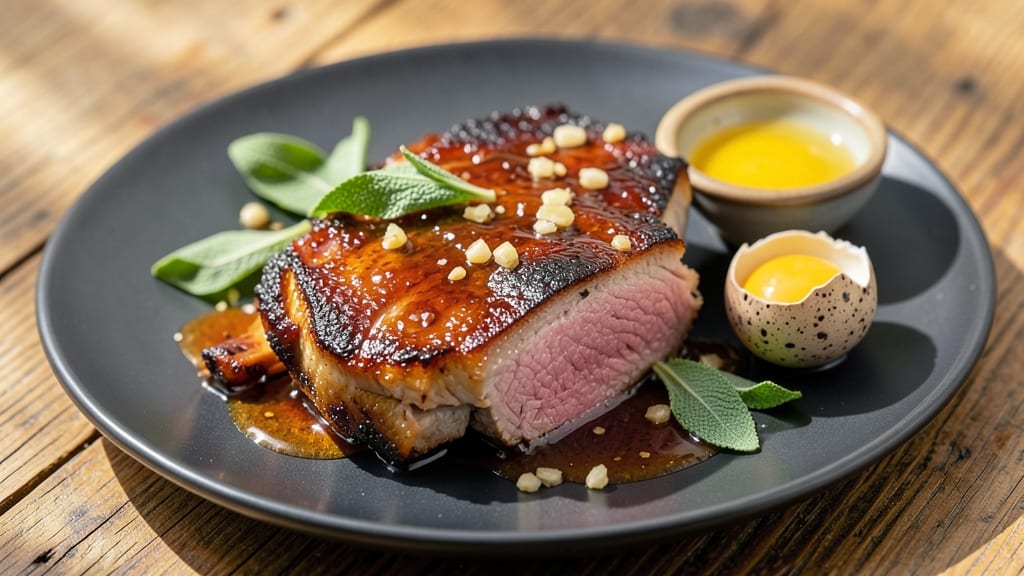
This pork chop recipe with apple cider vinegar transforms simple weeknight dinners into something restaurant-worthy—juicy, caramelized edges, and a bright tang that cuts through the richness. 💛 I developed this after years of struggling with dry pork chops, and the vinegar makes all the difference by tenderizing the meat while adding depth. The key is the pan-sear technique, which creates that perfect crust while keeping the inside moist.
Apple cider vinegar isn't just for dressings—it's a game-changer for pork chops, adding a subtle sweetness and acidity that enhances the natural flavors of the meat. The marinade (if you choose to use one) works overnight, but even a quick 30-minute soak before cooking makes a noticeable difference.
This method works equally well for boneless or bone-in chops, giving you flexibility for any meal plan.
What you'll end up with is a perfectly seared pork chop with a glossy, caramelized crust and tender, juicy meat that melts in your mouth. The apple cider vinegar adds a bright, tangy note that balances the richness, making each bite feel special.
It's the kind of recipe that turns a simple protein into something memorable without requiring fancy ingredients.
Pair these pork chops with roasted potatoes, a crisp green salad, or buttery mashed cauliflower for a complete meal. The recipe scales easily, so you can cook just one or two for a romantic dinner or double the batch for a family meal. Let's get started!
Ingredients for pork chop recipe apple cider vinegar
Eight simple ingredients transform ordinary pork chops into restaurant-quality masterpieces with apple cider vinegar's magic.
| Ingredient | Amount | Notes |
|---|---|---|
| Bone-In Pork Chops 🥓 | 4 whole | 1-inch thick, center-cut preferred |
| Apple Cider Vinegar 🍏 | ½ cup | Raw, unfiltered for best flavor |
| Unsalted Butter 🧈 | ½ cup | Cold, cut into 1-inch cubes |
| Olive Oil 🫒 | 2 tbsp | Extra-virgin for high heat |
| Garlic Cloves 🧄 | 4 cloves | Minced, fresh preferred |
| Dijon Mustard 🍯 | 1 tbsp | For marinade depth |
| Salt 🧂 | 1 ½ tsp | Kosher or sea salt |
| Freshly Ground Black Pepper 🌶️ | ½ tsp | Cracked peppercorns preferred |
| Fresh Thyme Leaves 🌿 | ¼ cup | Chopped, stems removed |
| Brown Sugar 🍚 | 1 tbsp | Light or dark variety |
| All-Purpose Flour 🌾 | ¼ cup | For dredging, optional |
The pork chops are where it all starts—bone-in, center-cut for the perfect balance of flavor and tenderness. Costco or local butchers often carry these pre-cut, but if you're buying whole, ask for the thickest section. The apple cider vinegar should be raw and unfiltered—Bragg or Texas Pete work well, but avoid the pasteurized kind. Fresh thyme can be found in the produce section of most grocery stores, but if you're in a pinch, dried thyme at one-third the amount will do. For the butter, Plugrá or Land O'Lakes unsalted are reliable choices, but any good-quality brand works as long as it's cold when you use it.
No apple cider vinegar? White wine vinegar or lemon juice can stand in, though the flavor will be slightly different. Running short on fresh thyme? Dried thyme at one-third the amount works, but fresh has that bright, floral note that's hard to replicate. The Dijon mustard adds depth—if you only have regular yellow mustard, it'll work, but you'll lose some complexity. For the flour dredge, King Arthur or Bob's Red Mill are great all-purpose options, but any basic flour will work. The brown sugar adds a subtle caramelization—muscovado sugar would be even better if you're feeling fancy, but regular brown sugar is perfectly fine.
Pork chops keep best in the fridge for 2-3 days if stored in an airtight container. The apple cider vinegar marinade can be made ahead and stored for up to 1 week in the fridge. For extra convenience, portion the butter cubes and flour in separate small containers—this way, you're ready to cook at a moment's notice. Leftovers reheat beautifully in a skillet over medium heat for 2-3 minutes per side, but honestly, these are best enjoyed fresh off the pan.
Why You'll Love This Recipe
- One-Pan Magic: The second the sizzle hits your stove, you’re halfway there. Bone-in chops sear in olive oil while the vinegar simmer reduces into a glossy, tangy sauce—no extra pots, no fuss. Honestly, I’ve made dinner messier just to avoid cleanup.
- Tangy Crispy Perfection: That apple cider vinegar isn’t just for salads—it tenderizes the pork and caramelizes into a sticky, slightly sweet glaze. The butter melts into the garlic, creating this buttery crust that’s crisp on the outside, juicy inside. (Yes, even on a Tuesday night.)
- Weeknight Workhorse: Double the recipe, halve the effort. These chops reheat beautifully for lunch or a last-minute dinner guest. Between us, I’ve served them at BBQs, potlucks, and lazy Sundays—no one’s ever asked what’s different.
- Budget-Friendly Protein: Bone-in chops stretch further (and taste richer) than their boneless cousins, while vinegar and butter keep costs low. I’ll be real: this feeds four for under $15, and the leftovers? Even better the next day.
Step-by-step instructions for juicy apple cider vinegar pork chops
Here's how to transform simple pork chops into restaurant-quality cuts with a tangy crust and moist interior.
👨🍳 Step 1: Create the Apple Cider Vinegar Marinade
In a small bowl, whisk together the 0.5 cup apple cider vinegar, 1 tbsp Dijon mustard, 1 tbsp brown sugar, 1.5 tsp salt, and 0.5 tsp freshly ground black pepper. This marinade does double duty—tenderizing the meat while building complex flavors. I like to let it sit at room temperature for 10 minutes before using, which helps the sugar dissolve completely and the spices bloom.
Real talk: the apple cider vinegar might sting slightly when you first apply it, but this is normal. The acidity breaks down muscle fibers, ensuring your pork chops stay juicy even when seared. Don't skip this step—it's what makes these chops truly exceptional compared to plain pan-seared versions.
🍳 Step 2: Sear the Pork Chops for Maximum Crust
Pat the 4 whole bone-in pork chops completely dry with paper towels—this is critical for achieving that perfect crust. Place them in a shallow dish and pour the marinade over them, turning to coat evenly. Let them sit for 15 minutes while you heat your pan.
In a large skillet, melt 0.25 cup unsalted butter and 2 tbsp olive oil over medium-high heat until the butter foams and the oil shimmers. Add the pork chops and cook for 3-4 minutes per side until they develop a deep golden-brown crust. Here's the thing—don't move them around too much. Let them sit undisturbed so they develop that beautiful caramelization.
🥘 Step 3: Build the Tangy Thyme Butter Sauce
Remove the pork chops from the skillet and set them aside on a warm plate. Reduce the heat to medium and add the 4 minced garlic cloves and 0.25 cup chopped fresh thyme leaves to the pan. Cook for 30 seconds until fragrant—you should smell that aromatic garlic-thyme combination wafting through your kitchen.
Pour in the remaining marinade from the pork chops and scrape up any browned bits from the bottom of the pan with a wooden spoon. These bits are packed with flavor—don't waste them! Let the sauce simmer for 2-3 minutes until it thickens slightly and coats the back of a spoon. If it's too thin, you can reduce it further over low heat.
🔥 Step 4: Finish with Optional Flour Dredge (For Extra Crispiness)
Here's where we get creative: if you want that extra-crispy crust, return the pork chops to the skillet and sprinkle 0.25 cup all-purpose flour evenly over them. Tilt the pan and shake gently to coat the chops lightly with the flour mixture. Cook for another 1-2 minutes until the flour turns golden brown and crispy.
This flour step is optional but makes a world of difference for texture lovers. The flour creates a delicate, lacy crust that contrasts beautifully with the tender meat underneath. If you skip it, the chops will still be delicious—just slightly less crispy on the outside.
🍽️ Step 5: Rest and Serve with Sauce
Transfer the pork chops to a warm serving plate and let them rest for 5 minutes before serving. This resting period is crucial—it allows the juices to redistribute throughout the meat so your first bite isn't soupy. Tent loosely with foil if you're serving immediately.
Ladle the tangy thyme butter sauce over the pork chops and serve with your choice of sides. The acidity from the apple cider vinegar cuts through the richness of the butter, creating a perfect balance of flavors in every bite. These chops are juicy, flavorful, and packed with that special tang that makes them unforgettable.
Pro Tips For Making Pork Chop Recipe Apple Cider Vinegar
- Sear First, Deglaze Fast: Get that pan screaming hot before adding oil—bone-in chops need a deep crust. Once browned, immediately pour in the apple cider vinegar and let it bubble like crazy (about 30 seconds) to lift all those caramelized bits. I used to rush this, and the sauce always tasted flat.
- Pat Dry, Salt Generously: Bone-in chops are forgiving, but moisture is your enemy here. Lay them on paper towels and press hard—really hard—then hit them with salt (about 1 tsp per chop) while they’re still wet. The vinegar’s acidity will fight the salt, so don’t hold back.
- Don’t Overcrowd the Pan: Two chops max per side, or you’ll steam them instead of sear. If your pan’s too small, work in batches and keep the first ones warm in a 200°F oven while you finish. I learned this the hard way when my chops came out gray and sad.
- Save the Vinegar Dregs: Strain the cooked vinegar-garlic-butter mix through a fine-mesh sieve into a small saucepan. Simmer it down to a glossy glaze (about 2 minutes) and drizzle it back over the chops at the end. The extra flavor makes a real difference—trust me, I’ve served both versions.
Serving suggestions for leftovers
Classic Crispy Sides
Nothing complements these tangy pork chops better than garlic-parmesan roasted potatoes—toss 2 lbs baby potatoes with 2 tbsp olive oil, 3 minced garlic cloves, 2 tbsp grated parmesan, 1 tsp salt, and ½ tsp black pepper.
Roast at 425°F for 30-35 minutes until golden and crispy. The salty, savory potatoes balance the vinegar's acidity beautifully. 🥔
Fresh Green Salad
A bright apple cider vinaigrette salad ties everything together perfectly. Toss 6 cups mixed greens with 2 tbsp apple cider vinegar, 3 tbsp olive oil, 1 tsp honey, and a pinch of salt.
Add ½ cup sliced apples and ¼ cup candied pecans for crunch. The apple's sweetness echoes the vinegar in the pork chops, creating a cohesive bite. I always serve this chilled right from the fridge.
Buttery Mashed Cauliflower
For a lighter alternative, try creamy mashed cauliflower—steam 1 head cauliflower until tender, then blend with 4 tbsp butter, ¼ cup milk, ½ tsp salt, and ¼ tsp nutmeg.
The neutral flavor lets the pork chop shine while adding a velvety texture. Top with crispy fried shallots for extra crunch. This side feels indulgent but is secretly healthy!
Apple-Cider Glazed Carrots
Use leftover apple cider vinegar to make sweet and tangy glazed carrots. Sauté 1 lb carrots in 1 tbsp butter until tender, then add 2 tbsp apple cider vinegar, 1 tbsp brown sugar, and ½ tsp thyme.
Simmer for 5 minutes until glossy. The carrots mirror the pork chop's flavors while adding a pop of color to the plate. 🍠
Bread Service
Warm crusty sourdough bread or brioche rolls on the side lets guests soak up every last drop of that tangy thyme butter sauce. Brush the bread with garlic-infused olive oil before serving—it’s a simple touch that elevates the whole meal.
I love using Portland’s local bakeries for this, but any good bakery bread works in a pinch.
Dessert Pairing
End the meal with warm apple crisp—the same apple cider vinegar used in the pork chops can be swapped for apple cider in the topping. The caramelized apples and buttery oats complement the savory flavors beautifully.
Serve with vanilla ice cream for the perfect sweet finish. Honestly, this dessert feels like a hug after a perfect dinner. 🍏
Nutrition facts
Frequently asked questions
Why does apple cider vinegar make pork chops more tender?
The acidity in apple cider vinegar breaks down muscle fibers in the meat, creating tiny gaps that hold onto moisture during cooking. This prevents dryness while searing. The vinegar also tenderizes over time—even a 15-minute marinade makes a noticeable difference compared to dry-rubbed chops. Plus, the acidity helps balance the richness of the butter for a perfect flavor profile.
Can I use this recipe with boneless pork chops?
The recipe works perfectly with boneless chops—the same marinade and cooking technique apply. Just reduce the cooking time slightly to 2-3 minutes per side since boneless cuts are thinner. For extra tenderness, consider pounding them to an even ½-inch thickness before marinating. The apple cider vinegar's magic works the same regardless of bone-in or boneless.
What if I don't have Dijon mustard?
No problem! Use 1 tbsp regular yellow mustard as a substitute—it'll work just fine, though you'll lose some of Dijon's complex depth. For an even closer match, mix ½ tbsp yellow mustard with ½ tbsp honeystrong> to mimic the sweetness and tang. The apple cider vinegar's brightness will still shine through, so don't stress over this swap.
How do I know when pork chops are fully cooked?
Use a meat thermometer for perfect results—the internal temperature should reach 145°F in the thickest part. For bone-in chops, check the thickest section away from the bone. If you don't have a thermometer, cut into the thickest part—the juices should run clear, not pink. The vinegar marinade helps ensure even cooking, but always rely on temperature for accuracy.
Can I grill these pork chops instead of pan-searing?
Yes! Grilling works beautifully—just preheat your grill to medium-high (400-425°F) and brush the grates with oil. Grill the chops for 3-4 minutes per side for bone-in, or 2-3 minutes per side for boneless. Finish with the thyme butter sauce on the grill or in a pan. The vinegar's acidity prevents sticking, and the grill adds delicious charred flavor.