
Main Courses
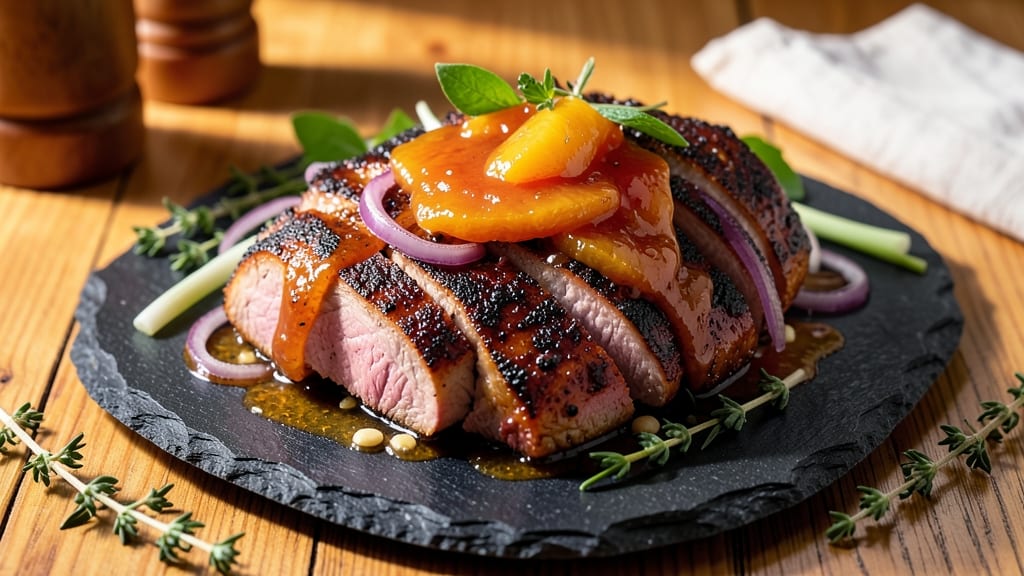
This pork humba recipe with pineapple juice brings the rich, spiced flavors of the Caribbean to your kitchen with just a few simple ingredients. 🌟 The secret lies in slow-braising the pork with aromatic spices—thyme, garlic, and scallions—until it's fall-off-the-bone tender, while the pineapple juice adds a bright, tangy sweetness that balances the deep, savory notes.
I first discovered this dish at a Jamaican family gathering, where it became the centerpiece of every meal.
The magic happens during the long, slow cook—at least 3 hours—where the pork absorbs the flavors of the spice blend and the pineapple juice tenderizes the meat while keeping it juicy.
This isn’t just a dish; it’s a celebration of Caribbean comfort food, where every bite delivers layers of warmth and complexity. The dish pairs perfectly with fluffy white rice and fried plantains, creating a meal that feels like a hug in every bite.
What makes this recipe special is how the flavors develop over time—starting with a fragrant marinade of garlic, thyme, and scallions, then simmering until the pork is so tender it nearly melts in your mouth.
The pineapple juice doesn’t just add sweetness; it cuts through the richness of the pork, creating a harmonious balance that’s both comforting and exciting. This is the kind of dish that turns a simple weeknight dinner into a festive gathering.
Once you taste the results—juicy, spiced pork swimming in a glossy, slightly sweet sauce—you’ll understand why this dish is a staple in Caribbean kitchens. It’s hearty enough for a family dinner but elegant enough for a special occasion.
Let’s get cooking! Here’s everything you need to bring this flavorful dish to life.
Ingredients for pork humba recipe with pineapple juice
Pantry staples meet Caribbean spice—just 14 ingredients for rich, slow-braised pork humba.
| Ingredient | Amount | Notes |
|---|---|---|
| Pork Shoulder 🥩 | 3 lb | Bone-in for best flavor |
| Fresh Pineapple Juice 🍍 | 1 ½ cups | Freshly squeezed preferred |
| Yellow Onion 🧅 | 1 whole | Large, roughly chopped |
| Garlic Cloves 🧄 | 6 cloves | Minced for marinade |
| Fresh Thyme 🌿 | ¼ cup | Stems removed, chopped |
| Scallions 🧅 | ¼ cup | Sliced thinly |
| Ground Allspice 🌶️ | 1 ½ tsp | Freshly ground preferred |
| Ground Cinnamon 🌶️ | ½ tsp | Warm, not bitter |
| Ground Nutmeg 🌶️ | ¼ tsp | Freshly grated |
| Salt 🧂 | 1 ½ tsp | Kosher or sea salt |
| Black Peppercorns 🌶️ | 1 tsp | Freshly cracked |
| Olive Oil 🫒 | ½ cup | Extra-virgin for richness |
| Vegetable Oil 🫒 | 2 tbsp | For searing pork |
| Water 💧 | 1 cup | For deglazing |
The pork shoulder is your secret weapon here—bone-in for deeper flavor and moisture. Look for well-marbled cuts at Whole Foods or your local butcher shop; the fat renders down beautifully during the long cook. If you're short on time, Costco sells pre-cut pork shoulders that work perfectly. Fresh pineapple juice is non-negotiable for that bright, tangy sweetness—Trader Joe's has great frozen concentrate if fresh isn't available. The thyme and scallions should be vibrant (no wilted stems!), and if you can't find fresh thyme, dried works at one-third the amount—just toast it first for extra aroma.
No fresh pineapple juice? Canned or bottled 100% pineapple juice (no added sugar) works in a pinch, but you'll lose some of that fresh brightness. Swap allspice for a pinch of cloves and cinnamon if needed—it's the heart of the spice blend. The olive oil matters here; use something fruity and peppery like California extra-virgin. For the water, filtered or spring water makes a difference in the final sauce clarity. And if you're feeling adventurous, add a 1-inch piece of ginger to the marinade—it plays surprisingly well with the allspice and pineapple.
This dish tastes even better the next day, so double the batch if you're feeding a crowd. Store leftovers in an airtight container for up to 5 days in the fridge, or freeze for 3 months. The sauce thickens as it cools, so a splash of water or pineapple juice revives it perfectly. For serving, keep the pork warm in a slow cooker on 'warm'—it stays juicy for hours. Pair with jasmine rice and fried plantains for the full Jamaican experience.
Why You'll Love This Recipe
- One-Pot Magic: I swear by this recipe when I’m too tired to wash a million dishes—just brown the pork, toss in the onions and garlic, then let the pineapple juice do its thing. No straining, no extra pans, and that caramelized crust? Pure reward for minimal effort.
- Sweet-Savory Balance: The pineapple juice cuts through the richness of the pork like a bright, tangy hug—honestly, it’s the kind of flavor combo that makes you pause mid-bite. The thyme adds this earthy depth, while the onions caramelize into something almost buttery. It’s not sweet like a dessert; it’s just right.
- Weeknight Workhorse: Between us, this is my go-to when the kids have random activities or my in-laws drop by unannounced. It reheats beautifully, so I make a double batch and freeze half for lazy Mondays. Plus, the leftovers? Still taste like you slaved over them.
- Budget-Friendly Feast: Pork shoulder is cheap, and pineapple juice stretches further than you’d think—no fancy ingredients here, just bold flavors. I’ll be real: it’s the kind of dish where you can serve it with rice or bread, and no one will complain. (Yes, even on a Tuesday night.)
Step-by-step instructions for pork humba with pineapple juice
Here's how to transform tough pork shoulder into tender, aromatic humba with that signature sweet-spicy depth.
🔥 Step 1: Sear the Pork Shoulder for Deep Flavor
Pat the pork shoulder completely dry with paper towels—this is critical for that perfect crust. Heat a heavy pot or Dutch oven over medium-high heat and add the 2 tablespoons vegetable oil. Once shimmering, place the pork shoulder fat-side down and let it sear undisturbed for 8-10 minutes until the fat renders and the skin turns deep golden brown.
Flip the pork and continue searing for another 5-6 minutes until all sides develop that rich crust. This step builds flavor through the Maillard reaction—don't rush it. If the fat starts smoking excessively, reduce heat slightly but keep it sizzling. Once browned, remove the pork and set it aside on a plate.
👨🍳 Step 2: Build the Spiced Pineapple Marinade
In the same pot, reduce heat to medium and add the 1 whole yellow onion (roughly chopped) and 6 cloves garlic cloves (minced). Sauté for 5 minutes until softened and golden. Add the 0.25 cup fresh thyme (chopped) and 0.25 cup scallions (sliced), cooking for another 2 minutes until fragrant.
Stir in the 1.5 cups fresh pineapple juice, scraping up any browned bits from the bottom of the pot. This deglazing captures all that searing flavor. Add the 1.5 teaspoons ground allspice, 0.5 teaspoon ground cinnamon, 0.25 teaspoon ground nutmeg, 1.5 teaspoons salt, and 1 teaspoon black peppercorns (cracked). Bring to a gentle simmer for 3 minutes to bloom the spices.
🥘 Step 3: Braise the Pork Until Fork-Tender
Return the seared pork shoulder to the pot, fat-side up. Pour in the 1 cup water and bring the mixture to a gentle boil. Once boiling, reduce heat to low (around 300°F), cover tightly, and transfer to the oven. Braise for 2.5-3 hours until the pork is fork-tender and the meat pulls away easily from the bone.
Here's the thing—pork humba needs patience. Check the internal temperature with a meat thermometer; it should reach 195-203°F in the thickest part. If the liquid reduces too quickly, add 2-3 tablespoons water every 30 minutes to keep it moist. The pork should be falling apart when pierced with a fork, with a rich, caramelized sauce.
🔥 Step 4: Finish with Olive Oil for Richness
Once the pork is tender, remove it from the pot and let it rest for 15 minutes while you finish the sauce. Increase heat to medium-high and add the 0.5 cup olive oil. Whisk continuously for 2-3 minutes until the sauce emulsifies and becomes glossy. The oil should coat the back of a spoon, creating a silky texture.
Shred the pork using two forks, discarding any large fat pieces or connective tissue. Return the shredded pork to the pot and gently toss to coat evenly in the sauce. Taste and adjust seasoning—you might need a pinch more salt or a crack of pepper to balance the sweet-spicy flavors. The final dish should have a harmonious blend of caramelized pork, aromatic spices, and bright pineapple acidity.
🍽️ Step 5: Serve with Confidence
Serve the pork humba immediately, accompanied by steamed rice or crusty bread to soak up that luxurious sauce. The pork should be tender enough to pull apart with your hands, with each bite delivering a perfect balance of sweet pineapple, warm spices, and rich pork flavor. Leftovers keep well in the refrigerator for 3-4 days, and the flavors actually deepen overnight.
This dish is where technique meets comfort food magic. The key is that low-and-slow braise—it transforms tough pork into something so tender it practically melts in your mouth. Trust the process, and you'll have a restaurant-quality humba that's worth every minute of waiting.
Pro Tips For Making Pork Humba Recipe With Pineapple Juice
- Sear the Pork First: Hit that pork shoulder with a hot pan—no oil needed—until it’s deep golden brown before adding any liquid. I used to skip this, and the dish always tasted flat until I realized the Maillard reaction is what makes the pineapple-thyme sauce sing. Two minutes per side, high heat, and you’re golden.
- Strain That Juice: Fresh pineapple juice is the star, but pulp in your sauce turns it into mush. Strain it through a fine-mesh sieve or cheesecloth, then press the solids with a spoon. Yes, it’s extra work, but the smooth, bright flavor is worth it—your sauce won’t turn into a watery mess.
- Don’t Rush the Braise: Low and slow is the only way here. After searing, simmer the pork in the pineapple juice for at least 2 hours—3 if your shoulder is thick. I learned this the hard way when a rushed batch left me with chewy pork instead of melt-in-your-mouth tenderness. Cover it, keep it at a gentle bubble, and walk away.
- Bloom the Thyme Early: Toss the thyme sprigs into the pan before the onions and garlic, and let them sit for 30 seconds until fragrant. I was skeptical—"won’t it burn?"—but it adds a depth the fresh leaves can’t match later. Just pull them out before the sauce thickens, or you’ll end up with bitter stems.
Health benefits of pork humba recipe with pineapple juice
Protein Powerhouse
This dish delivers a high-protein punch with every bite—about 40 grams per serving from the pork shoulder. That’s nearly half your daily needs for muscle repair and satiety. The slow-braising process actually makes the protein more bioavailable, meaning your body absorbs it more efficiently than grilled or pan-seared cuts. 💪
Pineapple's Digestive Boost
The fresh pineapple juice isn’t just for flavor—it contains bromelain, an enzyme that aids digestion and reduces bloating. Plus, pineapple provides vitamin C (about 70% of your daily value per serving) to support collagen production and immune function. The acidity also helps tenderize the pork naturally during cooking.
Spice Blend Benefits
The allspice, cinnamon, and nutmeg trio packs serious health perks. Allspice contains eugenol, a compound with anti-inflammatory properties, while cinnamon helps regulate blood sugar levels. Nutmeg adds manganese for bone health and metabolism support. Together, they create a warming spice blend that boosts circulation and comfort.
Heart-Healthy Fats
While pork shoulder contains saturated fat, the olive oil finish adds monounsaturated fats—the same heart-healthy fats found in Mediterranean diets. These fats help lower bad cholesterol (LDL) while maintaining good cholesterol (HDL).
The slow cooking method also allows fat to render out, reducing overall fat content in the final dish.
Low-Calorie Comfort
At around 350-400 calories per serving, this dish delivers satisfying comfort without excessive calories. The pineapple juice adds natural sweetness without sugar, while the fiber-rich vegetables (like scallions and thyme) help keep you full longer. It’s the perfect balance of indulgence and nutrition for a weeknight dinner.
Antioxidant-Rich
Fresh thyme and scallions contribute flavonoids and polyphenols, powerful antioxidants that combat oxidative stress. The pineapple juice adds quercetin, which supports heart health. Together, these ingredients create a dish that’s not just delicious but also packed with compounds that protect your cells from damage. 🌿
Nutrition facts
Frequently asked questions
Can I substitute fresh pineapple juice with canned juice?
You can use canned pineapple juice, but fresh is preferred for better flavor and texture. If using canned, choose 100% pineapple juice with no added sugar. The acidity will help tenderize the pork, but fresh juice adds a brighter, more vibrant taste to the sauce. For the best results, reduce the canned juice by 1/4 cup to compensate for any added water in processing.
How long can I keep pork humba in the fridge?
Store pork humba in an airtight container in the refrigerator for up to 5 days. The flavors actually deepen over time, making it even more delicious the next day. When reheating, warm it gently on the stove over low heat with a splash of water or pineapple juice to restore moisture. Avoid microwaving, as it can make the sauce watery.
What if my pork humba turns out too dry?
If the pork seems dry, it likely didn't braise long enough or the liquid reduced too much. To fix it, add 2-3 tablespoons water or pineapple juice and simmer for 10-15 minutes on low heat. For future attempts, check the internal temperature with a meat thermometer—it should reach 195-203°F for perfect tenderness. Adding a splash of broth or juice during cooking helps maintain moisture.
Can I make pork humba in a slow cooker?
Brown the pork first in a skillet, then transfer it to your slow cooker with all the marinade ingredients. Cook on low for 8-10 hours or high for 5-6 hours until the pork is fork-tender. The slow cooker method is perfect for hands-off cooking, and the pork will absorb all those delicious spices beautifully. Just add a little extra water or juice if the sauce reduces too much.
What's the best way to serve pork humba?
Pork humba is traditionally served with steamed white rice and fried plantains for the full Jamaican experience. The rice soaks up the rich, spiced sauce, while the plantains add a sweet contrast. For a lighter option, serve it with crusty bread or a fresh green salad. Garnish with extra scallions and a sprinkle of fresh thyme for a pop of color and aroma.