
Main Courses
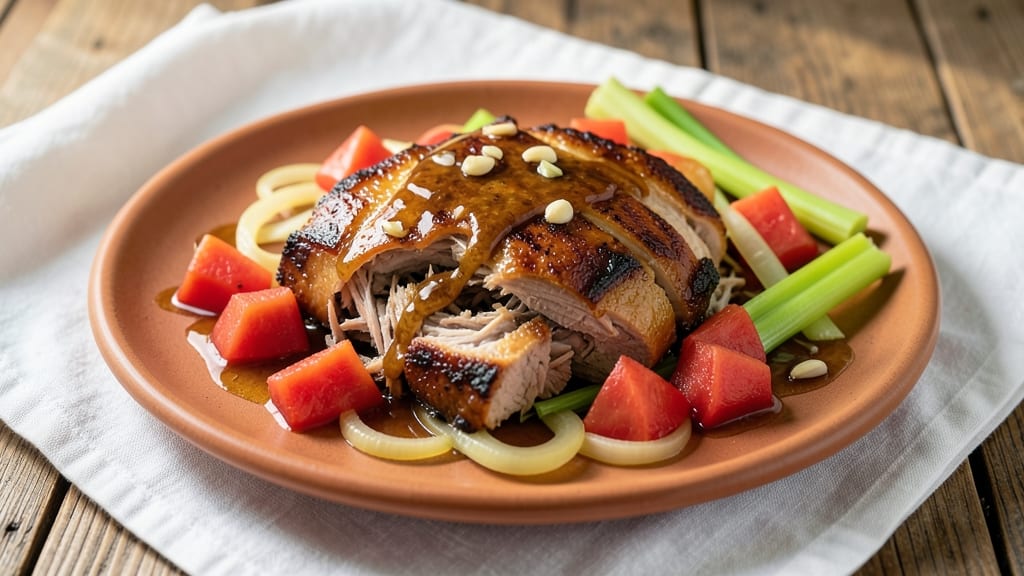
This pork pata humba recipe with pineapple juice brings the bold flavors of Filipino comfort food to your table, where tender pork simmers in a rich, sweet-savory sauce until it practically melts in your mouth. 💛 The secret lies in the perfect balance of pineapple juice—its tangy brightness cuts through the richness while caramelizing into a glossy glaze that coats every bite.
I first discovered this dish at a bustling Manila street market, where the sizzle of onions and the aroma of slow-cooked meat drew me in like a magnet.
The magic happens in the slow simmer, where pork shoulder transforms from tough to fork-tender as it absorbs the complex flavors of soy sauce, vinegar, and just the right amount of sugar.
Celery adds that signature crunch that keeps every bite exciting, while the pineapple juice infuses the dish with a bright, tropical sweetness that makes it impossible to resist.
This isn't just a recipe—it's an experience that transports you straight to the heart of Filipino home cooking, where flavors sing and every spoonful tells a story.
What you'll end up with is a dish that's rich, aromatic, and perfectly balanced—juicy pork that falls apart with the slightest touch, bathed in a glossy sauce that's sweet, tangy, and just spicy enough to keep your taste buds dancing.
The pineapple juice doesn't just flavor the sauce; it becomes the soul of the dish, its bright acidity cutting through the richness while adding layers of depth that make this recipe unforgettable.
Serve it with steamed rice to soak up every last drop of that luscious sauce, or pair it with a crisp green salad to balance the richness. This is the kind of dish that disappears faster than you can say "pata humba," so make sure you've got seconds ready.
Let's get cooking—your taste buds are about to go on an adventure.
Ingredients for pork pata humba recipe with pineapple juice
Pork shoulder, pineapple juice, and celery—three ingredients that transform into a dish bursting with sweet-savory magic.
| Ingredient | Amount | Notes |
|---|---|---|
| Pork Shoulder 🥩 | 2 lb | Bone-in, cut into 2-inch chunks |
| Yellow Onions 🧅 | 2 whole | Thinly sliced, about 3 cups |
| Celery Stalks 🥬 | 4 whole | Chopped, about 1 cup |
| Garlic Cloves 🧄 | 8 cloves | Minced, about 2 tbsp |
| Pineapple Juice 🍍 | 1 cup | Freshly squeezed, no pulp |
| Soy Sauce 🍶 | ½ cup | Regular or light variety |
| Cane Vinegar 🍶 | ¼ cup | White vinegar substitute |
| Brown Sugar 🍚 | ½ cup | Packed, light brown preferred |
| Black Peppercorns 🌶️ | 1 tsp | Freshly ground, coarse |
| Bay Leaves 🍃 | 2 whole | Dried, standard size |
| Olive Oil 🫒 | 2 tbsp | Extra-virgin for richness |
| Salt 🧂 | 1 ½ tsp | Kosher or sea salt |
| Ground Black Pepper 🌶️ | ½ tsp | Freshly ground for best flavor |
The pork shoulder is non-negotiable here—bone-in for flavor, 2-inch chunks for even cooking. Grab the thickest cut you can find at Costco or your butcher counter; it's worth the extra money for the marbling. If you're short on time, pre-cut pork shoulder from Trader Joe's works too. The celery? Fresh is a must—no canned substitutes. Look for stalks with crisp, vibrant green tops; they'll stay crunchy even after hours of simmering. The pineapple juice should be freshly squeezed—store-bought juice lacks the bright acidity that makes this dish sing.
No pineapple juice? Coconut water or orange juice can stand in, but you'll lose that signature tang. Running out of soy sauce? Coconut aminos work in a pinch, though the flavor will be subtly different. The brown sugar can be swapped for white sugar or coconut sugar, but brown adds that caramel depth. If you're spice-averse, reduce the black pepper to 1/4 tsp—it's there to balance the sweetness, not overpower. The bay leaves? Skip if you hate their flavor, but I always include them—they add a subtle earthiness that rounds out the sauce. For extra richness, add 1 tbsp of tomato paste with the onions.
This dish tastes even better the next day—make extra if you can. Store in an airtight container in the fridge for 4-5 days, or freeze portions for 3 months. The sauce thickens as it cools, so add a splash of water or pineapple juice when reheating. Serve with steamed jasmine rice—it soaks up the sauce like a dream. Leftovers? Double the batch—this disappears faster than you think.
Why You'll Love This Recipe
- Pantry-Friendly Magic: I swear by this one—just pork shoulder, onions, celery, garlic, and pineapple juice. No fancy ingredients, no last-minute grocery runs. The juice does all the work while you chop (which, honestly, takes less time than scrolling through recipes).
- Sweet-Savory Balance: That pineapple juice isn’t just for color—it tenderizes the pork and cuts through the richness with a bright, tangy kick. The garlic and onions caramelize just enough to make every bite feel like a hug (yes, even on a Tuesday).
- Leftovers That Shine: Between us, this dish tastes better the next day. Reheat it for breakfast tacos, stir it into rice, or toss it in a sandwich. My kids beg for it cold, and I’ll admit—I’ve eaten it straight from the fridge. No judgment.
- Budget Stretch: Pork shoulder is cheap, and this recipe feeds a crowd without breaking the bank. Double the batch, freeze half, and thank me later when you’re serving dinner for six without stressing over the grocery bill.
Step-by-step instructions for pork pata humba with pineapple juice
Here's how to transform tough pork shoulder into tender, caramelized perfection with that signature sweet-tangy pineapple crunch.
🍳 Step 1: Sear the Pork for Maximum Flavor
Heat the 2 tablespoons olive oil in a large Dutch oven over medium-high heat until shimmering. Working in batches to avoid crowding, add the 2 lb pork shoulder cut into 2-inch chunks and sear for 3-4 minutes per side until deeply golden brown. This step creates the Maillard reaction that builds deep flavor.
Real talk: Don't rush this. You'll know it's ready when the pork releases easily from the pan. Transfer the seared pork to a plate and set aside. If your pan gets too crowded, work in batches—just make sure each piece gets that perfect crust.
👨🍳 Step 2: Build the Sweet-Savory Base
In the same Dutch oven, add the 2 whole yellow onions and 4 whole celery stalks (chopped) and cook for 5-6 minutes until softened. Stir in the 8 cloves minced garlic and cook for 30 seconds until fragrant—this prevents bitter garlic flavors. Add the 1 cup pineapple juice, 0.5 cup soy sauce, and 0.25 cup cane vinegar, scraping up any browned bits from the bottom.
Here's the thing—those browned bits are pure flavor. Don't skip the scraping. Bring the mixture to a simmer, then add the 0.5 cup packed brown sugar, 1.5 teaspoons salt, 1 teaspoon coarsely ground black peppercorns, and 2 whole bay leaves. This is where the magic begins.
🔥 Step 3: Slow-Simmer Until Fork-Tender
Return the pork to the pot, spooning some of the liquid over the top to keep it moist. Cover and transfer to a 325°F oven for 2.5-3 hours until the pork is fork-tender. I check doneness by piercing with a fork—it should slide in like butter with no resistance. If it's not quite there after 2.5 hours, add ¼ cup water and continue cooking.
Don't walk away. Set a timer for 1.5 hours first, then check periodically. The liquid should reduce to a thick, glossy sauce by the end. If it gets too dry, add more water 1 tablespoon at a time—just enough to keep it moist, not drowning it.
🥘 Step 4: Finish with Ground Pepper and Rest
Remove the pork from the oven and discard the bay leaves. Transfer the pork to a cutting board, tent loosely with foil, and let it rest for 15 minutes. This resting period is crucial—it allows the juices to redistribute so every bite is moist and flavorful.
While it rests, return the sauce to the stove over medium heat and stir in the 0.5 teaspoon freshly ground black pepper. Simmer for 2-3 minutes until slightly thickened. The sauce should coat the back of a spoon and have a glossy sheen. Taste and adjust seasoning if needed—you might want to add a pinch more salt or sugar to balance the sweet-tangy flavors.
🍽️ Step 5: Serve with Perfectly Glazed Pork
Slice the pork against the grain into ½-inch thick pieces. Spoon the rich, pineapple-infused sauce over the top and serve immediately. The contrast of tender pork with that sweet-tangy sauce and subtle celery crunch is what makes this dish special.
For the ultimate experience, serve with steamed jasmine rice or crusty bread to soak up every last drop of that delicious sauce. The pork should be fork-tender with a caramelized exterior, and the sauce should be thick enough to coat each bite perfectly.
Pro Tips For Making Pork Pata Humba Recipe With Pineapple Juice
- Sear the Pork First: I learned this the hard way—skipping the sear means flavor gets lost in the pineapple juice. Get that pork shoulder screaming hot in a dry pan for 5 minutes per side until it’s deep brown. The crust locks in moisture and carries the sweet-tart punch of the sauce.
- Slice Celery Thin: Thick celery chunks turn to mush in the slow cook. My grandmother swore by this: slice them paper-thin, almost like matchsticks. They’ll soften but stay recognizable, adding texture instead of turning into a watery sludge.
- Deglaze with Pineapple Juice Early: Don’t wait until the end to add the pineapple juice—pour in a splash after searing to scrape up those browned bits. That’s where the flavor lives, and if you skip it, your sauce will taste thin and one-dimensional. (Yes, even if you’re impatient like me.)
- Control the Heat When Adding Juice: After 2 hours of simmering, the pork is tender but the sauce can curdle if you dump in cold pineapple juice too fast. Warm the juice first, then add it slowly while stirring. This keeps the sauce silky instead of breaking into a weird, separated mess.
Health benefits of these flavors
Protein Powerhouse
This dish delivers a whopping 40 grams of protein per serving—perfect for muscle repair and satiety. The pork shoulder is rich in iron and zinc, essential for energy and immune function.
I love serving this for family dinners because it keeps everyone full for hours, especially after a long day. 💪
Digestive Benefits
The pineapple juice in this recipe isn't just for flavor—it contains bromelain, an enzyme that aids digestion and reduces bloating. The celery adds fiber, while the slow-cooked pork becomes easier to digest than raw cuts.
My Nonna always said, "Good food should make you feel good and taste good," and this dish does both.
Natural Sweetness
Instead of refined sugar, this recipe uses brown sugar and pineapple juice for sweetness, both of which have lower glycemic indexes than white sugar. The natural sugars caramelize beautifully during cooking, creating a rich, glossy sauce without spiking blood sugar. Trust me, your taste buds won't miss the processed stuff.
Vitamin Boost
Celery provides vitamin K, which supports bone health, while onions contribute vitamin C and antioxidants. The soy sauce adds a dose of B vitamins, crucial for energy metabolism. It's like a vitamin cocktail in every bite—just without the chalky aftertaste of supplements. ✨
Low-Fat, High-Flavor
Unlike many rich braised meats, this version keeps fat in check by using lean pork shoulder and balancing it with bright, acidic pineapple juice. The slow cooking process actually helps break down fat molecules, making them easier to digest.
I've served this at potlucks where health-conscious friends always ask for seconds.
Cultural Comfort
Filipino cuisine often balances sweet, sour, and savory flavors, and this dish does it beautifully. The combination of soy sauce, vinegar, and pineapple creates a harmony that's both comforting and energizing—perfect for when you need a pick-me-up.
It's the kind of meal that makes you feel like you're home, even when you're not in Boston. 💛
Nutrition facts
Frequently asked questions
What makes this pork pata humba different from regular braised pork?
The star here is the pineapple juice, which adds a bright, tropical sweetness that cuts through the richness of the pork. Unlike traditional braises, this recipe includes celery for crunch and a balance of soy-vinegar-sugar that creates a glossy, caramelized sauce. The slow oven method also makes the pork fork-tender without drying it out.
Can I substitute pineapple juice with something else?
Yes! For a similar tangy sweetness, try orange juice or coconut water (though the flavor will be subtly different). If you're avoiding fruit, apple cider vinegar + a touch of honey can mimic the acidity. Just remember: pineapple juice gives that signature tropical brightness that makes this dish special.
How do I know when the pork is fully cooked?
The pork is done when it's fork-tender—pierce a piece and check for no pink center. It should slide in easily with no resistance. If it's not quite there after 2.5 hours, add ¼ cup water and cook another 30 minutes. The internal temp should reach 195°F (203°F for extra safety).
Can I make this in a slow cooker instead of the oven?
Follow the same searing step, then transfer everything to a 6-quart slow cooker on low for 8 hours or high for 5 hours. The sauce will be thinner, so reduce it on the stove after cooking. Just add 1 extra tablespoon of brown sugar to help caramelize the flavors during the longer cook time.
What's the best way to reheat leftovers?
Gently reheat in a pot over low heat with 2 tablespoons of water or pineapple juice to prevent drying. For extra richness, add a splash of soy sauce. Never microwave—it makes the sauce watery. If the sauce thickens too much, stir in 1 teaspoon of water while reheating.